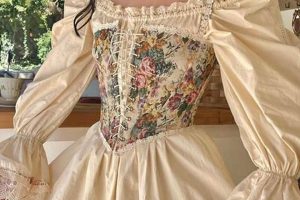
Garments produced by Sue Wong, particularly those from earlier collections, often embody a distinct aesthetic characterized by elaborate beadwork, embroidery, and silhouettes reminiscent of the Art Deco and vintage Hollywood eras. These items represent a fusion of historical design influences and contemporary craftsmanship, appealing to individuals seeking unique and elegant attire.
The desirability of these pieces stems from several factors, including their perceived artistic value, the quality of materials used, and the association with a specific period of fashion history. Acquiring such a garment allows wearers to express individuality, connect with a bygone era of glamour, and possess a tangible representation of historical design. Furthermore, the limited availability and increasing rarity of select designs enhance their collector value and contribute to their enduring appeal.
The subsequent sections will delve into specific characteristics of these sought-after items, exploring elements such as identifying authentic pieces, understanding variations in design and embellishments, and providing guidance on care and preservation to maintain their value and beauty.
Acquiring and Maintaining Sue Wong Garments
The acquisition and long-term preservation of Sue Wong garments from previous collections necessitate careful consideration to ensure authenticity and maintain the garment’s integrity.
Tip 1: Verify Authenticity Markers: Examine labels, construction techniques, and beadwork quality. Authentic Sue Wong creations often feature distinctive design elements and meticulous craftsmanship difficult to replicate. Inconsistencies may indicate a counterfeit.
Tip 2: Assess Condition Meticulously: Prior to purchase, thoroughly inspect the garment for damage, including loose beads, tears, or staining. Minor imperfections may be repairable, but significant damage can detract from the value and wearability.
Tip 3: Understand Fabric Composition: Identify the primary fabric and any embellishments used in the garment’s construction. This knowledge is crucial for proper cleaning and storage to prevent deterioration.
Tip 4: Research Historical Context: Familiarize oneself with the design characteristics and production periods of Sue Wong’s earlier collections. This information aids in identifying the garment’s age and potential value.
Tip 5: Implement Proper Storage Techniques: Store garments flat or on padded hangers in a cool, dry, dark environment to prevent stretching, fading, and mildew. Avoid direct sunlight and prolonged exposure to humidity.
Tip 6: Seek Professional Cleaning Services: Due to the delicate nature of the fabrics and embellishments, professional cleaning is recommended. Ensure the cleaner has experience handling vintage or couture garments.
Tip 7: Document the Garment’s History: Retain any available documentation, such as original tags or receipts, to enhance the garment’s provenance and potential resale value.
Adhering to these guidelines will facilitate the informed acquisition and responsible stewardship of these unique and valuable garments, ensuring their preservation for years to come.
The following section will conclude with a summary of key considerations for both collectors and enthusiasts of Sue Wong’s distinctive aesthetic.
1. Art Deco Influence

The distinctive aesthetic found in vintage Sue Wong dresses is inextricably linked to the Art Deco movement, a significant influence shaping their design principles and visual appeal. Art Deco, flourishing primarily in the 1920s and 1930s, emphasized geometric patterns, streamlined forms, luxurious materials, and a sense of modernity. This influence is not merely superficial; it forms the foundation of many Sue Wong designs from earlier collections. The cause-and-effect relationship is clear: the Art Deco movement provided the visual vocabulary, and Sue Wong utilized this vocabulary to create dresses that resonate with the elegance and sophistication of that era. The importance of Art Deco influence lies in its contribution to the unique identity and desirability of these garments. Without it, they would lack their characteristic charm and historical resonance.
Examples of Art Deco influence are readily apparent in these dresses. Geometric beadwork patterns, such as chevrons, zigzags, and sunburst motifs, are prevalent. Silhouettes often feature dropped waists, bias cuts, and elongated lines, mirroring the flapper style popular during the Art Deco period. The use of luxurious materials like silk, velvet, and intricate beadwork further reinforces the connection. Moreover, the incorporation of stylized floral and geometric motifs, common in Art Deco art and architecture, is frequently observed. This influence extends beyond mere aesthetics; it represents a connection to a particular moment in fashion history, a time of social change and artistic innovation.
Understanding the Art Deco influence is practically significant for several reasons. It aids in authenticating vintage Sue Wong pieces, distinguishing them from later designs or reproductions. Recognizing the stylistic elements allows for a more informed appreciation of the garment’s design and historical context. Furthermore, this knowledge can inform care and preservation techniques, ensuring that these delicate garments are handled with the appropriate level of attention. The challenge lies in accurately identifying and evaluating the nuances of Art Deco influence, requiring a discerning eye and familiarity with the artistic conventions of the period. The link to the broader theme of vintage fashion lies in the recognition that these garments are not merely clothing but tangible artifacts of a specific cultural and artistic movement, requiring study and conservation.
2. Beadwork Intricacy
The elaborate beadwork found on Sue Wong garments, particularly those from earlier collections, constitutes a defining characteristic and a significant factor in their desirability. This ornamentation elevates the garments from simple articles of clothing to works of wearable art. The following points detail specific facets of this beadwork intricacy.
- Materials and Techniques
The selection of beads and the techniques employed are integral to the overall effect. Garments feature a variety of materials, including glass beads, sequins, crystals, and pearls, each contributing a unique texture and luminescence. The application techniques, such as hand-sewing, embroidery, and tambour beading, demand considerable skill and time. The precision and uniformity of the beadwork are indicators of the garment’s quality and authenticity. An example of this is the use of seed beads to create intricate patterns that can only be achieved through meticulous hand sewing, resulting in a delicate and detailed finish.
- Design Motifs and Patterns
The beadwork is not merely decorative; it often forms complex designs and patterns that complement the garment’s overall silhouette and aesthetic. Common motifs include geometric shapes, floral patterns, and stylized representations of natural elements. These designs reflect the Art Deco influence and the vintage Hollywood glamour that are hallmarks of Sue Wong’s style. For instance, cascading beaded fringes can be strategically placed to accentuate movement and create a sense of fluidity. The arrangement and density of the beadwork are carefully considered to enhance the garment’s visual appeal.
- Labor and Time Investment
The creation of beaded garments requires a substantial investment of labor and time. Each bead is individually applied, a process that can take days or even weeks to complete for a single dress. This labor-intensive process contributes to the garment’s value and exclusivity. Understanding the sheer amount of work involved provides insight into the craftsmanship and artistry that characterize Sue Wong’s vintage designs. It is important to note that pieces with more complex designs would naturally take longer to produce and have a high inherent value based on time cost alone.
- Preservation Challenges
The delicate nature of beadwork presents unique challenges in terms of preservation. Loose beads, fragile threads, and the susceptibility of materials to damage require careful handling and storage. Improper cleaning or wear can result in the loss of beads or the unraveling of the beaded design. Professional cleaning and specialized storage techniques are essential to maintain the garment’s integrity over time. This element makes care important to retain value over time and further adds to collector appeal.
The intricate beadwork is a key element that distinguishes these garments from mass-produced alternatives. It reflects a commitment to quality, artistry, and a bygone era of elegance. The presence of detailed beadwork is a strong indicator of authenticity and value, making it a critical factor to consider when assessing the provenance and condition of a vintage Sue Wong dress.
3. Silhouette Elegance

The silhouette, or overall shape, of a garment is paramount to its aesthetic appeal, and this is particularly true in the context of earlier Sue Wong designs. These garments often exhibit specific silhouette characteristics that contribute significantly to their perceived elegance and desirability.
- Bias Cuts and Fluidity
Many of these dresses employ bias-cut construction, where the fabric is cut at a 45-degree angle to the grain. This technique allows the fabric to drape more fluidly over the body, creating a softer, more flattering silhouette. Examples include gowns that skim the figure, emphasizing curves without clinging. The implications are a more graceful and feminine appearance, aligning with the vintage Hollywood aesthetic often associated with the brand.
- Dropped Waistlines and Elongated Torsos
Drawing influence from the Art Deco era, some styles feature dropped waistlines that elongate the torso. This silhouette often includes embellishments at the hip level, drawing attention to the lower portion of the body and creating a balanced profile. Dresses from the 1920s often showcased this feature. The implications are a lengthening effect on the figure and a nod to a specific period in fashion history.
- Emphasis on the Natural Waist with Defined Lines
In contrast to the dropped waist, some designs accentuate the natural waistline, often with fitted bodices and flowing skirts. This creates a more hourglass-like silhouette, emphasizing the curves of the bust and hips. Garments with defined waistlines demonstrate a timeless elegance that transcends specific fashion trends. The use of embellishments or contrasting fabrics at the waistline further enhances the effect.
- A-Line Skirts and Balanced Proportions
A-line skirts, which are narrower at the waist and gradually widen towards the hem, are another recurring silhouette. This shape provides a balanced and flattering proportion for a variety of body types. Examples include dresses with embellished bodices paired with flowing A-line skirts that allow for ease of movement. The implications are a versatile and universally appealing silhouette that enhances the overall elegance of the garment.
In summary, the “Silhouette Elegance” in earlier Sue Wong dress designs is more than just shape; it is a carefully considered element that combines fabric, cut, and historical reference to create garments that are both visually striking and flattering to the wearer. The attention to silhouette contributes significantly to the enduring appeal and collectability of these dresses.
4. Material Quality

The enduring appeal and value of Sue Wong garments from past collections are inextricably linked to the quality of materials employed in their construction. Material quality is not merely an aesthetic consideration; it directly influences the garment’s durability, drape, and overall presentation. The use of superior fabrics and embellishments contributes significantly to the longevity and desirability of these pieces. Inferior materials would not only detract from the intended aesthetic but also compromise the structural integrity of the elaborate designs. A real-world example is the use of high-quality silk charmeuse in many early designs, which provides a luxurious drape and a subtle sheen that is difficult to replicate with synthetic alternatives. This dedication to material excellence is a primary factor driving the demand for vintage Sue Wong creations.
The practical significance of understanding material quality extends to the care and preservation of these garments. Identifying the specific fabrics and embellishments used is crucial for selecting appropriate cleaning methods and storage techniques. For instance, delicate silk fabrics require specialized cleaning solutions and careful handling to prevent damage or discoloration. Beadwork and embroidery, often integral components of these designs, must be protected from abrasion and snagging. A knowledge of material properties allows owners to implement preservation strategies that will maintain the garment’s condition and value over time. Furthermore, discerning the authenticity of a garment often hinges on assessing the quality and type of materials used, as counterfeit items frequently employ cheaper, less durable substitutes. Examples would be the use of real Swarovski crystals instead of acrylic alternatives, or silk versus rayon.
In conclusion, material quality serves as a cornerstone of the enduring allure of vintage Sue Wong garments. The selection of superior fabrics and embellishments not only enhances the aesthetic appeal but also contributes to the garment’s longevity and value. A comprehensive understanding of material properties is essential for proper care and preservation, ensuring that these unique pieces retain their beauty and historical significance. Challenges may arise in accurately identifying older or less common fabrics, but the effort is critical for both collectors and enthusiasts seeking to appreciate and protect these wearable works of art. The importance of material quality links directly to the broader theme of vintage fashion by reinforcing the understanding that craftsmanship and material choices are key determinants of a garment’s enduring value and appeal.
5. Rarity value

The concept of rarity value plays a significant role in the desirability and market appreciation of Sue Wong garments from earlier collections. The limited availability of specific designs and the challenges in acquiring these pieces contribute substantially to their perceived worth and appeal to collectors and enthusiasts.
- Limited Production Runs
Sue Wong’s earlier designs were often produced in smaller quantities compared to contemporary mass-market clothing. This limited production inherently restricts the supply of these items, increasing their scarcity over time. Examples include limited-edition designs released for specific events or boutiques, which are now difficult to locate. The implications are a higher demand among collectors seeking to acquire these exclusive pieces, driving up their market value.
- Discontinuation of Designs
As fashion trends evolve, manufacturers discontinue older designs to make way for new collections. Once a particular Sue Wong design is no longer in production, the existing garments become increasingly rare. This scarcity is particularly pronounced for designs featuring unique embellishments or materials that are no longer readily available. The implications are an increased desirability among vintage fashion enthusiasts and collectors seeking to own a piece of fashion history that is no longer replicable.
- Condition and Availability
The passage of time inevitably affects the condition of vintage garments. Many examples of earlier Sue Wong designs may have been damaged, altered, or simply lost over the years. The availability of garments in good to excellent condition is therefore limited, further enhancing their rarity value. The implications are a premium placed on well-preserved garments, with collectors willing to pay more for pieces that have been properly cared for and retain their original details.
- Historical Significance and Provenance
The historical context and provenance of a garment can also contribute to its rarity value. Garments that were worn by notable individuals or that have a documented history of ownership may command higher prices. Examples include dresses that were featured in fashion magazines or worn at significant social events. The implications are that garments with a verifiable history and association with a particular time period or individual are considered more valuable and collectible.
In conclusion, the rarity value of Sue Wong vintage dresses is multifaceted, encompassing limited production, design discontinuation, condition, and historical significance. These factors collectively contribute to the increased desirability and market appreciation of these garments, making them sought-after items for collectors and enthusiasts alike. The inherent challenge is in authenticating the garments and assessing their condition accurately, but the rewards are substantial for those who possess the knowledge and resources to acquire and preserve these rare pieces of fashion history.
Frequently Asked Questions
The following questions address common inquiries regarding the acquisition, authentication, care, and value of Sue Wong garments from earlier collections. The intent is to provide clear and concise information for collectors and enthusiasts.
Question 1: How can the authenticity of a Sue Wong garment from a previous collection be verified?
Authenticity verification involves a multi-faceted approach. Examine the garment’s labels for consistent branding and font styles. Assess the quality of the beadwork and embellishments, noting the precision and uniformity. Compare the design and construction techniques with known examples from the purported era. Consult with experts in vintage fashion for further evaluation.
Question 2: What factors contribute to the value of vintage Sue Wong dresses?
The value is determined by several elements, including the garment’s condition, rarity, design complexity, material quality, and historical significance. Well-preserved dresses in limited production runs or those with unique design features command higher prices. Garments with documented provenance or associations with notable events or individuals also realize increased value.
Question 3: What are the recommended cleaning methods for delicate, embellished garments?
Professional dry cleaning by a reputable service specializing in vintage or couture garments is generally recommended. Ensure the cleaner understands the specific fabrics and embellishments of the dress. Request that they use gentle cleaning agents and avoid harsh chemicals or excessive heat, which can damage delicate materials.
Question 4: How should vintage Sue Wong dresses be stored to prevent damage?
Proper storage is crucial for preserving the condition of these garments. Store dresses flat or on padded hangers in a cool, dry, dark environment. Avoid direct sunlight and prolonged exposure to humidity. Use acid-free tissue paper to protect delicate embellishments. Consider storing the garment in a breathable garment bag to prevent dust accumulation.
Question 5: What are the common signs of wear or damage to look for when assessing a vintage Sue Wong dress?
Inspect the garment for loose beads, missing embellishments, tears, stains, or fading. Examine the seams for signs of stress or unraveling. Check for discoloration or damage caused by improper storage. Note any alterations that may have been made to the original design. These signs can drastically change a garments perceived value.
Question 6: Are there resources available for researching the history and identifying specific Sue Wong dress designs from previous collections?
Online resources, fashion archives, and vintage clothing retailers can provide valuable information. Consult with fashion historians or vintage clothing experts for specialized knowledge. Examine vintage fashion magazines and catalogs from the relevant time periods for examples of Sue Wong designs.
These frequently asked questions provide essential guidance for navigating the world of Sue Wong garments. Understanding the factors that influence their authenticity, value, and preservation is crucial for both collectors and enthusiasts.
The subsequent section provides a concluding overview of the key considerations discussed throughout this exploration.
Sue Wong Dresses Vintage
The preceding analysis has explored critical facets related to garments produced by Sue Wong, specifically those categorized as vintage. Key themes addressed include the garments’ Art Deco influences, the intricacy of their beadwork, the elegance of their silhouettes, the quality of materials employed, and the inherent value derived from their relative rarity. Each of these elements contributes to the distinctive appeal and market value of these items, attracting collectors and enthusiasts seeking unique expressions of historical fashion.
The acquisition and preservation of vintage Sue Wong dresses represent a commitment to safeguarding tangible artifacts of fashion history. Responsible stewardship, informed by a thorough understanding of these garments’ characteristics and historical context, ensures their continued appreciation and availability for future generations. Continued research and documentation will further enhance the knowledge base surrounding these unique and valuable pieces.