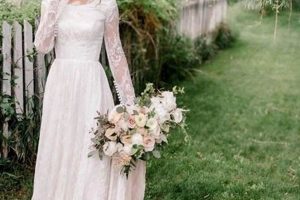
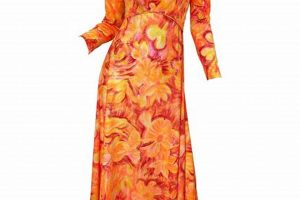
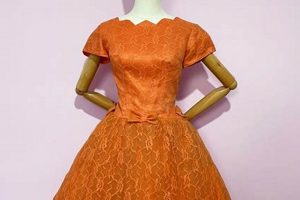
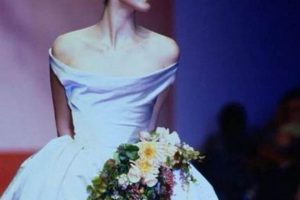
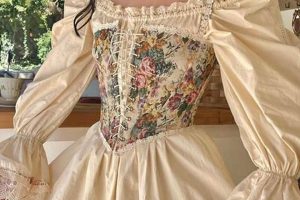
Garments from past eras that adhere to standards of decorum in dress represent a distinct style choice. These articles of clothing often feature longer hemlines, higher necklines, and sleeves that extend to the elbow or wrist. Examples include A-line silhouettes from the 1950s, tea-length gowns from the 1940s, and high-necked Edwardian-era frocks.
The appeal of these sartorial selections stems from a desire for timelessness, individuality, and a return to classic aesthetics. These styles offer an alternative to contemporary fast fashion trends, providing a sense of historical connection and understated elegance. Their enduring popularity reflects a continued appreciation for sophisticated design principles and enduring quality.
The subsequent sections will delve into the specific eras that have influenced this particular fashion trend, explore the fabrics and construction techniques commonly employed, and provide guidance on sourcing and styling these distinctive pieces.
Guidance for Acquiring and Maintaining Period-Appropriate Attire
The following recommendations are designed to assist in the acquisition, preservation, and styling of vintage apparel that aligns with principles of modesty. Careful consideration of these factors will contribute to the longevity and continued wearability of the selected items.
Tip 1: Assess Fabric Integrity: Prior to purchase, meticulously examine the fabric for signs of degradation, including discoloration, staining, and weakened fibers. Natural fibers, such as cotton and silk, are particularly susceptible to age-related damage.
Tip 2: Verify Construction Quality: Inspect seams, closures, and embellishments to ensure structural soundness. Garments constructed with durable stitching and reinforced stress points will withstand repeated wear.
Tip 3: Consider Alterations Carefully: When modifying vintage garments, prioritize preservation of the original design. Minor alterations, such as hemming or adjusting sleeve length, are generally acceptable. More extensive changes may compromise the garment’s historical integrity.
Tip 4: Adhere to Specific Cleaning Protocols: Vintage textiles often require specialized cleaning methods. Hand washing or professional dry cleaning, utilizing solvents safe for delicate fabrics, is recommended. Avoid harsh detergents and high-temperature washing.
Tip 5: Implement Proper Storage Techniques: Store garments in a cool, dry environment away from direct sunlight. Utilize padded hangers to maintain shape and prevent stretching. Acid-free tissue paper should be used to protect delicate fabrics and embellishments.
Tip 6: Seek Expert Consultation: When uncertain about the proper care or restoration of a vintage piece, consult with a textile conservator or experienced vintage clothing dealer. Professional guidance can prevent irreversible damage and ensure the garment’s continued preservation.
Adherence to these guidelines will facilitate the successful acquisition and long-term maintenance of historically significant garments. Diligent care and informed decision-making are essential for preserving the value and wearability of these articles.
The subsequent discussion will focus on the ethical considerations surrounding the acquisition and repurposing of vintage clothing.
1. Era Identification

Accurate determination of a garment’s period of origin is foundational to understanding its stylistic intent, construction techniques, and appropriate usage. Misidentification can lead to improper care, inaccurate styling, and a diminished appreciation for its historical significance.
- Silhouette and Cut
Distinct eras are characterized by particular silhouettes and cuts. For example, the high waist and flowing lines prevalent in Empire-era gowns contrast sharply with the cinched waists and full skirts of the 1950s. An Edwardian-era dress often features a high, boned collar and an S-bend silhouette, achieved through corsetry. Examining these features provides initial clues to a garment’s age.
- Fabric and Materials
The availability and popularity of specific fabrics varied across time periods. Rayon, for example, became widely used in the 1930s as an affordable alternative to silk. Synthetics like polyester and nylon entered the market later, becoming commonplace in the mid-20th century. The presence or absence of these materials can narrow down a garment’s potential era. Additionally, the weave and weight of fabrics like cotton or wool changed significantly over time.
- Construction and Fastenings
Sewing techniques and types of closures evolved considerably. Hand-sewn details are more common in garments from earlier periods, while machine stitching became more prevalent with industrialization. Zipper closures, initially introduced in the early 20th century, gradually replaced hooks and eyes or buttons as the primary method of fastening. The type of stitching, seam finishes, and closure mechanisms offer valuable information about a garment’s construction date.
- Label and Tag Analysis
While not always present, labels and tags provide direct evidence of a garment’s origin. Researching the history of specific brands or manufacturers can pinpoint a likely era of production. Union labels, for example, offer a timeframe based on the union’s active period. The style of font, the materials used for the label, and the information provided (e.g., size, fabric content, care instructions) all contribute to the identification process.
By systematically analyzing these characteristicssilhouette, materials, construction, and labelinga reasonably accurate determination of a garment’s era can be achieved. This knowledge is critical for appropriate care, styling, and appreciation of the historical context.
2. Fabric Composition
The selection of materials in vintage garments directly influences their drape, silhouette, and overall suitability for adhering to modest aesthetics. The composition of a fabric dictates its weight, opacity, and textural qualities, all of which are crucial considerations when assessing a garment’s conformity to standards of decorum. Heavier, more opaque materials, such as wool crepe or tightly woven cotton, inherently provide greater coverage and minimize transparency, thus aligning with the fundamental principles of modest dress. Conversely, lightweight and sheer fabrics, such as chiffon or voile, typically require layering or the addition of lining to achieve the desired level of coverage. A 1940s dress crafted from rayon crepe, for example, would offer a flowing yet opaque drape, suitable for creating a demure and elegant silhouette.
Fabric composition also plays a significant role in the garment’s durability and care requirements. Natural fibers, such as linen and silk, require specialized cleaning methods to prevent damage and maintain their integrity over time. Understanding the specific fiber content allows for the implementation of appropriate preservation techniques, ensuring the longevity of the garment. Furthermore, the use of certain materials, such as densely woven brocades or substantial woolens, inherently contributes to a garment’s structural integrity, allowing it to maintain its shape and modesty-preserving silhouette over extended periods. A 1950s dress made from cotton poplin, known for its crispness and structure, would exemplify this principle, maintaining its shape and providing ample coverage.
In summary, the choice of fabric composition in vintage garments profoundly affects their aesthetic presentation, functional properties, and long-term viability. The ability to identify and understand these materials enables a more informed appreciation for the design choices that prioritize modesty. The challenges associated with fabric identification, particularly in unlabeled garments, necessitate careful examination and a working knowledge of historical textile trends. Understanding the influence of fabric composition is integral to both the preservation and the appropriate styling of vintage garments.
3. Silhouette Definition

The external form of a garment, referred to as the silhouette, plays a critical role in determining its overall aesthetic and alignment with principles of modest dress. Understanding how various silhouettes emerged in different eras, and how they contribute to or detract from modesty, is crucial when selecting and styling vintage attire.
- A-Line Silhouettes
Characterized by a narrow fit at the shoulders gradually widening towards the hem, the A-line silhouette gained prominence in the mid-20th century. This shape often provides ample coverage through the torso and hips, minimizing bodyconforming fit. An example includes 1960s-era dresses which provided ease of movement while maintaining a sense of decorum. The A-line silhouette contributes to modesty by avoiding excessive emphasis on bodily curves.
- Empire Waist Silhouettes
Defined by a high waistline positioned directly below the bust, the Empire silhouette typically flows loosely over the abdomen and hips. Common in the early 19th century, this style often features longer skirts that contribute to a modest presentation. Empire waistlines obscure the natural waistline, deemphasizing the midsection. An example is regency-era dresses, which offered a combination of elegance and coverage.
- Tea-Length Silhouettes
Hemlines falling midway between the knee and ankle define the tea-length silhouette, popular in the 1940s and 1950s. This length offers more coverage than shorter styles while remaining practical for everyday wear. This silhouette, as seen in wartime-era dresses, balances functionality with aesthetic considerations. Tea-length silhouettes represent a middle ground between contemporary short hemlines and floor-length gowns.
- Princess Seam Silhouettes
Featuring long, curved seams that run from the shoulder or armhole down to the hem, Princess seam silhouettes offer a tailored fit without excessive cling. This design element provides shape and definition while maintaining coverage. A 1950s dress with princess seams offers an example. This construction technique allows for a flattering fit while accommodating variations in body shape, enhancing both comfort and modesty.
These diverse silhouettes, each with unique attributes, showcase the range of options available within the realm of period-appropriate attire. By carefully considering the cut, fit, and coverage provided by each silhouette, individuals can select garments that align with their personal preferences while upholding standards of decorum. These elements are integral to the broader concept of carefully curating a wardrobe.
4. Embellishment Details

The aesthetic character of garments from past eras is frequently defined by the specific embellishments incorporated into their design. These details, ranging from subtle accents to elaborate ornamentation, contribute significantly to the overall visual presentation and can either enhance or detract from the perceived modesty of a piece.
- Lace Application
The strategic placement of lace, a delicate openwork fabric, can be employed to enhance modesty or, conversely, to create areas of exposure. High-necked Edwardian blouses often feature lace inserts at the yoke and collar, providing visual interest without compromising coverage. Alternatively, lace trim along the hem of a skirt can add a touch of elegance without revealing excessive leg. The gauge and opacity of the lace itself are critical factors; heavier laces offer greater coverage, while sheer varieties require careful layering. Application of lace can be a defining feature.
- Beadwork and Sequins
The use of beads and sequins in vintage garments varies widely, from subtle accents to elaborate all-over embellishment. When applied judiciously, these elements can add a touch of sophistication without being overtly revealing. For instance, a scattering of seed pearls along the neckline of a 1950s dress can draw attention to the face without emphasizing the bustline. However, excessive or strategically placed beadwork can create a shimmering effect that undermines modesty. Balance is key.
- Embroidery Techniques
Embroidery, the art of decorating fabric with needle and thread, offers a versatile means of adding visual interest and texture to clothing. Depending on the design and execution, embroidery can be both decorative and functional. Delicate floral embroidery along the sleeves of a blouse or the bodice of a dress adds visual appeal while adhering to principles of modesty. The choice of thread color and stitch style influences the overall impact.
- Collar and Cuff Detailing
The design of collars and cuffs significantly impacts the perceived modesty of a garment. High-necked collars, common in Victorian and Edwardian eras, inherently provide greater coverage than low-cut styles. Similarly, longer sleeves with tailored cuffs offer a more conservative aesthetic than sleeveless or short-sleeved designs. The addition of embellishments, such as contrasting fabric or delicate trim, can enhance the visual appeal of these features without sacrificing modesty.
The effective utilization of embellishment details requires careful consideration of their placement, scale, and overall impact on the garment’s silhouette. By selecting embellishments that enhance coverage and complement the garment’s design, these elements can contribute to a sophisticated and modest aesthetic, which helps with vintage modest dresses, and provide historical appeal.
5. Condition Assessment

The evaluation of the physical state of garments predating contemporary manufacturing is paramount when considering the acquisition of period-appropriate attire that adheres to standards of modesty. This process influences wearability, longevity, and the garment’s representation of its era.
- Fabric Integrity
The examination of textile strength is critical. Age and environmental factors compromise fibers, leading to weakening and potential tearing. Sunlight exposure causes fading and discoloration. Assessing tensile strength by gently stretching the fabric in an inconspicuous area reveals its resilience. Garments with significantly weakened fabric necessitate extensive restoration or may be deemed unsuitable for regular wear. This directly impacts the presentation of these styles.
- Seam and Closure Security
Stitching degrades over time, resulting in loosened seams and compromised closures. A thorough inspection involves examining seams for separation and closures (buttons, hooks, zippers) for functionality and secure attachment. Reinforcement of weakened seams or replacement of damaged closures is often necessary. Failure to address these issues leads to garment instability and potential wardrobe malfunctions, impacting the wearer and the items longevity.
- Stain and Discoloration Analysis
The presence of stains and discoloration affects the garment’s overall aesthetic and perceived value. Identification of the staining agent informs appropriate cleaning methods. Some stains are irreversible, requiring strategic design alterations to conceal the affected area. Discoloration, often caused by age or improper storage, may necessitate professional restoration to restore the fabric’s original hue. Untreated stains can detract significantly from the items appearance and affect its perceived elegance.
- Alteration History
Prior alterations impact the garment’s original silhouette and fit. An evaluation of these changes is essential to determine their aesthetic impact. Hem adjustments, seam alterations, and modifications to the neckline impact the presentation. The scope and type of the change can influence perceived authenticity. Understanding the history of alterations is essential for preservation.
These facets of condition assessment are interconnected. A garment with compromised fabric integrity requires more delicate handling during stain removal. Original silhouettes affected by alterations and may deviate from their intended form, affecting the overall modesty and appeal of the clothing. Thorough assessment informs acquisition decisions and restoration strategies, thereby ensuring the longevity of these vintage styles.
6. Styling Context

The integration of garments from previous eras into contemporary wardrobes requires a considered approach, balancing respect for the historical design with the practicalities of modern wear. Styling context, in this regard, significantly influences the presentation and perceived relevance of vintage pieces. An understanding of period-appropriate accessories, complementary garments, and contemporary interpretations is essential for achieving a cohesive and aesthetically pleasing ensemble.
- Accessorization and Era Accuracy
The selection of accessories directly affects the overall impression of a vintage ensemble. A 1950s dress, for example, benefits from accessories such as gloves, structured handbags, and classic pumps, all of which reinforce the aesthetic of that period. Conversely, the juxtaposition of anachronistic accessories, such as modern sneakers or oversized jewelry, can detract from the garment’s original intent and create a jarring visual effect. Accurate period accessorization, however, may sometimes run counter to modern modesty preferences, requiring careful adaptation. For example, shorter, less full slips may be required today to accommodate slimmer silhouettes, while still providing adequate coverage.
- Layering and Modern Adaptation
Incorporating layering techniques allows for the adaptation of vintage garments to contemporary modesty standards and weather conditions. Sheer vintage blouses can be paired with camisoles or slips to provide additional coverage. Similarly, vintage dresses with lower necklines or shorter sleeves can be styled with cardigans, jackets, or boleros to create a more demure silhouette. The strategic use of layering enables the wearability of garments that might otherwise be deemed unsuitable. An example is adding a modern, lightweight turtleneck under a lower-cut 1960s dress for both warmth and increased coverage.
- Hair and Makeup Considerations
The selection of hairstyle and makeup should complement the overall aesthetic of the vintage garment. A 1940s dress, for example, pairs well with victory rolls or soft waves and classic red lipstick. Modern makeup trends, such as heavy contouring or bold eyeshadow, may clash with the delicate and understated elegance of vintage styles. While strict adherence to period-accurate hair and makeup is not always necessary, a thoughtful consideration of these elements enhances the cohesiveness of the ensemble. A simple, elegant updo can complement almost any vintage dress without overpowering the garment’s inherent charm.
- Thematic Consistency and Occasion Appropriateness
The styling context must also align with the intended occasion. A formal vintage gown is appropriate for evening events, whereas a casual vintage sundress is more suitable for daytime outings. The choice of accessories, layering pieces, and overall styling should reflect the level of formality. Overdressing or underdressing diminishes the impact of the garment. A heavily embellished 1920s flapper dress, for example, might be ideal for a themed party, while a simple 1950s day dress is more versatile for everyday wear. Aligning the styling with the appropriate occasion showcases both the garments beauty and one’s understanding of social cues.
The careful consideration of accessorization, layering, hair, makeup, and occasion appropriateness enables the successful integration of vintage garments into contemporary wardrobes. These elements contribute to a cohesive and aesthetically pleasing ensemble that respects both the historical design and the practicalities of modern wear. Adaptations may be required to fully align vintage pieces with today’s modesty standards, further highlighting the importance of a thoughtful and informed approach to styling.
Frequently Asked Questions
This section addresses common inquiries and misconceptions surrounding the acquisition, styling, and maintenance of garments from past eras that prioritize decorum in dress. The information provided aims to offer clarity and guidance to those interested in incorporating these styles into their wardrobe.
Question 1: What defines a “vintage modest dress” and what eras are commonly associated with this style?
A garment qualifying as such is sourced from a previous era and adheres to established standards of decorum, typically featuring longer hemlines, higher necklines, and extended sleeves. Common eras include the Victorian, Edwardian, and mid-20th century periods, specifically the 1940s, 1950s, and 1960s, due to prevalent design elements aligning with these attributes.
Question 2: How does one verify the authenticity of a garment marketed as a “vintage modest dress?”
Authentication involves a multi-faceted approach. Examination of fabric composition, construction techniques, and labeling practices is crucial. Researching brands or designers associated with specific eras aids in verifying provenance. Consulting with experienced vintage clothing dealers or textile historians provides expert validation.
Question 3: What are the common challenges encountered when acquiring and maintaining garments from past eras?
Degradation of fabric due to age, improper storage, and wear represents a primary challenge. Securing appropriately sized garments requires diligent searching, as sizing standards have evolved. Specialized cleaning and preservation techniques are essential to prevent further damage and ensure longevity.
Question 4: How can a garment from a previous era be styled to align with contemporary trends while maintaining its inherent modesty?
Strategic layering, incorporating modern accessories, and adapting hairstyles and makeup techniques are effective strategies. Pairing vintage dresses with contemporary cardigans, jackets, or slips adds coverage. Modern accessories, such as belts and shoes, complement without overshadowing the garment’s historical character.
Question 5: What are the ethical considerations surrounding the purchase and repurposing of garments from previous eras?
Supporting ethical sourcing practices is essential. Prioritizing purchases from reputable dealers who acquire garments responsibly mitigates the risk of contributing to exploitative practices. Repurposing vintage textiles to create new garments reduces waste and promotes sustainability.
Question 6: Where can one reliably source garments of this type and what are the factors that influence pricing?
Reputable vintage clothing stores, online marketplaces specializing in period attire, and estate sales represent viable sourcing options. Pricing is influenced by factors such as garment age, condition, rarity, designer attribution, and overall market demand. Understanding these variables facilitates informed purchasing decisions.
In summary, acquiring and maintaining these garments requires a combination of historical knowledge, careful assessment, and responsible practices. Adhering to these principles ensures the preservation and continued appreciation of these styles.
The subsequent section will delve into resources for learning more about vintage fashion history and ethical sourcing.
Conclusion
This exploration has illuminated the multifaceted considerations inherent in the acquisition, preservation, and styling of garments from bygone eras that uphold principles of decorum. Era identification, fabric composition, silhouette definition, embellishment details, and condition assessment all contribute to an informed understanding of these styles. The successful integration of these garments into contemporary wardrobes requires a balanced approach, respecting both their historical significance and the practicalities of modern wear.
The sustained interest in garments that prioritize decorum reflects a continuing appreciation for enduring aesthetics and conscious consumption. Further investigation into ethical sourcing and preservation techniques will ensure the future availability and appreciation of these valuable sartorial artifacts. The responsible engagement with these pieces upholds a commitment to both historical preservation and conscious consumption.