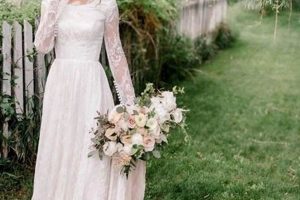
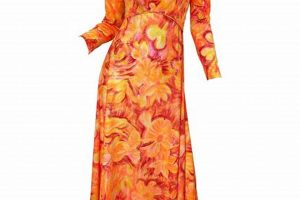
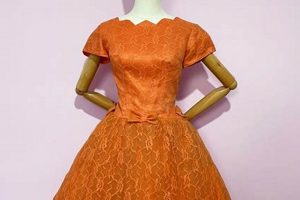
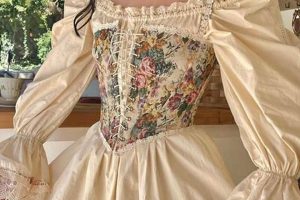
Garments crafted from flax fibers and reflecting design aesthetics of past eras represent a unique intersection of natural materials and historical fashion. These articles of clothing often showcase distinctive silhouettes, embellishments, and construction techniques characteristic of specific decades, providing a tangible link to bygone styles and sensibilities.
The appeal of such apparel lies in its breathable comfort, timeless elegance, and sustainable qualities. The durable nature of the textile, combined with the enduring charm of classic designs, ensures that these items can be cherished for generations. Historically, these garments offered practicality and style, reflecting the social and economic norms of their respective periods.
The following discussion will delve into the various aspects of sourcing, preserving, and styling these unique pieces, while also exploring the cultural significance and lasting impact of designs from prior decades.
Tips for Appreciating and Acquiring Linen Vintage Dresses
Considerations for identifying, selecting, and maintaining apparel combining natural fiber and design elements from earlier periods require careful attention. The following outlines essential guidance for enthusiasts and collectors.
Tip 1: Authenticate the Era: Thoroughly examine construction techniques, closures (zippers, buttons), and labels to verify the claimed era. Consult historical fashion resources to cross-reference details and identify potential inconsistencies.
Tip 2: Assess Fabric Integrity: Linen, while durable, can exhibit wear with age. Inspect for stains, fading, tears, and weakened areas. Subtle imperfections may be acceptable, but significant damage reduces value and longevity.
Tip 3: Evaluate the Design’s Significance: Understand the garment’s style in the context of its time. Recognize notable designers, popular silhouettes, and influential trends. This knowledge enhances appreciation and informs investment decisions.
Tip 4: Check Sizing and Fit: Vintage sizing often differs from modern standards. Obtain accurate measurements and compare them to the garment’s dimensions. Be prepared for potential alterations, factoring in the fabric’s limitations.
Tip 5: Consider Preservation Methods: Store these articles of clothing flat or on padded hangers in a cool, dark, and dry environment. Avoid direct sunlight and harsh chemicals. Professional cleaning is recommended for delicate or heavily soiled items.
Tip 6: Research the Seller’s Reputation: When purchasing online or from secondhand vendors, investigate their history and customer reviews. Request detailed photographs and descriptions. Scrutinize return policies and authentication guarantees.
Tip 7: Understand Price Variations: Value is influenced by condition, rarity, designer attribution, and provenance. Compare prices across multiple sources to establish a fair market assessment. Be wary of deals that seem too good to be true.
Adhering to these guidelines ensures informed choices when engaging with garments blending sustainable textiles and historically significant designs. Careful evaluation protects investment and maximizes enjoyment of these unique items.
This comprehensive knowledge base enables a more informed selection process. The succeeding section will discuss different eras of style to enhance appreciation and make knowledgeable purchases.
1. Fabric Quality

The inherent quality of the textile is paramount when evaluating an item composed of flax fibers and reflecting design elements from past eras. The longevity, drape, and overall aesthetic appeal are directly correlated with the quality of the raw materials and the weaving techniques employed during its production. For instance, older textiles from the pre-1940s often exhibit a tighter weave and a more substantial weight compared to later iterations, indicative of higher-grade flax and meticulous manufacturing processes. This superior quality directly impacts the garment’s resistance to wear and tear, its ability to maintain its shape, and its overall perceived value.
Degradation of the textile represents a significant challenge in preserving items. Factors such as prolonged exposure to sunlight, improper storage, and inadequate cleaning methods can accelerate the breakdown of fibers, leading to discoloration, weakening, and eventual disintegration. Conversely, instances of well-preserved garments showcase the resilience when cared for appropriately, demonstrating the importance of understanding and implementing correct preservation techniques. For example, a 1920s chemise dress might retain its original luster and structural integrity after a century, highlighting the enduring nature of high-quality material when coupled with diligent maintenance.
In summary, the textile’s intrinsic properties form the foundation upon which the value and preservability of these items are built. Recognizing the subtle nuances in the fiber’s structure, weave, and finish empowers collectors and enthusiasts to make informed decisions regarding acquisition, care, and long-term preservation. The understanding of textile integrity allows for a deeper appreciation of the craftsmanship and the enduring appeal of past eras.
2. Era Identification

Determining the specific historical period of a garment crafted from flax fibers is essential for accurate valuation, appropriate preservation, and informed stylistic interpretation. The design features, construction methods, and material characteristics serve as critical indicators, enabling informed classification and appreciation of pieces crafted from flax and styled according to historical aesthetics.
- Silhouette and Form
Changes in the shape and structure are indicative of specific decades. For example, the relaxed, tubular silhouette prevalent in the 1920s contrasts sharply with the cinched waist and full skirts of the 1950s. Analyzing the overall form allows for initial categorization. Pieces from the 1930s, may feature a bias cut, requiring greater weaving expertise.
- Embellishments and Detailing
The types of decorations and finishing touches employed offer valuable clues. Hand embroidery, lace insertion, and beadwork were common in earlier periods, while machine-made trims and synthetic embellishments became more prevalent in later decades. Scalloped edges and detailed seams indicate hand made pieces.
- Fastenings and Closures
The presence and style of zippers, buttons, hooks, and snaps can pinpoint a garment’s age. Early garments often utilized hand-sewn closures, while the introduction of metal zippers in the 1930s and nylon zippers in the 1960s marks distinct technological advancements. The zipper age is indicative of the overall era.
- Labeling and Manufacturing Information
The presence of labels, particularly those indicating designer names, union affiliations, or manufacturing locations, provides direct evidence of origin and period. However, the absence of a label does not preclude authenticity; many handmade or custom-made garments lack such markings. Research is needed to correlate this information.
Understanding the nuances of these elements allows for precise categorization and evaluation. By meticulously analyzing these aspects, collectors and enthusiasts can accurately assess the historical significance, and ultimately, enhance the appreciation of items blending sustainable textiles and historically significant designs.
3. Design Details

Specific elements in garments crafted from flax fibers significantly inform their historical context and aesthetic appeal. The features contribute to identification, valuation, and appreciation of designs from prior eras. These details extend beyond mere ornamentation; they reflect the prevailing social, economic, and technological conditions of the time.
- Seam Construction and Finishing
The methods used to join pieces of fabric reveal insights into manufacturing techniques and available technology. Hand-finished seams, intricate piping, and meticulous detailing signify higher levels of craftsmanship and are often indicative of pre-industrial or couture production. Conversely, serged edges and mass-produced elements suggest later manufacturing processes. Hand-sewn seams are less durable and require more care.
- Embroidery and Embellishments
The type, style, and application of embroidery and embellishments distinguish garments of different periods and social strata. Delicate hand-stitched embroidery, beadwork, and lace insertions reflect the skills and resources of affluent owners. Simpler, more utilitarian embellishments indicate practicality and accessibility. Placement and design motif are specific to different historical trends.
- Fastener Types and Placement
The types of closures used, including buttons, zippers, snaps, and hooks, provide chronological markers. Early garments relied on hand-sewn buttonholes and delicate hooks and eyes, while the introduction of metal zippers in the mid-20th century revolutionized garment construction. The material and the size of the hardware is correlated with the manufacturing time period.
- Lining and Interfacing Materials
The materials used for lining and interfacing reveal construction quality and the garment’s intended purpose. Natural fibers, such as cotton or silk, were common in earlier periods, while synthetic linings became prevalent in later decades. The presence and type of interfacing affect the garment’s structure and drape. The care needed will depend on the interfacing used.
In essence, design features serve as vital clues to a garment’s origin, purpose, and historical significance. Examining these attributes enables enthusiasts and collectors to make informed assessments, enhancing their appreciation of the craftsmanship and heritage associated with clothing of flax fibers from prior eras. The nuanced details tell the story of the piece.
4. Construction Integrity

The enduring appeal of vintage garments, particularly those fashioned from flax fibers, is inextricably linked to their structural soundness. Construction integrity, in this context, refers to the quality and durability of the garment’s seams, closures, and overall assembly. It is a primary determinant of a garment’s longevity and its ability to withstand the passage of time and the rigors of wear. For garments crafted decades ago, robust construction often signifies adherence to superior manufacturing standards and the utilization of more durable materials. For instance, a linen day dress from the 1940s, if meticulously sewn with reinforced seams and durable thread, is far more likely to remain wearable and retain its original form than a similar garment constructed with inferior techniques.
The degradation of construction integrity manifests in various ways, including weakened seams, frayed edges, and malfunctioning closures. These issues compromise the garment’s structural integrity and diminish its aesthetic value. The presence of such flaws necessitates repairs, which, if not executed skillfully, can further detract from the garment’s authenticity and value. Understanding construction integrity allows for informed decision-making during the acquisition and preservation processes. Prospective buyers can assess the quality of stitching, the type of closures used, and the presence of reinforcements in stress areas, thereby minimizing the risk of acquiring a garment with significant structural deficiencies. Similarly, preservation efforts can focus on reinforcing vulnerable areas and addressing minor repairs before they escalate into more substantial problems. An example would be restitching a loose seam to prevent further unraveling and potential fabric damage. This assessment includes examining the thread count used for seams, with higher thread counts signifying stronger, more durable construction.
In summary, construction integrity is a crucial attribute of vintage garments, directly influencing their longevity, aesthetic appeal, and overall value. A thorough understanding of construction methods and materials enables informed purchasing decisions, effective preservation strategies, and a deeper appreciation for the craftsmanship inherent in garments from prior eras. Recognizing and addressing construction-related issues are essential steps in safeguarding the value and longevity, ensuring these tangible pieces of history continue to be appreciated for generations to come.
5. Sizing Accuracy
The correlation between accurate dimensions and garments constructed from flax fibers and reflecting design aesthetics of previous eras is critical. Discrepancies between labeled measurements and actual fit can significantly detract from the garment’s wearability and aesthetic appeal. Sizing standards have evolved considerably over time, and what was designated as a “size 10” in the 1950s bears little resemblance to a contemporary size 10. Consequently, reliance on labeled sizes alone is insufficient when acquiring such items. The dimensional accuracy directly impacts the garment’s intended silhouette and drape, which are often key characteristics of its historical period. An improperly sized dress, even if authentic in design and fabric, may fail to capture the intended aesthetic.
Effective acquisition necessitates obtaining precise measurements of the garment itself and comparing these figures against the wearer’s body measurements. Specifically, bust, waist, hip, and shoulder width measurements must be accurate to ensure the garment aligns with the individual’s form. Further, consideration must be given to the garment’s construction and intended ease of movement. A bias-cut slip, for example, may require different fitting considerations than a structured A-line. A practical example is a 1960s shift where the bust measurement is crucial; too small, and the garment will not close; too large, and the intended sleek silhouette is lost. Alterations, while sometimes necessary, should be approached cautiously to avoid compromising the garment’s original design and construction. Significant adjustments may alter its historical integrity and reduce its value.
In conclusion, meticulous attention to dimensional accuracy is fundamental when acquiring garments combining sustainable textiles and historically significant designs. An awareness of evolving sizing standards, coupled with careful measurement practices, ensures that the garment not only fits comfortably but also accurately reflects the intended silhouette and style of its era. This process minimizes the need for extensive alterations, preserving the integrity and value of these unique pieces. The challenge lies in adapting contemporary expectations of fit to historical sizing norms, demanding a knowledgeable and discerning approach.
6. Preservation Needs

The longevity of vintage garments made from flax fibers hinges on adherence to stringent preservation protocols. The very nature of linen, while durable relative to other natural fibers, renders it susceptible to degradation from environmental factors, improper handling, and inappropriate storage. The impact of neglect is significant: discoloration, fiber weakening, and eventual disintegration become inevitable consequences. For example, a 1930s dress stored in direct sunlight will exhibit fading and fiber embrittlement within a relatively short period. Thus, understanding and addressing specific preservation needs becomes a critical component in maintaining the value and integrity of these historical textiles.
Implementing appropriate care practices translates directly into tangible benefits. Controlled environments, characterized by stable temperatures and humidity levels, mitigate the risk of mold growth and fiber distortion. Acid-free storage materials prevent chemical reactions that can weaken the fabric. Proper cleaning techniques, employing gentle detergents and avoiding harsh mechanical action, minimize the risk of fiber damage. The practice of rotating garments in storage and regular inspection for signs of pest infestation are further examples of practical applications. A collector diligently employing these measures can reasonably expect to extend the lifespan of a garment by decades, thereby safeguarding their investment and ensuring that the garment remains a viable example of its era.
The challenges associated with preserving these garments are multifaceted, ranging from the need for specialized knowledge to the costs associated with professional conservation. However, the overarching goal remains consistent: to mitigate the forces of deterioration and ensure that these tangible artifacts of fashion history are available for future generations to study and appreciate. By recognizing the inherent vulnerabilities of the material and implementing proactive preservation strategies, the enduring legacy of garments crafted from flax fibers can be secured.
7. Market Value
The economic worth of garments fashioned from flax fibers and exhibiting design characteristics of prior eras is a complex function of several inter-related factors. These determinants influence buyer willingness to pay and seller asking prices within the secondary market for these items.
- Rarity and Scarcity
Limited availability significantly impacts the valuation of garments made from linen and crafted in bygone styles. Unique designs, items from renowned designers, or those representing significant moments in fashion history command premium prices due to their infrequent appearance in the market. A dress worn by a celebrity, for example, would increase desirability and value due to scarcity.
- Condition and Preservation
The physical state of such items strongly affects their economic value. Garments exhibiting minimal wear, intact seams, and original closures command higher prices than those with significant damage or alterations. Well-preserved examples demonstrate the durability and care taken to maintain the linen. A vintage dress in excellent condition will have higher value than one with fading or damage.
- Historical Significance and Provenance
Garments associated with notable individuals, historical events, or cultural movements often command higher prices due to their inherent storytelling value. A dress documenting women’s liberation, with photos to prove it, would have higher monetary and cultural value. Documented provenance or established origin can substantially elevate the market value.
- Demand and Fashion Trends
Consumer preferences and prevailing aesthetic tastes directly influence the perceived value of garments from prior eras. A resurgence in interest for a particular decade or designer can drive up demand and corresponding prices for garments reflecting that style. The shift in focus will change what styles are most valuable. High demand will translate to higher sales price.
These considerations highlight the multifaceted nature of the market valuation for apparel combining sustainable textiles and historically significant designs. Comprehending these value drivers is essential for both collectors and sellers seeking to engage in informed transactions. Ultimately, the market reflects a confluence of historical, aesthetic, and economic factors.
Frequently Asked Questions About Linen Vintage Dresses
The following addresses common inquiries regarding the acquisition, preservation, and valuation of garments crafted from flax fibers and reflecting design aesthetics of previous eras.
Question 1: How can the authenticity of an item described as an “linen vintage dress” be verified?
Authenticity verification necessitates examining construction techniques, fabric composition, closures (zippers, buttons), and any existing labels. These elements should align with manufacturing practices and styles prevalent during the claimed era. Consultation with historical fashion resources and expert appraisal may be required.
Question 2: What are the primary factors that contribute to the valuation of an “linen vintage dress?”
Valuation is contingent upon several factors, including rarity, condition, provenance (historical ownership), designer attribution (if applicable), and prevailing market demand. Pristine examples from renowned designers command higher prices.
Question 3: What are the optimal storage conditions for preserving an “linen vintage dress?”
Ideal storage involves a cool, dark, and dry environment. Garments should be stored flat or on padded hangers to prevent distortion. Acid-free tissue paper should be used for padding. Avoid direct sunlight and prolonged exposure to humidity.
Question 4: What cleaning methods are appropriate for an “linen vintage dress?”
Professional dry cleaning, utilizing techniques specifically designed for delicate textiles, is generally recommended. Hand washing with a mild, pH-neutral detergent may be considered for less delicate items. Avoid harsh chemicals, bleach, and machine washing.
Question 5: How can repairs be addressed on an “linen vintage dress” without compromising its historical integrity?
Repairs should be undertaken by experienced textile conservators. Use matching or historically appropriate materials. Prioritize minimal intervention to maintain the garment’s original construction and aesthetic. Avoid modern techniques that could alter fabric integrity.
Question 6: How do vintage sizing standards differ from contemporary sizing, and what considerations should be made when purchasing an “linen vintage dress?”
Vintage sizing often differs significantly from modern standards. Obtain accurate measurements of the garment and compare them to the wearer’s body measurements. Be prepared for potential alterations, recognizing that significant adjustments may compromise the garment’s original design.
Proper evaluation, handling, and preservation extend the lifespan and protect the value of these garments. Ignoring these factors leads to diminished quality and potential loss.
The following section provides styling tips for these unique and historically significant items.
In Conclusion
The preceding discussion has explored diverse facets of linen vintage dresses, emphasizing their historical significance, material properties, construction details, preservation requirements, and economic valuation. These garments represent a tangible link to past eras, embodying design aesthetics and manufacturing techniques that reflect evolving social and economic contexts. Appreciation requires a nuanced understanding of authenticity, condition, and proper care.
Continued study of these artifacts is essential to preserve them for future generations. Collectors, historians, and fashion enthusiasts are encouraged to adopt meticulous preservation practices, fostering a greater awareness of the cultural and economic importance of these items, ensuring this piece of history will live on.