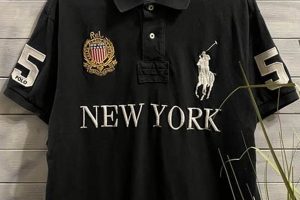
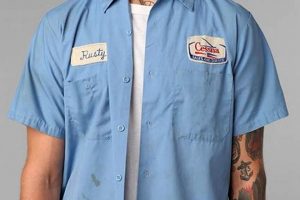
These garments are characterized by their distinctive closures, employing simulated or genuine pearls affixed to snap fasteners. Typically crafted from materials such as cotton, rayon, or blends thereof, these shirts frequently feature decorative elements like yokes, piping, and embroidered motifs inspired by Southwestern or ranching themes. Examples include shirts from brands like H Bar C, Panhandle Slim, and Levi’s Western Wear produced prior to the 1980s.
The appeal of these shirts resides in their embodiment of a specific era and aesthetic. They represent a tangible connection to the American West, evoking images of cowboys, country music icons, and mid-century Americana. Their durable construction, coupled with their distinctive design, makes them both practical and visually appealing. The historical significance of these garments contributes to their collectible nature and enduring popularity.
Subsequent discussions will delve into factors influencing value, methods for identifying authentic examples, proper care and maintenance techniques, and potential avenues for acquiring these sought-after pieces. Furthermore, consideration will be given to current trends and how these garments are being incorporated into contemporary fashion.
Tips Regarding Authenticating and Preserving Western Shirts
The following guidelines are intended to assist in the accurate identification, valuation, and preservation of these collectible garments. Attention to detail and a thorough understanding of construction techniques are paramount.
Tip 1: Examine the Pearl Snaps: Original shirts typically utilize pearl snaps with a consistent sheen and secure attachment. Replacements or mismatched snaps can indicate repairs or alterations, potentially impacting value.
Tip 2: Assess Fabric and Construction: Authentic garments from earlier eras often feature higher-quality fabrics and more intricate stitching. Inspect seams, yokes, and collars for signs of wear, but also for the quality of the original construction.
Tip 3: Research Brand and Era: Familiarity with prominent manufacturers and their identifying characteristics, such as specific labels or design features associated with particular periods, is crucial for accurate dating.
Tip 4: Consider the Yoke Design: Intricate yokes, often embellished with embroidery or contrasting piping, are a hallmark of many styles. Note the complexity and condition of the yoke, as this feature significantly contributes to the garment’s overall aesthetic appeal.
Tip 5: Evaluate Condition Carefully: While minor imperfections may be acceptable, significant damage, such as tears, stains, or fading, will substantially reduce the shirt’s value. Proper storage and cleaning techniques are vital to prevent deterioration.
Tip 6: Check for Original Labels and Tags: The presence of original labels and tags can greatly enhance the garment’s desirability and provide valuable information regarding its manufacturer, fabric content, and care instructions.
Tip 7: Scrutinize the Stitching: Examine the stitching throughout the shirt. Original shirts often have distinct stitching patterns and thread types that can indicate authenticity and era of production.
Adherence to these recommendations will facilitate informed purchasing decisions and ensure the proper care and maintenance of these historically significant articles of clothing. Recognizing variations in design and manufacturing techniques can help in establishing both authenticity and assessing fair market value.
The subsequent sections will elaborate on specific brands and their unique contributions to this distinctive style of Western apparel.
1. Construction techniques

The construction techniques employed in the creation of these shirts directly correlate with their durability, aesthetic appeal, and historical value. The choice of stitching methods, seam finishes, and overall garment assembly significantly impacts the shirt’s longevity and authenticity. For instance, shirts produced prior to the widespread adoption of serging often exhibit single-needle tailoring, characterized by clean, precisely aligned seams. This method, while time-consuming, results in a stronger and more refined garment. Conversely, later shirts may utilize serged seams, a faster and less expensive technique indicative of mass production. The presence of single-needle tailoring can thus serve as an indicator of an earlier production date and potentially higher quality.
The type of stitching used in yokes and decorative elements also provides valuable information. Intricate embroidery or decorative piping applied with meticulous attention to detail suggests a higher level of craftsmanship. Additionally, the manner in which the pearl snaps are attachedwhether sewn by hand or machinecan differentiate between bespoke and mass-produced items. Examining the fabric grain direction, the precise alignment of patterns (if present), and the reinforcement of stress points are all crucial aspects of construction that reveal the quality and care taken during manufacture. For example, reinforcing the shoulder and side seams with bartack stitching indicates attention to durability and reinforces the overall integrity of the garment.
In conclusion, the construction techniques employed in men’s vintage pearl snap western shirts offer a tangible link to their era of production and manufacturing processes. Understanding these methods allows collectors and enthusiasts to assess authenticity, evaluate quality, and appreciate the historical context of these garments. The shift from meticulous handcrafting to mechanized mass production is evident in the evolving construction techniques, highlighting the dynamic relationship between manufacturing technology and design. Examining stitching, seams, and overall assembly offers insight into the shirt’s origin, allowing for better evaluation of its value and authenticity.
2. Fabric origins
The selection of textiles profoundly influences the character and value of vintage Western shirts. Fabric origin dictates not only the garment’s drape and feel but also its durability and overall aesthetic. Early examples often utilized cotton or rayon, sourced either domestically or internationally, reflecting prevailing trade routes and manufacturing capabilities. The specific weave and weight of these fabrics contributed significantly to the shirt’s suitability for work or leisure. For instance, a tightly woven cotton twill provided resilience for ranch work, whereas a lightweight rayon offered comfort in warmer climates. The geographical origin of these raw materials, from Southern cotton plantations to Japanese rayon mills, impacted the textile’s quality and subsequent garment construction. Recognizing the fabrics provenance provides vital clues about the shirts intended purpose and its place in the broader socio-economic landscape.
Consider, as an example, the frequent use of chambray in work shirts. This durable cotton fabric, often originating from Europe or the American South, provided the necessary strength and breathability for strenuous outdoor labor. Conversely, dress shirts frequently featured rayon or silk blends, indicative of a more formal or celebratory occasion. The origin and composition of these fabrics are often discernible through careful examination of the weave, color, and texture. Furthermore, the presence of specific dyes, such as indigo or aniline dyes, can further pinpoint the shirt’s age and origin. Understanding textile trade routes and manufacturing practices of the era helps collectors and enthusiasts accurately assess a shirt’s authenticity and value. The interplay between textile availability and fashion trends influenced the designs and styles prevalent in different regions and time periods.
In conclusion, tracing the fabric origins of these shirts offers critical insights into their history and construction. This understanding enables a more nuanced assessment of a shirt’s authenticity, value, and intended use. The challenges associated with accurate identification lie in the limited documentation and potential for misrepresentation. Nevertheless, a thorough examination of fabric characteristics, coupled with knowledge of historical textile production and trade, provides a solid foundation for appreciating the significance of these garments within the broader context of American Western wear. Appreciating fabric origins unlocks deeper insights into historical garment quality and cultural context, improving informed assessments and appreciation.
3. Snap variations
The design and composition of snap fasteners represent a critical, often overlooked, detail that directly influences the authentication and valuation of shirts. Variations in snap construction, materials, and aesthetics serve as chronological markers, indicative of specific manufacturing periods and brands. Early iterations frequently employed genuine mother-of-pearl, sourced from marine mollusks, prized for their iridescence and natural variations. Simpler designs utilized plastic imitations to reduce costs as time went on. The size, shape, and method of attachment, whether prong-set or riveted, represent subtle yet crucial differentiating factors that help determine a shirts vintage and authenticity. These small details offers a means of detecting alterations and reproductions, making snap variations an indispensable area of expertise for serious collectors.
Consider, for example, the evolution of snaps used by the prominent Western wear manufacturer, H Bar C. Early H Bar C shirts frequently featured snaps with a distinct “cat’s eye” appearance, characterized by a central, darker spot resembling a feline pupil. Later, H Bar C transitioned to snaps that had a more consistent pearly sheen. The detection of a “cat’s eye” snap on a shirt bearing a later-era label immediately suggests an alteration or replacement. Similarly, the use of plastic snaps on what appears to be an early shirt also raises red flags, undermining the garment’s presumed authenticity. Furthermore, the presence of rust or corrosion on the metal components of the snap can provide insights into storage conditions and overall garment care. The absence of a maker’s mark, or the use of a generic snap, also diminishes the shirt’s authenticity.
In summary, the assessment of snap variations is paramount for accurately evaluating a vintage pearl snap Western shirt. The minute details regarding materials, design, and attachment method offer essential data points that aid in distinguishing originals from reproductions or altered pieces. While no single detail should be considered definitive, snap variations, in conjunction with other authentication criteria, represent a vital element in discerning the shirt’s historical value. A thorough understanding of snap production, manufacturing methods, and the specific characteristics of different brands provides a critical advantage for any enthusiast or collector seeking to acquire authentic and valuable shirts.
4. Yoke embellishments

Yoke embellishments constitute a defining characteristic, significantly influencing both aesthetic appeal and perceived value. These decorative elements, typically applied to the shoulders and upper back of the garment, range from simple contrasting fabrics to elaborate embroidery, piping, or fringe. The presence, quality, and style of yoke embellishments provide critical insights into the shirt’s origin, manufacturing period, and intended market. Consequently, a thorough understanding of yoke embellishment techniques is essential for accurately assessing the authenticity and historical significance of vintage pearl snap western shirts.
Elaborate embroidery on the yoke, for example, often signifies a higher-quality shirt intended for dressier occasions. Consider vintage shirts manufactured by Nudie’s Rodeo Tailors, renowned for their extravagant designs featuring intricate chain-stitch embroidery depicting Western themes, such as bucking broncos, cacti, and floral motifs. These highly sought-after shirts exemplify how yoke embellishments can elevate a garment from mere clothing to a collectible piece of art. Conversely, a shirt with a simple contrasting yoke, perhaps made of plain cotton or a basic twill, suggests a more utilitarian design intended for everyday wear. Examining the stitches, materials, and craftsmanship of the yoke embellishments helps to discern the intended purpose and inherent value.
In conclusion, yoke embellishments represent an integral component of the broader aesthetic and historical context of these shirts. Recognizing the nuances of different styles, materials, and techniques provides a valuable tool for collectors, historians, and enthusiasts. While challenges exist in accurately dating and attributing embellishments to specific manufacturers or periods, a comprehensive understanding of these decorative elements enriches the appreciation of these unique articles of clothing. The careful study of yoke embellishments provides meaningful context, unlocking greater understanding and appreciation for this garment.
5. Brand identification

Accurate brand identification stands as a cornerstone in determining the value, authenticity, and historical context of these shirts. Knowing the manufacturer unlocks a wealth of information regarding manufacturing techniques, materials used, and intended market, essential for both collectors and historians.
- Label Examination
The shirt’s label provides primary brand identification. Details such as font style, logo design, and construction materials of the label offer clues to its authenticity. Variations in labels used by a single manufacturer across different eras can further refine dating efforts. Missing or damaged labels create challenges in determining origin, potentially impacting valuation.
- Manufacturing Codes
Many manufacturers incorporated alphanumeric codes into the garment’s construction or on attached tags. These codes may reference the production facility, date of manufacture, or specific fabric composition. Deciphering these codes, if available, provides definitive confirmation of the shirt’s provenance and production timeline.
- Design Characteristics
Certain brands developed distinctive design elements, such as specific yoke patterns, pocket shapes, or stitching styles. These recurring features, when matched with documented brand history, aid in identifying shirts where labels are absent. Knowledge of these brand-specific markers enhances the ability to discern authentic pieces from reproductions.
- Historical Advertising
Reviewing vintage catalogs, advertisements, and promotional materials associated with specific manufacturers can confirm design attributes, fabric choices, and targeted consumer demographics. Matching shirt characteristics to documented advertising campaigns solidifies brand identification and contextualizes the garment within its original market.
Therefore, thorough brand identification, utilizing label analysis, manufacturing code decryption, design characteristic recognition, and historical advertising comparisons, provides a comprehensive approach to establishing the authenticity and value of these garments. Successfully identifying the brand contributes significantly to appreciating its historical importance and collector’s value.
Frequently Asked Questions About Men’s Vintage Pearl Snap Western Shirts
The following questions and answers address common inquiries regarding the identification, valuation, and care of these distinctive garments. The intention is to provide clear, concise information to assist both collectors and enthusiasts.
Question 1: What distinguishes a truly vintage pearl snap Western shirt from a modern reproduction?
Authentic shirts predate mass production techniques. Key indicators include single-needle tailoring, fabric composition (often cotton or rayon blends), and distinctive snap designs. Modern reproductions frequently utilize serged seams, synthetic fabrics, and generic snap fasteners.
Question 2: How does the brand influence the value of the shirt?
Established brands with a strong historical presence, such as H Bar C, Levi’s Western Wear, and Panhandle Slim, generally command higher prices. Rarity, design complexity, and overall condition all contribute significantly to market value.
Question 3: What are the key factors in assessing the condition of a vintage shirt?
Evaluate fabric integrity, stitching soundness, and snap functionality. The presence of stains, tears, or significant fading detracts from value. Original labels and tags considerably enhance desirability.
Question 4: How should these shirts be properly cleaned and stored to prevent damage?
Gentle hand washing or professional dry cleaning are recommended. Avoid harsh detergents and excessive heat. Store shirts in a cool, dry location away from direct sunlight to prevent fading and deterioration.
Question 5: Are shirts with altered or replaced snaps still considered valuable?
Originality significantly impacts value. Replaced snaps diminish authenticity unless the replacements are period-correct and professionally installed. Full disclosure of any alterations is essential.
Question 6: Where can one reliably acquire authentic examples of these shirts?
Reputable vintage clothing stores, online auction sites specializing in vintage apparel, and estate sales offer potential avenues for acquisition. Thoroughly research the seller’s reputation and examine detailed product descriptions and photographs prior to purchase.
In conclusion, the accurate identification, proper care, and responsible acquisition of vintage pearl snap western shirts require diligence and informed decision-making. Understanding manufacturing nuances and aesthetic values contributes to appreciation and investment potential.
The subsequent section will provide guidance on incorporating these garments into contemporary fashion styles.
Conclusion
The preceding examination has detailed key aspects related to men’s vintage pearl snap western shirts, covering their definition, historical context, authentication methods, care requirements, and brand significance. Emphasis has been placed on the importance of meticulous observation, informed decision-making, and a thorough understanding of manufacturing processes to appreciate their worth and legitimacy.
As interest in vintage apparel continues to grow, pursuing these shirts demands diligence and informed investment. Whether for historical preservation, personal style, or as a unique collection, understanding the details of construction, fabric, and brand strengthens the enthusiast’s appreciation and ability to curate a historically significant wardrobe.