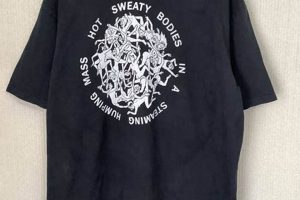
An article of clothing featuring the iconic cartoon character predating the 1970s, typically a t-shirt, falls into this category. Such items often exhibit characteristics of age, such as fading, cracking of the print, or a specific fabric type common to earlier decades. As an example, a faded black tee with a distressed graphic of the character dating back to the 1960s would be considered such an item.
These garments hold value as collectibles, appealing to enthusiasts of vintage clothing, cartoon history, and popular culture memorabilia. Their appeal lies in their rarity, connection to a specific era, and the nostalgia associated with a beloved animated figure. They represent a tangible link to the past and can serve as conversation starters and expressions of individual style.
The subsequent sections will delve into the identification of authentic examples, the factors influencing their market value, and tips for care and preservation of these historically significant apparel items. Attention will be given to common variations, printing techniques, and the evolution of the character’s image on such merchandise over time.
Guidance Regarding Authentic Older Felix Apparel
The following recommendations offer valuable insights for those seeking to acquire or maintain genuine vintage examples featuring the cartoon character. These guidelines aim to provide clarity and prevent misidentification, ensuring informed decisions.
Tip 1: Examine Fabric Composition: Older t-shirts frequently utilize single-stitch construction and 100% cotton fabric. Modern reproductions often employ blended fabrics or double-stitched seams. The presence of a single-stitch seam is a strong indicator of vintage origin.
Tip 2: Scrutinize Printing Techniques: Screen printing was the prevalent method. Inspect the graphic for signs of cracking, fading, or ink layering, characteristics typically found on older, worn prints. Modern digital prints often exhibit a smoother, more uniform appearance.
Tip 3: Verify Label Information: Research vintage clothing label databases to confirm the authenticity of the label present. Match the label style, font, and manufacturing information to the era the item purports to represent. Mismatched or incorrect labels suggest a reproduction.
Tip 4: Assess Graphic Design and Copyright Dates: Compare the graphic design to known examples of authorized character merchandise from specific periods. Look for copyright dates or trademark symbols that align with the supposed age. Anachronistic designs are cause for skepticism.
Tip 5: Consider Overall Condition Carefully: While wear and tear are expected in vintage items, assess the extent of damage. Excessive staining, tearing, or alterations can significantly diminish value and authenticity. Balance the item’s age with its present state.
Tip 6: Seek Expert Appraisal: When uncertain about the genuineness of a potential acquisition, consult with a reputable vintage clothing dealer or appraiser. Their expertise can provide an objective assessment and prevent costly mistakes.
Tip 7: Preserve Carefully: To maintain its condition, store in a cool, dry, dark environment, and avoid direct sunlight. Hand-wash with mild detergent and air dry. Professional archival cleaning services can also be considered for delicate or valuable pieces.
Adhering to these guidelines aids in distinguishing authentic historical apparel from modern imitations and ensures the long-term preservation of these culturally significant artifacts.
The subsequent discussion will address the evolution of the cartoon character’s image within different eras of merchandise and its effect on collectibility.
1. Authenticity

Establishing the genuineness of a pre-owned garment featuring the iconic cartoon feline is paramount in determining its value and collectibility. The verification of its authenticity separates a genuinely vintage item from a modern reproduction or imitation, impacting its historical significance and monetary worth.
- Fabric Composition and Construction
The types of materials used and the methods of construction employed are indicators of age. Older t-shirts frequently consist of 100% cotton and utilize single-needle stitching. Modern replicas often incorporate blended fabrics and double-needle stitching techniques. Examining the fabric content and seam construction offers clues to its true age.
- Printing Techniques
Vintage examples typically feature screen-printed graphics. This process often results in a characteristic cracking or fading of the design over time. Modern printing methods, such as direct-to-garment printing, produce a smoother, more uniform image. The presence of specific printing characteristics associated with historical techniques is critical in validating authenticity.
- Label Analysis
Clothing labels provide valuable information regarding the manufacturer, fabric content, and care instructions. Researching historical label databases allows for verification of the label’s design, font, and information against established benchmarks for specific eras. Inconsistencies between the label and the purported age of the garment cast doubt on its authenticity.
- Copyright and Trademark Markings
Official merchandise often displays copyright or trademark notices indicating the legal ownership of the character’s image. Analyzing these markings and comparing them to known historical records is essential. The absence of such markings, or the presence of incorrect or anachronistic information, suggests a potential lack of authenticity.
These interconnected aspects of verification establish the legitimacy of a garment featuring the iconic cartoon figure. Through careful assessment of fabric, printing, labels, and copyright data, a definitive determination can be made, safeguarding the integrity and value of these sought-after collectibles.
2. Rarity
The scarcity of a vintage apparel featuring the character significantly influences its desirability and market value. Rarity, in this context, encompasses several factors that limit the availability of a particular design or style, contributing to its increased appeal among collectors and enthusiasts.
- Limited Production Runs
Certain designs or promotional apparel were produced in smaller quantities, intentionally or due to limited-time offers or special events. A t-shirt distributed exclusively at a convention in the 1950s, for example, would be inherently rarer than a design widely available in retail stores. The fewer examples that initially existed, the more sought after they become over time.
- Specific Manufacturing Periods
The character’s imagery and the styles of clothing featuring it evolved over the decades. A shirt produced only within a narrow timeframe, such as during a specific animation studio’s tenure or a particular licensing agreement, possesses limited availability. Designs tied to a specific historical period become scarcer as time passes.
- Regional Availability
Some examples were only sold in specific geographic regions, limiting their overall distribution. A shirt sold exclusively at a theme park on the West Coast would be less common than those distributed nationally. This regional constraint contributes to rarity for collectors outside the original area.
- Unique Design Elements
Variations in color, printing errors, or unique graphic elements contribute to the scarcity of a specific item. A shirt with a misprinted graphic, for example, might be considered a rare and valuable variant. These anomalies set certain items apart from standard production runs, adding to their collectibility.
The interplay of limited production, temporal specificity, regional constraints, and design variations collectively determines the scarcity of garments featuring the iconic character. Consequently, these rarity factors are crucial in the valuation and appreciation of these vintage pieces, establishing them as prized possessions within the collector community.
3. Condition

The physical state of a pre-owned shirt featuring the animated character is a primary determinant of its desirability and monetary worth. While age inherently implies some degree of wear, the extent and nature of that wear significantly affect its appeal to collectors.
- Fabric Integrity
The presence of holes, tears, or excessive thinning of the fabric substantially diminishes value. Minor imperfections, such as small stains or slight fading, are often tolerated, particularly in older examples. However, compromised structural integrity reduces the item’s longevity and collectibility. A shirt with intact fabric, free from significant damage, commands a premium.
- Graphic Quality
The condition of the printed graphic is critical. Cracking, peeling, or significant fading of the design negatively impacts its visual appeal. A well-preserved graphic, exhibiting minimal degradation, enhances the garment’s value. The clarity and completeness of the printed image are key factors in assessing its condition.
- Color Retention
Fading or discoloration of the fabric reduces aesthetic appeal. Shirts that have retained their original color vibrancy are more desirable. Exposure to sunlight, improper washing techniques, and prolonged storage can lead to color loss. The degree to which the original colors have been preserved directly influences its market value.
- Staining and Discoloration
The presence of stains, particularly those that are difficult or impossible to remove, detracts from its overall condition. Yellowing or discoloration due to age or improper storage also diminishes its attractiveness. A shirt free from significant staining or discoloration is considered to be in superior condition.
These elements of physical condition collectively determine the overall appeal and value of vintage apparel featuring the cartoon icon. A shirt exhibiting minimal wear, a well-preserved graphic, vibrant colors, and the absence of significant damage represents the most desirable state for collectors and enthusiasts.
4. Era
The period in which a shirt featuring the animated character was produced exerts a substantial influence on its appeal and value within the vintage market. The era dictates the style, materials, printing techniques, and overall aesthetic, reflecting the prevailing trends and cultural context of the time.
- 1920s-1930s: Early Animation Era
Shirts from this era are exceedingly rare, often handmade or featuring rudimentary printing techniques. They represent the character’s initial rise to prominence in silent films and early animation. Examples might include simple designs on cotton or linen, reflecting the textile availability of the time. Their rarity and historical significance command premium prices among serious collectors.
- 1940s-1950s: Post-War Popularity
This period saw the wider distribution of merchandise through licensed manufacturers. Shirts from this era may feature bolder graphics, reflecting the character’s continued presence in comic books and animated shorts. Fabric blends might begin to appear, alongside improved printing methods. These shirts represent a key period in the character’s commercialization.
- 1960s-1970s: Pop Art and Counterculture
Shirts from this era often reflect the evolving aesthetic of pop art and counterculture movements. Designs may be more psychedelic or experimental, featuring unconventional color schemes and graphic layouts. Synthetic fabrics become more common. This era represents a shift in design sensibilities and the integration of the character into contemporary trends.
- 1980s-1990s: Nostalgia and Revival
This period saw a resurgence of interest in classic cartoons, leading to a renewed production of merchandise. Shirts from this era often feature designs that evoke the character’s earlier appearances. Fabric blends and modern printing techniques are prevalent. These shirts cater to a growing nostalgia for vintage pop culture.
The specific period in which a garment featuring the feline was manufactured profoundly shapes its design, materials, and overall appeal. Each era reflects distinct cultural trends and production methods, contributing to the unique value and historical significance of these sought-after vintage items.
5. Graphics

The visual depictions featured on pre-owned apparel centered on the cartoon character are central to their desirability and value. The design, style, and condition of these graphics directly correlate with the item’s historical significance and collectibility. Authentic vintage examples often exhibit specific artistic styles and printing techniques characteristic of their respective eras. The presence of unique or rare graphics significantly elevates a shirt’s market price. For instance, a shirt displaying an early, lesser-known rendering of the character, particularly if printed using techniques prevalent in the 1920s or 1930s, would be considered exceptionally valuable due to its unique graphic representation and historical context. Conversely, a heavily faded or damaged graphic, even on an otherwise authentic garment, would diminish its desirability.
The evolution of the visual representation on apparel reflects the changing artistic styles and printing technologies of different periods. Earlier shirts often feature simple, hand-drawn designs, while later examples may incorporate more complex and colorful graphics. Examining the graphic style allows for the dating of the shirt and provides insight into the artistic trends of the time. For instance, a shirt with a bold, pop-art inspired rendering of the character likely originates from the 1960s or 1970s, while a shirt with a more traditional, cartoonish depiction may be from an earlier era. The graphic serves as a visual marker of the period in which the garment was produced, further enhancing its historical and cultural value.
In conclusion, the graphics are an integral component of garments featuring the animated icon. Their style, condition, and rarity significantly impact the item’s value and appeal. Understanding the evolution of the character’s visual representation across different eras enables collectors and enthusiasts to identify authentic examples and appreciate the historical significance of these sought-after items. The graphic serves as a tangible link to the past, representing both the character’s enduring popularity and the artistic trends of their time. The preservation and study of these graphics contribute to a broader understanding of cartoon history and popular culture.
6. Licensing

The presence of official licensing significantly impacts the value and authenticity of apparel featuring the cartoon character. Authorization from the copyright holder, typically King Features Syndicate or related entities, demonstrates that the garment was produced with legal permission, ensuring adherence to quality standards and artistic integrity. Consequently, items lacking verifiable licensing documentation are often considered reproductions or unauthorized merchandise, diminishing their collectibility and monetary worth. For example, a shirt prominently displaying a registered trademark symbol alongside the copyright year of the relevant licensing agency provides a strong indication of its authorized production.
Licensing agreements dictate design parameters, ensuring the character’s accurate portrayal and preventing unauthorized alterations. Licensed manufacturers were subject to quality control measures, resulting in consistent print quality and durable materials. The absence of licensed markings may indicate substandard materials, inaccurate character depictions, or design variations inconsistent with officially approved artwork. Examining the garment for appropriate copyright notices, trademark symbols, and manufacturer information provides critical evidence of its licensed status. The identification of official Screen Gems or King Features Syndicate markings significantly increases a shirt’s desirability among collectors, confirming its provenance and adherence to established standards.
In summation, licensing serves as a pivotal factor in determining the authenticity, quality, and collectibility of garments featuring the iconic cartoon feline. Official authorization ensures accurate character portrayal, adherence to quality standards, and verifiable historical provenance. The presence of appropriate licensing markings and documentation significantly enhances the value and desirability of vintage examples, distinguishing them from unauthorized reproductions or imitations. Understanding the significance of licensing enables collectors and enthusiasts to make informed acquisitions, safeguarding their investment and preserving the integrity of these culturally significant artifacts.
Frequently Asked Questions
The following section addresses common inquiries regarding garments featuring the iconic cartoon character, providing concise and informative responses to aid in identification, valuation, and preservation.
Question 1: How can an authentic vintage shirt featuring the cartoon feline be distinguished from a modern reproduction?
Answer: Authentic vintage shirts typically exhibit single-stitch construction, utilize 100% cotton fabric, and feature screen-printed graphics. Modern reproductions often incorporate blended fabrics, double-stitched seams, and direct-to-garment printing techniques. Examining these construction and printing details provides valuable clues regarding age and authenticity.
Question 2: What factors influence the market value of a collectible garment depicting the animated character?
Answer: Market value is determined by authenticity, rarity, condition, era of production, graphic design, and the presence of official licensing. Rare designs in excellent condition from the character’s peak popularity (1920s-1960s) command higher prices. Official licensing further validates its legitimacy.
Question 3: What are the best practices for preserving these delicate pieces?
Answer: Proper preservation involves storing in a cool, dry, dark environment, away from direct sunlight. Hand-washing with mild detergent and air-drying are recommended. Professional archival cleaning services may be considered for delicate or valuable items.
Question 4: Where can reliable information for identifying authentic merchandise featuring the character be found?
Answer: Reputable vintage clothing dealers, vintage label databases, and historical archives related to animation and merchandising offer valuable resources. Consulting with experts in the field provides objective assessments.
Question 5: How does the condition of the graphic influence its value?
Answer: A well-preserved graphic with minimal cracking, fading, or peeling significantly enhances value. Heavy damage to the graphic detracts from the garment’s desirability, even if the shirt is otherwise authentic and in good condition.
Question 6: What role does official licensing play in determining its worth?
Answer: Official licensing from entities like King Features Syndicate validates the garment’s authenticity and adherence to quality standards. The presence of copyright notices, trademark symbols, and manufacturer information indicative of official licensing significantly increases its collectibility.
In conclusion, careful evaluation of construction, printing, graphics, and licensing, coupled with appropriate preservation techniques, ensures the identification, valuation, and protection of these historically significant pieces of apparel.
The following section will address advanced topics related to specific variations in the design of these vintage items and their implications for collectors.
Conclusion
The preceding analysis has elucidated the multi-faceted aspects influencing the identification, valuation, and preservation of a “vintage felix the cat shirt.” Authenticity, rarity, condition, era, graphics, and licensing converge to determine the significance of these artifacts within the realms of both vintage apparel and cartoon history.
Continued research and diligent application of the outlined principles are essential for discerning genuine examples, maintaining their historical integrity, and appreciating their enduring cultural impact. The careful stewardship of these items ensures their continued relevance and accessibility for future generations of collectors and enthusiasts.