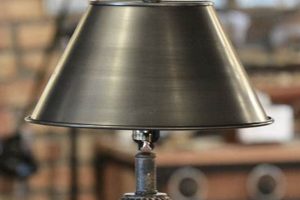
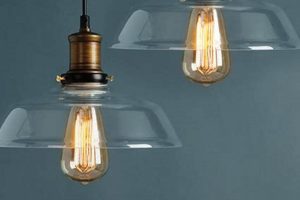
These lighting fixtures, produced by Wildwood Lamps, evoke a sense of history and classic design. They are recognizable for their craftsmanship and often incorporate traditional materials such as wood, porcelain, or metal. As collectibles, their value is derived from age, condition, rarity, and the desirability of the design. One might find a porcelain table lamp with floral motifs from the mid-20th century classified within this category.
The appeal of these objects stems from their aesthetic qualities, serving as a blend of functionality and decorative art. They provide illumination while simultaneously contributing to the ambiance of a room. Historically, collecting these lamps provides insight into past design trends and manufacturing techniques. Furthermore, preserving these pieces ensures that the craftsmanship of a bygone era is not forgotten.
The subsequent sections will delve into the various aspects of identifying, valuing, and preserving Wildwood lamps from the past, providing guidance for enthusiasts and collectors. This includes evaluating design elements, understanding the significance of marks and labels, and implementing appropriate conservation techniques.
Acquiring and maintaining these lighting fixtures necessitates a discerning approach. The following guidelines aim to assist enthusiasts in making informed decisions, ensuring both the authenticity and preservation of prized possessions.
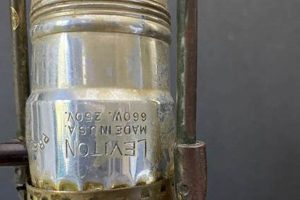
Tip 1: Verify Authenticity Through Markings: Examine the base, socket, or shade for manufacturer’s marks or labels. Wildwood Lamps typically included identifying marks, which can be cross-referenced with company archives or collector’s guides to confirm the item’s origin.
Tip 2: Assess Condition Critically: Evaluate the lamp’s condition, noting any damage such as cracks, chips, or discoloration. Original components and undamaged finishes contribute significantly to value. Repairs should be documented transparently.
Tip 3: Research Design Characteristics: Familiarize oneself with popular designs and styles from different periods. Recognizing design trends associated with Wildwood Lamps aids in identifying potential reproductions or altered pieces.
Tip 4: Investigate Wiring and Electrical Components: Prioritize safety by ensuring the wiring and electrical components are in safe working order. Consider having the lamp rewired by a qualified professional if there are any signs of wear or damage.
Tip 5: Document Provenance Where Possible: Obtain any available documentation regarding the lamp’s history, previous ownership, or restoration work. Provenance enhances the item’s value and provides a narrative of its journey.
Tip 6: Understand Market Values: Research comparable sales of similar lamps in terms of style, condition, and age. Consult auction records, antique price guides, and expert appraisals to establish a fair market value.
Tip 7: Preserve the Original Finish: Avoid harsh cleaning agents or abrasive materials that could damage the lamp’s finish. Gentle cleaning with a soft cloth is generally recommended to maintain its original appearance.
These tips underscore the importance of careful examination, thorough research, and responsible preservation in the realm of these collectible pieces. Adherence to these guidelines fosters informed acquisitions and ensures the enduring value of such items.
Subsequent discussion will explore strategies for displaying and integrating these lamps into various interior design settings, optimizing their aesthetic impact while safeguarding their integrity.
1. Authenticity Verification

Authenticity verification constitutes a cornerstone in the responsible acquisition and appreciation of “wildwood lamps vintage”. The identification of genuine pieces safeguards against misrepresentation and ensures that collectors invest in true artifacts reflective of the Wildwood Lamps legacy. This process involves a detailed examination of several key characteristics and historical markers.
- Manufacturer’s Marks and Labels
Wildwood Lamps often incorporated distinctive markings or labels indicating the manufacturer and sometimes the production period. These can include stamped logos, paper labels affixed to the base, or impressed marks on metal components. The presence, style, and legibility of these marks are critical indicators. For example, certain fonts or logo designs were specific to particular eras. The absence of expected markings, or the presence of inconsistent ones, may suggest a reproduction or altered piece.
- Construction Materials and Techniques
The materials and methods employed in constructing vintage Wildwood lamps provide further clues to their authenticity. Examination of the base material (wood, porcelain, metal), the type of wiring used, and the construction techniques (e.g., hand-painted detailing, specific joinery methods) should align with known manufacturing practices of the period. A lamp claiming to be from the mid-20th century that utilizes modern plastic components would raise immediate suspicion.
- Style and Design Consistency
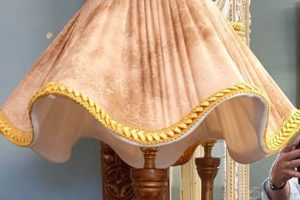
Familiarity with the characteristic design styles and motifs associated with Wildwood Lamps over time is essential. Comparing a prospective purchase to documented examples in catalogs or collector’s guides can reveal inconsistencies. Alterations or mismatched components are often indicative of inauthentic or heavily restored pieces. For instance, a lampshade that does not complement the base’s style may suggest it is not original to the lamp.
- Provenance and Historical Documentation
Whenever possible, establishing a provenance or historical record for the lamp can greatly enhance confidence in its authenticity. This may involve tracing the lamp’s ownership history, uncovering original sales receipts or catalogs, or finding corroborating evidence in historical archives. Though not always available, such documentation provides valuable support for the claim of authenticity.
The rigorous application of these verification methods provides a strong foundation for distinguishing genuine examples of these light fixtures. A collector’s ability to authenticate pieces preserves the history and value associated with the “wildwood lamps vintage” and prevents unintentional investment in replicas or misrepresented items.
2. Condition assessment
The evaluation of condition constitutes a crucial step in appraising any Wildwood Lamps object. The state of preservation directly impacts value, functionality, and aesthetic appeal. Damage, wear, or alterations diminishes the inherent worth of the lamp. Conversely, items retaining original components and exhibiting minimal degradation command higher prices and are more desirable to collectors. Real-world examples illustrate this principle. A table lamp with a cracked porcelain base and corroded metal components will sell for significantly less than an identical model in pristine condition, even if both lamps are fully functional. The importance of this assessment extends beyond monetary value; it informs decisions about restoration or conservation, ensuring that interventions are appropriate and do not compromise the historical integrity of the piece.
Further analysis necessitates a systematic approach to condition assessment. This involves a detailed inspection of all components, including the base, shade, wiring, and hardware. Each element must be examined for signs of damage, such as cracks, chips, dents, discoloration, or rust. Electrical components should be tested for safety and functionality, as faulty wiring poses a fire hazard. The presence of non-original parts, such as replacement shades or altered wiring, also affects the lamp’s value and authenticity. Practical application of this understanding is evident in the antique market, where professional appraisers meticulously document the condition of each item, assigning a grade that reflects its overall state. This grade informs the asking price and helps potential buyers make informed decisions.
In conclusion, condition assessment is integral to understanding the value and historical significance of a Wildwood Lamps piece. The challenges lie in accurately identifying and documenting damage, distinguishing between original and replacement parts, and determining the appropriate level of restoration. Despite these challenges, a thorough condition assessment provides critical insights into the lamp’s past, present, and future, linking its physical state to the broader themes of preservation, authenticity, and market value. The longevity and desirability of these antique light fixtures depend on diligent attention to its physical form.
3. Design characteristics

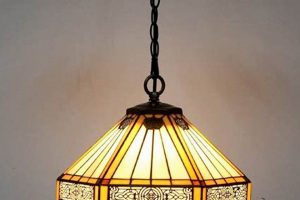
Design characteristics are intrinsically linked to the appeal and valuation of vintage Wildwood Lamps. These lighting fixtures, produced over several decades, exhibit a diverse range of aesthetic styles, reflecting prevalent design trends of their respective eras. The selection of materials, forms, and decorative motifs directly impacts the collectibility and market value. For instance, a Wildwood lamp featuring hand-painted floral designs on porcelain, indicative of the mid-20th century, possesses distinct visual attributes that differentiate it from a later model with a more streamlined, minimalist aesthetic. The accurate identification of these design elements is crucial for establishing authenticity and determining the lamp’s historical context.
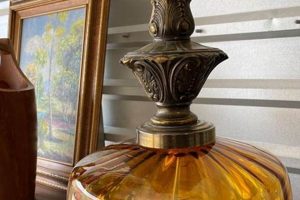
Further analysis of design characteristics involves scrutinizing specific features, such as the shape and material of the lampshade, the detailing on the base, and the overall proportion and symmetry of the piece. Original shades, often made of silk or parchment, contribute significantly to the lamp’s aesthetic integrity and historical accuracy. The base may incorporate a variety of materials, including wood, metal, ceramic, or a combination thereof, each with its own distinct texture and finish. The presence of particular design motifs, such as chinoiserie patterns or neoclassical elements, can further refine the lamp’s provenance and place it within a specific stylistic movement. A lamp showcasing consistent design elements from a recognized period is more likely to be considered authentic and command a higher price.
In conclusion, design characteristics serve as a vital lens through which to understand the value and historical significance of these items. Understanding such features allows collectors to determine which pieces are original or have been tampered with through the years. Appreciating the relationship between the features of a collectible lamp and its identity is essential for preservation, authenticity, and investment considerations. As such, design characteristics form an essential element in the study and collection of Wildwood Lamps of the past.
4. Electrical integrity
The operational safety and functionality of these lamps are intrinsically linked to their electrical integrity. Given their age, the original wiring and components within these light fixtures often present potential hazards and require careful scrutiny.
- Wiring Condition
The original wiring insulation in these lamps deteriorates over time, becoming brittle and prone to cracking. This degradation increases the risk of short circuits and electrical fires. Careful inspection for frayed or exposed wires is essential, and professional rewiring is often recommended to ensure safe operation. The presence of original cloth-covered wiring, while historically significant, necessitates replacement with modern, safer materials.
- Socket Functionality
Vintage sockets are susceptible to corrosion and wear, potentially leading to malfunctions or unreliable contact with light bulbs. Examining the socket for cracks, rust, or loose connections is crucial. Replacement with a UL-listed socket designed for the appropriate wattage is advisable to prevent overheating or electrical hazards.
- Grounding Considerations
Many of these vintage lamps lack a grounding wire, which provides a safety path for electrical current in the event of a fault. Adding a grounding wire, if feasible, enhances safety and minimizes the risk of electric shock. Adapting the lamp to a three-prong plug and ensuring proper grounding to the electrical system is a responsible upgrade.
- Switch Operation
Vintage switches can become stiff, unreliable, or prone to failure due to age and wear. A malfunctioning switch can cause flickering lights, intermittent operation, or complete failure. Replacement with a modern switch ensures smooth and reliable operation and eliminates a potential source of electrical problems.
Maintaining electrical integrity is paramount for the safe enjoyment and preservation of Wildwood lamps. Addressing potential hazards through professional inspection, rewiring, and component replacement ensures these fixtures can continue to provide illumination and aesthetic value without posing a risk to the user or property. Prioritizing safety through attention to these electrical considerations is an essential aspect of responsible ownership.
5. Provenance documentation
Provenance documentation, in the context of vintage Wildwood Lamps, represents a critical factor influencing valuation, authenticity, and historical significance. The presence of reliable records tracing a lamp’s ownership and history directly impacts its desirability among collectors. Clear and verifiable provenance mitigates the risk of acquiring misrepresented or non-authentic items. Documents such as original sales receipts, catalogs featuring the specific model, photographs depicting the lamp in a historical setting, or written correspondence related to its ownership contribute to a robust provenance. Conversely, a lack of provenance can significantly reduce a lamp’s value, even if its physical condition and aesthetic appeal are otherwise favorable.
The practical application of provenance documentation involves a rigorous verification process. Collectors and appraisers scrutinize presented documentation for inconsistencies or red flags, comparing information against known historical records and manufacturing details of Wildwood Lamps. Expert opinions from established antique dealers or archival research often corroborate the authenticity and accuracy of the provenance. For example, a Wildwood lamp accompanied by a sales receipt from a reputable retailer in the mid-20th century, along with a photograph showing the lamp in its original owner’s home, would possess significantly greater credibility than a lamp lacking any historical documentation. Moreover, provenance can reveal unique stories or associations tied to the lamp, further enhancing its collectibility.
In conclusion, provenance documentation serves as an indispensable element in the assessment and appreciation of vintage Wildwood Lamps. While obtaining comprehensive provenance can present challenges, particularly for older items, the effort invested in establishing a lamp’s historical record yields substantial benefits in terms of enhanced value, assured authenticity, and a deeper understanding of its place in design history. The meticulous pursuit and preservation of this documentation are essential for responsible collecting and the enduring legacy of Wildwood Lamps.
6. Market valuation

Market valuation, in the context of Wildwood Lamps from previous eras, is a complex interplay of factors that determine the monetary worth of these vintage lighting fixtures. A comprehensive understanding of these elements is crucial for both collectors and sellers seeking to navigate the antique market effectively.
- Condition and Restoration
The physical condition of a vintage Wildwood lamp is a primary determinant of its market value. Lamps in pristine, original condition command higher prices. Restoration efforts, if professionally executed and preserving the lamp’s historical integrity, can enhance value. However, poorly executed restorations or alterations using non-original parts can diminish value. For example, a lamp with its original shade, wiring, and finish will typically be worth more than a similar lamp with replacement components.
- Rarity and Design
The rarity of a particular model or design significantly impacts its market value. Lamps produced in limited quantities or featuring unique designs are often highly sought after by collectors. Identification of specific design elements, such as particular motifs, materials, or manufacturing techniques, contributes to establishing rarity. A rare, signed Wildwood lamp featuring a sought-after design will fetch a premium compared to more common models.
- Provenance and Documentation
Documented provenance, which traces the lamp’s ownership history, enhances its market value. Original sales receipts, catalogs, or photographs linking the lamp to its past owners or historical settings add credibility and desirability. A lamp with documented provenance, such as a letter from the original owner or a listing in a period catalog, increases buyer confidence and justifies a higher price.
- Market Trends and Demand
Prevailing market trends and collector demand influence the valuation of these lamps. Fluctuations in taste, economic conditions, and the availability of comparable items affect prices. A resurgence of interest in mid-century modern design, for instance, can drive up the value of Wildwood lamps from that era. Monitoring auction results, antique price guides, and collector forums provides insights into current market trends.
These intertwined factors collectively shape the market valuation of vintage Wildwood lamps. Analyzing condition, identifying rarity, verifying provenance, and understanding market trends enables collectors and sellers to make informed decisions within the antique marketplace. The inherent artistic and historical qualities of these lamps, combined with astute assessment of market dynamics, drive their value as both functional objects and collectible artifacts.
7. Finish preservation
Finish preservation is paramount in maintaining the aesthetic and monetary value of “wildwood lamps vintage.” The original finish often represents a significant aspect of a lamp’s historical character and contributes substantially to its market appeal. Deterioration or inappropriate restoration can irrevocably diminish the value and authenticity of these collectibles.
- Cleaning Techniques
Employing gentle, non-abrasive cleaning methods is crucial. Harsh chemicals and abrasive materials can damage the finish, leading to discoloration, scratches, or loss of original patina. A soft cloth dampened with mild soap and water is generally recommended for routine cleaning. Specialized cleaning products formulated for antique surfaces may be considered, but should be tested discreetly first. For example, attempting to remove stubborn dirt from a lacquered brass lamp with steel wool would inflict irreversible damage.
- Waxing and Polishing
Applying a protective layer of wax or polish can help preserve the finish and prevent oxidation or corrosion. However, selecting the appropriate product is essential. Avoid polishes containing harsh solvents or abrasives that could strip the finish. A high-quality paste wax or specialized furniture polish designed for antique surfaces is preferable. Applying a thin, even coat and buffing gently will enhance the finish without causing damage. Polishing should be done with caution and only when truly needed, as over-polishing can be detrimental over time.
- Environmental Control
Maintaining a stable environment with controlled humidity and temperature levels minimizes the risk of finish deterioration. Excessive humidity can promote corrosion or mold growth, while extreme temperatures can cause cracking or warping. Storing lamps in a location away from direct sunlight or heat sources is also recommended, as UV radiation can fade or discolor the finish. Regular inspection for signs of environmental damage is crucial for early detection and intervention. Keeping lamps in a climate-controlled environment will drastically extend their lifespan.
- Repairing Minor Damage
Addressing minor damage, such as scratches or chips, promptly can prevent further deterioration. Professional restoration services specializing in antique finishes should be consulted for significant damage. Attempting to repair the finish with inappropriate materials or techniques can compromise its authenticity and value. For instance, using a modern paint to touch up a vintage lacquer finish would be ill-advised. A skilled conservator can match the original finish and apply appropriate repair techniques to preserve the lamp’s historical integrity.
The interplay of these factors underscores the importance of informed and conscientious finish preservation for Wildwood Lamps. Diligent application of gentle cleaning methods, judicious use of protective coatings, environmental control, and appropriate repair techniques ensures the longevity and beauty of these valuable artifacts. Prioritizing these measures safeguards their aesthetic appeal and maintains their position as desirable collectibles.
Frequently Asked Questions about Wildwood Lamps Vintage
This section addresses common inquiries and misconceptions regarding vintage Wildwood Lamps, providing authoritative information for collectors and enthusiasts.
Question 1: How can the authenticity of a vintage Wildwood Lamp be verified?
Authenticity can be ascertained through careful examination of manufacturer’s marks, construction materials, and design characteristics. Comparing the lamp to documented examples in catalogs or collector’s guides is also recommended. Consulting with an expert appraiser provides an additional layer of verification.
Question 2: What factors contribute to the market valuation of vintage Wildwood Lamps?
Market valuation is influenced by condition, rarity, design, and provenance. Lamps in pristine condition, featuring rare designs, and possessing documented ownership histories command higher prices. Market trends and collector demand also play a significant role.
Question 3: What are the recommended cleaning and preservation methods for vintage Wildwood Lamps?
Gentle cleaning with a soft cloth and mild soap is generally recommended. Harsh chemicals and abrasive materials should be avoided. Waxing or polishing may be beneficial, but the appropriate product must be selected carefully. Maintaining a stable environment with controlled humidity and temperature is essential.
Question 4: How should electrical components be assessed and maintained in vintage Wildwood Lamps?
Electrical components should be inspected for signs of wear, damage, or deterioration. Wiring should be checked for frayed insulation, and sockets should be examined for corrosion. Professional rewiring and component replacement are often advisable to ensure safe operation. Grounding considerations should also be addressed.
Question 5: What is the significance of provenance in evaluating vintage Wildwood Lamps?
Provenance documentation, such as original sales receipts or photographs, enhances the value and credibility of vintage Wildwood Lamps. A well-documented provenance provides insights into the lamp’s history and ownership, increasing its desirability among collectors. The absence of provenance can negatively impact valuation.
Question 6: How does condition assessment impact the value of vintage Wildwood Lamps?
Condition assessment is a critical factor in determining the value of vintage Wildwood Lamps. Lamps in excellent condition, with original components and minimal damage, command higher prices. Documenting any repairs or restoration work is essential for transparency and accurate valuation.
These FAQs provide essential information for those interested in acquiring, preserving, or selling these lighting fixtures. Adhering to these guidelines promotes responsible collecting and appreciation of “wildwood lamps vintage”.
The following section will present a concise conclusion summarizing the key points discussed throughout this article.
Conclusion
The preceding examination of “wildwood lamps vintage” illuminates the multifaceted considerations integral to their appreciation and preservation. From the rigors of authenticity verification to the nuances of market valuation, and the practicalities of electrical safety, the landscape of these antique luminaries demands informed engagement. Each component design characteristics, condition assessment, provenance documentation, and finish preservation contributes to a holistic understanding of their value, both aesthetic and monetary.
Ultimately, the responsible stewardship of these artifacts extends beyond mere ownership. It entails a commitment to preserving their history, safeguarding their integrity, and ensuring that their legacy continues to illuminate the future. Vigilance in authentication, diligence in maintenance, and a respect for historical context remain paramount. The pursuit of knowledge and informed decision-making serve as the enduring pillars of conscientious collecting.