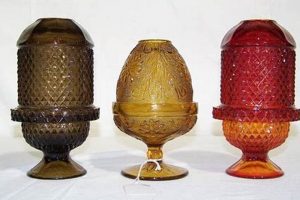
Stiffel lighting fixtures, particularly those produced in earlier eras, represent a segment of the decorative arts market characterized by quality craftsmanship and timeless design. These freestanding vertical luminaires, manufactured by the Stiffel Lamp Company, are often distinguished by their substantial construction, elegant silhouettes, and use of high-quality materials such as brass, bronze, and polished metals. Examples frequently showcase intricate detailing, including ornate castings, fluted columns, and distinctive finials. These attributes contribute to their collectibility and desirability in the secondary market.
The significance of these lighting pieces lies in their enduring aesthetic appeal and association with a bygone era of manufacturing excellence. They offer a tangible connection to the past, providing both functional illumination and visual interest within an interior space. Their historical context contributes to their value, as they reflect the design trends and manufacturing capabilities of their respective periods. Furthermore, the durable construction ensures longevity, allowing them to serve as functional antiques for generations.
The following sections will delve into the key characteristics, identification methods, restoration considerations, and market trends associated with these highly regarded vintage lighting fixtures. Understanding these aspects is essential for collectors, designers, and individuals seeking to acquire or preserve these examples of American design history.
Tips for Evaluating and Maintaining Vintage Stiffel Floor Lamps
The following guidelines provide practical advice for assessing the condition, authenticity, and preservation of these vintage lighting fixtures. Careful consideration of these factors will aid in informed acquisition and long-term enjoyment.
Tip 1: Inspect for Original Components: Verify the presence of original wiring, sockets, and shades. Non-original parts can diminish the value and alter the intended aesthetic. Examine the base for markings or labels indicating the manufacturer and model.
Tip 2: Assess Material Integrity: Examine the lamp’s body for signs of corrosion, dents, or structural damage. Brass and bronze components should be assessed for pitting or discoloration, which may require professional restoration.
Tip 3: Evaluate Electrical Functionality: Prior to use, have the wiring inspected by a qualified electrician. Deteriorated insulation or faulty connections pose a safety hazard. Rewiring may be necessary to ensure safe and reliable operation.
Tip 4: Examine the Finish: Evaluate the condition of the original finish. While some patina is acceptable, excessive wear or damage may warrant professional refinishing. Exercise caution when cleaning the finish to avoid further deterioration.
Tip 5: Verify Authenticity: Research identifying characteristics associated with the manufacturer. Comparing details such as design elements, markings, and construction techniques can aid in confirming the lamp’s provenance.
Tip 6: Check the stability: A vintage floor lamp should stand straight and sturdy. Examine the base for warping or damage that could affect the lamp’s stability.
Adhering to these guidelines facilitates responsible ownership and helps preserve the value and functionality of these enduring pieces of lighting history. Proper care and attention will ensure their continued beauty and utility for years to come.
The subsequent sections will further explore the historical context, design variations, and market considerations related to these collectible lighting objects, providing a comprehensive understanding of their significance in the world of vintage decor.
1. Materials

The constituent materials used in the construction of vintage Stiffel floor lamps are a crucial determinant of their quality, aesthetic appeal, and enduring value. The selection and application of these materials reflect the design ethos and manufacturing standards of the era in which they were produced.
- Brass and Bronze Components
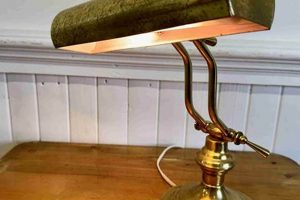
Brass and bronze were frequently employed in the fabrication of lamp bases, columns, and decorative elements. The inherent durability and malleability of these metals allowed for intricate detailing and robust construction. The presence of high-quality brass or bronze often indicates superior craftsmanship and contributes to the lamp’s overall weight and stability. For example, many Stiffel lamps utilized solid brass castings for the base, providing both structural integrity and an elegant visual aesthetic.
- Steel and Iron Substructures
While brass and bronze often formed the visible surfaces, steel and iron were sometimes used for internal supports and structural components. These materials provided the necessary strength and rigidity to support the lamp’s weight and prevent deformation over time. The use of these materials, while hidden from view, is indicative of the lamp’s overall build quality and attention to structural integrity. For instance, a steel rod might run through the center of a lamp column to provide added support.
- Finishes and Coatings
The finishes applied to vintage Stiffel floor lamps played a significant role in their appearance and resistance to corrosion. Common finishes included polished brass, antique bronze, and various lacquers designed to protect the underlying metal. The quality and condition of these finishes are critical factors in assessing the lamp’s overall value. Well-preserved finishes indicate careful maintenance and can enhance the lamp’s aesthetic appeal. Deterioration of the finish, such as pitting or discoloration, may require professional restoration.
- Shade Materials
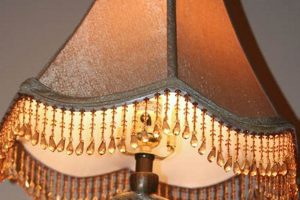
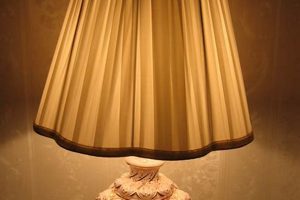
The materials used in the lamp’s shade also contribute to its overall aesthetic and functionality. Original shades were often constructed from materials such as silk, parchment, or linen, chosen for their light-diffusing properties and visual appeal. The condition and authenticity of the shade are important considerations for collectors. Replacement shades, while functional, may not match the original design intent and can impact the lamp’s value. The type of shade material also affects the quality and color of the light emitted by the lamp.
The interplay of these materials, from the solid brass base to the carefully selected shade fabric, demonstrates the quality that characterizes vintage Stiffel floor lamps. Recognizing the types and conditions of these materials is crucial for identifying, evaluating, and preserving these pieces of lighting history.
2. Design

The design of vintage Stiffel floor lamps is a defining characteristic, reflecting the aesthetic sensibilities and technological advancements of the periods in which they were manufactured. It encompasses not only the visual appearance but also the functionality, construction, and stylistic influences that shaped these lighting fixtures.
- Stylistic Influences
Vintage Stiffel floor lamps often exhibit design influences from various periods, including Art Deco, Mid-Century Modern, and Neoclassical styles. These influences are manifested in the lamps’ shapes, ornamentation, and overall aesthetic. For example, some lamps feature the geometric patterns and streamlined forms characteristic of Art Deco, while others display the clean lines and minimalist aesthetic of Mid-Century Modern design. Understanding these stylistic influences provides insight into the lamp’s historical context and its place within the broader landscape of design history.
- Form and Proportion
The form and proportion of a vintage Stiffel floor lamp are critical elements of its design. The lamp’s overall shape, the relationship between its base, column, and shade, and the balance of its visual elements contribute to its aesthetic appeal. Well-designed lamps exhibit harmonious proportions and a sense of visual balance. For instance, a lamp with a slender column and a wide, gently sloping shade might create a sense of elegance and grace. Conversely, a lamp with a more substantial base and a narrower shade might convey a sense of solidity and stability.
- Ornamentation and Detailing
The ornamentation and detailing found on vintage Stiffel floor lamps range from simple and understated to elaborate and ornate. Some lamps feature minimal decoration, relying on the inherent beauty of the materials and the purity of their form. Others are adorned with intricate castings, fluted columns, or decorative finials. The type and extent of ornamentation reflect the design style and the intended market for the lamp. The presence of high-quality ornamentation, executed with precision and attention to detail, indicates superior craftsmanship and can enhance the lamp’s value.
- Shade Design and Materials
The design of the lamp’s shade is an integral part of its overall aesthetic. The shade’s shape, size, and material affect the quality and direction of the light emitted by the lamp. Original shades were often carefully chosen to complement the lamp’s base and column. Common shade materials included silk, parchment, and linen, selected for their light-diffusing properties and visual appeal. The shade’s design also influences the lamp’s overall style, with different shade shapes and materials contributing to different aesthetic effects. For example, a conical shade might evoke a sense of formality, while a drum-shaped shade might convey a more contemporary feel.
These design aspects collectively determine the aesthetic character and market appeal of vintage Stiffel floor lamps. By examining these elements, collectors and enthusiasts can gain a deeper appreciation for the artistry and craftsmanship that went into creating these enduring pieces of lighting history.
3. Condition
The condition of a vintage Stiffel floor lamp is a primary determinant of its value, functionality, and aesthetic appeal. It reflects the extent to which the lamp has been preserved or degraded over time and significantly influences its desirability among collectors and enthusiasts.
- Original Finish and Patina
The presence and state of the original finish are crucial. A well-preserved original finish, even with a slight patina acquired over time, is often more desirable than a refinished surface. Patina can indicate authenticity and provide a visual record of the lamp’s age and history. However, excessive corrosion, pitting, or flaking of the finish can detract from the lamp’s value and necessitate professional restoration to prevent further deterioration. For instance, a brass lamp with a consistent, mellow patina reflecting decades of careful handling would typically be more valued than one with a heavily polished, non-original finish.
- Structural Integrity
The structural soundness of the lamp is paramount for both safety and aesthetic reasons. Any damage to the base, column, or supporting elements can compromise the lamp’s stability and detract from its visual appeal. Dents, bends, or cracks in the metal components can indicate past trauma or neglect. Repairs, if not executed professionally, can further diminish the lamp’s value. A vintage Stiffel floor lamp should stand upright without wobbling and exhibit no signs of structural weakness. Any evidence of compromised structural integrity necessitates careful assessment and potential repair or reinforcement.
- Electrical Components
The condition of the electrical components is vital for safe and functional operation. Original wiring, sockets, and switches may deteriorate over time due to age and use, posing a potential fire hazard. Cracked insulation, frayed wires, and malfunctioning switches must be addressed by a qualified electrician. While retaining original components is desirable for maintaining authenticity, safety considerations often necessitate replacement with modern, UL-approved parts. The balance between preserving originality and ensuring safe operation is a key consideration when evaluating a vintage Stiffel floor lamp.
- Shade Condition
The condition of the lamp’s shade significantly impacts its overall aesthetic. Tears, stains, or fading can detract from the shade’s visual appeal and diminish the lamp’s value. Original shades, if present and in good condition, are highly desirable. However, replacement shades are often necessary due to age-related deterioration. When replacing a shade, it is important to select a style and material that are consistent with the lamp’s original design intent. A well-chosen replacement shade can enhance the lamp’s overall aesthetic and restore its original beauty.
These considerations highlight the importance of assessing the condition of vintage Stiffel floor lamps. A careful evaluation of the finish, structural integrity, electrical components, and shade is essential for determining the lamp’s value, functionality, and long-term preservation. These factors collectively contribute to the lamp’s desirability and its ability to serve as a functional and aesthetically pleasing piece of design history.
4. Authenticity
The verification of origin and manufacturing period is paramount when evaluating vintage Stiffel floor lamps. Authenticity directly influences the value, historical significance, and collectibility of these lighting fixtures. Establishing genuineness requires a meticulous examination of several key facets.
- Manufacturer’s Markings and Labels
The presence of original Stiffel markings, stamps, or labels on the lamp’s base, socket, or other components serves as a primary indicator of authenticity. These markings often include the company’s name, logo, and sometimes model numbers or patent dates. The style and font of these markings can be compared to known examples from different production periods to help determine the lamp’s age and legitimacy. The absence of such markings, or the presence of inconsistent or poorly executed markings, raises concerns about the lamp’s authenticity. For example, a Stiffel lamp from the 1960s should exhibit markings consistent with the company’s branding during that era.
- Original Design Characteristics
Authentic vintage Stiffel floor lamps adhere to the design principles and stylistic conventions of their respective periods. Comparing the lamp’s design elements, such as the shape of the base, the ornamentation, and the style of the shade, to documented examples and historical catalogs can help verify its authenticity. Inconsistencies in design, such as the use of anachronistic materials or the combination of elements from different periods, can indicate a reproduction or a heavily modified piece. An authentic Art Deco Stiffel lamp, for instance, would display geometric shapes, stylized motifs, and materials commonly used during the Art Deco era.
- Material Composition and Construction Techniques
The materials used in the construction of a vintage Stiffel floor lamp should align with the materials typically employed by the company during the lamp’s purported manufacturing period. Examining the quality of the brass, bronze, or other metals, as well as the construction techniques used to assemble the lamp, can provide clues about its authenticity. Reproduction lamps often utilize cheaper materials or employ modern manufacturing methods that differ from those used in the past. The presence of high-quality brass castings, intricate joinery, and durable finishes, consistent with Stiffel’s known manufacturing standards, supports the lamp’s authenticity.
- Provenance and Documentation
Documented provenance, such as original sales receipts, catalogs, or family histories, can provide valuable evidence of a lamp’s authenticity and history. A clear chain of ownership, supported by verifiable documentation, strengthens the case for the lamp’s genuineness. Conversely, a lack of provenance or conflicting information about the lamp’s origins can raise red flags. For example, a Stiffel lamp accompanied by a copy of a vintage Stiffel catalog featuring the same model would have stronger provenace than one without any documentation.
These facets, when considered collectively, provide a framework for evaluating the authenticity of vintage Stiffel floor lamps. Establishing genuineness is not only essential for determining the lamp’s monetary value but also for appreciating its historical and artistic significance. Careful examination and thorough research are crucial for making informed decisions about the acquisition and preservation of these lighting fixtures.
5. Rarity
Scarcity is a significant factor influencing the desirability and valuation of vintage Stiffel floor lamps. The limited availability of certain models or designs elevates their appeal among collectors and enthusiasts, contributing to a higher market value. Several elements contribute to the relative rarity of these lighting fixtures.
- Limited Production Runs
Certain Stiffel floor lamps were produced in limited quantities, either due to design experimentation, special commissions, or short production lifespans. These restricted production runs inherently create a scarcity, making these models more difficult to acquire. Examples include lamps produced for specific retailers or those featuring unique design elements that were discontinued after a short period. The limited number of these lamps in circulation increases their value and collectibility.
- Discontinued Designs and Styles
As design trends evolved, Stiffel discontinued certain styles and designs, resulting in a finite number of these lamps available on the secondary market. Lamps representing specific periods or stylistic movements, such as Art Deco or Mid-Century Modern, that are no longer in production, become increasingly rare over time. The finite supply of these discontinued designs contributes to their collectibility and market value. For example, Stiffel lamps featuring now-obsolete lighting technologies or design motifs may be considered rare due to their historical significance and limited availability.
- Preservation and Survival Rates
The passage of time and the challenges of preservation have led to varying survival rates among different Stiffel floor lamp models. Fragile components, such as glass shades or delicate ornamentation, may be prone to damage or loss, reducing the number of intact examples available. Lamps subjected to harsh environmental conditions or improper storage may exhibit significant deterioration, further diminishing their survival rate. The scarcity of well-preserved examples contributes to their increased value and desirability among collectors.
- Regional Availability
Certain Stiffel floor lamp models may have been distributed primarily within specific geographic regions, leading to limited availability in other areas. Lamps produced for regional retailers or designed to appeal to local tastes may be more common in some parts of the country than others. This regional disparity in availability contributes to the perceived rarity of these lamps in certain markets, increasing their desirability and value among collectors seeking to acquire them.
The interplay of these factorslimited production, discontinued designs, preservation rates, and regional availabilitycollectively determines the rarity of vintage Stiffel floor lamps. Understanding these elements is crucial for collectors and enthusiasts seeking to identify and acquire these highly sought-after lighting fixtures. The relative scarcity of certain models directly influences their market value and underscores their appeal as collectible objects.
6. Provenance

The verifiable history of ownership, or provenance, is a critical factor in assessing the value and desirability of vintage Stiffel floor lamps. A well-documented provenance establishes the lamp’s authenticity, provides insights into its past, and often enhances its appeal to collectors. The absence of such documentation can significantly diminish a lamp’s value, regardless of its aesthetic condition. Provenance links the object to historical events, design movements, or prominent individuals, transforming it from a mere decorative item into a tangible piece of history.
For example, a Stiffel lamp with documentation tracing its ownership back to its original purchaser in the 1930s, complete with sales receipts or correspondence, possesses significantly greater value than an identical lamp lacking such records. Similarly, if a Stiffel lamp can be verifiably linked to a notable designer or celebrity, its provenance becomes a significant asset. Auction houses frequently highlight provenance in their catalog descriptions, understanding that buyers are often willing to pay a premium for objects with a clear and compelling history. The process of establishing provenance often involves researching historical records, contacting previous owners, and consulting with experts in the field of decorative arts.
Understanding the importance of provenance allows collectors and enthusiasts to make informed decisions when acquiring vintage Stiffel floor lamps. While aesthetic condition and rarity are undeniably important, a well-documented history can elevate a lamp from a simple collectible to a valuable artifact with a compelling narrative. The challenges in establishing provenance highlight the need for careful research and documentation in the acquisition and preservation of these pieces of lighting history.
Frequently Asked Questions
The following section addresses common inquiries and clarifies misunderstandings concerning vintage Stiffel floor lamps. These answers aim to provide concise, accurate information for collectors, enthusiasts, and prospective buyers.
Question 1: How can one determine the age of a vintage Stiffel floor lamp?
The age can be estimated by examining design characteristics, manufacturer’s markings, and construction techniques. Stiffel’s logo and design aesthetics evolved over time. Consulting historical catalogs and resources can aid in accurate dating.
Question 2: What factors contribute to the value of these vintage lighting fixtures?
Value is influenced by rarity, condition, authenticity, design, materials, and provenance. Lamps with original finishes, intact components, and documented ownership histories typically command higher prices.
Question 3: Are replacement parts readily available for vintage Stiffel floor lamps?
Original replacement parts are scarce. However, compatible components, such as sockets and wiring, can be sourced from specialized lighting suppliers. It is crucial to ensure that replacement parts meet safety standards and are aesthetically appropriate.
Question 4: What are the primary concerns when restoring a vintage Stiffel floor lamp?
Restoration efforts should prioritize preserving the lamp’s original character and integrity. Refinishing should be approached cautiously, and electrical components should be inspected and replaced as necessary to ensure safety. Maintaining authenticity is key.
Question 5: Where can one locate reputable dealers or sources for purchasing vintage Stiffel floor lamps?
Reputable dealers can be found at antique shows, vintage lighting stores, and online marketplaces specializing in vintage and antique items. Verifying the dealer’s expertise and reputation is essential prior to purchase.
Question 6: What are the common signs of a reproduction or altered vintage Stiffel floor lamp?
Signs of reproduction or alteration include inconsistent markings, non-original components, poor-quality materials, and deviations from known Stiffel designs. Comparing the lamp to documented examples is crucial.
These answers provide a foundation for understanding the nuances of vintage Stiffel floor lamps. Further research and consultation with experts are recommended for making informed decisions.
The following section will explore the broader context of vintage lighting and its significance in interior design.
Vintage Stiffel Floor Lamps
This exploration has underscored the significance of vintage Stiffel floor lamps as more than mere sources of illumination. Their value extends to their historical context, the quality of their materials and craftsmanship, and their representation of specific design eras. Determining authenticity, assessing condition, and understanding provenance are crucial steps in appreciating and preserving these artifacts of American design.
The continued interest in vintage Stiffel floor lamps signals a sustained appreciation for enduring design principles and manufacturing excellence. As custodians of these pieces, collectors and enthusiasts play a vital role in ensuring their preservation for future generations, acknowledging their contribution to the history of lighting and interior aesthetics.