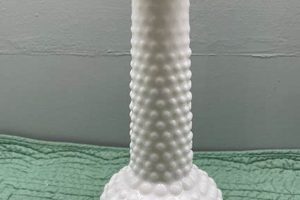
Iridescent glassware, often mass-produced in the early 20th century, exhibits a lustrous, shimmering surface. This effect, achieved through the application of metallic salts during the manufacturing process, imparts a rainbow-like sheen. Examples of this type of decorative object frequently take the form of vessels designed to hold floral arrangements, showcasing the distinctive, eye-catching finish.
The allure of this glassware lies in its aesthetic appeal and its historical significance. Once a popular and affordable prize at fairgrounds and carnivals, these items now represent a tangible connection to a bygone era of American popular culture. Their production coincided with a period of industrial innovation, and the surviving pieces offer insight into the decorative arts and manufacturing techniques of the time. The iridescent finish continues to captivate collectors and enthusiasts.
The subsequent sections will delve into the characteristics that define valuable specimens, examining the diverse range of patterns, colors, and makers. Additionally, guidance on proper cleaning and display methods will be provided to ensure the preservation of these historical objects.
Tips for Identifying and Preserving Iridescent Glassware
The following guidelines offer practical advice for identifying authentic pieces and ensuring their long-term preservation. Attention to these details will aid in distinguishing genuine artifacts from modern reproductions and maintaining their intrinsic value.
Tip 1: Examine the Iridescence. Authentic examples often exhibit a depth and complexity of color not easily replicated in modern reproductions. Look for subtle variations and shifts in hue across the surface.
Tip 2: Identify the Pattern. Familiarize oneself with the common patterns produced by various manufacturers. Reference guides and online resources can aid in recognizing established designs.
Tip 3: Consider the Color. While numerous colors exist, certain hues are more prevalent or sought after. Research the relative rarity of different color variations to assess potential value.
Tip 4: Inspect the Base Markings. Many manufacturers imprinted their pieces with identifying marks. These marks can provide valuable information about the origin and authenticity of the glass.
Tip 5: Handle with Care. This type of glassware can be fragile. Avoid abrasive cleaners or harsh chemicals, opting instead for gentle handwashing with mild soap and lukewarm water.
Tip 6: Control Light Exposure. Prolonged exposure to direct sunlight can fade the iridescent finish. Display items away from direct sunlight or use UV-protective glass in display cases.
Tip 7: Store Properly. When not on display, wrap individually in acid-free tissue paper and store in a cool, dry place to prevent scratches and damage.
Following these recommendations will enhance the enjoyment and longevity of iridescent glassware collections. Careful observation and proper care are essential for appreciating and preserving these historical artifacts.
The subsequent section will provide an overview of the market value of this decorative glassware and factors influencing price fluctuations.
1. Iridescence

Iridescence constitutes a defining characteristic of the glassware in question, directly influencing its aesthetic value and collectibility. The shimmering, rainbow-like effect arises from the application of metallic salts during the glass manufacturing process, creating a thin film on the surface that refracts light. This feature distinguishes it from other forms of glassware.
- Metallic Salt Composition
The specific metallic salts employed, such as iron oxide or titanium oxide, directly influence the resulting colors and intensity of the iridescence. Different manufacturers experimented with varying compositions, leading to a diverse range of hues and sheens. For instance, Fenton often utilized salts producing a characteristic marigold iridescence, while Northwood favored blues and purples.
- Application Technique
The method of applying the metallic salts is also critical. The salts can be applied through spraying, dipping, or fuming techniques, each resulting in unique patterns and distributions of iridescence across the glass surface. The consistency and evenness of the application further impact the overall appearance and perceived quality.
- Firing Temperature and Duration
The temperature and duration of the firing process play a crucial role in bonding the metallic salts to the glass. Precise control is necessary to achieve the desired iridescent effect without damaging the underlying glass structure. Deviations in temperature can lead to uneven iridescence or a dull, lackluster finish.
- Pattern Interaction
The underlying pattern of the glass significantly interacts with the iridescence, creating visual depth and complexity. Intricate patterns, such as grapevines or geometric designs, enhance the play of light and color, making the glassware more visually appealing and sought after by collectors. The iridescence accentuates the details of the pattern, contributing to the overall aesthetic impact.
In summary, iridescence is not merely a surface decoration but an integral element of the glassware. The interplay between metallic salt composition, application technique, firing process, and pattern design determines the unique character and desirability of each piece, underscoring the importance of careful examination when evaluating this glass form.
2. Pattern Recognition

Pattern recognition, within the realm of this glass, is paramount for identification, authentication, and valuation. The intricate designs pressed into the glass during manufacture serve as vital clues to a piece’s origin, period, and potential rarity. A systematic understanding of these patterns is essential for collectors and enthusiasts.
- Motif Identification
Motif identification involves recognizing recurring images or design elements within the glass patterns. Examples include floral arrangements, geometric shapes, animal depictions, and narrative scenes. Certain motifs are associated with specific manufacturers or time periods. For instance, the “Grape and Cable” pattern is heavily associated with Fenton Art Glass Company. Accurate motif identification is a foundational step in pattern recognition.
- Design Arrangement Analysis
Design arrangement analysis examines the spatial relationships between different elements within a pattern. This includes assessing the symmetry, repetition, and overall composition of the design. Some patterns feature a central focal point, while others exhibit a more distributed arrangement. Understanding the arrangement of design elements helps to distinguish subtle variations within similar patterns and to identify potential reproductions or altered pieces.
- Manufacturer Attribution Through Pattern
Specific manufacturers developed and utilized distinctive patterns as a means of branding and differentiation. These patterns can often be traced back to original molds or design catalogs. Careful examination of the pattern and comparison with known manufacturer marks and catalogs can lead to definitive attribution. Establishing the manufacturer significantly impacts the glass’s historical context and market value.
- Distinguishing Variations and Reproductions
Knowledge of established patterns enables the differentiation of authentic pieces from variations, reproductions, or “repros.” Subtle differences in the pattern’s details, such as the sharpness of the mold impression or the presence of specific design flaws, can indicate a piece’s authenticity or lack thereof. Recognizing these nuances is critical for informed collecting and investment decisions.
These facets of pattern recognition collectively underscore its importance in appreciating and evaluating this glassware. Accurate pattern identification contributes to the understanding of its historical origins and manufacturing processes.
3. Maker Identification

The attribution of this glass to specific manufacturers serves as a cornerstone of authentication and valuation. The makers identity often dictates design characteristics, color variations, and the overall quality of the piece. Variations in production techniques and the use of specific molds contribute to the uniqueness of each manufacturer’s output. For instance, items produced by Fenton Art Glass Company are frequently recognizable by their distinctive “Fenton” mark and the characteristic marigold coloration achieved through their proprietary iridizing process. Similarly, Northwood Glass Company is known for its intricate patterns and the inclusion of a marked “N” on their glassware. The presence or absence of these marks, coupled with stylistic analysis consistent with the manufacturers known output, impacts the pieces authenticity and market desirability.
Further complicating the identification process, some manufacturers operated under multiple names or were subject to mergers and acquisitions. This can result in similar patterns appearing across different company lines, necessitating careful scrutiny of markings and design elements. Furthermore, unmarked pieces represent a significant challenge, requiring expertise in pattern recognition and knowledge of manufacturing techniques to potentially attribute them to a specific origin. Researching historical catalogs, trade publications, and collectors’ guides can provide valuable insights into the various manufacturers and their respective design characteristics. The practical application of this knowledge extends to evaluating auction listings, assessing estate sale finds, and engaging in informed transactions with dealers and collectors.
In summary, the identification of the maker is not merely an academic exercise but a critical component in establishing the value, historical context, and authenticity of this iridescent glass. While challenges exist in attributing unmarked pieces or deciphering complex corporate lineages, the ability to link a specific design to its manufacturer provides a foundation for informed collecting and responsible preservation. Understanding these nuances contributes significantly to the appreciation and long-term stewardship of these historical artifacts.
4. Color Variations

Color variations significantly impact the desirability and value of vintage iridescent glassware. The diverse palette results from the combination of base glass color and the metallic salts applied during the iridizing process. Understanding these color distinctions is essential for identifying, appreciating, and evaluating these artifacts.
- Base Glass Influence
The underlying color of the glass, prior to the application of metallic salts, significantly affects the final appearance. Clear glass, amber glass, and amethyst glass produce distinctly different iridescent effects. For instance, marigold iridescence, a common characteristic, presents more vibrantly on clear or light-colored bases. The base glass serves as a foundation, influencing the overall tone and intensity of the iridescence.
- Metallic Salt Interaction
The metallic salts, when applied and fired, interact with the base glass to create specific iridescent colors. Gold salts often yield a marigold or amber sheen, while iron oxide can produce reds and oranges. Titanium salts tend to generate blues and purples. The precise combination of salts and the application process determines the final color palette observed in the iridescent finish. Deviations in this process can result in unique and sometimes highly sought-after color variations.
- Color Rarity and Value
Certain color combinations are rarer than others, influencing the value of the item. For example, pieces with a predominantly red or white iridescence are generally less common and command higher prices among collectors. Amethyst and vaseline (uranium) glass, when combined with iridescence, also tend to be highly valued. Understanding color rarity requires consulting reference guides and engaging with the collector community.
- Light and Display Effects
The perceived color of these glassware pieces can vary depending on the lighting conditions. Natural sunlight often enhances the iridescent sheen, while artificial light can alter the perceived hues. Collectors often employ specific lighting techniques to showcase the full spectrum of colors within a single piece. The interplay between light and color is an essential element in appreciating the visual appeal of these decorative objects.
In conclusion, color variations represent a critical aspect of the aesthetic and monetary value of iridescent glassware. The interaction between the base glass, metallic salts, and lighting conditions contributes to the unique visual character of each piece. The assessment of color rarity, combined with knowledge of historical production techniques, informs the collection and preservation of these glass artifacts.
5. Form and Shape

The physical configuration of iridescent glassware extends beyond mere functionality, serving as a key determinant in aesthetic appeal and historical classification. The contours and dimensions of each piece, dictated by the molds used in production, offer insights into the prevailing design sensibilities of the era and the manufacturing capabilities of specific glassmakers.
- Vessel Proportions and Stability
The ratio of height to width, the size of the base relative to the upper body, and the overall symmetry of the vessel significantly impact its visual balance and physical stability. A well-proportioned with a stable base is not only more practical for its intended use but also more aesthetically pleasing. Examples include wide-based bowls for stability or slender, tall vases which emphasize verticality and visual elegance. Considerations of proportion were crucial in the design and manufacturing processes.
- Rim Treatment and Decoration
The treatment of the rim, whether smooth, crimped, ruffled, or scalloped, contributes significantly to the overall aesthetic and tactile experience. Elaborate rim designs often reflect a higher degree of craftsmanship and attention to detail. A plain rim emphasizes the iridescence and pattern of the vessel’s body, whereas a decorated rim adds an additional layer of visual interest. The rim also impacts the perceived formality or informality of the piece.
- Handle Design and Integration
For pieces incorporating handles, the design and integration of these elements with the body of the vessel is critical. Handles may be simple and functional, or elaborately shaped and decorated to complement the overall aesthetic. The curvature, thickness, and attachment points of the handles influence both the visual balance and the ergonomic considerations of the object. Variations in handle design can differentiate between manufacturers or production periods.
- Mold Complexity and Detail
The complexity and intricacy of the mold used to create the vessel directly influence the level of detail present in the finished product. Molds with deep relief patterns and fine surface textures require greater skill and precision in their creation and use. Pieces produced from more complex molds often exhibit a higher degree of visual interest and are valued for their craftsmanship. The level of detail observable in the pattern is a direct reflection of the quality and intricacy of the mold.
The interplay between these elements of form and shape defines the unique character of each antique iridescent object. Careful consideration of these physical attributes allows for a more nuanced appreciation of its design and historical significance.
6. Condition Assessment
The condition of antique iridescent glassware is a primary factor determining its market value and historical significance. This assessment involves a systematic evaluation of the object’s physical integrity, encompassing both structural soundness and aesthetic presentation. A comprehensive condition assessment is essential for both collectors and sellers.
- Structural Integrity
Structural integrity refers to the absence of cracks, chips, or other forms of damage that compromise the physical soundness of the glass. Cracks, even hairline fractures, can significantly reduce the value and stability of a piece. Chips, particularly those located on rims or handles, detract from its aesthetic appeal and may indicate past trauma. A thorough examination, often involving magnification and careful handling, is necessary to detect these imperfections. The presence of significant structural damage typically results in a substantial reduction in value.
- Surface Imperfections
Surface imperfections include scratches, abrasions, staining, and loss of iridescence. While minor surface wear may be considered acceptable on older pieces, significant abrasions or scratches detract from the visual appeal and reduce value. Staining, caused by mineral deposits or prolonged exposure to certain substances, can be difficult to remove and may permanently alter the appearance of the glass. Loss of iridescence, often due to improper cleaning or prolonged exposure to sunlight, diminishes the defining characteristic of this glass and thus its desirability. Evaluation of surface imperfections requires careful observation under appropriate lighting conditions.
- Repair History
The history of repairs, if any, is a crucial aspect of condition assessment. Restorations, while sometimes necessary to preserve a piece, can impact its value. Professionally executed repairs that are virtually undetectable may be viewed more favorably than amateur attempts. However, any repair, regardless of its quality, must be disclosed to potential buyers. The use of adhesives or fillers can alter the glass’s refractive properties and may not withstand the test of time. Transparency regarding repair history is essential for ethical collecting practices.
- Clarity and Brilliance
The overall clarity and brilliance of the glass contribute to its aesthetic appeal. Cloudiness or haziness, often caused by internal stresses or chemical reactions, can detract from the visual impact. The vibrancy and intensity of the iridescence are also key indicators of condition. Dull or faded iridescence suggests improper storage or handling. Assessing clarity and brilliance involves evaluating the glass’s transparency and the reflective qualities of its iridescent surface. Pieces exhibiting exceptional clarity and vibrant iridescence are generally considered to be in superior condition.
These facets of condition assessment, when applied rigorously, provide a comprehensive understanding of the present state. Such understanding helps determine both the value of the item as well as informs choices on how to appropriately care for it.
Frequently Asked Questions
The following questions address common inquiries and misconceptions regarding the identification, valuation, and care of vintage iridescent glassware. The information provided aims to offer clarity and guidance for collectors and enthusiasts.
Question 1: How does one distinguish authentic iridescent glassware from modern reproductions?
Authentic pieces typically exhibit a depth and complexity of iridescence not easily replicated in modern production. Examination under magnification may reveal subtle imperfections characteristic of older manufacturing processes. Pattern details in authentic pieces tend to be sharper and more well-defined than those found in reproductions. Consulting reference materials and comparing pieces with known examples is recommended.
Question 2: What factors contribute most significantly to the value of a piece of this type of glassware?
Several factors influence value, including rarity, color, pattern, maker, and condition. Rarer colors and patterns, particularly those produced by well-known manufacturers, command higher prices. Pieces in excellent condition, free from cracks, chips, or significant surface wear, are generally more valuable than damaged examples. Market demand and collector preferences also play a role.
Question 3: What are the recommended methods for cleaning iridescent glassware?
Gentle handwashing with mild soap and lukewarm water is recommended. Abrasive cleaners or harsh chemicals should be avoided, as they can damage the iridescent surface. Soft cloths should be used for drying, and the glass should not be subjected to extreme temperature changes. Prolonged soaking is not advised.
Question 4: How should be stored to prevent damage?
Individual wrapping in acid-free tissue paper and storing in a cool, dry place is recommended. Avoid stacking or overcrowding items, as this can lead to scratches or breakage. Exposure to direct sunlight should be minimized, as it can fade the iridescent finish over time. Display cases with UV-protective glass can offer additional protection.
Question 5: Is it possible to definitively identify unmarked pieces of iridescent glassware?
Definitive identification of unmarked pieces can be challenging but is often possible through careful analysis of pattern, color, and manufacturing characteristics. Comparing the piece with known examples from various manufacturers and consulting reference materials can aid in the identification process. However, in some cases, attribution may remain speculative.
Question 6: What are some common mistakes to avoid when collecting iridescent glassware?
Common mistakes include overpaying for damaged or misrepresented pieces, failing to research patterns and manufacturers, and neglecting proper cleaning and storage practices. Impulsive buying and reliance on unreliable sources of information should also be avoided. Building a knowledge base and seeking advice from experienced collectors can mitigate these risks.
This section serves as a starting point for those seeking to deepen their knowledge of this decorative glass form. Continuous learning and engagement with the collector community are essential for informed collecting and responsible preservation.
The subsequent section will explore notable collections and museums featuring examples of antique iridescent glassware.
Conclusion
The preceding exploration of vintage carnival glass vase has illuminated the multifaceted nature of this collectible. From its distinctive iridescent finish and intricate pattern designs to the crucial role of maker identification and condition assessment, each element contributes to its historical and aesthetic significance. Understanding these aspects allows for a more informed appreciation and evaluation of these artifacts.
The study of vintage carnival glass vase extends beyond mere collecting; it fosters a connection to a bygone era of American manufacturing and popular culture. Further research and careful stewardship are essential to ensure the preservation of these iridescent treasures for future generations, allowing their unique beauty and historical value to endure.