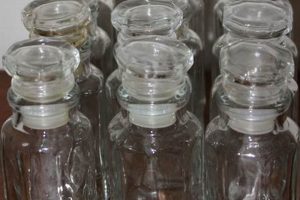
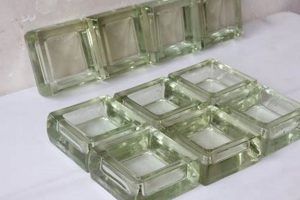
The term refers to glassware produced by the Anchor Hocking Glass Corporation, specifically those items manufactured in previous decades and now considered collectible. These items encompass a wide range of styles, patterns, and colors, typically used for serving beverages. Examples include the Fire-King line, as well as various patterns featuring floral designs, geometric motifs, and solid colors.
The appeal stems from several factors, including their durability, aesthetic charm, and nostalgic connection to past eras. Many individuals collect these items for their historical significance, appreciating the craftsmanship and designs representative of specific periods. The availability of these glasses through antique stores, estate sales, and online marketplaces contributes to their ongoing popularity and cultural relevance. Furthermore, owning and using such items offers a tangible link to previous generations.
The subsequent sections will delve into specific popular patterns, methods for identifying authentic pieces, strategies for cleaning and preserving delicate glassware, and considerations for building a valuable collection. These topics aim to provide a comprehensive resource for enthusiasts and potential collectors seeking information on these distinctive pieces.
Tips for Collecting and Maintaining
These guidelines offer practical advice for identifying, acquiring, and preserving glassware from Anchor Hocking’s vintage lines. Adherence to these principles will assist in building a valuable and well-maintained collection.
Tip 1: Research Patterns Thoroughly: Before acquiring any pieces, dedicate time to researching specific patterns and their variations. Reference guides and online databases can help distinguish genuine items from reproductions or similar designs produced by other manufacturers.
Tip 2: Inspect for Damage Carefully: Prior to purchase, meticulously examine each item for chips, cracks, or cloudiness. Even minor imperfections can significantly impact the value and structural integrity of the glass. Use a magnifying glass to identify hairline fractures.
Tip 3: Understand Color Variations: Recognize that colors can vary slightly between production runs, especially in the case of colored glass. Familiarity with these nuances can aid in authenticating pieces and understanding their manufacturing history.
Tip 4: Handle with Extreme Care: Vintage glass is inherently fragile. When handling, support the item with both hands and avoid sudden temperature changes. Transport items individually, wrapped in protective padding.
Tip 5: Use Gentle Cleaning Methods: Avoid abrasive cleaners or scouring pads, which can scratch the surface. Opt for mild dish soap and warm water, using a soft cloth or sponge. Hand-washing is strongly recommended over dishwashers.
Tip 6: Store Properly: Store glasses upright on a padded surface, away from direct sunlight and temperature extremes. Consider using display cases or shelves to minimize the risk of accidental damage.
Tip 7: Document Your Collection: Maintain a detailed record of each item, including its pattern name, acquisition date, price paid, and condition. This documentation is invaluable for insurance purposes and for tracking the collection’s overall value.
Careful adherence to these suggestions will ensure the preservation and enjoyment of this vintage glassware for years to come. Knowledge and diligent care are vital components of successful collecting.
The following sections will address specific cleaning techniques for removing stubborn stains and further considerations for ensuring long-term preservation.
1. Pattern Identification

Pattern identification forms a foundational element in the study and appreciation of Anchor Hocking vintage drinking glasses. It is the primary means by which collectors differentiate between various styles, assess rarity, and ultimately determine value. The absence of accurate pattern identification renders appraisal subjective and unreliable. For example, the “Forest Green” pattern, popular in the 1950s, carries a different market value than the later ” Wexford” pattern. Correctly identifying the pattern is, therefore, the initial step in establishing an item’s place within the broader collecting landscape.
The process of pattern identification relies on several resources, including reference guides, online databases dedicated to glassware, and comparisons with known examples. Anchor Hocking produced a vast array of patterns over its history, some of which bear close resemblances to others, necessitating careful examination. The presence or absence of specific design elements, such as the shape of the glass, the texture of the surface, or the presence of a particular motif, serves as a distinguishing characteristic. Failure to correctly differentiate can lead to misrepresentation and incorrect valuation.
Accurate pattern identification contributes directly to the informed acquisition and preservation of these vintage items. By understanding the historical context and the specific attributes of each pattern, collectors can make knowledgeable purchasing decisions and implement appropriate storage and cleaning methods. This knowledge base assists in protecting the integrity and value of the collection over time, ensuring that these pieces of American glassmaking history are preserved for future generations. Challenges remain in the face of limited historical documentation and the existence of close imitations, emphasizing the need for continuous learning and careful observation.
2. Glass Color

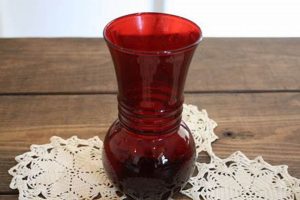
Glass color stands as a significant characteristic in the identification and valuation of Anchor Hocking vintage drinking glasses. It reflects both the prevailing aesthetic trends of the manufacturing period and the chemical composition of the glass itself. Variations in color can be attributed to different manufacturing processes or the deliberate addition of metallic oxides during production. For instance, the vibrant green of Anchor Hocking’s Fire-King Jadeite glassware, popular in the mid-20th century, resulted from the inclusion of iron oxide in the glass mixture. Collectors use color as a primary identifier, often differentiating between similar patterns based solely on color variations. The “Royal Ruby” red, achieved through the addition of gold compounds, is another prominent example that significantly affects the desirability and market value of specific pieces.
The influence of glass color extends beyond mere aesthetics; it provides clues about the manufacturing era and techniques employed. Some color formulations were discontinued due to cost or changes in material availability, making items produced in those colors relatively scarce and thus more valuable. Furthermore, the intensity and consistency of the color can indicate the quality control standards of the time. Imperfections or variations in color depth may suggest earlier production runs or less stringent manufacturing processes. Understanding the nuances of these color variations enables collectors to more accurately date and authenticate pieces, thereby influencing collection strategies and preservation efforts. For example, a slight variation in the shade of “Forest Green” might indicate a specific production year or plant location.
In summary, glass color is an intrinsic and informative attribute of Anchor Hocking vintage drinking glasses. It serves as a marker of historical context, manufacturing processes, and aesthetic preferences. The ability to discern and interpret color variations is essential for accurate identification, informed valuation, and the effective preservation of these collectible items. Challenges arise from color fading or alteration due to sunlight exposure or improper cleaning, highlighting the need for careful handling and storage to maintain the integrity of the original color and the overall value of the glassware.
3. Manufacturing Era

The manufacturing era exerts a profound influence on the characteristics, value, and collectibility of Anchor Hocking vintage drinking glasses. The techniques, materials, and design sensibilities prevalent during specific periods directly shaped the glassware produced. For instance, the prevalence of pressed glass techniques in the early to mid-20th century resulted in intricate patterns and textures characteristic of that era. The availability and cost of certain materials, such as lead oxide for crystal glass, also influenced production choices. Therefore, understanding the manufacturing era is crucial for accurate identification and valuation.
A direct correlation exists between specific eras and the popularity of certain patterns and colors. The Art Deco movement of the 1920s and 1930s inspired geometric designs and streamlined forms, reflected in Anchor Hocking’s glassware of that period. Similarly, the mid-century modern aesthetic of the 1950s and 1960s favored bold colors and simpler shapes. Recognizing these connections allows collectors to assign a more accurate provenance to their items. Furthermore, the manufacturing era impacts the durability and composition of the glass. Earlier pieces may contain higher levels of lead, affecting their weight and refractive properties. Pieces manufactured after stricter environmental regulations may exhibit different characteristics. These factors ultimately affect cleaning methods and long-term preservation strategies.
In summary, the manufacturing era is an indispensable element in the study of Anchor Hocking vintage drinking glasses. It shapes the aesthetic, material composition, and historical significance of these items. Accurate assessment of the manufacturing era enables informed collecting decisions, appropriate preservation techniques, and a deeper appreciation for the cultural and technological contexts in which these pieces were created. Challenges remain in pinpointing exact production dates for unmarked items, underscoring the need for ongoing research and careful comparison with documented examples.
4. Rarity Factors

Rarity significantly influences the desirability and market value of Anchor Hocking vintage drinking glasses. Several factors contribute to an item’s scarcity, making certain pieces highly sought after by collectors and investors. These factors encompass production volume, pattern longevity, color availability, and manufacturing anomalies.
- Limited Production Runs
Some patterns or colors were produced for a short duration due to limited demand, experimental designs, or material constraints. An example includes glassware manufactured during wartime material shortages, which resulted in diminished production runs. Consequently, surviving examples are less common and command higher prices. This scarcity directly impacts the availability of these specific items in the collectors’ market.
- Discontinued Patterns
Patterns that were discontinued relatively quickly contribute to rarity. This occurs when a design fails to gain market traction or when a company shifts its focus to new styles. Such items become increasingly scarce as time passes. For instance, a specific floral pattern produced only for a year or two would be considered rare compared to patterns manufactured for several decades.
- Color Variations
Specific colors within a pattern can be rarer than others. This might stem from experimental color tests or limited production runs of certain hues. Colors such as certain shades of opaque red or specific iridescent finishes are often less common and thus more valuable. Examples include test runs of colors that never made it to mass production.
- Manufacturing Errors or Anomalies
Occasionally, manufacturing errors or anomalies occur during the production process, resulting in unique variations. These can include misprints, color inconsistencies, or variations in the mold. These irregularities, while unintended, create one-of-a-kind pieces that collectors prize. An example could be a glass with a slight distortion or an unintended color swirl.
The interplay of these rarity factors fundamentally shapes the Anchor Hocking vintage drinking glass market. Items exhibiting one or more of these attributes are highly coveted, influencing collecting strategies and driving market valuations. An understanding of these elements allows collectors to make informed decisions, distinguishing common pieces from those with genuine rarity.
5. Condition Assessment
The assessment of condition constitutes a pivotal aspect of evaluating Anchor Hocking vintage drinking glasses. It directly impacts the item’s desirability, market value, and suitability for use or display. A thorough evaluation necessitates a systematic examination for various types of imperfections.
- Chip Analysis
The presence, size, and location of chips significantly affect value. Chips located on the rim or base are more detrimental than those on the body. A barely perceptible chip may only slightly diminish the value, whereas a large, prominent chip can render the glass unsuitable for use and dramatically reduce its price. For example, a rare Fire-King pattern with a visible rim chip could be worth significantly less than a common pattern in pristine condition.
- Crack Detection
Cracks, both hairline and significant, represent structural damage and pose a risk of further breakage. Hairline cracks are often difficult to detect without careful inspection under proper lighting. The presence of any crack typically lowers the value and compromises the integrity of the glass, potentially making it unsafe for consumption. An example is a glass that appears intact but exhibits a faint line when held to the light, indicating a crack that will likely worsen over time.
- Cloudiness Evaluation
Cloudiness, often caused by mineral deposits from repeated washing or exposure to hard water, can detract from the glass’s appearance. Severe cloudiness is irreversible and significantly lowers the value. Mild cloudiness may be treatable with specialized cleaning methods, but the success rate varies. For instance, a glass that has been consistently washed in a dishwasher over decades may develop a persistent cloudy film that cannot be fully removed.
- Scratch Identification
Scratches, particularly those caused by abrasive cleaning methods, can dull the surface and diminish the clarity of the glass. The severity of the scratches, their extent, and their location all influence the overall assessment. Deep, prominent scratches are more damaging than superficial ones. An example includes a glass heavily scratched from the use of scouring pads, resulting in a hazy and unattractive appearance.
These facets of condition assessment directly influence the desirability and valuation of Anchor Hocking vintage drinking glasses. A comprehensive evaluation, accounting for chips, cracks, cloudiness, and scratches, is essential for collectors and sellers alike to accurately appraise and maintain these items. A glass free from significant imperfections commands a higher price and is better suited for display or continued use, underscoring the importance of careful examination and appropriate preservation techniques.
6. Market Value
The market value of Anchor Hocking vintage drinking glasses is determined by a confluence of factors, each influencing the desirability and, consequently, the price these items command. Rarity, condition, pattern popularity, and historical significance function as key drivers of value within this niche market. High demand coupled with limited supply invariably results in elevated prices. For instance, a complete set of Fire-King Jade-ite glasses in pristine condition will fetch a significantly higher price than the same set with chips or cracks, reflecting the direct impact of condition on value. Similarly, a limited-edition pattern or color variant, produced for only a short period, will command a premium due to its scarcity.
Fluctuations in market value are also influenced by broader economic trends, collector preferences, and the accessibility of information. Online marketplaces have democratized access to vintage glassware, allowing collectors globally to participate in auctions and sales. This increased visibility, however, can also lead to price volatility as trends shift and new information about rarity or authenticity emerges. The documentation of pattern variations or the discovery of previously unknown production runs can dramatically alter the perceived value of certain pieces. The increasing focus on sustainable consumption and retro aesthetics has also fueled renewed interest in vintage glassware, further contributing to upward price pressure in certain segments of the market. For example, popular designs from the mid-century modern era have seen a surge in value as they align with current interior design trends.
Understanding the dynamics of market value is crucial for both collectors and sellers of Anchor Hocking vintage drinking glasses. For collectors, it informs purchasing decisions and helps to assess the potential investment value of their acquisitions. For sellers, it provides a framework for pricing items competitively and maximizing returns. Navigating this market requires ongoing research, careful condition assessment, and a keen awareness of prevailing trends and collector preferences. The inherent subjectivity of collector markets coupled with the potential for misinformation presents ongoing challenges, emphasizing the need for due diligence and informed decision-making.
7. Authenticity Verification
The confirmation of genuineness represents a critical stage in the acquisition and appreciation of Anchor Hocking vintage drinking glasses. The prevalence of reproductions, similar designs from other manufacturers, and intentional misrepresentations necessitates rigorous scrutiny to ascertain the origin and age of individual pieces. Failure to authenticate accurately can lead to inflated valuations, misrepresentation within collections, and the unwitting support of counterfeit markets. The presence of a specific manufacturing mark, such as the Anchor Hocking logo, can serve as initial evidence. However, relying solely on a mark is insufficient, as counterfeit marks exist. A comprehensive assessment involves examining the glass composition, manufacturing techniques, and pattern details in relation to documented historical records.
Several methods contribute to robust authenticity verification. Consulting reputable reference guides detailing specific patterns, colors, and manufacturing periods provides a valuable baseline. Comparing the item in question to authenticated examples, either in person or through detailed photographs, allows for the identification of subtle differences in design or construction. Employing specialized lighting to detect inconsistencies in the glass or the presence of repairs is also beneficial. Furthermore, seeking the opinion of experienced collectors or appraisers provides access to specialized knowledge and firsthand experience. For example, the presence of a specific mold mark known to be used only during a certain period can confirm the item’s age, while variations in color or pattern that deviate from documented specifications may indicate a reproduction.
Effective authenticity verification protects collectors, preserves the integrity of the market, and contributes to a deeper understanding of the history and craftsmanship of Anchor Hocking vintage drinking glasses. Challenges remain in identifying increasingly sophisticated reproductions and in interpreting subtle variations within authentic production runs. However, by combining diligent research, meticulous examination, and access to expert knowledge, collectors can minimize the risk of acquiring misrepresented items and safeguard the value and historical significance of their collections.
Frequently Asked Questions
The following questions address common inquiries and concerns regarding identification, valuation, and care of Anchor Hocking vintage drinking glasses.
Question 1: How does one distinguish authentic Anchor Hocking vintage drinking glasses from reproductions or similar items produced by other manufacturers?
Authenticity verification requires careful examination of several factors, including the presence of the Anchor Hocking logo, adherence to known pattern details, and consistency with documented manufacturing techniques of the period. Consulting reference guides and comparing the item with authenticated examples is recommended.
Question 2: What are the primary factors influencing the market value of Anchor Hocking vintage drinking glasses?
Market value is primarily determined by rarity, condition, pattern popularity, and historical significance. Limited production runs, pristine condition, desirable patterns, and connections to significant historical periods contribute to higher valuations.
Question 3: What are the best practices for cleaning and preserving Anchor Hocking vintage drinking glasses?
Gentle cleaning methods are essential. Abrasive cleaners should be avoided. Hand-washing with mild soap and warm water is recommended over dishwashers. Proper storage away from direct sunlight and temperature extremes is also crucial.
Question 4: How does one identify specific patterns of Anchor Hocking vintage drinking glasses?
Pattern identification involves consulting reference guides, online databases, and comparing the item to known examples. Key features to examine include the shape of the glass, the texture of the surface, and the presence of specific motifs.
Question 5: What types of damage most significantly reduce the value of Anchor Hocking vintage drinking glasses?
Chips, cracks, and severe cloudiness are the most detrimental forms of damage. Chips on the rim or base, significant cracks, and irreversible cloudiness substantially lower the value and desirability of the item.
Question 6: How does the manufacturing era impact the value and collectibility of Anchor Hocking vintage drinking glasses?
The manufacturing era influences the style, materials used, and overall quality of the glass. Specific patterns and colors are associated with particular eras, and knowledge of these connections enables more accurate dating and valuation. Earlier pieces may exhibit different characteristics compared to later productions.
Accurate identification and diligent care are essential for preserving the value and appreciating the historical significance of Anchor Hocking vintage drinking glasses.
The subsequent sections will delve into specific care techniques for addressing common issues such as water spots and minor scratches.
Conclusion
The preceding sections have provided a comprehensive overview of Anchor Hocking vintage drinking glasses, encompassing identification, valuation, preservation, and authenticity verification. Understanding pattern recognition, glass color variations, manufacturing eras, and rarity factors is paramount for informed collecting decisions. Condition assessment and appropriate cleaning techniques contribute directly to the longevity and value retention of these items.
The enduring appeal of Anchor Hocking vintage drinking glasses lies not only in their aesthetic charm but also in their tangible connection to American glassmaking history. Continued research, diligent care, and a commitment to accurate representation are essential for ensuring the preservation and appreciation of these artifacts for future generations. The market presents both opportunities and challenges, demanding informed participation and a discerning eye to safeguard against misrepresentation and preserve the legacy of these iconic pieces.
![Buy: Stunning Vintage Blue Glass Ashtray [Collectible] | Vintage Treasures: Discover Rare Antiques, Collectibles & Retro Finds](https://roopevintage.com/wp-content/uploads/2026/04/th-631-300x200.jpg "Buy: Stunning Vintage Blue Glass Ashtray [Collectible] Vintage Treasures: Discover Rare Antiques, Collectibles & Retro Finds")