These reusable containers, crafted from glass and predating contemporary manufacturing processes, represent a specific category of hydration vessels. Their appeal lies in their age, design, and often, the historical context associated with their production and usage. For example, a thick-walled, aqua-colored bottle recovered from a turn-of-the-century factory site, designed to hold potable liquid, exemplifies this product type.
The significance of such items extends beyond mere functionality. They offer a tangible link to the past, showcasing the aesthetic preferences and industrial capabilities of previous eras. Moreover, the use of glass, a material known for its inertness, highlights a concern for purity and lack of chemical leaching into the stored liquid, a benefit frequently cited by enthusiasts. The bottles also provide a sustainable alternative to modern plastic options, aligning with environmentally conscious practices and reducing reliance on disposable products.
This overview provides a foundation for exploring various aspects surrounding these antique liquid containers. Further investigation will delve into their identification, historical significance, the art of collecting them, and considerations for their safe use and preservation.
Guidance on Acquiring and Maintaining Antique Liquid Containers
The following guidelines are provided to assist individuals interested in obtaining and preserving vessels of this type, emphasizing careful examination and responsible handling.
Tip 1: Authenticate Provenance. Verify the bottle’s age and origin through research and, if possible, expert consultation. Look for telltale signs such as manufacturer’s marks, mold seams, and glass imperfections indicative of period manufacturing techniques.
Tip 2: Assess Condition Rigorously. Inspect for cracks, chips, or internal clouding. Note that minor imperfections may be acceptable, but significant damage can compromise structural integrity and value.
Tip 3: Prioritize Gentle Cleaning Methods. Avoid harsh chemicals or abrasive scrubbing, which can damage the glass surface. Warm water and mild soap are generally sufficient for removing surface dirt. For stubborn stains, consider using a solution of diluted vinegar.
Tip 4: Implement Safe Storage Practices. Store bottles in a cool, dry location away from direct sunlight to prevent degradation of the glass. Individually wrap delicate pieces in acid-free tissue paper or padded pouches to minimize the risk of breakage.
Tip 5: Exercise Caution During Use. While some may choose to use these vessels for holding liquids, caution is advised. Ensure thorough cleaning and inspect for any signs of weakness before each use. Avoid exposing the glass to sudden temperature changes, which can cause it to shatter.
Tip 6: Document Your Collection. Maintain a detailed record of each bottle, including its history, condition, and any relevant information. This documentation will be invaluable for insurance purposes and future resale.
Tip 7: Seek Expert Advice. Consult with experienced collectors or antique dealers for guidance on appraisal, restoration, and proper care techniques.
Adhering to these recommendations will contribute to the preservation of these historical artifacts, ensuring their longevity and continued appreciation.
The subsequent sections will address the potential health concerns and environmental implications associated with utilizing these aged liquid containers.
1. Aesthetics and Design

The aesthetic and design characteristics of these hydration vessels are integral to their appeal and historical significance. They reflect prevailing artistic trends, manufacturing capabilities, and consumer preferences of their respective eras, contributing significantly to their collectible value and historical understanding.
- Form and Silhouette
The shape of these containers varies widely, from utilitarian cylindrical forms to more elaborate designs incorporating curves, fluting, and embossed patterns. Early examples often exhibit a hand-blown appearance with subtle irregularities, while later mass-produced bottles showcase greater uniformity. These forms reflect both functional considerations, such as ease of handling and pouring, and stylistic choices dictated by prevailing design sensibilities. For example, Art Deco influenced bottles from the 1920s feature geometric shapes and streamlined profiles, a stark contrast to the simpler, more functional forms of earlier decades.
- Color and Clarity
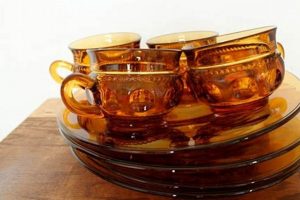
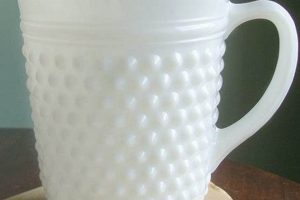
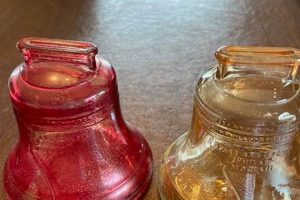
The color and clarity of the glass are defining aesthetic elements. Variations range from clear glass to shades of green, blue, amber, and even milk glass, each achieved through different manufacturing processes and the addition of specific minerals. Imperfections, such as bubbles or slight variations in color, are often considered hallmarks of authenticity and contribute to the bottle’s unique character. The clarity of the glass impacts how the contents are perceived, with clearer glass generally indicating a higher level of purity and quality, though colored glass was often used for medicinal purposes to protect the contents from light.
- Embossing and Labeling
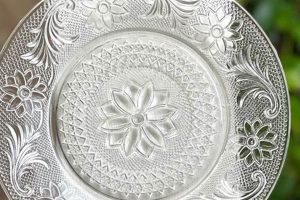
Embossed lettering, logos, and decorative motifs are common features on such bottles, providing valuable information about the manufacturer, contents, and date of production. These raised designs not only enhance the bottle’s visual appeal but also serve as a historical record. Early examples often feature simple, functional lettering, while later bottles may incorporate more elaborate designs and graphics. The presence and condition of original labels, whether paper or applied ceramic, further contribute to the bottle’s value and authenticity.
- Closure Mechanisms
The design of the bottle’s closure, whether a simple cork stopper, a ground glass stopper, or a more complex mechanical closure, is an integral part of its overall aesthetic. These mechanisms reflect the technological advancements of the time and contribute to the bottle’s functionality and visual appeal. Elaborate closures, such as those found on early seltzer bottles, often feature intricate metalwork and lever mechanisms, adding a touch of elegance to the overall design.
These design elements collectively contribute to the aesthetic character of these bottles. The intricate interplay of form, color, embossing, and closure mechanisms underscores their status as objects of both functional utility and artistic expression. These details provide insights into the cultural and industrial history they represent, and a source of fascination for collectors and historians alike.
2. Material Composition
The substance from which these aged hydration containers are constructed fundamentally determines their durability, safety, and aesthetic properties. The composition of the glass, specifically, dictates its resistance to chemical leaching, thermal shock, and physical damage. Early examples, often crafted from soda-lime glass, might exhibit a greater susceptibility to degradation compared to later formulations that incorporate lead or borosilicate. The presence of trace elements introduced during the manufacturing process can also affect the glass’s color and clarity, creating variations that are prized by collectors. For instance, manganese dioxide was commonly added to counteract iron impurities, resulting in clear glass, but over time, exposure to ultraviolet light can cause the manganese to oxidize, leading to a subtle amethyst hue. This unintended consequence of the material composition provides a visible marker of the bottle’s age and history.
The formulation of the glass is also significant from a practical standpoint. A bottle made from unstable or poorly formulated glass is more prone to cracking or shattering when exposed to temperature fluctuations or physical stress. This poses a risk if the bottle is intended for functional use. Furthermore, certain glass compositions, particularly those containing lead, can leach harmful substances into the liquid stored within, raising health concerns. Thus, an understanding of the glass’s material composition is critical for evaluating its suitability for various purposes. Lead crystal, valued for its brilliance and clarity, was sometimes used in the production of decorative bottles; however, its use for storing beverages is generally discouraged due to the potential for lead contamination. Recognizing these risks is essential for ensuring safe handling and usage practices.
In conclusion, the composition of the glass is an inextricable element in defining the characteristics of these historic containers. It influences not only their physical properties and aesthetic appeal but also their safety and suitability for continued use. A detailed comprehension of the material composition, including the types of glass used and the potential risks associated with certain formulations, is essential for collectors, historians, and anyone considering repurposing these objects. This knowledge allows for informed decisions regarding their acquisition, preservation, and safe handling.
3. Historical Context

The historical context significantly shapes the understanding and value assigned to these aged glass hydration containers. Each bottle embodies a specific period, reflecting its manufacturing techniques, social customs, and economic conditions. Examining this historical backdrop is crucial for appreciating these objects beyond their mere functionality.
- Evolution of Glass Manufacturing
The methods used to produce glass have evolved drastically over time. Early bottles, often mouth-blown, exhibit unique imperfections that distinguish them from later mass-produced examples. The introduction of automated machinery in the late 19th and early 20th centuries led to greater consistency and volume in glass production. Identifying the manufacturing process helps to date and authenticate a particular bottle. For example, a bottle with distinct mold seams likely originated from the machine-made era, whereas the absence of such seams suggests an earlier, handcrafted origin. These manufacturing milestones directly influenced the form, quality, and availability of glass bottles.
- Social and Cultural Influences
The design and use of liquid containers reflect broader social and cultural norms. During the Victorian era, intricate designs and ornate labels were common, reflecting the era’s emphasis on aesthetics and branding. The temperance movement in the 19th century led to increased production of water bottles, reflecting growing awareness of public health. Similarly, the rise of commercial bottling companies in the late 19th and early 20th centuries transformed how beverages were distributed and consumed. The types of liquids these bottles heldmineral water, medicinal tonics, or commercial drinksmirror shifts in societal values and economic trends.
- Economic Factors and Distribution
Economic factors played a significant role in the production and distribution of glass bottles. The cost of raw materials, labor, and transportation affected the price and availability of these containers. The development of railway networks facilitated the mass distribution of bottled beverages, transforming local markets into national industries. Advertising and marketing techniques also influenced consumer demand and brand recognition. The presence of specific brand names on bottles can provide insights into the economic landscape of the time, revealing the successes and failures of various businesses. Embossed logos and trademarks offer tangible evidence of the economic forces at play during the bottle’s period of use.
- Environmental Considerations
While the environmental implications of glass production were not a primary concern in earlier eras, historical context can still illuminate evolving attitudes toward resource management. The reuse and recycling of bottles, practices that were common before the widespread adoption of single-use plastics, reflect a different approach to consumption. The transition from returnable glass bottles to disposable containers represents a significant shift in environmental consciousness. Studying the prevalence of glass recycling programs in different eras provides insight into historical attitudes toward sustainability and waste management.
Understanding the historical context, from manufacturing processes to social influences and economic factors, enriches the appreciation of these receptacles. These containers transcend their function as mere hydration vessels, instead becoming tangible artifacts embodying a distinct historical era. This knowledge enhances their value as collectibles and valuable artifacts.
4. Collectible Value

The monetary worth of these antiquated liquid containers extends beyond their intrinsic material value, influenced by diverse elements that drive their appeal within collector circles. Factors such as rarity, condition, historical significance, and aesthetic qualities converge to determine their market price.
- Rarity and Scarcity
The limited availability of certain designs, manufacturing periods, or variations significantly elevates their collectibility. Bottles produced in smaller quantities, those with short production runs, or those specific to a particular region are generally more sought after. For instance, a cobalt blue glass bottle from a defunct mineral water company, with a limited distribution in the early 20th century, may command a higher price than a more common, mass-produced clear glass bottle from the same era. Scarcity is a primary driver in establishing value within the collector market.
- Condition and Preservation
The physical state of the bottle is a critical determinant of its collectible value. Bottles in pristine condition, free from cracks, chips, scratches, or significant discoloration, are more desirable. Original labels and closures, if present and well-preserved, further enhance the bottle’s worth. However, even bottles with minor imperfections may retain value if they represent a particularly rare or historically significant example. A bottle showing signs of age but retaining its original manufacturer’s label may be preferred over a flawless example without the label.
- Historical Significance and Provenance
Bottles associated with significant historical events, figures, or companies often possess heightened collectible value. Bottles from apothecaries that served prominent members of society or those used during wartime may attract collectors interested in specific historical narratives. Provenance, or the documented history of ownership, adds credibility and value. A bottle with verifiable documentation linking it to a notable event or person is likely to command a premium price. Historical context enriches their story and, in turn, its value.
- Aesthetic Appeal and Design
The visual characteristics of the bottle, including its shape, color, embossing, and overall design, contribute significantly to its collectibility. Bottles with unique or visually striking designs are more attractive to collectors seeking aesthetically pleasing additions to their collections. The artistry and craftsmanship evident in certain bottles, such as those featuring intricate hand-blown details or elaborate embossed patterns, enhance their perceived value. Visual beauty increases its appreciation.
These factors interconnect to establish the collectible value of these glass vessels. While rarity and condition often serve as primary determinants, historical significance and aesthetic appeal can elevate the worth of even common examples. Understanding these multifaceted influences is crucial for collectors seeking to acquire and appreciate these historical artifacts.
5. Functional Integrity

The functional integrity of an antique glass hydration vesselits ability to safely and effectively contain liquidsis paramount, yet it often presents a complex assessment. The age and prior usage of these items inevitably impact their structural soundness and material stability. For instance, repeated exposure to temperature fluctuations can induce micro-fractures in the glass, weakening its overall resistance to pressure. Similarly, prolonged contact with acidic substances may gradually leach components from the glass matrix, potentially compromising its integrity and introducing harmful elements into the stored liquid. Consequently, the practical utility of these items for their original purpose is contingent upon a thorough evaluation of their present condition.
Determining the functional integrity of these bottles involves careful inspection for visible damage, such as cracks, chips, or significant clouding, which can indicate structural compromise. However, more subtle indicators, such as hairline fractures or internal stress, may require specialized testing. Furthermore, the presence of lead in certain glass compositions, common in antique crystal, poses a potential health risk if used for storing potable liquids. Therefore, while an antique glass bottle might possess aesthetic appeal and historical value, its safe and reliable use for modern hydration purposes necessitates a comprehensive understanding of its material composition and physical condition. Consider, for example, a bottle recovered from a shipwreck; though visually appealing, prolonged exposure to saltwater may have irreversibly compromised the glass, rendering it unsuitable for containing potable water.
In summary, the connection between functional integrity and these vintage containers is one of careful assessment and informed decision-making. While the allure of repurposing these historic objects is undeniable, prioritizing safety and health is crucial. The challenges associated with assessing glass integrity and the potential risks involved necessitate a cautious approach. A thorough evaluation, and often, opting for display purposes over practical use, is paramount to ensure that the appreciation of these items does not come at the expense of well-being. The broader theme remains respecting both the history and potential limitations of these tangible artifacts.
Frequently Asked Questions
The following questions and answers address common inquiries regarding the acquisition, use, and preservation of vintage glass water bottles. The information provided aims to offer clarity and guidance based on accepted knowledge and best practices.
Question 1: Are vintage glass water bottles safe to use for drinking water?
The safety of utilizing these bottles for storing drinking water is contingent upon several factors. The glass composition must be assessed to rule out the presence of lead or other leachable toxins. Furthermore, the bottle should be meticulously inspected for cracks, chips, or any signs of structural compromise that could harbor bacteria. Given these considerations, exercising caution and prioritizing newer, certified safe water containers is advisable.
Question 2: How can one determine the age of a vintage glass water bottle?
Determining the age of these bottles involves examining several characteristics. These include the presence and type of mold seams, the glass color and clarity, the style of embossing or labeling, and any maker’s marks. Consulting resources on bottle identification and, if possible, seeking expert advice are recommended for accurate dating.
Question 3: What is the best method for cleaning a vintage glass water bottle?
The recommended cleaning method involves using warm water and a mild, non-abrasive soap. Harsh chemicals or abrasive scrubbing tools should be avoided as they can damage the glass surface. For stubborn stains, a diluted vinegar solution may be employed. Thorough rinsing and air-drying are essential after cleaning.
Question 4: How should vintage glass water bottles be stored to prevent damage?
Proper storage is crucial for preserving these bottles. They should be stored in a cool, dry place away from direct sunlight, which can fade the glass or damage labels. Individually wrapping each bottle in acid-free tissue paper or padded sleeves is recommended to prevent scratches and breakage. Shelving should be sturdy and capable of supporting the weight of the bottles.
Question 5: What factors influence the collectible value of vintage glass water bottles?
The collectible value is influenced by rarity, condition, historical significance, and aesthetic appeal. Rare designs, pristine condition, association with notable events or brands, and visually striking features all contribute to a bottle’s market price. Verifiable provenance also significantly enhances value.
Question 6: Are reproductions of vintage glass water bottles common, and how can they be identified?
Reproductions of these bottles do exist and can sometimes be difficult to distinguish from originals. Examining the glass quality, mold seams, and the accuracy of embossing or labeling is essential. Modern reproductions often exhibit a higher level of uniformity and lack the subtle imperfections found in older, handcrafted bottles. Comparing the bottle to known examples and consulting with experienced collectors can aid in identifying reproductions.
In summary, the safe usage, accurate identification, proper care, and valuation of vintage glass water bottles require careful consideration and informed decision-making. The guidance provided addresses common concerns and promotes responsible handling of these historical artifacts.
The subsequent sections will explore the potential risks associated with using these bottles and suggest alternative options for modern hydration.
Conclusion
This exploration of the vintage glass water bottle has revealed its multifaceted nature, extending beyond mere functionality. From considerations of material composition and historical significance to assessments of collectible value and functional integrity, these vessels offer a tangible connection to the past. Key to their appreciation lies in recognizing the interplay of aesthetics, historical context, and potential limitations.
While these antique containers evoke a sense of nostalgia and offer a glimpse into bygone eras, responsible stewardship necessitates careful consideration of their safety and suitability for contemporary use. Whether preserved as artifacts of cultural heritage or repurposed with caution, the vintage glass water bottle serves as a reminder of the evolving relationship between society, technology, and the environment. Further research and informed practices are crucial to ensuring their continued appreciation for future generations.