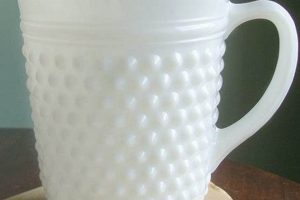
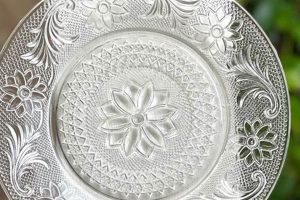
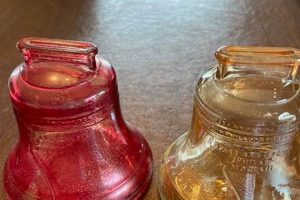
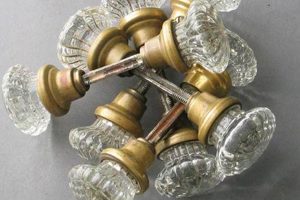
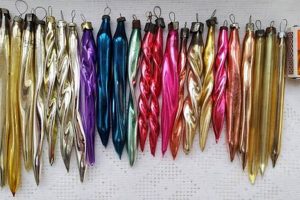
These collectible items, often dating back several decades, encompass a range of tableware crafted from various types of glass. Examples include Depression-era pressed glass, elegant etched crystal, and mid-century modern designs featuring bold colors and patterns. Their appeal lies in their aesthetic qualities and connection to specific periods in design and manufacturing history.
The significance of such items extends beyond mere functionality. They represent a tangible link to past eras, reflecting evolving styles and societal values. Collecting these objects can provide insight into the history of glassmaking techniques, decorative arts, and domestic life. Furthermore, these pieces frequently possess intrinsic value, appreciated both by collectors and those seeking unique additions to their homes.
The following sections will delve into the diverse categories of these items, offering guidance on identification, care, and the factors that contribute to their desirability in the current market. We will also explore resources for both novice and experienced enthusiasts seeking to expand their knowledge and collections.
Acquiring and maintaining these objects requires careful consideration. Several factors influence their value and longevity. The following guidance provides essential advice for collectors and enthusiasts.
Tip 1: Authentication is Paramount. Thoroughly research maker’s marks and patterns. Reputable resources and knowledgeable dealers can assist in verifying authenticity and identifying reproductions.
Tip 2: Condition Impacts Value. Examine pieces meticulously for chips, cracks, and cloudiness. Damage diminishes desirability and affects the item’s worth. Minor imperfections may be acceptable depending on rarity.
Tip 3: Storage Requires Deliberation. Avoid stacking delicate items directly against each other. Utilize padded dividers or protective sleeves to prevent scratching and chipping. Control humidity and temperature to minimize potential degradation.
Tip 4: Gentle Cleaning is Essential. Refrain from using abrasive cleaners or harsh chemicals. Hand-washing with mild detergent and lukewarm water is recommended. Dry thoroughly with a soft cloth to prevent water spots.
Tip 5: Recognize Rarity and Demand. Pieces from limited production runs or those associated with specific historical events often command higher prices. Monitor auction results and market trends to understand current valuations.
Tip 6: Document Your Collection. Maintain detailed records of acquisitions, including purchase dates, prices, and provenance. Photographs and appraisal reports can be invaluable for insurance purposes and future resale.
Adherence to these guidelines contributes to the preservation of these historical artifacts and maximizes their potential value. Thoughtful handling and responsible acquisition practices ensure these items can be appreciated for generations to come.
The subsequent sections will address the economic aspects of collecting, including strategies for buying, selling, and insuring these items.
1. Identification

Correct identification is paramount when dealing with glass tableware from previous eras. Accurate attribution determines value, authenticity, and historical significance. It separates genuine articles from reproductions and assists in understanding the object’s origin and purpose.
- Maker’s Marks
Many manufacturers imprinted or etched marks onto their products. These marks, which can be located on the base or body of the dish, provide a direct link to the producing company. Researching databases of maker’s marks is an essential first step in the identification process. Absence of a mark does not necessarily indicate a reproduction, as some items were unmarked, particularly during certain production periods. However, the presence of a known mark significantly aids authentication.
- Pattern Recognition
Distinct patterns were often associated with specific manufacturers or time periods. Depression glass, for example, is characterized by particular motifs and colors. Reference books and online resources dedicated to pattern identification are invaluable tools. Matching a dish to a known pattern database confirms its production era and potential manufacturer. Variations in pattern details can also reveal subtle differences between original pieces and later reproductions.
- Color Analysis
Certain colors were more prevalent during specific periods. Uranium glass, for example, was popular in the early 20th century. Specific shades of pink, green, or blue are also indicative of certain manufacturers or eras. Comparing the color of a dish to known samples from the same period can provide further evidence of authenticity. Color variations due to manufacturing processes or age must also be considered.
- Seam Inspection
The presence and nature of seams provide clues about the manufacturing process. Molded glass pieces will have seams where the mold sections joined. Examining the seam location, its smoothness, and the presence of any irregularities can help determine the production method and approximate age. Hand-blown glass, for instance, will lack prominent seams. Understanding the characteristics of different glassmaking techniques is vital for accurate assessment.
By carefully analyzing these elements maker’s marks, pattern recognition, color analysis, and seam inspection a more informed and accurate identification of glass tableware can be achieved. This meticulous approach ensures that collectors and enthusiasts possess a deeper understanding of the objects they acquire and appreciate.
2. Condition

The state of preservation is a critical determinant of value and desirability when considering glass tableware from past eras. Condition directly impacts the aesthetic appeal, structural integrity, and ultimately, the market value of these items. A comprehensive assessment of condition requires careful observation and a thorough understanding of potential flaws and damage.
- Chips and Cracks
These are the most common and readily apparent forms of damage. Chips, ranging in size from minor nicks to substantial missing pieces, detract from the item’s visual appeal and can compromise its structural stability. Cracks, whether hairline or more extensive, pose a significant threat to the integrity of the glass, potentially leading to further breakage. The location and severity of chips and cracks heavily influence the item’s value, with pieces exhibiting significant damage commanding substantially lower prices.
- Cloudiness and Staining
Over time, glass can develop a cloudy or stained appearance due to mineral deposits from repeated washing or exposure to certain environmental conditions. This cloudiness diminishes the clarity and brilliance of the glass, affecting its aesthetic qualities. Staining, often caused by hard water or exposure to acidic substances, can be difficult to remove and may permanently alter the color and transparency of the glass. The extent of cloudiness and staining is a key factor in evaluating the overall condition.
- Scratches and Abrasions
Surface scratches and abrasions are common on well-used vintage glass dishes. These imperfections, often caused by handling, stacking, or improper cleaning, reduce the smoothness and reflectivity of the glass surface. While minor scratches may be considered acceptable on older pieces, extensive abrasions significantly detract from the item’s aesthetic value. The depth and distribution of scratches are important considerations when assessing the overall condition.
- Repairs and Alterations
Previous repairs or alterations can significantly impact the value and authenticity of vintage glass dishes. Repairs, such as gluing broken pieces back together, may be visually noticeable and can compromise the structural integrity of the item. Alterations, such as the addition of decorative elements or modifications to the original form, detract from the historical accuracy and collectible value. Transparency regarding any past repairs or alterations is crucial for ethical and accurate valuation.
Therefore, a diligent evaluation of condition, considering factors such as chips, cracks, cloudiness, scratches, repairs, and alterations, is paramount for anyone seeking to acquire or appreciate glass tableware from previous eras. Understanding the impact of these factors allows for a more informed assessment of value, authenticity, and long-term preservation potential. It also facilitates fair transactions between buyers and sellers, and appreciation of the items.
3. Rarity

The scarcity of particular specimens directly influences the market value and collectibility of glass tableware from previous eras. Items produced in limited quantities, due to short production runs, experimental designs, or wartime material restrictions, command higher prices than mass-produced contemporaries. Factors contributing to scarcity include manufacturing errors, limited-edition releases, and designs that were quickly discontinued due to lack of market acceptance. For example, certain patterns of Depression glass, produced for only a brief period or in a specific, uncommon color, are significantly more valuable than more ubiquitous patterns. Understanding the causes of rarity is fundamental to assessing the potential worth of any given piece.
The effect of rarity is further amplified by demand. If a scarce pattern or color also possesses strong aesthetic appeal or is associated with a particularly desirable manufacturer, its value increases exponentially. Collectors often dedicate considerable resources to acquiring rare pieces to complete sets or to obtain unique examples that showcase the artistry and innovation of past eras. Conversely, even a piece of exceptional craftsmanship and aesthetic merit will have limited market value if it is readily available. The interplay between rarity and desirability dictates market dynamics.
Therefore, recognizing the factors that contribute to the scarcity of this type of tableware is of paramount importance for collectors, historians, and dealers. Identifying limited production runs, understanding the impact of historical events on material availability, and researching the design history of specific patterns are essential steps in determining the true value and significance of a particular item. Accurate assessment of this kind of item requires knowledge, diligence, and an appreciation for the historical context that shaped its creation and subsequent rarity.
4. Pattern

The aesthetic appeal and historical context of these items are often defined by their pattern. It is not merely decorative; it serves as a key identifier, linking a dish to a specific manufacturer, time period, and design movement. The pattern can reveal information about the manufacturing techniques employed, reflecting the stylistic preferences and technological capabilities of its era. For example, intricate floral motifs are characteristic of many Depression-era designs, while geometric patterns are indicative of the Art Deco period. Understanding these relationships allows collectors and enthusiasts to date and authenticate these items, as well as appreciate their artistic merit.
Pattern recognition offers practical benefits beyond historical identification. It aids in completing sets, matching replacement pieces, and making informed purchasing decisions. The ability to distinguish between similar patterns produced by different manufacturers, or to identify variations within a single pattern family, is crucial for both novice and experienced collectors. For instance, several companies produced similar floral designs during the Depression era, but subtle differences in the size, shape, and arrangement of the motifs can differentiate a valuable piece from a common reproduction. This knowledge also enables the accurate pricing and valuation of vintage pieces, reflecting their rarity, condition, and desirability.
The study of patterns reveals the evolution of design trends and consumer tastes over time. From the elaborate cut glass patterns of the late 19th century to the streamlined geometric designs of the mid-20th century, patterns reflect shifting cultural values and technological advancements. Challenges in pattern identification include variations in color, size, and application techniques, as well as the presence of counterfeit or altered designs. A thorough understanding of pattern, therefore, enhances the appreciation and preservation of these items, connecting these objects to the broader narrative of design history.
5. Maker

The identity of the manufacturer is a critical determinant of value, authenticity, and historical context for glass tableware manufactured in prior eras. The maker’s mark, or lack thereof, offers key insights into the piece’s origin, production methods, and potential scarcity. For example, pieces produced by renowned glassmakers such as Tiffany or Steuben command premium prices due to their artistic merit, craftsmanship, and historical significance. Conversely, items from lesser-known manufacturers may be less valuable, although they can still possess aesthetic or historical interest. Understanding the characteristics and production history of various manufacturers is essential for collectors and dealers.
Furthermore, the maker’s influence extends beyond mere identification. The manufacturer’s choice of materials, design aesthetics, and production techniques all contribute to the unique qualities of the item. For instance, Fenton Art Glass is known for its iridescent Carnival glass, while Hazel Atlas Glass Company is recognized for its mass-produced, durable Depression-era tableware. Recognizing these distinctive styles allows for more accurate attribution and a deeper appreciation of the design and manufacturing practices of different eras. Certain manufacturers may also be associated with specific patterns or color palettes, further aiding in identification and valuation.
In conclusion, the maker’s identity is an indispensable element in the study and appreciation of glass dishes from vintage eras. Identifying the manufacturer allows for a deeper understanding of the item’s historical context, production methods, and aesthetic qualities. It informs valuation, authentication, and collection strategies. A thorough understanding of various manufacturers and their distinctive characteristics is essential for anyone seeking to acquire, sell, or simply appreciate this type of glassware.
6. Era

The chronological period during which glass tableware was manufactured is a fundamental determinant of its characteristics and value. Each era possesses distinctive styles, manufacturing techniques, and material preferences that directly influence the appearance, durability, and collectibility of the items produced. For example, glass dishes from the Victorian era often feature ornate designs, elaborate etching, and heavy use of lead crystal. In contrast, Depression-era glassware is characterized by simpler designs, mass-production techniques, and the use of less expensive materials. The era of production provides a crucial framework for understanding the design, function, and cultural context of this type of dishware.
The impact of the era extends beyond mere aesthetics. Manufacturing innovations, economic conditions, and social trends all contribute to the unique qualities of the dishes. The introduction of automated glassmaking processes in the early 20th century led to increased production volumes and affordability, impacting design and quality. Wartime material restrictions influenced the colors and types of glass used. The prevalence of certain patterns or styles in a particular era reflects the prevailing tastes and values of the time. Understanding the historical context surrounding the production of vintage glass is therefore critical for accurate identification and appreciation.
In summary, the era in which this style of dishware was produced serves as a primary lens through which to interpret its design, materials, and historical significance. Recognizing the stylistic trends, manufacturing innovations, and economic conditions associated with different eras allows for a more nuanced understanding of these objects. Challenges in identifying the era include overlapping styles and the reproduction of historical designs. However, a thorough understanding of the chronological context remains essential for collectors, historians, and anyone seeking to appreciate the rich history embodied in vintage glass tableware.
7. Material
The composition of vintage glass dishes profoundly influences their durability, aesthetic characteristics, and historical value. Variations in glass formulations impact factors such as clarity, color, and resistance to thermal shock. For instance, lead crystal, prevalent in higher-end tableware before the mid-20th century, exhibits a higher refractive index, resulting in greater brilliance and perceived quality. This distinction is evident in the sharp, precise cuts characteristic of crystal goblets and serving pieces from the Victorian and Edwardian eras. Conversely, Depression-era glass, often made from less expensive soda-lime glass, displays a simpler, more utilitarian aesthetic due to material constraints. Material choices, therefore, directly reflect prevailing economic conditions and manufacturing capabilities.
Certain materials, such as uranium glass (Vaseline glass) or those incorporating rare earth elements, impart unique visual properties to the dishes. Uranium glass, for example, fluoresces under ultraviolet light, creating a distinctive glow. This material’s limited use due to safety concerns further enhances the collectibility of vintage examples. Similarly, the addition of manganese to glass formulas can produce a subtle amethyst tint over time, a characteristic often observed in older, clear glass pieces exposed to sunlight. The material composition, therefore, serves as a diagnostic marker for identifying the age and potential provenance of glass tableware. Understanding these material-specific characteristics enables more informed appraisal and acquisition decisions.
In summary, the material composition is an essential consideration when evaluating vintage glass dishes. It influences the aesthetic qualities, physical properties, and historical context of these items. Variations in glass formulas reflect economic conditions, manufacturing practices, and design trends of different eras. Accurate identification of the material, including its additives and potential impurities, allows for a more comprehensive understanding of the value and significance of vintage glass tableware, while also helping to ensure its proper handling and preservation.
Frequently Asked Questions
This section addresses common inquiries regarding the identification, care, and valuation of collectible tableware from past eras.
Question 1: What factors primarily determine the value of glass dishes classified as vintage?
The value is influenced by a combination of factors, including the manufacturer, the pattern’s rarity, the dish’s condition (absence of chips, cracks, or cloudiness), the historical significance of the era of production, and current market demand.
Question 2: How can reproductions of glass dishes be distinguished from authentic vintage pieces?
Careful examination of the maker’s mark (if present), the pattern details, and the overall quality of the glass is essential. Reproductions often exhibit subtle differences in color, mold seams, and the sharpness of the design compared to original pieces. Consulting reference guides and experienced dealers can also be beneficial.
Question 3: What are the recommended methods for cleaning vintage glass dishes without causing damage?
Gentle hand-washing with lukewarm water and a mild detergent is recommended. Avoid abrasive cleaners, scouring pads, and dishwashers, as these can scratch the surface or fade delicate decorations. Dry thoroughly with a soft, lint-free cloth to prevent water spots.
Question 4: Is it safe to use vintage glass dishes for serving food and beverages?
While many vintage glass dishes are safe for use, it is advisable to exercise caution, particularly with pieces from earlier periods or those exhibiting signs of wear or damage. Avoid using lead crystal dishes for serving acidic foods or beverages, as lead can leach into the contents.
Question 5: How should vintage glass dishes be stored to prevent breakage and deterioration?
Store dishes in a cool, dry place away from direct sunlight and extreme temperature fluctuations. Use padded dividers or protective sleeves to prevent scratching when stacking. Avoid placing heavy items on top of delicate pieces.
Question 6: What is the significance of the term “Depression glass” in the context of vintage glass dishes?
Depression glass refers to inexpensive, mass-produced glassware made during the Great Depression in the United States. It is characterized by its pastel colors, simple patterns, and affordability, reflecting the economic hardship of the era. While not always valuable, Depression glass holds historical and nostalgic significance.
Proper care and diligent research ensure the longevity and accurate valuation of these collectibles.
The following section will explore resources available to collectors.
Conclusion
The preceding sections have explored various facets of glass dishes manufactured in prior eras. Key points encompass identification techniques based on maker’s marks and patterns, condition assessment involving detection of chips and cracks, and the significance of rarity in determining market value. Furthermore, the influence of the manufacturing era and material composition on the characteristics of these items has been elucidated. These aspects provide a foundation for informed collecting and responsible stewardship.
Understanding these elements enables more than mere acquisition; it fosters appreciation for the artistry, craftsmanship, and historical context embedded within these objects. Continued research and diligent preservation efforts are encouraged to safeguard the legacy of vintage glass dishes for future generations. The pursuit of knowledge enhances the value of the collection.