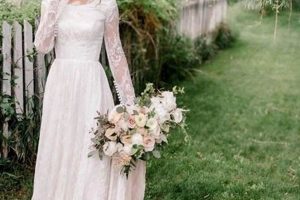
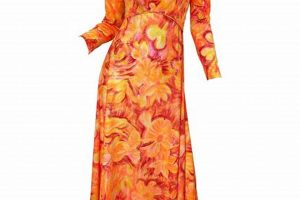
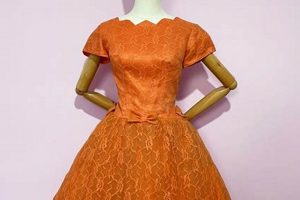
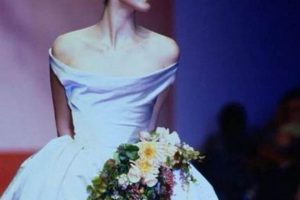
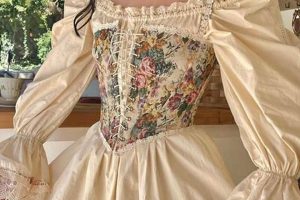
Garments worn by brides during the 1940s, reflecting the era’s stylistic and material constraints, are often sought after for their historical significance and unique aesthetic. These bridal gowns, evocative of a specific period, represent a tangible link to the past and offer a distinctive alternative to contemporary designs. Examples include tea-length dresses made from rayon or crepe, often featuring delicate lace detailing or subtle embellishments.
The appeal of these garments lies in their embodiment of resourcefulness and understated elegance. World War II significantly impacted fabric availability, leading to simpler silhouettes and creative use of materials. Choosing one of these gowns connects individuals with a period of history and offers a sustainable option, promoting reuse and reducing reliance on newly manufactured goods. Furthermore, their distinctive design can provide a classic and timeless appearance, standing apart from current trends.
Understanding the key characteristics of the time period, the types of materials used, and the available styles is crucial when seeking an authentic example. This article will delve into the defining features of bridal wear from this decade, providing information on fabric identification, silhouette analysis, and where to source these pieces.
Guidance for Acquiring Bridal Attire from the 1940s
The pursuit of authentic bridal wear from the 1940s requires careful consideration and a discerning eye. Several key factors contribute to a successful acquisition and ensure the garment’s historical accuracy and suitability for the modern wearer.
Tip 1: Material Identification is Essential: Rayon, crepe, and satin were commonly used due to wartime restrictions. Identifying these materials helps verify the dress’s age and authenticity. Examine the fabric’s texture and weight to determine if it aligns with typical 1940s materials.
Tip 2: Assess the Silhouette’s Accuracy: Bridal gowns from this era generally featured A-line skirts, defined waistlines, and modest necklines. Avoid dresses with excessive embellishments or modern alterations that deviate from the period’s design principles.
Tip 3: Inspect for Age-Related Damage: Carefully examine the dress for signs of wear, such as stains, tears, or weakened seams. Minor imperfections are common in vintage garments, but significant damage may require extensive and costly repairs.
Tip 4: Verify Sizing and Fit: Sizing standards differed significantly in the 1940s. Take accurate measurements and compare them to the dress’s dimensions. Consider alterations to achieve a proper fit, but prioritize preserving the original design.
Tip 5: Authenticate Lace and Embellishments: If the gown features lace or other embellishments, research their characteristics to confirm their vintage appropriateness. Machine-made lace, for instance, became more prevalent during this period.
Tip 6: Source from Reputable Vendors: Seek out reputable vintage clothing dealers or antique shops specializing in bridal wear. Experienced vendors can provide valuable insights into a garment’s history and authenticity.
Tip 7: Consider the Gown’s Overall Condition: Assess not only the obvious damage but also the overall integrity of the fabric and construction. A well-preserved garment will require less restoration and offer greater long-term wearability.
Tip 8: Document the Purchase: Obtain detailed information about the gown’s history and provenance, if available. Maintain records of any alterations or repairs performed to preserve its value and authenticity.
By adhering to these guidelines, individuals can increase the likelihood of acquiring an authentic and well-preserved bridal gown from the 1940s, ensuring a unique and historically significant addition to their wedding day.
With this in mind, the following sections will explore sourcing options, restoration considerations, and styling suggestions for these unique and timeless garments.
1. Wartime fabric limitations

The exigencies of World War II profoundly shaped the characteristics of bridal gowns created in the 1940s. Wartime fabric limitations were not merely a backdrop; they were a determining factor influencing the materials, silhouettes, and overall design of these garments. Prioritization of resources for military purposes led to severe restrictions on the availability of silk, nylon, and other traditionally luxurious fabrics commonly used for wedding dresses. This scarcity compelled designers and brides to adapt, resulting in a shift toward alternative, more readily accessible materials like rayon, crepe, and cotton blends. The consequence was a distinctive aesthetic defined by practicality and resourcefulness.
The impact extended beyond material choices. The rationing of fabric dictated simpler, less voluminous designs. Extravagant trains and elaborate embellishments were largely abandoned in favor of more streamlined silhouettes such as A-line skirts and shorter, tea-length hemlines. The concept of making do became ingrained in bridal fashion, with brides often repurposing existing fabrics or even wearing modified versions of their mothers’ or grandmothers’ dresses. For example, a bride might have used parachute silk to create a wedding gown after a family member returned from service, showcasing both ingenuity and a patriotic spirit. This period fostered a new appreciation for understated elegance, where beauty emerged from necessity rather than opulence.
Understanding wartime fabric limitations is crucial when assessing the authenticity and historical context of dresses from this period. The presence of rayon or crepe, the absence of silk or extravagant embellishments, and simpler silhouettes are all telltale signs of a 1940s wartime-era gown. Recognizing these characteristics not only aids in accurate identification but also provides insight into the social and economic realities that shaped bridal fashion during this transformative time. The limitations, rather than detracting from the beauty of these garments, contributed to a unique and enduring style that continues to resonate today.
2. Tea-length silhouettes

Tea-length silhouettes, characterized by hemlines falling midway between the knee and ankle, represent a defining characteristic of bridal gowns from the 1940s. This style choice was influenced by wartime fabric rationing and a shift toward more practical and versatile designs, solidifying its place as a key element of the era’s aesthetic.
- Fabric Conservation
The reduced fabric requirements of tea-length dresses aligned with wartime austerity measures. Shortening the hemline allowed for the creation of more dresses with the limited available material, directly addressing the societal need for resourcefulness. For example, a full-length gown might have been shortened to tea-length, repurposing the excess fabric for other garments or household needs.
- Practicality and Versatility
Tea-length dresses offered greater freedom of movement and were considered more practical for wartime activities and everyday life compared to longer, more cumbersome gowns. Brides could potentially wear their wedding dress for other occasions after the ceremony, increasing the garment’s utility and value. An example would be altering the dress slightly after the wedding to be worn to dances or social gatherings.
- Design Aesthetic
The tea-length silhouette contributed to the overall understated elegance associated with 1940s bridal fashion. It complemented the A-line shapes and defined waistlines prevalent during the period, creating a balanced and refined look. Designers often incorporated delicate lace or subtle embellishments to enhance the dress’s visual appeal without adding excessive fabric or extravagance.
- Influence of Ready-to-Wear
The growing popularity of ready-to-wear clothing also influenced the adoption of tea-length hemlines in bridal wear. This trend democratized fashion and made it more accessible to a wider range of women. Bridal gowns started to reflect the styles and trends found in everyday clothing, blurring the lines between special occasion wear and ready-to-wear garments.
The prevalence of tea-length silhouettes in bridal attire from the 1940s reflects a convergence of economic constraints, practical considerations, and evolving fashion trends. This characteristic contributes significantly to the distinct aesthetic of this era’s bridal wear, providing a tangible link to the historical context in which these dresses were created.
3. Defined waistlines

Defined waistlines are a consistent and noteworthy characteristic of bridal gowns from the 1940s. This design element contributed significantly to the overall silhouette and aesthetic of garments created during this era, reflecting both prevailing fashion trends and wartime resourcefulness.
- Emphasis on Femininity
The defined waistline accentuated the female form, providing a flattering and elegant shape. This focus on femininity offered a contrast to the more utilitarian styles that had gained prominence during the earlier part of the war, signaling a subtle return to more traditional ideals of beauty. For example, the use of belting or carefully tailored seams helped to create a distinct hourglass figure, even with the limitations on fabric.
- Construction Techniques
Achieving a defined waistline involved specific construction techniques, such as darting, seaming, and the use of fitted bodices. These techniques minimized fabric wastage while maximizing the shaping effect. Tailors and seamstresses employed creative methods to cinch the waist without relying on excessive materials or elaborate embellishments. An example includes the strategic placement of darts to draw in the fabric at the waist, creating a more pronounced curve.
- Influence of the “New Look”
While the “New Look” of Christian Dior, with its dramatically cinched waists and full skirts, emerged in the late 1940s, its influence can be seen in the precursory emphasis on the waistline already present in bridal fashion of the early to mid-1940s. Even with fabric restrictions, designers sought to create a defined silhouette that hinted at the more extravagant styles to come. This trend demonstrated a yearning for a return to more opulent designs following the austerity of the war years.
- Accessory Integration
Belts and sashes were frequently used to further accentuate the waistline. These accessories not only enhanced the silhouette but also provided an opportunity to add visual interest and personalize the gown. Belts could be made from the same fabric as the dress or from contrasting materials, such as velvet or ribbon, adding a touch of individuality to the overall design. This allowed brides to personalize their outfits despite material limitations.
The defined waistlines prevalent in 1940s bridal gowns represent more than just a stylistic preference. They reflect a complex interplay of fashion trends, construction techniques, and wartime limitations. This characteristic is essential for accurately identifying and appreciating the historical context of these vintage garments.
4. Rayon and crepe

The prevalence of rayon and crepe in garments, specifically within bridal attire from the 1940s, stems directly from the material constraints imposed by World War II. Traditional fabrics like silk and imported cotton were diverted to military use, leading to a reliance on domestically produced alternatives. Rayon, a manufactured fiber derived from cellulose, became a primary substitute due to its affordability and availability. Similarly, crepe, often made from rayon or wool, offered a textured surface that added visual interest to simpler designs necessitated by rationing. The use of these materials significantly shaped the aesthetic of bridal gowns during this era.
The impact of rayon and crepe extends beyond mere substitution. These fabrics possessed unique characteristics that influenced the drape and structure of bridal gowns. Rayon, with its silk-like sheen, provided a touch of elegance without violating wartime restrictions. Crepe, known for its textured surface and resistance to wrinkling, offered a practical choice for brides seeking garments that could withstand travel and extended wear. Consider, for example, a bride who chose a rayon crepe gown for its ability to be packed and transported easily as she moved to be with her deployed spouse. Understanding the properties of these materials is crucial for identifying authentic examples and for conservation efforts, as they require specific care to prevent degradation over time.
In conclusion, the widespread adoption of rayon and crepe in 1940s bridal attire was a direct consequence of wartime material shortages. These fabrics not only filled a practical need but also contributed to the distinctive style of the era. Recognizing the significance of rayon and crepe provides valuable insight into the historical context and design choices that defined bridal fashion during this transformative period. Challenges in preserving these garments exist due to the inherent fragility of these materials. However, acknowledging their importance ensures that these historical artifacts are properly cared for and appreciated for their contribution to fashion history.
5. Lace embellishments

Lace embellishments, while present across many eras of bridal fashion, held a particular significance in the context of 1940s vintage wedding dresses. Limited material resources during World War II prompted a move towards simpler dress silhouettes. As a result, lace details became an essential method for adding visual interest and elegance to gowns constrained by wartime austerity.
- Symbolic Value
Lace, traditionally associated with purity and delicacy, retained its symbolic meaning within 1940s bridal wear. It provided a visual representation of hope and romance during a period marked by uncertainty and sacrifice. Even small amounts of lace could convey a sense of luxury and celebration, offsetting the practical constraints of wartime fashion. For instance, a lace collar or sleeve trim elevated the otherwise simple design of a rayon dress.
- Material Availability and Versatility
While silk lace was often restricted, machine-made lace, including cotton and rayon varieties, became more prevalent. These alternatives offered a cost-effective and readily available means to incorporate intricate details into bridal gowns. Lace could be applied in various ways, from delicate edgings and appliqus to full lace overlays, providing versatility in design. A common example is the use of machine-made lace in a floral pattern applied to the bodice of a crepe wedding dress.
- Placement and Design Integration
The placement of lace was carefully considered to maximize its impact. Common areas for lace embellishments included necklines, sleeves, bodices, and hemlines. Designers often used lace to create focal points and draw the eye to specific areas of the gown. The integration of lace into the overall design was crucial for maintaining the gown’s balance and elegance. For example, lace sleeves could provide coverage while adding a touch of sophistication to a simple gown.
- Contrast and Texture
Lace offered a textural contrast against the smoother fabrics commonly used in 1940s dresses, such as rayon and crepe. This contrast added depth and visual interest to gowns that were otherwise lacking in elaborate details. The delicate nature of lace also served to soften the overall appearance of the dress, enhancing its romantic appeal. An example of this would be a stark crepe dress made more intricate with patterned lace accents.
In summation, lace embellishments in 1940s vintage wedding dresses transcended mere decoration. They represented a resourceful adaptation to wartime limitations, a continuation of traditional symbolism, and a deliberate design choice that enhanced the beauty and elegance of these garments. The strategic use of lace highlights the ingenuity and creativity of designers during a period of significant social and economic change, and the significance of the material for brides despite the trying times.
6. Understated elegance

The concept of understated elegance is intrinsically linked to bridal gowns from the 1940s. This era, defined by wartime constraints and a shift in societal values, saw a departure from ostentatious displays of wealth in favor of refined simplicity, shaping the design and aesthetic of wedding dresses.
- Simplicity in Silhouette
The prevalent A-line and tea-length silhouettes prioritized practicality and efficiency in material usage, contributing to an understated aesthetic. These shapes, while flattering, avoided excessive volume or embellishment, embodying a restrained elegance. For example, a dress featuring a simple A-line cut in rayon crepe achieved a sophisticated look without requiring extensive fabric or intricate construction, as opposed to more flamboyant styles.
- Minimalist Embellishments
Rather than elaborate beadwork or extravagant lace, dresses from the 1940s often featured subtle embellishments such as delicate lace trims, covered buttons, or refined floral appliqus. These details added visual interest without overwhelming the overall design, reinforcing the concept of understated beauty. An example is a gown with small, hand-stitched floral appliqus along the neckline, lending a touch of grace without dominating the entire silhouette.
- Quality of Materials
While luxurious fabrics like silk were often scarce, the focus shifted towards selecting high-quality rayon, crepe, or cotton blends. These materials, chosen for their drape and durability, contributed to the overall elegance of the garment through their subtle textures and refined appearance. The careful selection of these fabrics, despite their limitations, demonstrated a commitment to quality craftsmanship over ostentatious display.
- Emphasis on Fit and Proportion
With simpler designs, the fit and proportion of the dress became paramount. A well-tailored gown that accentuated the bride’s figure without being overly revealing embodied understated elegance. Emphasis was placed on clean lines and precise construction, ensuring that the dress complemented the wearer’s natural beauty. Skilled seamstresses carefully shaped each gown to ensure a perfect fit, enhancing its overall elegance through its form-fitting silhouette.
These facets of understated elegance, as manifested in bridal wear from the 1940s, represent a conscious choice to prioritize simplicity, quality, and refined design over extravagance. The legacy of this aesthetic continues to resonate in contemporary fashion, offering a timeless alternative to more flamboyant and trend-driven styles, particularly for those seeking a classic, sophisticated, and historically informed bridal look. The enduring appeal of gowns from this era lies in their ability to convey elegance through simplicity, a testament to the resourcefulness and creativity of designers during a time of significant social and economic change.
Frequently Asked Questions
The following section addresses common inquiries and misconceptions regarding bridal gowns originating from the 1940s. This information aims to provide clarity and guidance for individuals interested in acquiring or learning more about these historical garments.
Question 1: What distinguishes a bridal gown from the 1940s from those of other eras?
Dresses from the 1940s are characterized by their simpler silhouettes, often featuring A-line or tea-length hemlines. Materials commonly used include rayon and crepe due to wartime restrictions on silk and other luxurious fabrics. Understated embellishments such as lace trims or covered buttons are also typical.
Question 2: How does one authenticate a bridal gown as truly originating from the 1940s?
Authentication involves careful examination of materials, construction techniques, and design elements. Verify the presence of rayon or crepe and the absence of fabrics commonly restricted during the war. Assess the silhouette and embellishments for adherence to 1940s design conventions. Consult with reputable vintage clothing dealers for expert opinions.
Question 3: What condition can generally be expected when acquiring a bridal gown from this period?
Age-related wear and tear are common. Expect to find potential imperfections such as stains, tears, or weakened seams. The extent of damage varies depending on the garment’s storage conditions and previous use. A thorough inspection is essential before purchase.
Question 4: What considerations should be made regarding sizing and fit when acquiring a vintage garment?
Sizing standards from the 1940s differ significantly from contemporary sizes. Accurate measurements are crucial. Alterations may be necessary to achieve a proper fit while preserving the integrity of the original design. Consultation with a skilled tailor experienced in vintage clothing is recommended.
Question 5: Are there specific care instructions for preserving 1940s bridal gowns?
Due to the delicate nature of materials like rayon and crepe, professional cleaning by a specialist in vintage textiles is advisable. Avoid harsh chemicals and direct sunlight. Store the gown in a breathable garment bag in a cool, dry environment to prevent deterioration.
Question 6: What is the estimated cost associated with acquiring and restoring a 1940s bridal gown?
Costs vary widely depending on the gown’s condition, materials, and the extent of restoration required. Acquisition prices range from several hundred to several thousand dollars. Restoration costs can range from minor repairs to extensive reconstruction, potentially adding a significant expense.
In summary, acquiring a bridal gown from the 1940s requires careful research, diligent inspection, and a clear understanding of the garment’s historical context and material properties. Authenticity, condition, and fit are paramount considerations.
The following section will explore styling tips to complement and enhance the inherent charm of these classic wedding dresses.
Conclusion
This exploration of “1940’s vintage wedding dresses” has elucidated their defining characteristics, historical context, and acquisition considerations. The impact of wartime austerity on materials and design, the prevalence of tea-length silhouettes and defined waistlines, and the significance of lace embellishments have been examined. Material identification, authentication methods, and preservation techniques are critical for individuals seeking to acquire and maintain these garments.
The continued interest in bridal gowns from this era underscores their enduring appeal as symbols of resourcefulness and understated elegance. Preserving these historical artifacts allows for a tangible connection to the past and informs contemporary design sensibilities. Further research and responsible stewardship are essential to ensuring their availability for future generations. Careful attention to preservation and appropriate restoration is vital.