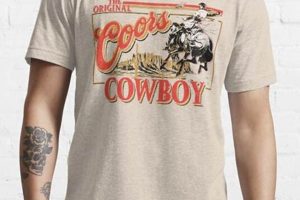
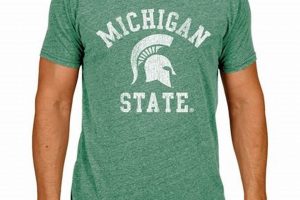
Garments worn for sporting activities from prior eras, typically dating several decades back, exhibit specific characteristics that define them. These garments frequently feature materials like cotton or rayon, simple designs, and logos or lettering indicative of the time period in which they were manufactured. A well-preserved example might display a university’s emblem from the 1970s, screen-printed onto a lightweight, breathable fabric suitable for exercise.
Appreciation for these older garments stems from several factors. They represent a tangible connection to the history of sports and fashion, offering a glimpse into past athletic trends and manufacturing techniques. Furthermore, some individuals value the unique aesthetic of these items, appreciating their design elements and the patina acquired through age. The durability and construction of these often-sturdily made items also contribute to their appeal.
The ongoing interest creates a demand for these pieces, which subsequently raises questions about authenticity, care, and identifying key features. Examination of the materials, stitching, and labeling provides valuable information. Furthermore, the markets structure involves sellers, buyers, collectors, and potential authentication challenges.
Tips for Acquiring and Maintaining a Vintage Athletic Shirt
The following guidelines offer practical advice for identifying, preserving, and appreciating garments from prior eras used in sporting contexts.
Tip 1: Authentication is Paramount: Prior to purchase, meticulously examine labels, stitching, and fabric composition. Cross-reference these details with historical records or reputable online resources to verify the item’s purported age and origin. Seek expert opinions when substantial doubt exists.
Tip 2: Condition Assessment: Thoroughly inspect the garment for damage, including staining, tears, and fading. While minor imperfections may be acceptable, significant deterioration compromises the item’s value and longevity. Factor restoration costs into the purchase decision.
Tip 3: Storage Practices: Employ archival-quality storage methods. Utilize acid-free tissue paper and breathable garment bags to protect the item from light, dust, and humidity. Avoid prolonged exposure to direct sunlight, which accelerates fabric degradation.
Tip 4: Cleaning Protocols: Exercise extreme caution when cleaning. Hand-washing in cold water with a pH-neutral detergent is generally recommended. Avoid harsh chemicals and machine washing, as these can irreparably damage delicate fabrics and original graphics. Consider professional cleaning services for fragile or heavily soiled items.
Tip 5: Display Considerations: If displaying the garment, utilize a padded hanger or mannequin to maintain its shape and prevent stress on the fabric. Rotate displayed items periodically to minimize prolonged exposure to environmental factors.
Tip 6: Documentation is Crucial: Maintain detailed records of each garment, including its provenance, acquisition date, condition, and any restoration work performed. This documentation enhances the item’s historical significance and resale value.
Tip 7: Seek Expert Consultation: For high-value or exceptionally rare items, consult with textile conservators or vintage clothing appraisers. Their expertise provides invaluable guidance on preservation strategies and valuation assessments.
Adhering to these guidelines enhances the enjoyment and preserves the intrinsic value. Careful attention to authentication, condition, storage, and cleaning ensures longevity, benefiting both current enjoyment and potential future valuation.
These tips serve as a foundation for further exploration into the world of vintage sportswear collecting and preservation.
1. Fabric Composition

The material construction directly influences the garment’s durability, feel, and historical accuracy. A vintage athletic shirt constructed primarily of cotton, a common fiber in earlier decades, offers a tactile experience distinct from modern polyester blends. This connection stems from manufacturing techniques and material availability specific to a time. The cotton’s weave, weight, and finishing processes impact breathability and wearability, features often valued by athletes of that period. Deterioration patterns, like yellowing or fabric weakening, also relate to the fiber’s properties and provide clues about the garment’s age and usage. For instance, a heavyweight cotton shirt from the 1950s might exhibit a tighter weave and less give than a thinner, rayon blend shirt from the 1970s.
Understanding fabric composition extends beyond mere identification; it provides insight into the intended use and care requirements of the shirt. A shirt meant for intense physical activity might utilize a more durable weave or incorporate a small percentage of synthetic fiber to enhance elasticity. In contrast, a shirt intended for casual wear might prioritize comfort over durability, using a softer, looser knit. Analysis of fiber content, coupled with knowledge of historical manufacturing practices, assists in determining appropriate cleaning methods to avoid damage. High-heat washing of a vintage cotton shirt, for example, could lead to shrinkage and distortion, highlighting the significance of assessing material properties before cleaning.
In conclusion, fabric composition is a key determinant in the evaluation of garments, influencing its authenticity, condition, and preservation. Identifying the materials employed allows for a more nuanced appreciation of its historical context and guides effective maintenance strategies. The challenges associated with fabric identification, such as distinguishing between natural and synthetic fibers or assessing degradation, underscore the importance of careful examination and, in some cases, expert consultation when evaluating garments.
2. Era-Specific Graphics
Visual elements displayed on older sporting garments serve as crucial indicators of their period of origin and cultural context. Examining these graphics, which include logos, lettering styles, and color palettes, provides insight into the aesthetic preferences and manufacturing capabilities prevalent during a specific time.
- Team Logos and Mascots
The design of team emblems evolves over time, reflecting shifts in artistic styles and institutional branding strategies. A college shirt from the 1950s might feature a cartoonish mascot rendered in block colors, while a professional team shirt from the 1980s could display a sleeker, more stylized logo incorporating gradient effects. These logo variations serve as markers of the specific era during which the garment was produced and worn.
- Font and Lettering Styles
Typefaces used for team names, player numbers, and promotional slogans are subject to trends and technological advancements. A simple sans-serif font might characterize a shirt from the early 20th century, while more elaborate, stylized fonts become prevalent in later decades. The presence of specific fonts can help determine the approximate age of the shirt and its intended audience.
- Color Palettes
Color choices reflect prevailing fashion trends and dye manufacturing capabilities. Muted, earthy tones are more common in older shirts, while brighter, more vibrant colors emerge with the development of synthetic dyes. Specific color combinations, such as certain shades of orange and brown popular in the 1970s, can serve as strong indicators of the garment’s era.
- Printing Techniques
The method used to apply graphics to the fabric also provides clues about age. Early shirts may feature hand-painted or stenciled designs, while later shirts utilize screen printing or heat transfers. Each technique produces a distinct visual effect and level of durability, aiding in authentication and dating.
The integration of these graphic elements contributes significantly to the overall aesthetic and historical value. Careful analysis provides insight into the garment’s provenance and helps distinguish authentic pieces from reproductions. The survival and condition directly affects its collectibility and historical significance.
3. Construction Quality

The robustness of construction is a paramount factor in determining the longevity and authenticity. Elements, such as stitching techniques, fabric integrity, and seam reinforcement, provide insight into manufacturing standards of the era and the intended use of the garment. For instance, a shirt designed for rigorous training would likely exhibit reinforced seams and durable stitching patterns, whereas a purely ornamental garment may prioritize aesthetic appeal over structural resilience. The presence of chain stitching, common in earlier decades, or the type of thread used offer valuable clues about its origin and age. The condition of these construction details directly impacts the garment’s ability to withstand wear and tear, influencing its value and desirability.
Evidence of meticulous craftsmanship, such as evenly spaced stitches, absence of loose threads, and durable hardware, is indicative of quality. Conversely, flaws like skipped stitches, uneven seams, or fraying fabric signify substandard manufacturing processes or significant wear. These flaws contribute to a decline in the item’s structural integrity. Examination reveals the level of care taken during manufacturing and its resistance to damage. Certain brands or manufacturers were known for superior construction techniques, and identifying these details can enhance the item’s provenance and perceived value. For example, a garment displaying durable flatlock seams, which minimize chafing and provide enhanced strength, may suggest it was produced for professional athletes or a high-end sporting goods market.
In summary, evaluating the construction is crucial for appraising its authenticity, condition, and historical significance. Robust stitching, durable materials, and thoughtful design reflect the manufacturing practices of the era and contribute to the garment’s overall longevity. Conversely, substandard construction or significant wear compromises the item’s value and desirability. An appreciation for quality enhances the understanding of its historical context and informs appropriate preservation strategies, ensuring the continued enjoyment of this piece of sporting heritage.
4. Historical Context

Consideration of circumstances surrounding the creation and use of vintage sporting garments provides crucial insights into their significance. Historical context enriches understanding, moving beyond simple aesthetic appreciation. This approach facilitates accurate interpretation and authentication.
- Sporting Events and Associations
Specific events or team affiliations offer context. A shirt worn during a particular championship game gains significance beyond its material composition. Identifying the sporting events associated with a garment establishes a timeline and confirms its place in history. For example, a wool football jersey from the 1920s connects to the evolving rules and equipment of that era, reflecting the sport’s development. Identifying a shirt with a notable athlete further enhances its historical value and market appeal.
- Social and Cultural Influences
Prevailing social attitudes and cultural norms influenced design and use. A shirt reflecting the rise of collegiate athletics or the emergence of a particular subculture illuminates broader trends. The shift from wool to synthetic fabrics mirrors advancements and evolving consumer preferences. For example, a t-shirt with a slogan promoting a social cause or reflecting a political movement embodies the intersection of sports and societal issues. These insights highlight the garment’s role beyond athletic function, portraying it as a symbol of cultural values.
- Manufacturing and Economic Conditions
Production techniques and economic factors impacted material choices and design. Understanding the manufacturing landscape of the time sheds light on the shirt’s construction and availability. The use of specific dyes or printing methods reflects technological capabilities. During periods of economic hardship, less expensive materials or simplified designs prevailed. Examining the garment’s construction can indicate economic conditions. For instance, a shirt produced during wartime might exhibit resourcefulness or material shortages, reflecting economic constraints.
- Fashion Trends and Aesthetic Movements
Garments reflect broader fashion trends. A shirt featuring design elements prevalent in a specific era, such as Art Deco-inspired graphics or psychedelic color schemes, situates the garment within a larger aesthetic landscape. The transition from form-fitting to looser silhouettes mirrors shifting fashion preferences. This analysis clarifies the connection between athletic wear and contemporary styles, illuminating the item’s place in both sporting and fashion history.
These considerations highlight the importance of context. By exploring sporting events, cultural influences, economic conditions, and fashion trends, a deeper appreciation emerges, enhancing its value as both a relic and a cultural artifact.
5. Authenticity Verification
The process of confirming the genuineness of garments claimed to be from a particular historical period or manufacturer is a critical component of the market. Demand for sportswear from previous eras necessitates rigorous examination to distinguish original items from reproductions or fakes. The consequence of inadequate is economic devaluation and misrepresentation of historical artifacts. For instance, a shirt purportedly worn by a famous athlete during a significant sporting event commands a substantial premium, but its value diminishes substantially if its origin cannot be substantiated through verifiable documentation and material analysis. The economic impact can extend to collectors, dealers, and institutions reliant on accurate provenance.
Establishing authenticity requires a multi-faceted approach. Material analysis, including fabric composition and dye analysis, can reveal discrepancies inconsistent with historical manufacturing practices. Examining stitching techniques, label styles, and graphic printing methods provides further evidence. Documentation, such as original sales receipts, team rosters, or photographs, substantiates claims of ownership or use. For example, the presence of a union label common in garments manufactured in the United States during a specific timeframe offers strong supporting evidence. Conversely, the presence of a modern synthetic fiber in a shirt claimed to be from the pre-synthetic era immediately casts doubt on its authenticity. Furthermore, consulting experts in textile history or sports memorabilia provides specialized knowledge that can uncover subtle indicators of fabrication.
The challenge remains ongoing, demanding both technical expertise and diligence. Sophisticated reproduction techniques increasingly mimic the appearance of original items, making authentication more difficult. However, vigilance and the application of scientific and historical methodologies are essential. Upholding the integrity of the market protects both buyers and sellers, ensuring that these pieces of sporting history are accurately represented and valued. This ongoing effort reinforces ethical collecting practices and contributes to the preservation of historical artifacts for future generations.
Frequently Asked Questions About Vintage Athletic Shirts
The following section addresses common inquiries and misconceptions related to garments worn for sporting activities from prior eras.
Question 1: What characteristics define a genuine vintage athletic shirt?
Authentic garments exhibit era-specific fabric compositions, construction techniques, and graphic designs. Examination of labels, stitching, and materials provides verifiable indicators of age and origin.
Question 2: How does fabric composition contribute to the identification of a shirt?
Fabrics prevalent during different periods, such as cotton or rayon, are useful markers. Identifying synthetic fibers in garments claimed to predate their invention casts doubt on their authenticity.
Question 3: What role do graphics play in determining a shirt’s era?
Logos, lettering styles, and color palettes common to specific decades serve as indicators. Comparing these elements with historical examples confirms their place in a defined timeline.
Question 4: How should damage or imperfections affect valuation?
The extent of damage, including staining, tears, and fading, significantly reduces value. Factor restoration costs into purchase decisions. Significant degradation can compromise an item’s long-term viability.
Question 5: What storage practices preserve the integrity of such items?
Archival-quality storage methods, including acid-free tissue paper and breathable garment bags, protect against light, dust, and humidity. Avoid prolonged exposure to sunlight.
Question 6: Can items be safely cleaned?
Hand-washing in cold water with pH-neutral detergent is generally recommended. Avoid harsh chemicals and machine washing, which damage delicate fabrics and graphics. Professional services are advisable for fragile items.
Authenticity verification, meticulous preservation, and informed appreciation are critical when dealing with garments. Knowledge of materials, construction, and history safeguards authenticity and sustains long-term value.
Examination into resources will facilitate informed decision-making and responsible collection practices.
Conclusion
The preceding exploration has illuminated the multifaceted nature of the garment. From authentication protocols and preservation strategies to era-specific design elements and historical context, the analysis underscores the complex considerations involved. Appreciation extends beyond mere aesthetic appeal; it encompasses a critical understanding of materials, manufacturing techniques, and the broader cultural landscape that shaped these items.
Continued investigation and adherence to established best practices are essential for responsible collecting and preservation efforts. Vigilance in authenticity verification, coupled with diligent care, ensures the longevity and accurate representation of artifacts, contributing to the preservation of sporting history for future generations.