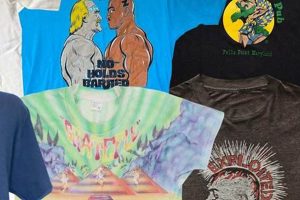
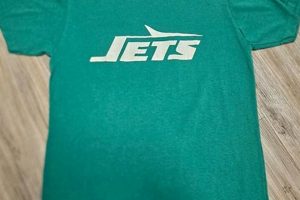
These garments are characterized as workwear tops, often made of durable materials such as cotton or a cotton blend, and featuring details such as button-down fronts, chest pockets, and sometimes, embroidered names or logos. An example would be a short-sleeved, light blue work shirt from the 1950s, bearing the name “Earl” stitched above the pocket.
The appeal lies in their robust construction, retro aesthetic, and association with a blue-collar past. They offer a tangible connection to an era when skilled trades were highly valued and products were built to last. The distinctive appearance allows for individual expression and stylistic variation, as they can be incorporated into diverse wardrobes. Their historical significance provides a unique conversation piece and contributes to an appreciation for heritage clothing.
The subsequent sections will delve into the materials, design elements, and collecting considerations pertinent to these articles of clothing, providing a detailed guide for enthusiasts and potential buyers.
Tips on Acquiring and Maintaining Authentic Examples
The following outlines key considerations for those interested in obtaining or preserving examples of these garments. Careful attention to detail is essential to ensure authenticity and longevity.
Tip 1: Fabric Analysis: Examine the material composition. Original examples typically utilize durable cotton twills or blends. Look for signs of wear consistent with age and usage, rather than artificial distressing.
Tip 2: Stitching Examination: Inspect the stitching patterns. Older garments often feature single-needle construction or chain stitching, which differs from modern manufacturing techniques. Note any inconsistencies or repairs.
Tip 3: Hardware Verification: Assess the buttons, zippers, and snaps. The materials used in original hardware can provide clues to the garment’s age and origin. Look for specific brands or markings characteristic of the era.
Tip 4: Label Identification: Study the labels carefully. Research vintage label guides to verify the authenticity of the brand and era. Pay attention to font styles, logos, and manufacturing information.
Tip 5: Condition Assessment: Evaluate the overall condition of the garment. Minor imperfections are expected in vintage items; however, significant damage can detract from its value and wearability.
Tip 6: Size and Fit Considerations: Be aware that sizing standards have evolved over time. Consult vintage sizing charts and take accurate measurements to ensure a proper fit.
Tip 7: Storage and Care Practices: Store these garments in a cool, dry place away from direct sunlight. Gentle hand washing or professional cleaning is recommended to preserve the fabric and details.
By diligently applying these guidelines, individuals can increase the likelihood of acquiring genuine pieces and ensure their continued preservation.
The subsequent section will address the stylistic evolution of these garments and their impact on contemporary fashion trends.
1. Durable fabric

The connection between durable fabric and these vintage work shirts is foundational. The original purpose of these garments necessitated resilience to withstand the rigors of mechanical work, leading manufacturers to select materials like heavy-duty cotton twill, denim, or canvas. The choice of these robust textiles directly impacted the garment’s lifespan and its capacity to protect the wearer from dirt, grease, and minor abrasions. An example of this is the prevalence of thick, tightly woven cotton in brands that catered to industrial workers, which ensured longevity even with frequent laundering and exposure to harsh conditions.
The enduring nature of the chosen materials is a key element in the survival and subsequent appeal of these garments as vintage items. A shirt made from a less robust material would have been more likely to disintegrate over time, reducing the availability of authentic examples for collectors and enthusiasts. The presence of durable fabric is, therefore, not just a design feature, but a defining characteristic that enables the very existence of this specific category of vintage clothing. Furthermore, the tangible quality of these fabrics offers a connection to the era of their production, allowing for a sensory appreciation of the working conditions and values of the time.
In conclusion, the relationship between durable fabric and mechanic’s work shirts is one of cause and effect, where the demands of the original purpose drove the selection of hard-wearing materials. This decision subsequently preserved these garments, enabling their survival into the present day as collectible vintage items. Appreciating this connection is crucial for identifying authentic examples and understanding the historical context of these articles of clothing.
2. Functional design

The design elements inherent in mechanic shirts are not merely aesthetic; they are directly tied to the practical requirements of the work environment for which these garments were originally intended. Functionality dictated form, resulting in a distinct set of features that define these articles of vintage clothing.
- Pocket Placement and Size
The strategic placement and generous sizing of pockets on mechanic shirts facilitated the easy storage and retrieval of tools, parts, and writing implements. These pockets, often located on the chest and sometimes on the sleeves or lower front, were essential for keeping frequently used items readily accessible, reducing the need to constantly reach for a toolbox or workbench. An example is the inclusion of pen slots within the chest pockets, a common feature that reflects the need for mechanics to document repairs and orders on the job. The presence and condition of these pockets are key indicators of a garment’s authenticity and its level of use.
- Button-Down Front Closure
The button-down front closure provided a secure and adjustable means of fastening the shirt, allowing for quick adjustments based on temperature and activity level. Buttons, typically made of durable materials such as metal or melamine, were chosen for their ability to withstand repeated use and laundering. The button-down style offered a more secure closure than alternatives such as zippers or snaps, minimizing the risk of the shirt coming undone during strenuous tasks. The type and condition of the buttons can also provide valuable clues about the shirt’s age and origin.
- Durable Fabric Construction
The selection of robust materials like cotton twill or heavy-duty blends was integral to the shirt’s ability to withstand the abrasive nature of mechanical work. Reinforced seams and durable stitching further enhanced the garment’s longevity and resistance to tearing. The fabric’s weight and weave were carefully considered to provide both protection and breathability, ensuring comfort during long hours of physical labor. Evidence of this durability is often visible in the form of minimal wear and tear, even after decades of use.
- Short or Roll-Up Sleeves
Short sleeves or the option to roll up long sleeves were practical design choices that enhanced freedom of movement and reduced the risk of the sleeves becoming caught in machinery. These features allowed mechanics to perform intricate tasks with greater precision and safety. The hem of the sleeves was often reinforced to prevent fraying and maintain a professional appearance. The presence of these sleeve features indicates a clear focus on the wearer’s comfort and efficiency.
These facets of functional design collectively contributed to the creation of a garment that was ideally suited for the demands of mechanical work. The presence and condition of these features are key indicators of a shirt’s authenticity and historical significance, offering a tangible connection to the era of its production and use. The practical intent behind these design elements underscores the lasting appeal of mechanic shirts as both functional workwear and distinctive vintage pieces.
3. Era-specific details

Era-specific details are defining characteristics of vintage mechanic shirts, serving as markers of their time of manufacture and reflecting the prevailing styles, technologies, and social contexts. These details distinguish one vintage shirt from another, allowing for a nuanced understanding of the garment’s history and value. Examining these details is crucial for authenticating and dating a vintage mechanic shirt. For example, the type of fabric used (e.g., chambray, twill), the style of the collar (e.g., spearpoint, rounded), and the type of buttons (e.g., urea, metal) are all indicative of specific periods. A shirt featuring a spearpoint collar and urea buttons is more likely to originate from the 1950s, whereas a shirt made from a polyester-cotton blend might suggest a 1970s origin. The presence of union labels, specific to certain decades, also assists in dating the garment.
The impact of era-specific details extends beyond mere dating; they offer insight into the manufacturing processes, economic conditions, and cultural trends of the time. The use of certain dyes or printing techniques, for example, can reflect technological advancements or limitations of the period. The presence of a specific company logo or employee name embroidered on the shirt provides information about the industry and workplace culture of the era. Furthermore, the cut and fit of the shirt reflect the prevailing fashion trends of the time, offering a glimpse into the broader social context. For instance, a more fitted shirt might indicate a later period when slimmer silhouettes became popular, while a looser, boxier fit is more characteristic of earlier decades. The understanding of these details is applicable in several practical contexts, including historical research, fashion design, and vintage clothing collecting.
In summary, era-specific details are integral components of vintage mechanic shirts, functioning as time capsules that reveal valuable information about the garment’s history, manufacturing, and cultural significance. Recognizing and interpreting these details enhances the appreciation and understanding of these vintage items. Despite the challenges associated with accurately dating and authenticating garments based solely on these details, their careful examination remains an essential practice for collectors, historians, and anyone interested in the history of workwear and fashion.
4. Workwear authenticity

The concept of workwear authenticity is central to appreciating garments. Authenticity, in this context, refers to the extent to which a shirt embodies the design, materials, and manufacturing techniques characteristic of its original purpose as a functional garment for mechanics. The higher the degree of authenticity, the more closely the item aligns with the historical reality of workwear production and usage. A genuine mechanic’s shirt from the mid-20th century, for instance, would exhibit specific attributes such as durable cotton twill fabric, reinforced stitching, a button-down front with functional pockets, and potentially, evidence of wear and repair consistent with its use in an automotive repair setting. These elements collectively contribute to the shirt’s workwear authenticity.
The importance of workwear authenticity stems from its connection to historical context and cultural significance. Authentic examples provide a tangible link to a specific era and industry, reflecting the values and practices of the working class. A shirt bearing the logo of a defunct auto repair shop, complete with grease stains and small tears, offers a more compelling narrative than a modern reproduction. This connection enhances the item’s value, both sentimentally and monetarily. Collectors seek out authentic items precisely because they represent a genuine piece of history. This understanding is used when evaluating items; verifying fabric composition, stitching patterns, and hardware details. Authenticity is critical for accurately assessing the garment’s age, origin, and intended use.
Distinguishing authentic items from reproductions or modified garments presents challenges. Meticulous research, careful examination of construction details, and consultation with experts are often necessary. The pursuit of authenticity in mechanic shirts connects to the broader appreciation of historical artifacts and the preservation of cultural heritage, emphasizing the importance of understanding and respecting the origins and purpose of these garments.
5. Personalization signs
Personalization signs are critical elements in establishing the provenance and historical narrative of these garments. These indicators, often in the form of embroidered names, company logos, or unique patches, distinguish a standard work shirt from a piece of personal history. The presence of such markings transforms the garment from a mass-produced item into a reflection of an individual’s or a company’s identity. For example, a shirt bearing the embroidered name “Joe’s Garage” alongside the employee’s name adds an invaluable layer of authenticity, indicating both the wearer and the place of employment. These individualized details serve as a direct link to the shirt’s past use, providing insights into the wearer’s profession, social context, and even personal style.
The inclusion of personalization contributes significantly to the shirt’s collectibility and value. Collectors often seek out shirts with clear and legible personalization signs, as these features enhance the garment’s story and make it more than just a piece of clothing. The specific company, the style of embroidery, and the condition of the personalization can all impact the shirt’s desirability. The study of these personalized elements can also inform historical research, offering clues about the evolution of workwear design, corporate branding, and employee identification practices. Examining font styles, embroidery techniques, and patch designs provides a more complete historical record.
The presence of personalization signs is valuable as a component of these work shirts, yet it introduces complexities in authentication and evaluation. While customization enhances a garment’s individual story, it also opens the door to potential forgeries or misleading alterations. Collectors and historians must carefully examine the style and method of personalization to ensure consistency with the garment’s apparent age and origin. Despite these challenges, personalization signs contribute substantially to the historical richness and cultural significance, making these shirts more meaningful artifacts.
6. Iconic style
The enduring aesthetic appeal of vintage mechanic shirts stems from their functional origins and association with a specific era of American industry and craftsmanship. The “iconic style” is not simply a fashion trend but a reflection of the garment’s historical context and the values it represents. Elements like durable cotton fabrics, practical pocket designs, and often, personalized embroidery contribute to a recognizable and aesthetically pleasing design. An illustrative example is the work of artists and designers who draw inspiration from classic mechanic shirts, incorporating their design elements into contemporary clothing lines. The persistent presence of these shirts in popular culture, from film and television to streetwear, demonstrates their enduring impact on fashion.
The importance of this iconic style lies in its ability to evoke a sense of authenticity and nostalgia. Wearing a vintage mechanic shirt connects the wearer to a past era, associating them with qualities such as hard work, craftsmanship, and a no-nonsense approach to life. The shirt’s design, born out of necessity, has evolved into a symbol of understated cool. Real-world applications of this understanding include vintage clothing retailers carefully curating selections of authentic mechanic shirts, recognizing their market appeal. Additionally, costume designers use these garments to accurately portray characters and settings in period films and television shows. The garment can transform to communicate a message.
In summary, the iconic style is an inseparable aspect of vintage mechanic shirts, influencing their desirability and cultural significance. While challenges exist in preserving and authenticating these garments, their continued presence in fashion and popular culture affirms their lasting appeal. By recognizing the elements that contribute to this iconic style, enthusiasts and professionals can more effectively appreciate and utilize these garments as both historical artifacts and fashion statements.
Frequently Asked Questions
The following addresses common inquiries and concerns regarding vintage mechanic shirts. The intention is to provide clear and concise answers based on established knowledge and best practices in vintage clothing collecting and preservation.
Question 1: How can authenticity be determined in a vintage mechanic shirt?
Authenticity is evaluated through a combination of factors. The fabric composition, stitching patterns, label details, hardware (buttons, zippers), and overall construction should be consistent with manufacturing techniques prevalent during the shirt’s purported era. Expert consultation and comparison with documented examples are often necessary.
Question 2: What fabrics are most commonly found in vintage mechanic shirts?
Common fabrics include cotton twill, chambray, and occasionally, heavier canvas blends. The specific weave and weight of the fabric can provide clues about the shirt’s intended use and time of manufacture. Synthetic blends became more prevalent in later decades.
Question 3: Are stains and repairs detrimental to the value of a vintage mechanic shirt?
The impact of stains and repairs on value depends on their nature and extent. Minor imperfections consistent with normal wear can add to the shirt’s authenticity and story. However, extensive damage, large or unsightly stains, and poorly executed repairs can detract from its value.
Question 4: How should a vintage mechanic shirt be properly cleaned and stored?
Gentle hand washing or professional cleaning is recommended. Avoid harsh detergents and machine drying. Store the shirt in a cool, dry place away from direct sunlight to prevent fading and fabric degradation. Archival-quality garment bags are ideal for long-term storage.
Question 5: What are some key features to look for when assessing the age of a vintage mechanic shirt?
Key features include the style of the collar, the type of buttons (material and design), the presence and style of union labels, and the cut and fit of the shirt. Comparing these features with documented examples from different eras can aid in dating the garment.
Question 6: How does personalization, such as embroidered names or logos, affect the value of a vintage mechanic shirt?
Personalization can increase the value of a shirt if it is authentic and adds to the garment’s story. A well-preserved logo of a known company or a legible embroidered name enhances the shirt’s historical significance and collectibility. However, poorly executed or inconsistent personalization can diminish value.
These responses offer guidelines for navigating the complexities of vintage mechanic shirts. Further research and expert consultation are advisable for those seeking detailed information or making significant acquisitions.
The next section will explore the current market trends and investment potential related to these vintage garments.
Conclusion
The preceding analysis has explored various facets of mechanic shirt vintage, encompassing materials, design features, historical context, authenticity considerations, personalization elements, and stylistic impact. These components collectively contribute to an understanding of the garments as artifacts reflecting specific periods of industrial history and design evolution. A key point is the enduring appeal of these shirts extends beyond mere nostalgia, connecting to values of durability, functionality, and individual expression.
The continued interest in mechanic shirt vintage necessitates ongoing research, meticulous preservation, and discerning evaluation to ensure the accurate portrayal and appreciation of these garments. Future endeavors should focus on expanding the documented history of workwear, refining authentication methods, and promoting ethical practices within the vintage clothing market, so as to maintain the cultural memory and historical importance embodied by the mechanic shirt vintage.