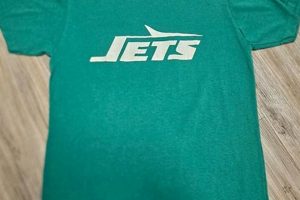
Apparel from the National Hockey League’s past, typically dating back several decades, is sought after by collectors and enthusiasts. These items range from game-worn jerseys to fan merchandise, reflecting the styles and logos of bygone eras. An example would be a t-shirt featuring the original logo of the Hartford Whalers or a sweater from the 1970s showcasing a now-defunct team.
The significance of these historical garments lies in their connection to specific moments, players, and teams within the league’s history. Acquiring such an item allows one to own a tangible piece of hockey heritage. They represent not only a team or player but also the cultural and design trends of their time, offering a glimpse into the evolution of the sport and its branding.
Further analysis will delve into the factors influencing their value, methods for authenticating them, and the best places to acquire these relics of hockey’s past. Understanding these aspects is crucial for both seasoned collectors and newcomers interested in preserving this unique aspect of sports memorabilia.
Tips for Acquiring Vintage NHL Shirts
Navigating the market for historical National Hockey League apparel requires careful consideration. The following points offer guidance for prospective buyers.
Tip 1: Research Team History: Before purchasing, verify the accuracy of the logo and design against historical team records. Many counterfeit items feature inaccurate or anachronistic designs. For example, confirm the specific iteration of the Quebec Nordiques logo existed during the purported production year.
Tip 2: Examine Fabric and Construction: Vintage garments often exhibit characteristics distinct from modern apparel. Inspect the fabric weave, stitching patterns, and label construction. A 1970s shirt, for instance, may use single-stitch construction and thicker cotton than contemporary alternatives.
Tip 3: Authenticate Labels and Tags: Labels and tags provide vital clues about the garment’s origin and age. Research known label variations from manufacturers like Maska, CCM, or other relevant brands. A tag with an incorrect font or modern copyright date is a clear indicator of a reproduction.
Tip 4: Assess Condition Carefully: Condition significantly impacts value. Examine for stains, tears, holes, and fading. A perfectly preserved item commands a premium, while heavily damaged items may require restoration or be unsuitable for collecting.
Tip 5: Compare Prices Across Platforms: Scrutinize pricing across different online marketplaces, auction sites, and vintage clothing stores. Price variations may reflect condition, rarity, or seller reputation. Cross-referencing prices helps determine fair market value.
Tip 6: Seek Expert Opinion: For high-value or uncertain purchases, consult with experienced collectors or appraisers specializing in sports memorabilia. An expert can provide authentication and valuation services, mitigating the risk of acquiring a counterfeit.
Tip 7: Be Aware of Reproduction Trends: Certain popular designs are frequently reproduced. Be particularly vigilant with commonly faked items, such as early Boston Bruins or Montreal Canadiens jerseys. Understanding common counterfeiting techniques is essential.
Adhering to these guidelines enhances the likelihood of acquiring genuine and valuable relics of hockey history. Diligence and informed decision-making are paramount in this specialized market.
The subsequent sections will explore specific factors that influence the price and collectibility of these vintage items.
1. Authenticity Verification

The verification of genuineness is paramount when dealing with historical National Hockey League apparel. Due to the potential for reproduction and misrepresentation, establishing the authenticity of an item is crucial to determining its true value and historical significance.
- Tag and Label Analysis
Examination of tags and labels constitutes a primary method of authentication. Specific manufacturers, such as Maska or CCM, utilized distinct label designs and manufacturing codes during different eras. Discrepancies in font, material, or the presence of anachronistic copyright information can indicate a reproduction.
- Construction Techniques
The methods employed in the garment’s construction offer further clues. Single-stitch construction, prevalent in earlier decades, contrasts with the double-stitching common in contemporary apparel. Examining seam finishes, fabric weaves, and the type of thread used can reveal inconsistencies indicative of a non-authentic item. For example, shirts from the 1970s often feature a specific type of cotton blend that is not replicated in modern reproductions.
- Logo and Patch Detail
Close inspection of logos and patches is essential. Authenticity hinges on the accuracy of design elements, including color matching, embroidery techniques, and adherence to historical team branding. Subtle variations in logo shape, size, or stitching patterns may suggest a counterfeit. Comparing the logo to documented historical examples is crucial.
- Provenance Documentation
Supporting documentation, such as photographs, letters of provenance, or appraisals from recognized experts, significantly strengthens the case for authenticity. Documentation establishes a verifiable chain of ownership and provides concrete evidence to support the item’s historical claims. Lack of such documentation increases the risk of acquiring a misrepresented or fabricated item.
Successful authentication requires a multi-faceted approach, combining physical examination with historical research and, in certain cases, expert consultation. This process helps ensure that the item accurately represents a genuine piece of hockey history and justifies its value within the collecting community. Failing to meticulously verify the garments and label results in potential monetary loss and risks the proliferation of false historical narratives.
2. Material Composition
The constituent materials of historical National Hockey League apparel are paramount in determining age, authenticity, and overall value. Examining the fabrics and components used in manufacture provides critical insights into the garment’s origin and historical context.
- Fiber Type and Weave
The type of fiber used, whether cotton, wool, or synthetic blends, offers significant information. For instance, early examples often feature heavier-weight cotton or wool weaves, whereas later pieces may incorporate synthetic materials like polyester. Examining the weave pattern further refines age estimation; a distinct twill or knit pattern may be characteristic of a specific decade.
- Dye Characteristics
The dyes utilized during various periods exhibit unique properties. Natural dyes, common in earlier garments, tend to fade and age differently than synthetic dyes introduced later. Analysis of dye color and its reaction to ultraviolet light can provide clues about the garment’s age and potential authenticity.
- Hardware Components
Buttons, zippers, and other hardware elements contribute to age assessment. The materials and design of these components evolved over time. Early metal buttons, for example, differ markedly from the plastic or composite buttons found on more modern apparel. Zipper mechanisms also underwent significant technological advancements, leaving discernible markers for dating purposes.
- Label Materials
The composition and construction of labels provide additional verification points. Early labels were often made from woven fabric with simple printed details. Later labels incorporated synthetic materials and more complex printing techniques. The presence or absence of union labels and specific care instructions further assists in narrowing down the production era.
In summary, meticulous examination of constituent materials provides crucial data for evaluating historical National Hockey League apparel. Differences in fiber type, dye composition, hardware, and labels collectively contribute to determining a garment’s authenticity, age, and value within the collecting market. These material characteristics function as reliable markers for distinguishing genuine artifacts from reproductions.
3. Decade Identification

The ability to accurately place historical National Hockey League apparel within a specific decade is paramount for authentication, valuation, and historical understanding. The design elements, manufacturing techniques, and materials used in these garments varied significantly across different eras, offering discernible markers for identification. Incorrectly attributing a shirt to the wrong decade undermines its value and distorts its historical context. For example, a jersey featuring a specific logo style attributed to the 1970s when it actually debuted in the 1980s would be inaccurate and affect its authenticity.
Decade identification relies on analyzing various features, including logo styles, font usage, fabric composition, tag designs, and construction methods. Each decade possessed distinct aesthetic trends and technological capabilities that influenced apparel design. The transition from wool to synthetic fabrics, the evolution of team logos, and changes in manufacturing practices provide key indicators. A shirt from the 1960s might feature a hand-stitched felt logo on a heavy cotton base, while a shirt from the 1990s could display a screen-printed logo on a lightweight polyester blend. These differences enable collectors and historians to categorize and authenticate garments with greater precision. This process also allows to discern items using team logo, style and material like wool, cotton and sythetic fabrics .
Accurate decade identification is not merely an academic exercise; it has practical implications for collectors and enthusiasts. It informs purchasing decisions, ensuring that investments are based on factual information rather than speculation or misrepresentation. It contributes to the preservation of hockey history by enabling the accurate documentation and interpretation of these artifacts. It assists in distinguishing between original items and reproductions, preventing the spread of misinformation and protecting the integrity of the collecting market.
4. Team Rarity
The scarcity of a National Hockey League team, whether due to relocation, rebranding, or historical performance, significantly influences the value and desirability of its vintage apparel. Teams with limited lifespans or unique historical circumstances often possess memorabilia that is highly sought after by collectors.
- Defunct Franchises
Teams that no longer exist, such as the Hartford Whalers or Quebec Nordiques, inherently possess limited quantities of merchandise. Their vintage shirts represent a finite resource, driving up demand among collectors seeking a tangible connection to hockey history. The Whalers’ distinctive logo and the Nordiques’ brief but memorable existence contribute to the high value of their respective apparel.
- Relocated Teams with Name Changes
When a team relocates and adopts a new name and logo, items featuring the original team identity become instant relics. The Winnipeg Jets’ transition to the Phoenix Coyotes, for example, created a surge in demand for vintage Jets apparel. Collectors value these shirts as representations of a specific era and geographical location in hockey history.
- Short-Lived or Experimental Designs
Teams that briefly experimented with unconventional logos or uniform designs may have produced shirts that are now considered rare due to their limited production runs. These shirts, often characterized by unusual color schemes or atypical graphics, appeal to collectors seeking unique and unconventional pieces of hockey memorabilia. The California Golden Seals, with their distinctive white skates, exemplify this category.
- Teams with Limited Success
Paradoxically, teams with less successful on-ice records can generate significant interest among collectors of vintage apparel. Shirts from these teams often exist in smaller quantities due to lower initial demand, making them scarce in the secondary market. Collectors may seek these items as representations of underdog stories or as a testament to the enduring appeal of hockey despite team performance.
In summary, team rarity, stemming from various factors such as franchise dissolution, relocation, unique designs, or limited on-ice success, significantly impacts the desirability and value of historical National Hockey League apparel. Collectors recognize these shirts as tangible representations of hockey history, geographical identity, and unique narratives within the sport’s evolution.
5. Condition Assessment

The evaluation of physical state is a critical determinant of value and collectibility within the market for historical National Hockey League apparel. The assessment process extends beyond mere surface appearances, encompassing a comprehensive analysis of fabric integrity, structural soundness, and the presence of any imperfections that may detract from the item’s historical significance or aesthetic appeal.
- Fabric Integrity
Evaluation of the textile involves identifying signs of wear, such as fading, discoloration, or the presence of holes and tears. Sunlight exposure, improper storage, and age-related degradation can compromise fabric integrity. For example, a vintage wool jersey, if improperly stored, may exhibit moth damage or fiber weakening, substantially reducing its value. The presence and extent of such damage directly correlate to the item’s desirability among collectors.
- Stitching and Seam Stability
The condition of seams and stitching provides insights into the garment’s structural integrity and the quality of its original construction. Loose threads, broken seams, or evidence of repairs can indicate past wear and tear or attempts to rectify damage. A vintage shirt with intact, original stitching is considered more valuable than one with significant repairs, as alterations compromise the item’s authenticity and historical accuracy.
- Graphic and Logo Preservation
The state of team logos, player numbers, and any other graphics is a critical factor in assessing a garment’s overall condition. Fading, cracking, or peeling of these elements detracts from the item’s visual appeal and historical accuracy. A vintage shirt with a pristine, well-preserved logo is highly prized, while significant degradation diminishes its value and desirability. Original graphics maintain a crucial element of the garment’s historical character.
- Presence of Stains and Odors
The presence of stains, discoloration, or persistent odors can significantly impact the condition and value of historical National Hockey League apparel. Stains resulting from spills, sweat, or environmental exposure can be difficult to remove without further damaging the fabric. Similarly, lingering odors, such as mildew or mustiness, can detract from the item’s appeal. A clean, odorless vintage shirt in otherwise good condition commands a premium, whereas the presence of significant stains or odors necessitates professional cleaning or may render the item less desirable to collectors.
In conclusion, a meticulous evaluation of condition, encompassing fabric integrity, structural soundness, graphic preservation, and the absence of significant blemishes, is essential for determining the value and collectibility of historical National Hockey League apparel. This assessment informs purchasing decisions, guides preservation efforts, and ensures that these tangible artifacts of hockey history are properly valued and maintained.
Frequently Asked Questions
The following questions address common inquiries regarding the acquisition, authentication, and preservation of historical National Hockey League apparel.
Question 1: What constitutes a vintage NHL shirt?
A garment typically qualifies as vintage if it is at least 20 years old, reflecting the styles, logos, and manufacturing techniques prevalent during its era of production. The item’s condition, rarity, and historical significance further contribute to its designation as vintage.
Question 2: How can the authenticity of a vintage NHL shirt be verified?
Authentication involves scrutinizing tags, labels, fabric composition, stitching patterns, and logo details. Comparing these features to documented historical examples and consulting with experts in sports memorabilia can help validate the item’s genuineness.
Question 3: What factors influence the value of vintage NHL shirts?
Value is determined by a combination of factors, including team rarity, player association, garment condition, historical significance, and overall market demand. Shirts from defunct franchises, popular players, or significant historical events typically command higher prices.
Question 4: How should vintage NHL shirts be properly stored to prevent damage?
Proper storage involves using acid-free tissue paper, storing shirts flat or on padded hangers, and keeping them in a cool, dry environment away from direct sunlight and extreme temperature fluctuations. Avoiding plastic bags and using breathable storage containers helps prevent fabric degradation.
Question 5: Are reproductions of vintage NHL shirts common?
Yes, reproductions are prevalent, making authentication crucial. Reproductions often feature inaccurate logos, incorrect fabric compositions, and modern manufacturing techniques that distinguish them from authentic vintage items.
Question 6: Where can legitimate vintage NHL shirts be acquired?
Reputable sources include established vintage clothing stores, specialized sports memorabilia dealers, reputable online auction sites, and private collectors with verifiable provenance documentation.
This FAQ provides a foundational understanding of key considerations for collectors and enthusiasts of historical National Hockey League apparel.
Subsequent sections will explore advanced topics, including restoration techniques and the role of vintage NHL shirts in preserving hockey history.
vintage nhl shirts
These garments represent more than mere clothing; they are tangible artifacts of hockey history, encapsulating team identities, memorable players, and significant moments. This exploration has underscored the importance of authentication, proper preservation, and a comprehensive understanding of factors influencing value. Discernment and informed decision-making are paramount when engaging with this specialized market.
Continuing research and responsible stewardship of these relics are crucial for preserving hockey’s rich heritage for future generations. Vigilance against misrepresentation and a commitment to accurate documentation will ensure that these shirts continue to serve as valuable historical resources, connecting enthusiasts to the sport’s enduring legacy.