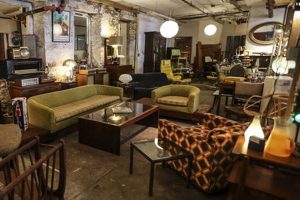
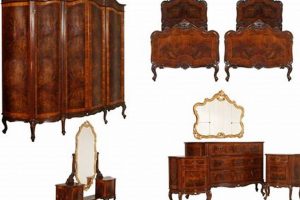
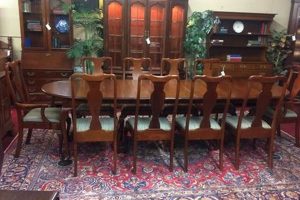
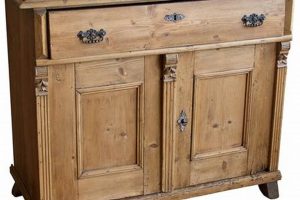
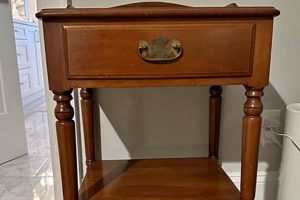
Pieces manufactured by Baker Furniture during earlier periods, typically spanning from the early to mid-20th century, often showcase distinctive design elements reflective of prevailing aesthetic trends. These items, ranging from intricately carved dining sets to elegantly upholstered seating, represent a tangible link to past craftsmanship and design philosophies. As an example, a mahogany sideboard produced by Baker in the 1940s, featuring serpentine drawers and brass hardware, exemplifies the quality and style of the era.
Acquiring these pre-owned furnishings offers numerous advantages, including the potential to obtain high-quality construction and materials at a more accessible price point compared to new, comparable items. These pieces frequently exhibit a level of detail and artistry rarely found in contemporary mass-produced furniture. Their historical significance provides collectors and homeowners with a tangible connection to the past, adding character and sophistication to interior spaces.
Subsequent sections will delve into specific design characteristics, assess market values, and provide guidance on proper care and restoration techniques related to this type of furniture. This exploration will equip the reader with the knowledge necessary to make informed decisions regarding acquisition, preservation, and integration of these pieces into contemporary living environments.
Tips for Acquiring and Maintaining Pieces
This section offers guidelines to facilitate informed decisions regarding the selection, authentication, and preservation of furnishings produced by Baker Furniture during earlier decades.
Tip 1: Research Provenance. Prior to acquisition, investigate the piece’s history, including potential prior owners, restoration work, and any documentation verifying its authenticity. Consult reputable antique dealers and online databases to confirm the item’s origins and lineage.
Tip 2: Examine Construction Quality. Thoroughly assess the joinery, materials, and overall structural integrity. Look for signs of skilled craftsmanship, such as dovetail joints, solid wood construction, and high-quality hardware. Defects may indicate the need for restoration.
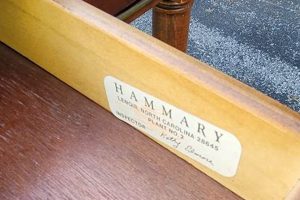
Tip 3: Verify Markings and Labels. Carefully inspect the furniture for maker’s marks, labels, or other identifying features. These can provide valuable information about the piece’s age, production period, and design. Be wary of reproductions or altered markings.
Tip 4: Assess Upholstery and Finishes. Evaluate the condition of any upholstery or finishes. Original finishes can add value and character, but may require professional cleaning or restoration. Damaged or worn upholstery should be addressed to preserve the piece’s integrity.
Tip 5: Negotiate Price Wisely. Research comparable sales data and consult with experts to determine a fair market value. Consider the piece’s condition, rarity, and desirability when negotiating a price. Be prepared to walk away if the asking price is unreasonable.
Tip 6: Implement Proper Care. Adhere to recommended cleaning and maintenance procedures to prevent damage. Avoid harsh chemicals, excessive moisture, and direct sunlight. Regular dusting and waxing can help preserve the finish and extend the piece’s lifespan.
Tip 7: Consider Professional Restoration. If the piece requires significant repair or restoration, engage a qualified professional with experience in handling antique furniture. Inexperienced repairs can devalue the item and compromise its structural integrity.
These guidelines are intended to assist in making sound decisions related to these specific types of furnishings. Prudent research and careful evaluation are essential for both collectors and individuals seeking to integrate these furnishings into their homes.
The following sections will cover restoration techniques and relevant case studies, offering a deeper understanding of this subject matter.
1. Craftsmanship

Craftsmanship serves as a defining characteristic of furnishings produced by Baker Furniture during its earlier periods. It directly impacts the longevity, aesthetic appeal, and overall value of each piece, setting it apart from mass-produced alternatives.
- Joinery Techniques
The utilization of mortise-and-tenon, dovetail, and other advanced joinery methods ensures structural integrity and durability. Examples include precisely fitted drawers and securely assembled table frames, which resist loosening or separation over time. The precision of these joints reflects the dedication to quality and longevity inherent in these pieces.
- Wood Selection and Preparation
The selection of high-quality hardwoods, such as mahogany, walnut, and cherry, is paramount. Careful drying and curing processes minimize warping and cracking. For example, Baker Furniture frequently employed quarter-sawn lumber to enhance stability and showcase the wood’s grain. This meticulous approach to material preparation contributes significantly to the furniture’s lasting quality.
- Finishing Processes
Multi-step finishing processes, including staining, sealing, and polishing, protect the wood and enhance its natural beauty. Hand-rubbed finishes, for instance, create a smooth, lustrous surface that highlights the wood’s grain and provides a protective barrier against moisture and wear. The attention to detail in the finishing process contributes significantly to the furniture’s aesthetic appeal and longevity.
- Detailing and Embellishments
Intricate carvings, inlays, and applied ornamentation add visual interest and demonstrate the artisan’s skill. Examples include hand-carved cabriole legs, inlaid marquetry patterns, and precisely applied brass hardware. These details elevate the furniture’s aesthetic appeal and reflect the high standards of craftsmanship prevalent during its production.
The integration of these aspects of craftsmanship is evident in various furniture pieces produced by Baker. The attention to detail in joinery, material selection, finishing, and ornamentation is what contributes to lasting durability and value. The meticulous execution of these elements sets it apart and increases its desirability among collectors and connoisseurs of fine furniture.
2. Materials
The selection and utilization of specific materials are intrinsically linked to the enduring quality and aesthetic appeal of Baker vintage furniture. High-grade hardwoods, such as mahogany, walnut, and cherry, were frequently employed due to their inherent strength, stability, and ability to accept intricate carvings and finishes. These materials, sourced from sustainable forests where possible, provided a robust foundation for furniture construction. The choice of a particular wood type significantly influenced the piece’s overall appearance, with mahogany lending a warm, reddish-brown hue and walnut offering a richer, darker tone. This deliberate material selection was a conscious decision to create durable and visually striking furniture pieces, thereby contributing to the long-term value and desirability of Baker vintage items.
Beyond hardwoods, other materials also played a vital role. High-quality veneers, often crafted from exotic woods, were applied to enhance the visual appeal of surfaces while minimizing the risk of warping or cracking. The use of brass hardware, including drawer pulls, hinges, and decorative elements, not only added a touch of elegance but also provided functional durability. Upholstery fabrics, typically woven from durable materials like linen, cotton, or silk blends, were chosen for their comfort, resilience, and aesthetic compatibility with the furniture’s design. The careful consideration of these supplementary materials, in conjunction with the primary wood components, contributed to the overall quality and longevity of Baker furniture, reinforcing its reputation for exceptional craftsmanship.
In summary, the choice of materials in Baker vintage furniture was a deliberate and crucial factor in determining its enduring appeal and value. The use of high-quality hardwoods, veneers, brass hardware, and durable upholstery fabrics demonstrates a commitment to quality and craftsmanship. Understanding the materials used in these pieces is essential for proper identification, restoration, and appreciation of their historical and artistic significance. This knowledge enables informed decisions regarding acquisition and preservation, ensuring that these pieces continue to be valued for generations to come.
3. Design Eras

The influence of distinct design eras profoundly shapes the aesthetic characteristics and historical significance of vintage furnishings produced by Baker Furniture. Understanding these periods provides critical insight into the design philosophy, construction techniques, and intended market for individual pieces.
- Early 20th Century & Arts and Crafts Influence
The early 20th century saw Baker Furniture reflecting the Arts and Crafts movement. This involved emphasizing handcraftsmanship, natural materials, and simple, functional designs. Examples include sturdy oak furniture with exposed joinery and minimal ornamentation. The presence of these design elements identifies pieces originating from this era and denotes a focus on quality and utility.
- Mid-Century Modern
Following World War II, the Mid-Century Modern era (roughly 1945-1965) influenced furniture design with its emphasis on clean lines, organic shapes, and innovative materials. Baker pieces from this period might feature walnut veneers, tapered legs, and minimalist hardware. The stylistic departure from earlier periods signifies a shift toward functionalism and streamlined aesthetics, impacting collector interest and valuation.
- 1970s and 1980s: Emphasis on Comfort and Scale
Later in the 20th century, designs shifted toward larger, more comfortable pieces, often incorporating plush upholstery and bolder forms. Baker’s offerings during this time reflect this trend, exhibiting oversized sofas, elaborate dining sets, and a return to more ornate detailing. Recognizing this period’s design characteristics aids in categorizing and assessing pieces based on their stylistic context.
- Transitional Styles
Many Baker designs represent a blending of styles, incorporating elements from various design movements to create transitional pieces. These items may feature classical forms with modern materials or streamlined silhouettes with traditional embellishments. Identifying transitional designs requires careful analysis of stylistic cues and an understanding of the historical influences shaping furniture design during specific periods.
The stylistic evolution reflected in Baker Furniture’s output mirrors broader trends in design history. Identifying a piece’s stylistic origins provides valuable context for understanding its construction, materials, and intended market. This knowledge informs decisions regarding acquisition, restoration, and appreciation of these furnishings, emphasizing the importance of design era awareness in assessing vintage Baker items.
4. Authenticity

Establishing authenticity is paramount when evaluating Baker vintage furniture, directly impacting value and historical significance. The genuine article represents a tangible link to a specific design period and manufacturing standard. Absence of verifiable authentication diminishes the item’s worth, potentially rendering it a reproduction or a misrepresented piece. A desk, for instance, purported to be from Baker’s Milling Road collection, but lacking the characteristic markings and exhibiting construction inconsistencies, raises serious doubts about its origin.
Verification typically involves meticulous examination of several elements. Maker’s marks, often located on the underside of drawers or the back panels, serve as primary indicators. These marks evolve over time, necessitating familiarity with Baker’s historical branding. Construction techniques, such as dovetailing patterns and wood joinery methods, provide further clues. Moreover, original hardware, including drawer pulls and hinges, should align with documented specifications for the purported period. Inconsistencies in any of these areas warrant further investigation, potentially requiring expert consultation.
Ultimately, authentication demands a comprehensive approach, integrating historical knowledge, material analysis, and expert judgment. The process mitigates the risk of acquiring misrepresented items, safeguarding the investment and preserving the historical narrative associated with genuine Baker vintage furniture. The ability to discern authenticity is therefore essential for collectors, dealers, and anyone seeking to acquire these pieces. The integrity of the market and the preservation of design history depend on it.
5. Condition

The condition of Baker vintage furniture is a critical determinant of its value, desirability, and suitability for use. Assessment of condition requires a comprehensive evaluation of structural integrity, aesthetic presentation, and originality, directly influencing restoration needs and long-term preservation strategies.
- Structural Integrity
Structural integrity refers to the soundness of the furniture’s frame, joinery, and supporting elements. Evidence of damage such as loose joints, cracks, or warping directly impacts stability and functionality. A Baker sideboard with significant structural damage may require extensive repairs, affecting its market value and potentially compromising its historical integrity if inappropriate modern techniques are employed.
- Finish and Surface Appearance
The condition of the original finish significantly affects the furniture’s aesthetic appeal and historical authenticity. Evaluation includes assessing the presence of scratches, discoloration, and wear patterns. A largely intact original finish on a Baker dining table enhances its desirability, while significant damage may necessitate professional refinishing, a process that can impact authenticity if not carefully executed.
- Upholstery and Fabrics
For upholstered pieces, the condition of the fabric, padding, and support systems is crucial. Tears, stains, and deterioration of the underlying materials diminish the piece’s aesthetic appeal and comfort. An original fabric in good condition can add value, while severely damaged upholstery usually requires replacement, ideally with materials sympathetic to the original design.
- Originality and Alterations
The extent to which a piece retains its original components and design contributes to its overall value. Evidence of alterations, such as replaced hardware, non-original finishes, or modified structural elements, can detract from its authenticity. A Baker chest of drawers with original hardware and minimal alterations is generally more desirable to collectors than a heavily modified piece.
The evaluation of these aspects of condition provides a comprehensive understanding of a Baker vintage furniture piece’s present state and potential. This assessment guides decisions regarding restoration, preservation, and ultimately, its integration into a collection or living space. Accurate assessment of the existing state is vital to inform respectful and appropriate treatment, whether that involves conservation or full restoration.
6. Rarity

Rarity is a key determinant in the valuation and collectibility of Baker vintage furniture. Certain pieces, due to limited production runs, specific design features, or historical circumstances, are significantly rarer than others. This scarcity directly influences market demand and, consequently, the price that collectors and enthusiasts are willing to pay.
- Limited Production Runs
Baker Furniture occasionally produced limited edition lines or specific models for a short duration. The lower production volume of these items translates directly into increased rarity. For example, a specific cabinet from the “Far East Collection” produced only in 1968 with a particular inlay pattern would be considerably rarer than a more commonly produced dining table from the same era. This scarcity enhances the item’s desirability and potential value.
- Specific Design Features or Materials
Furniture incorporating unusual materials or unique design elements tends to be rarer. If Baker used a particular type of exotic wood or a novel construction technique for a limited period, pieces featuring these characteristics become more sought after. Consider a Baker chair upholstered in a now-discontinued fabric from a renowned textile mill; its rarity is amplified by both the limited fabric availability and the chair’s production numbers.
- Pieces Associated with Notable Designers
If a piece was designed in collaboration with a well-known designer and produced only for a specific year or limited run, its rarity increases considerably. Items associated with recognized names in the design world command a premium due to their artistic merit and historical significance. For instance, a piece directly attributed to a notable designer contracted by Baker during a specific collaboration increases its rarity as collectors are keen on owning a piece of its historical and design value.
- Historical Context and Provenance
The historical context surrounding a piece of furniture, including documented ownership or use by notable individuals or institutions, can significantly enhance its rarity. A Baker desk known to have been used by a prominent figure, supported by verifiable documentation, would be far rarer and more valuable than an identical desk without such provenance. This historical connection adds a layer of intrigue and desirability, making the piece a more compelling acquisition.
In summary, the rarity of Baker vintage furniture stems from a combination of factors, including limited production, unique design features, designer associations, and historical provenance. Understanding these factors is crucial for collectors and dealers seeking to assess the value and desirability of specific pieces, as rarity is often a primary driver of market demand and pricing.
7. Value
The inherent and fluctuating worth of Baker vintage furniture is inextricably linked to a confluence of factors, each contributing to its market price and collectibility. These factors include the object’s condition, its historical provenance, the rarity of its design, and prevailing market trends. Superior construction, use of high-quality materials, and unique design elements intrinsically elevate the value. Conversely, damage, alterations, or lack of documented history can diminish it. The assessment of these characteristics determines a piece’s desirability, influencing both its resale potential and its intrinsic worth as a historical artifact. For example, a well-preserved Baker Far East Collection cabinet with documented provenance, original hardware, and limited production numbers demonstrably commands a higher market price compared to a similar piece exhibiting significant damage or lacking verifiable history. This principle underscores the importance of comprehensive evaluation when determining the economic value of these furnishings.
The appreciation of Baker vintage furniture extends beyond mere monetary value. Its worth lies also in its capacity to embody historical design trends and manufacturing techniques. These pieces represent tangible links to past eras, offering insights into evolving aesthetic preferences and industrial practices. Furthermore, ownership offers an opportunity to preserve and appreciate high-quality craftsmanship, contrasting sharply with the mass-produced furniture prevalent in contemporary markets. This intangible value, stemming from historical significance and artistic merit, enhances the appeal of these furnishings to collectors and individuals seeking to integrate unique, historically relevant elements into their living spaces. Restoration, when properly executed, can increase monetary worth, while always preserving the items unique character.
Understanding the multifaceted value of Baker vintage furniture is essential for informed decision-making, whether for acquisition, restoration, or sale. A thorough assessment, encompassing both tangible and intangible factors, ensures that buyers and sellers alike can accurately gauge its market price and its historical significance. The challenge lies in the subjective nature of certain valuation criteria, such as aesthetic appeal and historical relevance. However, adherence to objective assessments of condition, provenance, and rarity provides a solid foundation for determining value. This understanding contributes to the responsible preservation and appreciation of these furnishings, ensuring their continued relevance for future generations of collectors and enthusiasts.
Frequently Asked Questions
The following addresses common inquiries regarding the identification, valuation, and care of vintage furnishings manufactured by Baker Furniture.
Question 1: How does one determine the age of a Baker Furniture piece?
Identifying maker’s marks, construction techniques, and stylistic elements relevant to specific design periods provides insight into the age. Consulting reference materials detailing Baker’s production history aids in narrowing down the timeframe.
Question 2: What factors significantly impact the value of Baker vintage furniture?
Condition, rarity, original documentation (if available), historical provenance, and market demand influence valuation. Professional appraisals offer a more precise assessment.
Question 3: What constitutes proper cleaning and maintenance for Baker vintage furniture?
Gentle dusting with a soft cloth, avoiding harsh chemicals, and maintaining a stable humidity level are essential. Periodic waxing with appropriate products designed for antique furniture helps protect the finish.
Question 4: How can one identify authentic Baker vintage furniture versus reproductions?
Careful examination of maker’s marks, construction quality, hardware originality, and stylistic consistency is crucial. Comparing the piece to known authentic examples and consulting experts can further validate authenticity.
Question 5: Is it advisable to refinish or reupholster Baker vintage furniture?
Refinishing or reupholstering can potentially diminish value, especially if not performed by a qualified professional using historically appropriate methods. Conservation and preservation, when possible, are preferred over complete restoration.
Question 6: Where is the best place to acquire authentic Baker vintage furniture?
Reputable antique dealers specializing in high-end furniture, auction houses with established provenance, and private sales from trusted collectors offer viable avenues. Thorough research and due diligence are always recommended.
This FAQ section provides a foundational understanding of frequently asked questions. Always seek professional advice for definitive assessments.
The succeeding section will outline specific restoration case studies illustrating these principles in practical application.
Conclusion
The preceding analysis has illuminated critical facets of Baker vintage furniture, encompassing design characteristics, material composition, authentication methods, and valuation considerations. The intrinsic worth of these furnishings lies not solely in their monetary value but also in their historical and artistic significance. Discerning collectors and enthusiasts understand the importance of informed acquisition and preservation strategies.
The continued appreciation of these pieces necessitates diligent attention to condition, provenance research, and responsible restoration practices. As custodians of design history, those engaging with Baker vintage furniture contribute to the preservation of cultural heritage for future generations. The enduring legacy of this furniture depends on informed stewardship and a commitment to upholding the standards of quality and craftsmanship it represents.