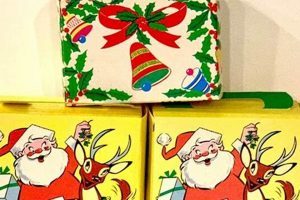
These collectible containers, frequently constructed from tin or steel, were designed to transport meals and often included an insulated bottle for beverages. Characterized by colorful graphics featuring popular characters, television shows, or commercial brands of their era, they represent a specific period in design and manufacturing.
Their significance extends beyond mere functionality; they embody nostalgia and cultural history. As tangible artifacts, they offer insight into past generations’ values, interests, and consumer habits. The graphics adorning these items serve as visual reminders of bygone eras, making them highly sought-after by collectors and enthusiasts.
The ensuing discussion will delve into the history, collectibility, identifying features, and preservation of these iconic artifacts, providing a comprehensive overview for both novice enthusiasts and seasoned collectors.
Tips for Collectors
Acquiring and maintaining these vintage items requires a strategic approach. Careful consideration of condition, rarity, and provenance is crucial for both new and experienced collectors.
Tip 1: Assess Condition Rigorously: Examine the item for rust, dents, scratches, and graphic wear. Original paint and intact closures significantly impact value. Minor imperfections may be acceptable, but extensive damage diminishes collectibility.
Tip 2: Research Rarity and Production Numbers: Limited edition releases or those with short production runs are generally more valuable. Consult price guides and online databases to determine scarcity.
Tip 3: Verify Authenticity: Counterfeit items exist, particularly among popular characters or designs. Compare details with known authentic examples and consult with experienced collectors or appraisers.
Tip 4: Understand the Thermos Value: The presence and condition of the thermos can influence the overall worth. Match the thermos to the correct lunch box set, as substitutions negatively impact value. A complete, original set is always preferable.
Tip 5: Employ Proper Storage Techniques: Store the item in a dry, climate-controlled environment away from direct sunlight. Acid-free tissue paper can protect against surface damage. Avoid stacking items, as this can cause dents or scratches.
Tip 6: Document Purchases Thoroughly: Maintain detailed records of purchase price, date, provenance, and condition. This documentation is crucial for insurance purposes and potential future resale.
Tip 7: Consider Professional Restoration Cautiously: While restoration can improve appearance, it may also decrease value if not performed by a skilled professional. Preserve originality whenever possible.
Diligent application of these tips will aid in building a valuable and historically significant collection. Prioritizing research, careful evaluation, and appropriate preservation techniques maximizes long-term value.
The concluding section will summarize the key considerations discussed and highlight future trends within the collecting community.
1. Material Composition

Material composition critically influences the preservation, value, and historical assessment of these vintage items. The choice of materials during manufacturing directly affects their resistance to degradation, aesthetic appeal, and overall collectibility.
- Tin Lithography
Tin-plated steel was the predominant material. This allowed for vibrant, detailed graphics to be applied through lithography. However, tin is susceptible to rust, particularly when exposed to moisture or humidity. Consequently, the presence of rust significantly diminishes the value of the lunch box. The lithographic process also means that the graphics are prone to scratching and fading over time.
- Steel Construction
Some models utilized heavier gauge steel for increased durability. While more resistant to dents and physical damage compared to tin, steel remains vulnerable to corrosion. Surface treatments, such as enamel coatings, were sometimes applied to enhance protection against rust. Examples of steel-constructed models exhibit greater structural integrity over time, provided they were properly maintained.
- Insulation Materials
The thermos component often incorporated glass liners for insulation, encased within a metal or plastic shell. The integrity of the glass liner is crucial, as breakage compromises the thermos’ functionality and decreases its overall value. Early plastic formulations used in thermos casings may also exhibit degradation over time, leading to discoloration or brittleness.
- Handle and Latch Materials
Handles and latches were commonly constructed from metal or plastic. Metal components are prone to rust and breakage, while plastic parts can become brittle or discolored due to exposure to ultraviolet light. The functionality and aesthetic condition of these components are vital for the overall preservation of the item.
The interplay of these materials defines the condition and longevity of the vintage lunch box. Recognizing the inherent vulnerabilities of each material type enables collectors to implement appropriate preservation strategies and accurately assess the item’s historical and monetary value.
2. Graphic Design

Graphic design played a pivotal role in transforming utilitarian metal containers into desirable cultural artifacts. The visual elements imprinted on these vintage lunch boxes transcended mere decoration, reflecting prevailing social trends, popular culture, and commercial strategies of their respective eras.
- Character Licensing and Depiction
Licensing agreements with major entertainment companies enabled the reproduction of iconic characters from comic books, television, and film. These depictions drove consumer demand, particularly among children. Examples include Superman, Mickey Mouse, and characters from popular television shows such as “The Flintstones.” The accuracy and vibrancy of these depictions directly influenced the perceived value and collectibility of the item.
- Advertising and Branding
Lunch boxes served as effective advertising platforms for various brands. Companies featured their logos, mascots, and slogans on the containers to promote their products. Examples include Campbell’s Soup, Coca-Cola, and various cereal brands. The presence of well-known branding can enhance the historical significance and collectibility, offering insights into past marketing strategies.
- Artistic Styles and Trends
The graphic design styles employed on these lunch boxes mirrored broader artistic movements of the time. Examples include mid-century modern aesthetics, pop art influences, and the psychedelic styles of the 1960s. These artistic elements contribute to the visual appeal and reflect the cultural context of the manufacturing period. Collectors often seek out boxes that exemplify specific artistic trends.
- Color Palettes and Printing Techniques
The choice of color palettes and printing techniques impacted the visual impact and durability of the designs. Vibrant colors, achieved through lithography, were common but prone to fading over time. The quality of the printing and the preservation of the colors are critical factors in assessing the condition and value. Collectors prioritize items with well-preserved, vibrant graphics.
The graphic designs adorning these vintage lunch boxes serve as visual narratives of the past, encapsulating popular culture, marketing strategies, and artistic trends. Their enduring appeal lies not only in their functionality but also in their ability to evoke nostalgia and provide insights into bygone eras.
3. Thermos Type
The thermos, integral to the “vintage metal lunch boxes with thermos” set, dictates functionality and collectibility. Variations in construction and material directly influence insulation effectiveness and overall durability, impacting the value of the ensemble. For example, early models featured fragile, glass-lined thermoses prone to breakage, diminishing the set’s completeness and appeal. Conversely, later iterations employed more robust plastic liners, improving resilience and preserving value. This cause-and-effect relationship underscores the thermos type’s importance as a key component.
Different eras witnessed distinct thermos designs that are closely aligned with specific lunchbox styles. A 1960s lunchbox featuring “The Jetsons” would ideally be paired with a similarly styled thermos from the same period. Deviations from this pairing reduce the set’s authenticity and market value. The practicality of understanding these relationships is evident during evaluation; collectors knowledgeable about compatible thermos types can more accurately assess a lunchbox’s originality and worth.
In summary, the thermos is not merely an accessory but a defining characteristic of the “vintage metal lunch boxes with thermos” set. Its type, material, and condition are critical considerations for collectors, influencing both preservation efforts and value assessments. Successfully navigating this element presents ongoing challenges but remains essential for the acquisition and appreciation of these iconic artifacts.
4. Manufacturing Era

The manufacturing era of “vintage metal lunch boxes with thermos” directly correlates with their design, materials, and collectibility. Each era reflects distinct technological capabilities, cultural influences, and economic conditions, all of which impacted production processes and aesthetic choices. For example, the post-World War II era saw a surge in metal production and a rise in popular culture, leading to mass-produced lunch boxes adorned with licensed characters. This period’s lunch boxes often employed tin lithography, reflecting available printing technology. The manufacturing era, therefore, serves as a key determinant of material composition and graphic style. Understanding this connection is crucial for accurate identification and valuation of vintage pieces.
Practical application of this understanding extends to authentication and restoration efforts. Knowledge of manufacturing techniques prevalent in a specific era allows collectors to discern original components from later replacements. The use of specific plastics or printing methods can serve as a definitive marker of authenticity. Similarly, restoration techniques should align with the era’s original manufacturing processes to preserve historical accuracy. Attempting to apply modern restoration methods to a mid-century lunch box could inadvertently diminish its value, highlighting the practical significance of aligning restoration efforts with the manufacturing era.
In summary, the manufacturing era is an indispensable consideration when assessing vintage metal lunch boxes and thermoses. It influences design, materials, and the authenticity. Recognizing the manufacturing era ensures accurate identification, proper preservation, and informed valuation within the collecting community.
5. Character Depiction

Character depiction on vintage metal lunch boxes serves as a primary driver of collectibility and historical value. The inclusion of recognizable characters from popular culture comics, television, and film directly influenced consumer demand and production numbers. A prevalent example lies in the numerous Superman lunch boxes produced during the 1950s; these items leveraged the characters widespread popularity, resulting in high sales volumes and, subsequently, enduring collectibility. The quality and accuracy of the characters portrayal also played a significant role; deviations from established designs or poorly executed graphics could diminish both consumer appeal and long-term value.
The practical significance of understanding character depiction extends to authenticating and valuing vintage lunch boxes. Collectors meticulously examine the depicted characters for consistency with established character designs of the period. Subtle variations in costume, facial features, or logo placement can indicate either a rare variant or a counterfeit item. Furthermore, the character’s historical context is crucial; a lunch box featuring a character that experienced a surge in popularity within a specific year often commands a higher price. This contextual understanding allows collectors to assign accurate values based on historical relevance and character recognition.
In summary, character depiction is integral to the value and cultural significance of vintage metal lunch boxes. Its influence on consumer demand, production volumes, and historical context cannot be overstated. The challenges involve discerning authentic character designs from counterfeits and accurately assessing historical context. The correlation between character depiction and lunch box value continues to drive interest and activity within the collecting community.
6. Rarity Factor
The rarity factor exerts a significant influence on the valuation and collectibility of vintage metal lunch boxes with thermos. Scarcity, driven by limited production runs, unique design features, or historical circumstances, directly elevates an item’s desirability among collectors. A limited edition lunch box featuring a character that was only popular for a short period of time, such as “Davy Crockett” lunchbox produced briefly in the 1950s due to the quick decline in popularity, demonstrates this effect. This underscores the inherent cause-and-effect relationship between rarity and value; lower availability directly translates to heightened demand and increased market prices. The rarity factor operates as a crucial component dictating an item’s worth within the collectable vintage “metal lunch boxes with thermos” category.
The practical significance of understanding the rarity factor extends to informed purchasing decisions. Collectors utilize rarity guides, auction records, and historical production data to assess the scarcity of specific models. Discerning subtle variations, such as color anomalies or manufacturing errors, requires thorough research. For instance, a lunch box with a printing error or a limited run experimental design may be rarer, increasing value. This knowledge empowers collectors to make strategic investments, mitigating the risk of overpaying for common or reproduction items. Verification through expert consultation and detailed provenance research is also essential in establishing authentic rarity, as fraudulent claims can artificially inflate prices.
In summary, the rarity factor functions as a pivotal determinant in the vintage metal lunch box market. Its influence stems from historical context, production scarcity, and design uniqueness. Navigating this complex factor requires meticulous research, historical knowledge, and a critical approach to authentication. Despite challenges such as counterfeiting, and evolving market trends, a comprehensive understanding of rarity enables collectors to identify, value, and preserve these artifacts effectively.
Frequently Asked Questions
The following questions address common inquiries regarding vintage metal lunch boxes with thermos. The intent is to provide clear, concise, and factually accurate information to collectors and enthusiasts.
Question 1: What factors determine the value of a vintage metal lunch box?
Value is contingent upon several interrelated factors: condition (absence of rust, dents, scratches), rarity (limited production runs, unique design features), historical significance (association with popular characters or events), completeness (presence of the original thermos), and provenance (documented ownership history).
Question 2: How can authenticity of a vintage metal lunch box be verified?
Verification involves a multi-faceted approach: comparison with known authentic examples (examining design details, color palettes, and printing techniques), consultation with experienced collectors or appraisers, scrutiny of manufacturer markings, and analysis of material composition for consistency with the purported manufacturing era.
Question 3: What are appropriate preservation techniques for vintage metal lunch boxes?
Preservation entails storing the item in a climate-controlled environment (avoiding extremes of temperature and humidity), shielding it from direct sunlight (to prevent fading of graphics), handling it with care (to prevent scratches or dents), and using acid-free storage materials (to prevent chemical degradation).
Question 4: How does the presence (or absence) of the original thermos impact value?
The presence of the original thermos significantly enhances value, particularly if the thermos is in good condition and matches the lunch box design. A complete set demonstrates historical accuracy and completeness. A missing or non-original thermos reduces the overall value.
Question 5: What are common pitfalls to avoid when collecting vintage metal lunch boxes?
Common pitfalls include: failing to adequately assess condition (overlooking rust or concealed damage), neglecting to research rarity (overpaying for common models), neglecting to verify authenticity (purchasing counterfeits), and improper storage (leading to deterioration of the item).
Question 6: Where can reliable information on vintage metal lunch boxes be found?
Reliable sources of information include: specialized collector guides (providing pricing and identification data), reputable auction houses (offering detailed descriptions and provenance information), museum archives (housing historical examples and research materials), and established collector communities (facilitating knowledge sharing and authentication assistance).
These FAQs provide essential guidance for navigating the complexities of collecting vintage metal lunch boxes with thermos. Due diligence, research, and careful preservation are paramount for successful collecting.
The subsequent section will explore emerging trends and future prospects within the collecting community.
Conclusion
This exploration of “vintage metal lunch boxes with thermos” has elucidated key facets influencing their collectibility, historical significance, and valuation. Condition, rarity, manufacturing era, character depiction, and the presence of the original thermos are pivotal determinants for prospective collectors and historians. Authentication, proper preservation techniques, and a comprehensive understanding of market dynamics are crucial for navigating the complexities of this collecting area.
Continued research, diligent preservation efforts, and adherence to rigorous authentication standards will ensure the sustained appreciation of these artifacts. The enduring cultural significance of vintage metal lunch boxes with thermoses warrants ongoing scholarly attention and dedicated preservation initiatives, ensuring their accessibility for future generations.