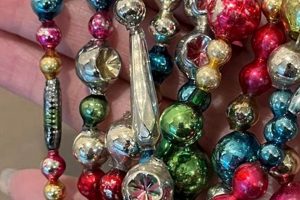
These delicate and often whimsical receptacles, crafted primarily from glass, once served as a popular method for dispensing sweets, especially during the early to mid-20th century. Shaped into a variety of figures, from animals and vehicles to popular characters, they held a small quantity of confections, offering a tangible keepsake after the treats were consumed. A common example is a glass train filled with hard candies, typically purchased around Christmas.
The significance of these objects lies in their historical context, representing a bygone era of consumer culture and childhood joys. They provide a tangible link to past generations, offering insights into manufacturing techniques, design aesthetics, and marketing strategies of the time. Moreover, their collectibility has contributed to their enduring appeal, fostering a community of enthusiasts dedicated to preserving these pieces of material culture. The value of some examples can be significant, reflecting their rarity, condition, and historical importance.
The following sections will delve into the history of their production, identifying key manufacturers, exploring the diversity of their designs, and providing guidance on how to identify and care for these collectible treasures. Detailed information regarding factors impacting value and resources for further research will also be presented.
Tips for Collectors of Vintage Glass Candy Containers
Acquiring and maintaining a collection of these items requires careful consideration and informed decision-making. The following tips are designed to assist both novice and experienced collectors in navigating the market and preserving these historical artifacts.
Tip 1: Research Before Purchase: Prior to acquiring any example, conduct thorough research regarding its manufacturer, production period, and potential value. Utilize online resources, collector’s guides, and auction archives to establish a baseline understanding.
Tip 2: Examine for Damage: Inspect the container meticulously for cracks, chips, or repairs. Minor imperfections may be acceptable depending on the rarity of the piece, but significant damage will impact its value substantially. Utilize a magnifying glass for close examination.
Tip 3: Verify Authenticity: Be wary of reproductions and replicas, which are prevalent in the market. Familiarize yourself with the characteristics of genuine examples, including mold marks, glass quality, and paint application. Consult with experienced collectors or appraisers for authentication assistance.
Tip 4: Consider Rarity and Condition: Rarity and condition are primary determinants of value. Examples with limited production runs or those in pristine condition command higher prices. Balance the desire to acquire a specific design with the reality of its availability and overall state.
Tip 5: Proper Storage is Essential: Store these items in a stable environment away from direct sunlight, extreme temperatures, and humidity. Wrap each container individually in acid-free tissue paper and place it in a padded box or display case to prevent damage.
Tip 6: Handle with Care: Exercise extreme caution when handling these fragile items. Avoid grasping them by their smaller parts, such as handles or spouts. Use both hands for support and handle them over a soft surface to minimize the risk of breakage.
Tip 7: Document Your Collection: Maintain a detailed record of your collection, including photographs, descriptions, purchase prices, and provenance information. This documentation will be invaluable for insurance purposes and for future sale or appraisal.
These guidelines offer a framework for responsible collecting, promoting both enjoyment and preservation of valuable historical objects. By following these suggestions, collectors can mitigate risks and maximize the long-term value of their investments.
The subsequent sections will explore the preservation and restoration techniques, further enhancing the understanding and appreciation for these charming relics of the past.
1. Design Variations

The intrinsic appeal of “vintage glass candy containers” lies significantly in the breadth of their design variations. This diversity served a dual purpose: attracting the consumer through novelty and catering to various thematic interests. The shapes ranged from realistic depictions of animals, such as dogs and rabbits, to modes of transportation like trains and automobiles, and even anthropomorphic figures representing popular characters of the era. This extensive range resulted in a tiered market, where certain designs, due to limited production or higher initial appeal, are now considerably more valuable and sought-after than others.
The cause of this design proliferation stems from manufacturers aiming to capture a larger market share. Each design offered a unique selling proposition, appealing to different demographics and occasions. For instance, a locomotive-shaped container might have been marketed towards children, while a more elegant, floral-shaped container could have been aimed at adults. The importance of design variation cannot be overstated; it directly influences rarity, desirability, and, consequently, market value. A less common design, like a World War I biplane, commands a significantly higher price compared to a standard teddy bear shape, assuming comparable condition. This is exemplified by specialized collections focusing solely on specific categories, such as holiday-themed or transportation-themed examples.
In conclusion, design variations are a crucial component in understanding and appreciating these artifacts. They dictate collectibility, inform market value, and provide insights into the cultural landscape of the era in which they were produced. Recognizing and categorizing these variations allows collectors and historians to better assess authenticity, rarity, and ultimately, the significance of each individual piece. The ongoing challenge lies in continually cataloging and researching previously undocumented designs to ensure a comprehensive understanding of this unique art form.
2. Manufacturer Identification

Manufacturer identification represents a cornerstone in the study and valuation of vintage glass candy containers. The origin of these containers significantly impacts their historical context, design characteristics, and ultimate collectibility. Differentiation between manufacturers, such as Westmoreland, T.H. Stough, Victory Glass, and L.E. Smith, is vital due to variations in glass quality, production techniques, and design styles. The cause of these variations stems from differing manufacturing capabilities, design philosophies, and market positioning strategies employed by each company.
The importance of manufacturer identification cannot be overstated. For example, Westmoreland is known for its high-quality milk glass containers, often featuring intricate detailing and distinctive molds. In contrast, T.H. Stough is recognized for its pressed glass designs, frequently incorporating patriotic or figural themes. Knowing the manufacturer allows collectors and historians to assign a timeframe to the creation of the piece, understand the materials used, and ascertain whether specific design elements are consistent with the company’s known output. Falsely attributing a container to a more reputable or rarer manufacturer can lead to inflated valuations and misrepresentation of its historical significance. Experienced collectors rely on identifying mold marks, pontil scars, and stylistic nuances unique to each manufacturer to authenticate their acquisitions.
Accurate manufacturer identification presents challenges due to the absence of explicit markings on some containers and the existence of unmarked reproductions. However, diligent research using manufacturer catalogs, historical advertisements, and expert consultations can mitigate these challenges. The practical significance of this understanding lies in enabling informed purchasing decisions, preserving historical accuracy, and appreciating the craftsmanship of individual manufacturers. Ultimately, the ability to identify the manufacturer enriches the collecting experience and contributes to a more nuanced understanding of these artifacts.
3. Condition Assessment

Condition assessment is paramount when evaluating vintage glass candy containers, significantly influencing their desirability and market value. The state of preservation reflects the care and environment to which the container was subjected throughout its existence. Damage, such as cracks, chips, staining, or fading of painted details, directly diminishes value. The cause of such damage can range from accidental breakage to prolonged exposure to sunlight or harsh cleaning agents. A container in pristine condition, retaining its original paint and possessing no structural damage, commands a significantly higher price than a comparable example with noticeable flaws. For instance, a rare Santa Claus container, free of cracks and with vibrant paint, might fetch several thousand dollars, while a similar container with even a small chip could see its value reduced by half or more. Therefore, meticulous inspection and accurate assessment are crucial steps in the acquisition or sale of these collectibles.
The importance of condition extends beyond mere aesthetics; it also speaks to the integrity of the object. Cracks, even hairline fractures, can compromise the structural stability of the glass, making it more susceptible to further damage. Staining, often caused by residue from the original contents or improper cleaning methods, can permanently alter the appearance and reduce the clarity of the glass. The practical application of condition assessment involves using tools such as magnifying glasses and blacklights to detect subtle imperfections not visible to the naked eye. Blacklights, for example, can reveal repairs or restorations that may not be immediately apparent under normal lighting conditions. Proper lighting and meticulous examination are thus essential skills for collectors and dealers alike.
In conclusion, condition assessment is not merely a superficial evaluation but a critical component in determining the true value and historical significance of vintage glass candy containers. The challenges lie in the subjective interpretation of minor flaws and the potential for deceptive restoration practices. Understanding the nuances of condition, and the methods for accurately assessing it, empowers collectors to make informed decisions and contributes to the preservation of these delicate artifacts for future generations.
4. Rarity Determination

Rarity determination is a critical aspect of valuing and collecting vintage glass candy containers. The relative scarcity of a particular container significantly influences its desirability and market price. This assessment necessitates a detailed understanding of production numbers, distribution patterns, and survival rates over time.
- Original Production Volume
The initial number of containers manufactured directly impacts current rarity. Designs produced in limited quantities due to experimental runs, special commissions, or short production periods are inherently rarer. For instance, a container produced for a specific promotional event in a single region would have a lower production volume than a standard design sold nationwide for several years. Lower original production often correlates to higher collector demand and elevated prices.
- Manufacturing Company History
A company’s success and longevity affected the number of different container designs they produced. Identifying the company behind a container provides clues. If the company goes through bankruptcy, it will be more scarce compared to leading companies. Furthermore, it helps understand factors contributing to rarity or increased availability, which is crucial for assessment.
- Survival Rate
The fragility of glass and the containers’ intended use (as disposable items after consuming the candy) resulted in a low survival rate for many designs. Breakage, loss, and disposal over time have drastically reduced the number of containers available today. This reduction in supply directly increases the rarity and value of surviving examples, particularly those in excellent condition. Collectors often seek examples that have defied the odds, surviving decades with minimal damage.
- Regional Distribution
Distribution patterns played a significant role in determining the current rarity. Containers distributed primarily in specific geographical areas or through limited retail channels are often scarcer than those sold nationwide. Regional variations in design or packaging further contribute to rarity. Identifying the original distribution area can provide valuable insight into the potential scarcity of a particular container.
Understanding the interplay of these factors is essential for accurately assessing the rarity and, consequently, the value of vintage glass candy containers. The pursuit of rare examples drives much of the collecting activity, contributing to the enduring appeal of these tangible artifacts of a bygone era.
5. Market Value
The market value of vintage glass candy containers is a dynamic entity, shaped by a confluence of factors beyond simple supply and demand. This value represents the culmination of historical significance, aesthetic appeal, rarity, and condition, all interacting within the context of collector interest and economic trends. Understanding these influences is crucial for collectors, dealers, and historians seeking to navigate the complex landscape of this niche market.
- Auction Results and Sales Records
Auction results and documented sales provide tangible data points for establishing market value. Reputable auction houses specializing in vintage collectibles track prices realized for specific container types, offering a benchmark for similar examples. Analyzing trends in auction results reveals shifts in collector preferences and the overall health of the market. For example, a significant increase in the price of a particular design at auction can signal growing demand or increased awareness of its rarity, impacting the value of similar containers in private sales. These records are invaluable resources for assessing current market conditions and predicting future value fluctuations.
- Collector Demand and Trends
Collector demand exerts a substantial influence on the market value of these objects. Trends in collecting, often driven by nostalgia, historical events, or popular culture, can significantly alter the desirability of specific container types. For instance, a renewed interest in early 20th-century aviation might lead to increased demand for airplane-shaped containers, driving up their market value. Conversely, a shift in collector focus towards other categories of vintage collectibles could result in a temporary decline in prices. Understanding these trends requires active engagement with the collector community and ongoing monitoring of auction results and market analyses.
- Dealer Pricing and Inventory
Antique dealers and specialized collectible shops play a vital role in shaping market value by setting prices and managing inventory. Dealers often possess expertise in identifying rare or desirable containers, and their pricing reflects their assessment of condition, rarity, and market demand. The availability of a particular container in dealer inventory can influence its market value. A container readily available from multiple dealers may command a lower price than a scarce example held by only a few specialists. Monitoring dealer pricing and inventory provides valuable insights into the current market conditions and potential investment opportunities.
- Economic Conditions and External Factors
Broader economic conditions and external factors can also impact the market value of vintage glass candy containers. Economic downturns may lead to decreased discretionary spending, resulting in a temporary decline in collector demand and prices. Conversely, periods of economic prosperity can fuel increased investment in collectibles, driving up market value. External factors, such as historical events or cultural anniversaries, can also create short-term fluctuations in demand for specific container types. Remaining attentive to economic indicators and external influences helps collectors and investors make informed decisions and navigate the inherent uncertainties of the market.
These elements form a complex ecosystem that drives the market value of vintage glass candy containers. By carefully considering these factors, collectors and investors can make informed decisions, appreciate the historical and artistic significance of these items, and potentially realize long-term value appreciation. The world of vintage collectibles is dynamic, and ongoing research is essential for navigating its complexities and appreciating the unique beauty and historical significance of each container.
Frequently Asked Questions
The following addresses common inquiries regarding “vintage glass candy containers,” providing concise and informative answers for collectors and enthusiasts.
Question 1: What defines a “vintage” glass candy container?
A “vintage” glass candy container generally refers to those manufactured from the early 20th century up to approximately the 1960s or 1970s. This timeframe encompasses the period when these containers were most prevalent as a packaging method for confectionery items.
Question 2: How can authenticity be verified in vintage glass candy containers?
Authenticity verification requires careful examination. Key indicators include mold marks specific to known manufacturers, the quality and color of the glass, the presence of a pontil scar (on older examples), and the style of paint application. Comparison with documented examples in collector guides is highly recommended.
Question 3: What are the primary factors influencing the value of these vintage items?
Primary factors include rarity, condition, manufacturer, design, and market demand. Examples in pristine condition from well-known manufacturers, featuring rare designs and high collector interest, command the highest prices.
Question 4: How should vintage glass candy containers be properly stored and cared for?
Proper storage involves wrapping each container individually in acid-free tissue paper and storing them in a climate-controlled environment away from direct sunlight. Handling should be done with care, avoiding grasping by delicate parts. Cleaning should be performed gently with mild soap and water.
Question 5: Are reproductions of vintage glass candy containers common?
Yes, reproductions are prevalent. These often lack the detail and quality of original containers. Examination of mold marks, glass clarity, and paint quality is crucial for distinguishing reproductions from authentic examples.
Question 6: Where can reliable information about vintage glass candy containers be found?
Reliable information sources include collector guides, specialized antique publications, museum collections, and reputable online forums dedicated to glass collectibles. Consultation with experienced collectors and appraisers is also advisable.
In summary, careful examination, diligent research, and informed decision-making are crucial aspects of collecting and appreciating these artifacts. Knowledge protects collectors and facilitates a deeper understanding of these items.
The subsequent section delves into advanced collecting strategies, catering to seasoned enthusiasts seeking to refine their expertise.
In Conclusion
The preceding exploration of “vintage glass candy containers” has illuminated various facets of their history, design, valuation, and preservation. These fragile artifacts represent a tangible link to a specific era of consumer culture, manufacturing techniques, and aesthetic sensibilities. The value they hold extends beyond mere monetary worth, encompassing historical significance and artistic merit. Recognizing the nuances of manufacturer identification, condition assessment, and rarity determination is essential for responsible collecting and preservation efforts.
Continued research and documentation are critical for ensuring the long-term appreciation and understanding of these unique objects. Further study into previously undocumented designs, manufacturing processes, and distribution patterns will contribute to a more comprehensive understanding of their place in material culture history. It is incumbent upon collectors, historians, and institutions to safeguard these relics for future generations, ensuring their stories endure.