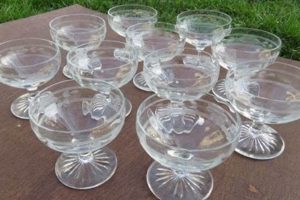
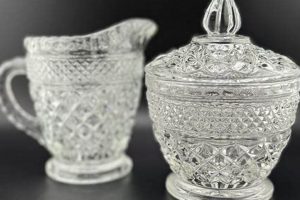
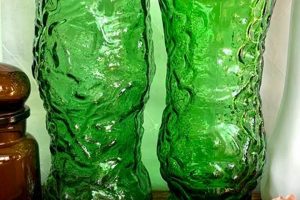
Drinking vessels from a bygone era, often crafted between the late 19th and mid-20th centuries, represent a distinct category of glassware. Characterized by unique designs, materials, and manufacturing techniques representative of their period, these items served a functional purpose in homes, bars, and restaurants. Examples include etched highball tumblers from the Art Deco period, hand-blown cocktail coupes, and sturdy beer steins.
These relics of the past possess value beyond mere utility. They offer tangible connections to social history, reflecting evolving tastes and cultural trends in entertainment and design. Their acquisition provides opportunities for connoisseurs to appreciate artisanal craftsmanship and distinctive aesthetics. Furthermore, the use of these items often elevates the experience of consuming beverages, fostering a sense of nostalgia and sophistication.
The subsequent discussion will delve into specific styles, collecting considerations, authentication methods, and preservation techniques relevant to the appreciation and ownership of these historically significant artifacts.
Acquiring Historical Drinking Vessels
Navigating the acquisition of historically significant drinking vessels requires careful consideration of several factors to ensure authenticity, value, and long-term preservation.
Tip 1: Research Provenance. Prioritize items with documented history. Known origins and ownership details increase the likelihood of authenticity and can significantly impact the item’s value. Seek out pieces with original receipts, family histories, or auction records.
Tip 2: Examine for Maker’s Marks. Many manufacturers included identifying marks on their glassware. Research common marks from the relevant period and familiarize yourself with their placement. Absence of a mark does not automatically disqualify an item, but its presence provides valuable confirmation.
Tip 3: Assess Condition Carefully. Inspect thoroughly for cracks, chips, or excessive wear. Minor imperfections may be acceptable, depending on age and rarity, but significant damage devalues the item. Use a magnifying glass to detect hairline fractures.
Tip 4: Understand Manufacturing Techniques. Familiarize yourself with the glassmaking techniques prevalent during the item’s purported era. This knowledge assists in identifying reproductions or later alterations. Look for telltale signs of machine-made versus hand-blown construction.
Tip 5: Consider Rarity and Desirability. Limited production runs, unusual designs, and historical significance impact collectibility. Research auction results and dealer inventories to gauge market demand for specific styles and patterns.
Tip 6: Authenticate Before Purchase. For high-value acquisitions, consider professional authentication by a reputable appraiser specializing in vintage glassware. A qualified expert can verify age, origin, and authenticity, providing peace of mind.
Tip 7: Plan for Preservation. Understand the specific care requirements of the materials involved. Proper storage, handling, and cleaning are crucial to preventing damage and ensuring the item’s longevity. Avoid harsh detergents or abrasive cleaners.
Diligent application of these considerations increases the likelihood of successful and rewarding acquisition. Careful research, informed observation, and expert consultation safeguard against misidentification and preserve historical value.
The following section addresses the ethical considerations related to the acquisition of these items, focusing on responsible collecting practices and provenance research.
1. Material Composition

The substance from which historical drinking vessels are fashioned exerts a profound influence on their characteristics, determining qualities such as clarity, weight, durability, and aesthetic appeal. The use of lead crystal, common in finer examples, results in increased brilliance and a distinctive ringing tone when struck, attributable to the presence of lead oxide. This addition alters the refractive index of the glass, contributing to its sparkle. Conversely, more utilitarian items were frequently crafted from pressed glass, a cost-effective alternative that offered greater strength, albeit at the expense of optical clarity.
Variations in the elemental composition of the glass also affect its color and response to light. The addition of certain metal oxides during the manufacturing process imparts hues such as cobalt blue, manganese violet, or uranium green. These colored examples possess significant collector appeal and reflect the decorative trends of their respective eras. Furthermore, the specific formula employed influences the glass’s susceptibility to degradation over time. Poorly formulated compositions are prone to clouding or “sick glass,” a condition that diminishes their aesthetic value and can compromise their structural integrity.
Therefore, a thorough understanding of the material composition is critical for accurately identifying, dating, and preserving these items. Recognizing the distinctive properties associated with different glass formulations allows collectors and curators to differentiate between authentic period pieces and later reproductions, as well as to implement appropriate conservation strategies to mitigate potential deterioration. Improper cleaning methods, for example, can irreversibly damage certain types of glass, underscoring the practical significance of this knowledge.
2. Design Aesthetics

The visual appeal of historical drinking vessels stems directly from the prevailing design aesthetics of their respective eras. Form follows function, yet the ornamentation, shape, and overall style significantly contribute to their desirability and historical significance. The Art Deco period, for instance, is exemplified by geometric patterns, streamlined silhouettes, and lavish use of gold or silver accents, reflecting the era’s embrace of modernity and industrial progress. Conversely, Victorian-era pieces often feature elaborate floral motifs, intricate etching, and heavier forms, embodying the opulence and romanticism characteristic of the time. These aesthetic choices serve as tangible markers of their historical context, providing insight into the social, cultural, and artistic values that shaped their creation. Consider, for example, the stark simplicity of Scandinavian modern glassware compared to the ornate complexity of Baccarat crystal each represents a distinct design philosophy and societal influence.
The importance of design aesthetics extends beyond mere decoration. The shape of a cocktail glass influences the drinking experience, directing aromas and facilitating the proper presentation of beverages. A coupe glass, designed for champagne, presents a wide surface area that enhances the release of aromas, while a narrow flute preserves carbonation. Similarly, the weight and balance of a glass contribute to its tactile appeal, impacting the overall perception of quality. The selection of appropriate glassware, therefore, elevates the enjoyment of drinks, transforming a simple act of consumption into a sensory experience. The revival of classic cocktail culture has spurred renewed interest in historical glassware styles, driven by a desire to recreate authentic drinking experiences and appreciate the craftsmanship of bygone eras.
Understanding design aesthetics is crucial for collectors, historians, and anyone seeking to appreciate these items. Recognizing the hallmarks of different design movements enables accurate dating, identification, and valuation. It also informs responsible preservation practices, ensuring that these cultural artifacts are protected and enjoyed for generations to come. While aesthetic preferences are subjective, knowledge of the historical context and technical execution enhances appreciation and prevents misattribution. The connection between design aesthetics and historical drinking vessels is intrinsic, offering a lens through which to understand the evolution of taste, technology, and society.
3. Manufacturing Origin

The geographical origin of vintage bar glasses significantly impacts their characteristics, influencing design, materials, techniques, and ultimately, their collectibility and historical value. Different regions developed distinct glassmaking traditions, resulting in variations that connoisseurs and historians meticulously document.
- Bohemian Glassworks: A Tradition of Craftsmanship
Bohemian glass, originating from the present-day Czech Republic, is renowned for its intricate engraving, vibrant colors achieved through specialized oxide mixtures, and use of potash lime glass. Skilled artisans employed techniques passed down through generations to create highly decorative and ornate pieces. Examples include elaborately etched decanters and vividly colored tumblers, often featuring scenes of nature or mythology. The reputation of Bohemian glass as a symbol of quality has ensured its desirability among collectors, particularly those seeking examples of exceptional craftsmanship.
- American Mass Production: Efficiency and Innovation
In contrast to the artisanal approach of Europe, American manufacturers emphasized mass production and technological innovation. Companies such as Libbey and Hazel-Atlas employed automated machinery to produce large quantities of affordable glassware. While perhaps lacking the intricate detail of hand-crafted examples, American glassware is notable for its durability, standardized shapes, and use of innovative techniques such as pressed glass patterns. Examples include sturdy milk glass mugs and Depression-era glassware in various pastel shades. This focus on practicality and accessibility makes American glassware a significant reflection of its social and economic context.
- French Artistry: Elegance and Refinement
French glassmakers, such as Lalique and Baccarat, are recognized for their elegance, refinement, and use of high-quality crystal. They combined traditional glassblowing techniques with innovative designs, often incorporating Art Nouveau and Art Deco motifs. Pieces from these manufacturers typically exhibit exceptional clarity, precise detailing, and sophisticated forms. Examples include intricately molded figurines embedded in glassware and exquisitely cut crystal decanters. The reputation of French glassware as a symbol of luxury has cemented its place in the history of decorative arts.
- Scandinavian Minimalism: Simplicity and Functionality
Scandinavian glass designers, particularly in the mid-20th century, embraced minimalist aesthetics, emphasizing clean lines, functional forms, and the inherent beauty of the material. Designers such as Tapio Wirkkala and Alvar Aalto created glassware that was both practical and visually appealing. Examples include simple yet elegant tumblers and pitchers crafted from clear or subtly tinted glass. This emphasis on functionality and understated elegance has made Scandinavian glassware a timeless and highly sought-after collectible.
The diverse approaches to glassmaking across different regions demonstrate the complex interplay between cultural values, technological advancements, and artistic expression. Understanding the manufacturing origin of these items provides valuable insight into their historical context, material composition, and aesthetic characteristics, enriching their appreciation and informing their preservation.
4. Historical context

The value and meaning of vintage bar glasses are inextricably linked to their historical context. These objects are not merely drinking vessels; they are artifacts that reflect the social customs, economic conditions, technological advancements, and artistic movements of the eras in which they were produced and used. The specific forms, materials, and decorative motifs found in vintage glassware are often direct responses to historical forces. For instance, the rise of the cocktail culture in the early 20th century, fueled by Prohibition-era speakeasies, spurred the creation of elaborate cocktail shakers and specialized glasses designed for specific mixed drinks. Similarly, the economic hardships of the Great Depression influenced the production of affordable pressed glass, often adorned with simple, geometric patterns.
Understanding the historical context is critical for proper identification, dating, and valuation. Recognizing the stylistic characteristics associated with specific periods allows collectors and dealers to distinguish between authentic vintage pieces and later reproductions or imitations. For example, a martini glass with a wide, conical bowl and a delicate stem is likely a product of the mid-20th century, reflecting the sleek, modern aesthetic of that time. Conversely, a heavy, cut-glass tumbler adorned with elaborate floral engravings likely dates to the Victorian era. Moreover, knowledge of the historical context informs responsible preservation practices. Glassware from the Prohibition era may require different cleaning and storage methods than glassware from the mid-century modern period, due to variations in materials and manufacturing techniques. Failure to consider these nuances can lead to irreversible damage and diminished value.
In conclusion, the historical context serves as an essential lens through which to interpret and appreciate vintage bar glasses. It provides valuable insights into their origins, design, and significance, enriching the collecting experience and promoting responsible stewardship. The ability to connect these objects to the specific historical circumstances that shaped their creation transforms them from mere commodities into tangible links to the past, enhancing their cultural and aesthetic value. The challenges in this arena lie in the meticulous research required to accurately place glassware within its correct period and to discern the subtle nuances that distinguish authentic pieces from reproductions.
5. Usage Patterns

The manner in which vintage bar glasses were utilized provides critical context for understanding their design, condition, and subsequent value. Usage patterns dictate the stresses to which an object was subjected, directly impacting its physical state and the types of wear observed. Frequent use can result in subtle surface abrasions, etching from acidic beverages, or even hairline fractures from repeated temperature fluctuations. Conversely, items reserved for special occasions might exhibit minimal wear, indicating careful handling and infrequent exposure to harsh conditions. Recognizing these patterns allows informed assessment of authenticity and preservation needs.
Specific historical periods and social customs further define usage patterns. For instance, the Prohibition era witnessed the clandestine consumption of cocktails, often using smaller, easily concealed glasses. This contrasts with the post-World War II era, characterized by larger, more elaborate glassware designed for celebratory gatherings and displays of affluence. The types of beverages served, from delicate wines to robust liquors, influenced the shapes and sizes of drinking vessels. Wine glasses, for example, feature stemmed designs to maintain temperature, while tumblers served as versatile containers for a variety of drinks. Analyzing the intended beverage type, based on the glass shape and size, offers insight into the social rituals and preferences of the time.
Understanding usage patterns is of practical significance for collectors, historians, and restorers. It informs appropriate cleaning methods, storage solutions, and conservation strategies. Recognizing that certain glasses were designed for specific drinks can also enhance the enjoyment of historical cocktails, allowing for an authentic and immersive experience. The challenge lies in interpreting the subtle signs of wear and usage, requiring both detailed observation and historical knowledge. However, this knowledge provides invaluable insight into the object’s history and adds significantly to its cultural value.
6. Collectibility Factors

The appeal and market value of historically significant drinking vessels are subject to a complex interplay of factors governing collectibility. Rarity, condition, design, historical significance, and provenance exert considerable influence on desirability and pricing. Scarcity elevates an item’s intrinsic worth, particularly when combined with aesthetic appeal or historical importance. Items produced in limited quantities or by renowned manufacturers command higher premiums. Condition directly correlates with value; well-preserved pieces with minimal wear exhibit greater collectibility compared to damaged or heavily worn examples. Design, reflecting stylistic trends and artistic merit, contributes to desirability among collectors seeking specific aesthetic qualities. Provenance, tracing the item’s ownership history, adds credibility and enhances historical context. These factors, interwoven, determine an item’s place within the collector’s market. For example, a complete set of Art Deco cocktail glasses in pristine condition from a notable designer could achieve substantial prices due to their limited availability, excellent condition, stylish design, and association with a significant historical period.
Furthermore, popular trends and media attention can significantly impact demand and pricing. A resurgence of interest in classic cocktails often translates to increased demand for appropriate glassware styles, driving up prices for vintage martini or coupe glasses. Likewise, exposure in films, television shows, or publications can generate heightened awareness and desirability, particularly for lesser-known designs. The presence of original packaging, labels, or accompanying documentation can further enhance collectibility, providing authentication and contextual information. Items with documented use in historically significant events or by notable individuals command exceptional prices. Consider the impact of a vintage shaker, demonstrably used in a famous bar during a pivotal moment in cocktail history; its collectibility extends beyond intrinsic value to encompass cultural significance.
Understanding collectibility factors is paramount for both seasoned collectors and novice enthusiasts. Informed purchasing decisions require careful assessment of an item’s attributes, accounting for both objective criteria and subjective preferences. While rarity and condition provide tangible measures of value, aesthetic appeal and historical associations contribute to the personal satisfaction derived from collecting. The challenges lie in discerning true rarity from perceived scarcity and accurately assessing condition, necessitating knowledge and experience. Ultimately, successful collecting balances rational analysis with a genuine appreciation for the artistry and history embodied within these tangible artifacts, ensuring that aesthetic and cultural treasures are appreciated.
7. Preservation Methods

The longevity and aesthetic integrity of historical drinking vessels hinge directly upon appropriate preservation methods. Material composition, manufacturing techniques, and usage patterns render these items susceptible to specific forms of degradation. Improper handling, cleaning, or storage can accelerate deterioration, diminishing their value and historical significance. The selection and implementation of suitable preservation techniques are, therefore, critical to mitigating these risks and ensuring the survival of these fragile artifacts.
Specific examples illustrate the consequences of neglecting proper preservation. Lead crystal, common in finer examples, can develop “sick glass” due to atmospheric moisture reacting with its lead content, resulting in a cloudy or iridescent film. Improper cleaning with abrasive agents can scratch delicate surfaces or remove applied decorations, such as gold leaf. Storage in direct sunlight can fade colored glass or embrittle plastic components. The selection of appropriate cleaning agents, such as mild detergents and soft cloths, is essential for preventing surface damage. Acid-free storage materials and controlled humidity levels can mitigate the risk of chemical reactions or physical degradation. Further, preventative measures, such as avoiding sudden temperature changes and using supportive padding during handling and display, minimize the potential for breakage.
In summary, the application of suitable preservation methods is not merely a matter of aesthetic preference, but a critical component of responsible stewardship. Careful consideration of material properties, environmental factors, and historical context enables the implementation of targeted strategies for safeguarding these tangible links to the past. The challenge lies in balancing the desire to display and utilize historical drinking vessels with the need to protect them from potential damage. By prioritizing preventative measures and implementing appropriate conservation techniques, collectors, curators, and enthusiasts can ensure that these objects retain their value and historical significance for future generations.
Frequently Asked Questions
The following addresses common inquiries and misconceptions surrounding the identification, acquisition, and care of vintage bar glasses.
Question 1: How can authentic items be distinguished from reproductions?
Discernment requires careful examination of manufacturing techniques, material composition, and design details. Vintage pieces often exhibit subtle imperfections indicative of handcrafting, whereas reproductions may display uniform precision from modern machinery. Examination under magnification can reveal minute differences in surface texture and detailing. Consultation with a qualified expert is advisable for high-value items.
Question 2: What factors influence the valuation of these items?
Valuation is determined by a combination of rarity, condition, provenance, and market demand. Scarce examples, well-preserved pieces, and items with documented ownership history command higher prices. Aesthetic appeal and historical significance also contribute to desirability among collectors.
Question 3: What cleaning methods are appropriate for vintage glassware?
Gentle cleaning with mild detergents and soft cloths is recommended. Abrasive cleaners, harsh chemicals, and dishwashers should be avoided, as they can scratch surfaces or remove applied decorations. Hand-washing and air-drying are preferred methods.
Question 4: How should they be stored to prevent damage?
Storage in a cool, dry environment, away from direct sunlight, is recommended. Acid-free tissue paper and padded containers can provide additional protection against breakage and surface damage. Proper shelving and display methods should minimize the risk of accidental impacts.
Question 5: Are items with minor imperfections still considered valuable?
Minor imperfections, such as slight scratches or air bubbles, may be acceptable, particularly in older pieces. Significant damage, such as cracks or chips, typically reduces value. The degree to which imperfections impact valuation depends on the rarity and overall condition of the item.
Question 6: Where can individuals seek professional appraisal services?
Reputable appraisers specializing in vintage glassware can be located through professional organizations, auction houses, and online directories. Verifying the appraiser’s credentials and experience is essential to ensure accurate and reliable assessments.
In summary, informed decision-making requires diligence in research, careful examination, and consultation with qualified experts. Knowledgeable practices safeguard the preservation of historical value.
The following section explores resources for collectors, including online databases, reference books, and museum collections.
Conclusion
The preceding analysis has elucidated the multifaceted nature of “vintage bar glasses,” underscoring their significance as historical artifacts, reflections of design evolution, and tangible representations of social customs. The valuation, preservation, and appreciation of these items necessitate careful consideration of their material composition, manufacturing origin, historical context, usage patterns, and collectibility factors. Diligence in research, coupled with informed observation and expert consultation, are paramount for successful acquisition and responsible stewardship.
The sustained interest in “vintage bar glasses” suggests a continued appreciation for craftsmanship, historical narratives, and the tangible connection to the past. Further exploration and documentation will serve to enrich understanding, fostering a greater recognition of their cultural and aesthetic value. Responsible collectors, historians, and enthusiasts bear the responsibility of ensuring their preservation for future generations, safeguarding these vestiges of a bygone era for continued study and enjoyment.