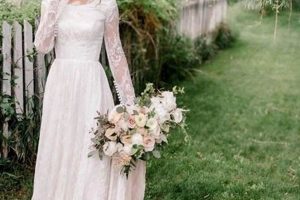
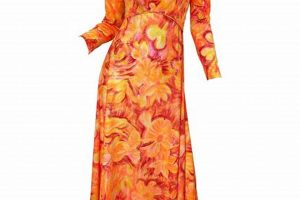
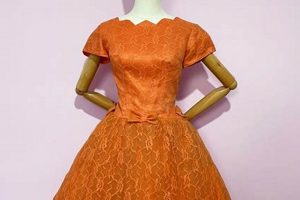
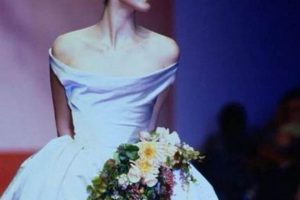
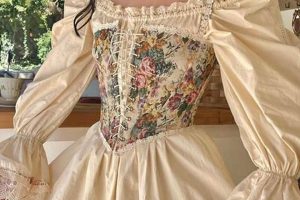
The term identifies pre-owned bridal gowns from past eras. These garments, often dating several decades or more, offer a tangible connection to history and represent distinct design aesthetics from their respective periods. Examples include lace-adorned gowns from the Victorian era, sleek satin styles from the 1930s, or full-skirted dresses characteristic of the 1950s.
Acquiring these items presents several advantages. It offers a more sustainable approach to bridal wear by giving a second life to existing garments, reducing the demand for new production. Furthermore, it allows for access to unique and often intricately crafted designs that may be unavailable in contemporary collections. The practice also allows budget-conscious individuals to procure high-quality materials and detailing at potentially lower price points. Historically, this practice reflects a shift towards valuing individuality and embracing a more eco-conscious lifestyle.
The following discussion will delve into the intricacies of sourcing these gowns, assessing their condition, and tailoring them for modern wear. Guidance on authenticating their era and preserving their value will also be provided.
Tips for Acquiring Pre-Owned Bridal Gowns from Past Eras
Navigating the acquisition of pre-owned bridal gowns from past eras requires careful consideration to ensure satisfaction and preserve the garment’s integrity.
Tip 1: Thoroughly Inspect for Damage: Prior to purchase, a comprehensive inspection for stains, tears, discoloration, and weakened seams is essential. Pay particular attention to areas prone to wear, such as the hemline, underarms, and closures.
Tip 2: Authenticate the Era: Research design characteristics and construction techniques typical of the purported era to confirm its authenticity. Consult with vintage clothing experts or utilize online resources specializing in dating vintage garments.
Tip 3: Consider Alteration Costs: Factor in potential alteration expenses when determining the overall budget. Vintage gowns often require modifications to achieve a proper fit or to update the style. Consult with a skilled seamstress experienced in working with delicate or vintage fabrics.
Tip 4: Inquire About Storage History: Understanding how the garment was stored can provide insights into its condition and potential for long-term preservation. Improper storage can lead to irreversible damage, such as mildew or moth infestations.
Tip 5: Check Fabric Composition: Identify the fabric composition to understand its care requirements. Vintage fabrics may require specialized cleaning methods to avoid damage. Consider the fabric’s breathability and suitability for the intended season.
Tip 6: Negotiate the Price: Research the fair market value of comparable garments to negotiate a reasonable price. Factor in the garment’s condition, rarity, and potential alteration costs.
Tip 7: Document the Purchase: Maintain detailed records of the purchase, including photographs, receipts, and any information regarding the garment’s history or provenance. This documentation will be valuable for future preservation or resale.
Careful adherence to these recommendations allows the selection of a pre-owned bridal gown that not only fulfills aesthetic desires but also honors its historical significance.
The subsequent sections will address specific considerations for cleaning, preservation, and display of these garments.
1. Authenticity Verification

Authenticity verification is a critical step in acquiring pre-owned bridal gowns from past eras. It ensures that the garment aligns with its claimed period, protecting the buyer from misrepresentation and preserving the historical value of genuinely vintage pieces.
- Fabric Analysis
Fabric analysis involves examining the fiber content and weave structure of the gown’s materials. Certain synthetic fabrics, for example, were not widely available until specific decades. Identifying fibers inconsistent with the purported era raises concerns about authenticity. Example: A gown claimed to be from the 1920s containing significant amounts of polyester would be suspect.
- Construction Techniques
Construction techniques varied significantly across different eras. Hand-sewing, specific seam finishes, and the use of particular closures (e.g., hook-and-eye vs. zippers) can provide clues to a gown’s origin. The presence of machine-stitched elements inconsistent with the alleged period can indicate a later reproduction or alteration. Example: A dress labeled as Victorian era yet displays serged edges would be suspect due to sergers not being available back then.
- Design Motifs and Embellishments
Each historical period possessed distinct design motifs and embellishment styles. Examining lace patterns, beadwork techniques, and overall silhouette can aid in determining authenticity. Embellishments that align poorly with the purported era suggest a later addition or a complete fabrication. Example: Floral patterns or beaded designs characteristic of the 1950s may not be appropriate on the 1920s gown.
- Label Analysis
The presence and style of labels within the gown can also offer insight into its origin. Vintage labels often feature specific font styles, logos, and manufacturing information indicative of their time. The absence of a label, while not definitive proof of inauthenticity, warrants further investigation. The material that used in the label need to be consider too. Example: A contemporary brand label sewn into a dress claimed to be from the early 20th century indicates a probable modern adaptation.
The implementation of these authenticity verification methods is vital to a responsible approach of gowns from past eras. Accurate authentication not only affects the garment’s monetary worth, but also contributes to the appreciation and understanding of textile history and design evolution.
2. Condition Assessment

Condition assessment is paramount when considering pre-owned bridal gowns from past eras. The condition directly affects the gown’s aesthetic appeal, structural integrity, potential for restoration, and ultimate value. A thorough evaluation mitigates risks associated with unseen damage and informs decisions regarding purchase and subsequent preservation.
- Fabric Integrity
Fabric integrity refers to the strength and stability of the gown’s textiles. Over time, fibers can degrade due to environmental factors such as light, moisture, and pollutants. Assessing fabric integrity involves visually inspecting for discoloration, brittleness, and threadbare areas. Gentle handling and testing of stress points (e.g., seams, closures) can reveal hidden weaknesses. For example, silk, a common material in vintage gowns, is prone to shattering if improperly stored or exposed to excessive sunlight. Compromised fabric integrity may necessitate reinforcement or replacement of entire sections, significantly impacting restoration costs.
- Stain Identification and Severity
Stains are a common occurrence in pre-owned garments. Identifying the type of stain (e.g., food, makeup, perspiration) is crucial for selecting appropriate cleaning methods. The severity of the stain dictates the likelihood of successful removal. Older, deeply set stains may prove irreversible without damaging the surrounding fabric. The location of the stain also influences its impact; stains near prominent features, such as the bodice or neckline, are more visually distracting than those concealed within the skirt. Professional stain removal by a textile conservator is often recommended to minimize potential damage.
- Seam and Embellishment Stability
Seam and embellishment stability refers to the structural soundness of the gown’s construction. Over time, seams can weaken, causing fabric to separate. Embellishments such as beads, sequins, and lace can detach due to age, wear, or improper handling. Thoroughly inspecting seams for loose threads and gaps is essential. Gently testing the attachment of embellishments can reveal areas requiring reinforcement. Missing or damaged embellishments may be difficult or impossible to replace with identical materials, affecting the gown’s overall aesthetic and value. The type of thread used is important as well.
- Damage from Pests and Storage
Damage from pests and inappropriate storage conditions are a major concern. Moth infestations can cause extensive fabric damage, leaving holes and weakened areas. Improper storage, such as in damp or unventilated environments, can lead to mold and mildew growth, resulting in discoloration, odors, and further deterioration of the fibers. Visual inspection for signs of insect activity and musty odors is crucial. Addressing pest infestations and mold growth requires professional treatment and may not always be fully effective, potentially rendering the gown unsuitable for wear.
Condition assessment provides information on a gown’s restoration potential. A thorough evaluation enables informed decisions about restoration costs and informs the preservation of gowns from past eras.
3. Alteration Suitability

Alteration suitability represents a critical consideration when acquiring pre-owned bridal gowns from past eras. Given that these garments were originally designed and constructed for individuals of a different era, achieving a proper fit and incorporating desired stylistic updates often necessitates alterations. The extent to which a gown can be successfully altered significantly impacts its overall value and wearability.
- Seam Allowance Availability
Seam allowance availability is a primary determinant of alteration potential. Adequate seam allowances provide the necessary fabric for expanding or reducing the gown’s size. Gowns with minimal or non-existent seam allowances present significant challenges, limiting the scope of possible adjustments. Examples include gowns constructed with tightly finished seams or those that have already been altered previously, reducing the available fabric for future modifications. A lack of seam allowance can necessitate the addition of gussets or panels, which may alter the original design and potentially compromise the gown’s aesthetic integrity.
- Fabric Integrity and Resilience
Fabric integrity and resilience influence the feasibility of alterations. Delicate or weakened fabrics may be unable to withstand the stress of seam ripping, cutting, and re-sewing. Attempts to alter such fabrics can result in tearing, fraying, or distortion. Gowns made from highly textured or patterned fabrics may also pose challenges, as matching the original design after alterations can be difficult or impossible. Careful assessment of the fabric’s condition and its ability to withstand the alteration process is essential. For example, brittle silk satins or heavily beaded fabrics may be unsuitable for extensive modifications.
- Structural Complexity of the Design
The structural complexity of the design impacts the ease and cost of alterations. Gowns with intricate layering, boning, or complex draping require specialized skills and techniques to modify successfully. Alterations to these features can be time-consuming and expensive. Furthermore, altering structural elements may inadvertently alter the gown’s overall silhouette and design aesthetic. Gowns with simple, clean lines typically offer greater flexibility for alterations compared to those with highly embellished or structured designs. Consideration should be given to the interplay of existing design and what would work as a contemporary upgrade.
- Style Compatibility with Modern Preferences
Style compatibility with modern preferences influences the type and extent of alterations required. Bridal styles have evolved significantly over time, and a vintage gown may not align with current trends or personal tastes. Alterations may be necessary to update the neckline, sleeves, skirt silhouette, or embellishments. The ability to successfully integrate modern stylistic elements while preserving the gown’s vintage charm requires careful planning and execution. Alterations aimed at modernizing a vintage gown should be approached with sensitivity to its original design and historical context.
In conclusion, the assessment of alteration suitability is crucial for informed selection. This allows a vintage item to integrate more cleanly with an individual style. Adequate seam allowance, resilient fabric, minimal structural complexity, and consideration of modernization ease allows the selection and alteration of gowns from past eras.
4. Fabric Care
The intersection of fabric care and pre-owned bridal gowns from past eras presents a multifaceted challenge. Improper cleaning or storage practices applied to delicate, vintage textiles can result in irreversible damage, diminishing both their aesthetic appeal and historical value. The chemical composition of cleaning agents, for instance, can react adversely with certain vintage fibers, causing discoloration, weakening, or even disintegration. Similarly, harsh washing methods can damage intricate embellishments or delicate lacework. Consequently, understanding the specific fabric composition and appropriate care techniques is paramount for preserving these garments.
Specific examples of fabric care missteps and their effects abound. Application of modern dry-cleaning solvents to a silk gown from the 1920s, for example, may strip the fabric of its natural oils, leading to a brittle texture and potential tearing. Storing a lace-trimmed gown in a plastic bag can trap moisture, fostering mold growth and discoloration. Ironing a velvet dress without proper padding can crush the pile, leaving permanent marks. Therefore, specialized knowledge of vintage textiles and their unique care requirements is essential. This often necessitates consulting with textile conservators or vintage clothing specialists who can recommend appropriate cleaning and preservation methods.
The practical significance of meticulous fabric care extends beyond mere aesthetics. Proper care ensures the longevity of these garments, allowing them to be appreciated and studied by future generations. It also preserves their monetary value, as well-maintained vintage items command higher prices in the market. While the challenges associated with caring for vintage textiles are significant, the rewards of preserving these historical artifacts justify the effort and expense. A commitment to appropriate fabric care is a commitment to preserving history itself.
5. Historical Significance
The historical significance of bridal gowns from past eras extends beyond their function as mere garments. They serve as tangible artifacts, embodying social, cultural, and economic contexts of their respective periods, offering insights into past aesthetics, values, and technological advancements.
- Reflection of Societal Values
Bridal attire often reflects the prevailing societal values and ideals of femininity. For example, ornate gowns from the Victorian era mirror the emphasis on modesty and elaborate displays of wealth prevalent during that time. Conversely, simpler designs from the World War II era may reflect resource constraints and a more practical approach to dress. Examination of design elements, such as silhouette, embellishments, and fabric choices, provides insights into the cultural norms and expectations surrounding marriage and gender roles.
- Indicator of Economic Conditions
The materials and construction of bridal gowns can reveal economic realities of the period. Luxurious fabrics, intricate detailing, and elaborate embellishments indicate affluence and access to resources. Simpler designs and less expensive materials may reflect economic hardship or a more modest lifestyle. Analysis of construction techniques, such as hand-sewing versus machine production, also provides clues about the availability of labor and technological capabilities. Examples include the austerity dresses of the war years which reflected material rationing, to the extravagant gowns of the gilded age.
- Representation of Design Evolution
These garments illustrate the evolution of fashion design and textile technology. Examining changes in silhouette, fabric types, and construction techniques reveals how bridal styles have transformed over time. The transition from hand-sewn to machine-produced garments reflects advancements in manufacturing technology. The introduction of new synthetic fabrics and embellishment techniques is also evident in the evolution of bridal attire. Observation of such changes allows the tracing of transformations in aesthetic sensibilities, material science, and garment production.
- Markers of Personal and Family History
Bridal gowns often hold significant personal and family history. They may be passed down through generations, becoming heirlooms that represent familial continuity and shared experiences. Each gown carries the memories of the wearer and the significance of their wedding day. Examination of these garments can provide insights into family traditions, personal style, and the lives of individuals from past eras. Preservation of these items becomes a means of preserving and honoring family heritage.
Consideration of these aspects ensures a richer appreciation of pre-owned wedding dresses. By examining a gown’s construction, materials, and stylistic details, one can gain valuable insights into its cultural, economic, and personal significance. The preservation and study of these garments contribute to a broader understanding of history through the lens of fashion and material culture.
6. Price Negotiation

Effective price negotiation constitutes an essential element in acquiring pre-owned bridal gowns from past eras. The absence of standardized pricing structures, coupled with the inherent variability in condition, authenticity, and desirability, necessitates a strategic approach to achieving a mutually agreeable transaction.
- Condition Assessment Discounting
The presence of flaws, such as stains, tears, or weakened seams, invariably impacts the value of a pre-owned garment. A prospective buyer should meticulously document any imperfections and leverage these findings to justify a lower purchase price. For instance, a visible stain on the bodice or significant damage to the hemline warrants a price reduction commensurate with the estimated cost of professional restoration or the diminished aesthetic appeal. Objectively quantifying the cost of repair or remediation strengthens the negotiation position.
- Authenticity Scrutiny Considerations
Uncertainty surrounding a gown’s authenticity presents an opportunity for price negotiation. If there is doubt regarding the garment’s purported era or designer, due to the lack of verifiable documentation or inconsistencies in construction, a buyer can argue for a reduced price that reflects the inherent risk. Expert appraisals or authentication services can provide supporting evidence to bolster the argument for a lower valuation. The absence of provenance diminishes the garment’s collectibility and, consequently, its market value.
- Market Value Benchmarking
Researching comparable sales data provides a foundation for informed price negotiation. Examining auction records, online marketplaces, and vintage clothing stores for similar gowns in comparable condition establishes a benchmark for fair market value. Discrepancies between the asking price and the established market value can be leveraged to negotiate a more favorable price. Factors such as rarity, designer recognition, and historical significance should be considered when benchmarking comparable items.
- Alteration Cost Projections
The need for alterations to achieve a proper fit should factor into price negotiations. Estimating the cost of necessary alterations, such as resizing, restyling, or embellishment modifications, provides a basis for requesting a price reduction. Quotations from experienced seamstresses or tailors specializing in vintage clothing can substantiate the projected expenses. Extensive alteration requirements diminish the gown’s immediate wearability and increase the overall investment required to render it suitable.
Employing these negotiation tactics, informed by thorough research and objective assessments, enables buyers to acquire pre-owned bridal gowns from past eras at prices commensurate with their true value and condition. These measures minimize the risk of overpayment and maximize the potential for long-term satisfaction with the acquisition.
Frequently Asked Questions
The following questions address common inquiries regarding the acquisition, care, and preservation of pre-owned bridal gowns from past eras.
Question 1: How can the authenticity of a claimed vintage wedding dress be verified?
Authentication involves careful examination of fabric composition, construction techniques, design motifs, and the presence of manufacturer’s labels. Consultation with vintage clothing experts may be required for definitive assessment.
Question 2: What are the most common condition issues encountered with used vintage wedding dresses?
Common issues include fabric discoloration, staining, seam weakening, embellishment damage, and degradation due to improper storage or pest infestations. A thorough inspection is essential.
Question 3: What alteration options are feasible for vintage bridal gowns, and what limitations exist?
Alteration feasibility depends on the availability of seam allowances, fabric integrity, and the complexity of the design. Extensive alterations may compromise the gown’s original design or structural integrity.
Question 4: What cleaning methods are appropriate for used vintage wedding dresses, considering their delicate nature?
Cleaning methods must be tailored to the specific fabric composition and any embellishments present. Professional cleaning by a textile conservator or vintage clothing specialist is recommended.
Question 5: How should used vintage wedding dresses be stored to ensure their long-term preservation?
Proper storage involves acid-free tissue paper, a breathable garment bag, and a cool, dry environment away from direct sunlight. Avoid storing in plastic bags or damp locations.
Question 6: What factors influence the pricing of used vintage wedding dresses, and how can a fair price be determined?
Pricing factors include authenticity, condition, rarity, designer recognition, and market demand. Researching comparable sales data and obtaining appraisals can help determine a fair price.
Careful consideration of these questions and their answers is vital for navigating the complexities of acquiring and maintaining pre-owned bridal gowns from past eras.
The subsequent section will provide guidance on resources and expert services available to assist in the acquisition and preservation of these unique garments.
Conclusion
The exploration of used vintage wedding dresses reveals a landscape rich with historical, aesthetic, and practical considerations. Due diligence in authentication, condition assessment, alteration feasibility, fabric care, and price negotiation are paramount to a successful acquisition. These pre-owned garments offer not only a connection to the past but also a sustainable alternative within the bridal industry.
Continued appreciation for these unique artifacts hinges on informed acquisition and meticulous preservation. Understanding the complexities involved is essential to ensuring the enduring legacy of these garments for future generations. Further research into specific eras, designers, and textile conservation techniques is encouraged for those seeking to engage with this specialized field.