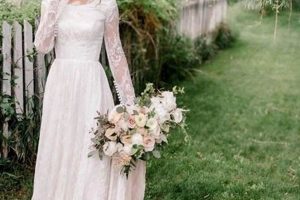
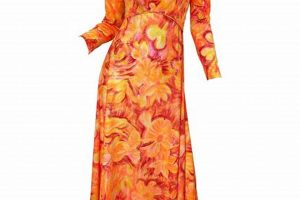
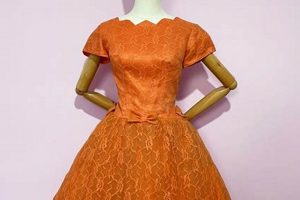
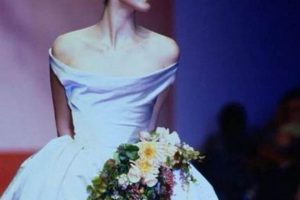
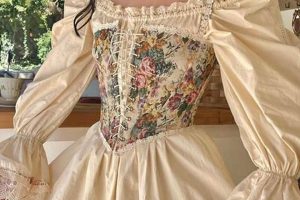
A garment originating from the mid-20th century, specifically designed and worn for formal dances typically held at the end of the academic year. These dresses are characterized by specific silhouettes, fabrics, and embellishments representative of the era in which they were produced. For example, a full-skirted gown made of taffeta with a fitted bodice is a common example.
The desirability of these items stems from their inherent connection to a significant cultural and social period. They represent a time of post-war optimism and distinct stylistic trends. The acquisition and wearing of such attire can provide individuals with a tangible link to history and an expression of personal style that diverges from contemporary fashion norms.
The following sections will delve into the specific characteristics, sourcing, care, and modern interpretations of these garments, providing a comprehensive understanding for enthusiasts and potential owners.
Acquiring and Maintaining Mid-Century Formalwear
The selection and preservation of garments from the 1950s requires careful consideration. Authenticity, condition, and appropriate care are paramount to ensuring the longevity and enjoyment of such items.
Tip 1: Verify Authenticity: Scrutinize construction details. Look for telltale signs such as original labels, period-appropriate zippers (e.g., metal zippers), and hand-finishing techniques. Research prevalent designers and manufacturers from the 1950s to aid in identification.
Tip 2: Assess Condition Carefully: Examine the fabric for signs of age, including discoloration, staining, and fabric weakness. Pay close attention to areas prone to wear, such as underarms, hemlines, and closures. Minor imperfections may be acceptable, but significant damage can be costly to repair.
Tip 3: Prioritize Professional Cleaning: Due to the delicate nature of vintage fabrics and embellishments, professional cleaning is highly recommended. Choose a cleaner experienced in handling vintage garments. Request gentle cleaning methods and avoid harsh chemicals or excessive heat.
Tip 4: Proper Storage is Crucial: Store the garment in a breathable garment bag made of cotton or muslin. Avoid plastic bags, as they can trap moisture and promote fabric degradation. Store in a cool, dry, and dark location to prevent fading and damage from humidity.
Tip 5: Handle with Care: When wearing the garment, be mindful of its delicate nature. Avoid activities that could cause snagging or staining. Consider wearing appropriate undergarments to protect the fabric from perspiration and friction.
Tip 6: Inspect and Repair Periodically: Regularly check the garment for loose seams, weakened closures, or other minor issues. Address these problems promptly to prevent them from escalating into more significant damage.
Tip 7: Consider Alterations Wisely: If alterations are necessary, consult with a tailor experienced in vintage clothing. Discuss potential changes carefully to ensure that the integrity of the garment is preserved. Avoid irreversible alterations that could compromise its historical value.
By adhering to these guidelines, owners can help ensure that these artifacts remain a treasured part of their wardrobe for years to come. Careful attention to detail and a commitment to preservation are essential.
The next section will discuss the ongoing relevance and adaptation of this style into modern fashion, showcasing its enduring influence.
1. Full skirt silhouette

The full skirt silhouette is intrinsically linked to garments produced during the 1950s. This design element, characterized by a fitted bodice that flares dramatically from the waistline, defines a key aesthetic marker of the era’s formal wear. The prevalence of this silhouette was not arbitrary; it reflected both the technological advancements in textile manufacturing and the cultural shifts occurring in post-war society. The ability to mass-produce voluminous fabrics, such as tulle and taffeta, enabled the creation of the full skirt on a large scale. Furthermore, the silhouette embodied a renewed sense of femininity and optimism following the austerity of the war years.
The effect of the full skirt was to create a visually striking and romantic aesthetic. This style offered a flattering shape to a wide range of body types, accentuating the waist and creating an hourglass figure. The practical implication of understanding this connection lies in accurately identifying and authenticating formal wear from the 1950s. For instance, if a dress purported to be from the 1950s lacks a pronounced full skirt, its authenticity should be questioned. Similarly, a modern recreation aiming for a historically accurate representation must prioritize this silhouette to capture the true essence of the style.
In summary, the full skirt silhouette is not merely a design element; it is a fundamental characteristic that embodies the spirit and fashion sensibilities of the 1950s. Recognizing its significance is crucial for historians, collectors, and anyone seeking to understand or replicate the elegance of mid-century formal attire. Understanding this foundational component of the overall aesthetic is essential for informed assessment and preservation of these historic garments.
2. Fitted waist emphasis

The defining characteristic of formal attire from the 1950s lies, in part, with its focus on a defined waist. This emphasis was not merely a stylistic choice; it reflected broader cultural ideals and manufacturing techniques prevalent during that era. The fitted waist served as a crucial element in achieving the quintessential hourglass figure, a silhouette highly valued and widely emulated.
- Structural Foundation
The fitted waist was often achieved through meticulous tailoring and internal structures such as boning and interfacings. These elements provided support and shape, ensuring the bodice remained snug and defined. For example, a dress might incorporate strategically placed boning to maintain its form throughout wear. This structural integrity was essential for creating a visually striking and flattering shape.
- Belted Accentuations
Beyond the inherent construction, belts played a significant role in further accentuating the waistline. These belts, often crafted from matching fabric or contrasting materials, served to cinch the waist and draw attention to its narrowest point. Examples include dresses featuring wide satin belts that visually divided the bodice from the full skirt, reinforcing the hourglass silhouette.
- Silhouette Enhancement
The fitted waist created a clear distinction between the upper and lower body, thereby enhancing the overall silhouette. This design element contributed to the dramatic flare of the skirt, emphasizing its fullness and volume. Dresses with tightly fitted bodices paired with widely flared skirts exemplify this contrast, creating a visually impactful and undeniably feminine aesthetic.
- Cultural Significance
The emphasis on a fitted waist was deeply intertwined with cultural ideals of femininity during the 1950s. This silhouette symbolized a sense of grace, elegance, and refinement that was highly valued in post-war society. Dresses that embodied this aesthetic became iconic representations of the era’s fashion, reflecting a desire for order, beauty, and a return to traditional values. Its impact went on defining entire genre of fashion.
In summary, the fitted waist was a multifaceted element that served both functional and symbolic purposes. From structural underpinnings to belted accents and silhouette enhancement, the emphasis on a defined waist was integral to the overall design and cultural significance of formal attire from the 1950s. Its careful consideration is essential for accurate identification, appreciation, and preservation of these historic garments.
3. Taffeta and tulle fabrics

The prevalence of taffeta and tulle in formal garments from the 1950s is a defining characteristic of the era’s sartorial landscape. These fabrics were not merely materials; they were instrumental in achieving the silhouettes and aesthetic qualities that defined the period’s formal wear.
- Taffeta’s Structural Role
Taffeta, a crisp and relatively stiff fabric, provided essential structure to bodices and skirts. Its ability to hold its shape contributed to the defined waistlines and voluminous skirts characteristic of 1950s styles. Examples include the use of taffeta as a lining to add body to skirts made of softer materials or as the primary fabric for dresses designed with architectural silhouettes. The fabric’s inherent stiffness allowed designers to create garments that stood away from the body, emphasizing the hourglass figure.
- Tulle’s Ethereal Volume
Tulle, a lightweight netting, was primarily used to create volume and add a sense of ethereal lightness. Multiple layers of tulle were often incorporated into petticoats or skirt linings to achieve the signature full skirt silhouette. Examples include tiered tulle underskirts that created a bouffant effect or delicate tulle overlays that added a romantic and whimsical touch. Its delicate texture provided a contrast to the crispness of taffeta, creating visual interest.
- Color and Texture Interplay
The interplay between taffeta and tulle extended to color and texture. Taffeta’s smooth, often lustrous surface created a backdrop for the delicate texture of tulle. Pastel shades, popular during the decade, were particularly effective in highlighting the fabrics’ inherent qualities. Examples include dresses with taffeta bodices and tulle skirts in complementary colors or layered tulle in varying shades to create depth and dimension. The contrast enhanced the overall visual appeal.
- Durability and Maintenance Considerations
While aesthetically pleasing, both taffeta and tulle require specific care. Taffeta, although relatively durable, can be prone to creasing and staining. Tulle, due to its delicate nature, is susceptible to tears and snags. Examples of maintenance challenges include the need for careful pressing to remove wrinkles from taffeta and gentle handwashing or professional cleaning to preserve the integrity of tulle. An understanding of these factors is crucial for the preservation of vintage garments.
The strategic use of these materials exemplifies a deliberate approach to achieving a specific aesthetic. The combination of structure, volume, and texture contributed significantly to the enduring appeal of “1950s vintage prom dress,” cementing their place in fashion history.
4. Delicate floral embellishments

Floral embellishments, executed with meticulous detail, constitute a significant decorative element within “1950s vintage prom dress”. These adornments, ranging from subtle accents to elaborate displays, contribute significantly to the overall aesthetic and embody the era’s emphasis on femininity and grace.
- Fabric Appliqus
Fabric appliqus, often crafted from materials such as silk, satin, or lace, were meticulously hand-sewn onto bodices, skirts, and straps. These appliqus frequently depicted stylized flowers, leaves, or vines, adding a tactile and dimensional quality to the dresses. For example, small roses clustered around the neckline or scattered across the skirt were common. The selection and placement of these appliqus demonstrated a deliberate attention to detail, elevating the garment’s visual appeal.
- Embroidery Techniques
Embroidery, utilizing techniques such as satin stitch, French knots, and stem stitch, provided another avenue for incorporating floral motifs. Embroidered flowers often featured intricate detailing, including nuanced shading and realistic textures. A dress might feature embroidered lilies cascading down the skirt or delicate forget-me-nots adorning the bodice. The time-consuming nature of hand embroidery underscores the value placed on craftsmanship during this period.
- Beaded Accents
Beads, sequins, and rhinestones were frequently incorporated to add sparkle and dimension to floral embellishments. These small, reflective elements could be strategically placed to highlight the petals, centers, or stems of flowers, creating a subtle yet eye-catching effect. For instance, tiny seed beads might outline the edges of fabric petals or cluster in the center of an embroidered flower. The addition of these accents enhanced the overall elegance and sophistication of the dresses.
- Placement and Composition
The placement and composition of floral embellishments were carefully considered to achieve a balanced and harmonious design. Flowers might be clustered around focal points, such as the neckline or waistline, or scattered across the entire garment in a more organic and free-flowing arrangement. For example, a dress might feature a large floral cluster at the hip, drawing attention to the wearer’s silhouette. The strategic placement of these embellishments contributed to the overall aesthetic and enhanced the dress’s visual impact.
The inclusion of delicate floral embellishments was not merely decorative; it served as a means of expressing femininity, celebrating craftsmanship, and adding a touch of elegance to formal attire. These details reflect the values and aesthetic sensibilities of the mid-20th century, contributing to the enduring appeal and historical significance of “1950s vintage prom dress”.
5. Pastel color palettes

The prevalence of pastel hues is a defining characteristic of formal attire from the 1950s. These soft, muted colors were not merely a stylistic preference; they reflected broader cultural trends and technological advancements in textile production, playing a significant role in shaping the aesthetic landscape of the era’s prom dresses.
- Cultural Optimism and Soft Femininity
The post-World War II era saw a resurgence of optimism and a renewed emphasis on traditional femininity. Pastel colors, with their gentle and calming qualities, aligned perfectly with this cultural mood. Shades such as baby blue, blush pink, mint green, and lavender evoked a sense of innocence and elegance, embodying the idealized image of young women. The selection of these colors served as a visual representation of societal values and aspirations.
- Technological Advancements in Dye Production
The development of synthetic dyes during the mid-20th century expanded the range of available colors and improved colorfastness. This allowed manufacturers to produce pastel shades that were more vibrant and resistant to fading than those achieved with natural dyes. Consequently, a wider array of pastel fabrics became accessible for dressmaking, contributing to their widespread adoption in formal wear. The improved color quality enhanced the visual impact of these garments.
- Emphasis on Subtlety and Refinement
Pastel colors complemented the sophisticated silhouettes and delicate embellishments characteristic of “1950s vintage prom dress.” These soft hues provided a subtle backdrop that allowed intricate details, such as floral appliqus, embroidery, and beadwork, to stand out without overwhelming the overall design. The restrained color palette contributed to the overall sense of refinement and elegance associated with these dresses. The result was a harmonious blend of color, texture, and form.
- Influence of Popular Culture and Media
The prominence of pastel colors in fashion was further reinforced by their portrayal in popular culture, including films, magazines, and advertisements. Celebrities and style icons of the era frequently donned pastel-colored dresses, influencing consumer preferences and solidifying their status as fashionable choices. This media exposure amplified the popularity of pastel hues and contributed to their association with sophistication and style.
The deliberate selection and widespread adoption of pastel color palettes in “1950s vintage prom dress” were influenced by a confluence of cultural, technological, and aesthetic factors. These soft hues not only reflected the prevailing mood of optimism and femininity but also complemented the design elements and construction techniques characteristic of the era. The lasting appeal of these dresses is due, in part, to the enduring charm and visual harmony of their pastel color schemes.
6. Tea-length hemlines
Tea-length hemlines, terminating midway between the knee and ankle, represent a defining feature of “1950s vintage prom dress”. This specific hemline choice was not arbitrary but rather a deliberate design decision reflecting social mores, fabric availability, and aesthetic preferences of the era.
- Practicality and Movement
The tea-length hemline offered a balance between formality and practicality. It allowed for ease of movement, facilitating dancing and social interaction, which were central to prom events. The slightly shorter length, compared to floor-length gowns, reduced the risk of tripping or snagging, enhancing the wearer’s comfort and confidence. The design offered functionality without sacrificing elegance.
- Fabric Conservation
Following the austerity of the war years, fabric conservation remained a consideration. The tea-length hemline required less fabric than full-length gowns, making it a more economical choice for both manufacturers and consumers. This practical aspect aligned with the resourcefulness prevalent in post-war society, contributing to the widespread adoption of this hemline style.
- Display of Footwear
The tea-length hemline provided an opportunity to showcase footwear. Elegant heels, often featuring delicate straps or embellishments, were an integral part of the overall ensemble. The shorter hemline drew attention to the shoes, allowing them to contribute to the overall aesthetic and express personal style. This emphasis on footwear underscored the attention to detail characteristic of the era’s fashion.
- Aesthetic Balance with Full Skirts
The tea-length hemline complemented the full skirt silhouette prevalent in “1950s vintage prom dress”. The shorter length prevented the voluminous skirt from overwhelming the wearer, creating a balanced and visually appealing proportion. This harmonious relationship between hemline and skirt volume contributed to the overall elegance and sophistication of the garments.
The tea-length hemline in “1950s vintage prom dress” represents a convergence of practicality, economic considerations, and aesthetic preferences. It served as a key element in defining the era’s formal wear, reflecting a balance between tradition and modernity, and contributing to the enduring appeal of these vintage garments.
7. Strapless or halter necklines

The incorporation of strapless and halter necklines in mid-20th-century formal attire signifies a departure from earlier, more restrictive styles. These neckline designs played a pivotal role in shaping the aesthetic and reflecting evolving social norms surrounding women’s fashion during that era.
- Strapless Necklines and the Emphasis on Shoulders
The strapless neckline, characterized by its absence of straps, placed a pronounced emphasis on the shoulders and dcolletage. This design element created a sense of openness and elegance, accentuating the wearer’s upper body. Examples include dresses with sweetheart or straight-across strapless necklines, often supported by internal boning for structure and stability. The absence of straps contributed to a more streamlined and sophisticated silhouette, embodying a sense of modern glamour.
- Halter Necklines and the Accentuation of Back and Neck
Halter necklines, featuring straps that tie or fasten behind the neck, similarly emphasized the shoulders but also drew attention to the back and neck. This design created a flattering V-shape at the front and an open back, adding a touch of allure to the garment. Dresses with halter necklines often incorporated flowing fabrics or intricate detailing at the back to further enhance the visual appeal. The halter neckline offered a balance between coverage and exposure, embodying a sense of confident femininity.
- Underlying Structural Support and Construction
Both strapless and halter necklines necessitated careful attention to structural support and construction. Internal boning, corsetry, and strategically placed seams were essential for maintaining the garment’s shape and providing adequate support. The successful execution of these necklines required skilled craftsmanship and a thorough understanding of fabric properties. For example, strapless dresses often featured multiple layers of fabric and reinforced seams to prevent slippage. The underlying construction was crucial for ensuring a comfortable and secure fit.
- Evolving Social Norms and Fashion Expression
The adoption of strapless and halter necklines in formal attire reflected evolving social norms surrounding women’s fashion and self-expression. These designs represented a move away from more conservative styles and embraced a more liberated and confident approach to dress. The willingness to expose the shoulders and back symbolized a shifting cultural landscape, where women were increasingly empowered to express their individuality and embrace their sexuality. The neckline choices reflected a broader trend towards greater freedom and self-determination.
These choices served as visual markers of a transformative period, reflecting a shift towards greater sartorial freedom and evolving cultural ideals of femininity. Their prevalence underscores their significance in shaping the distinctive style of garments from this era.
Frequently Asked Questions About 1950s Vintage Prom Dress
This section addresses common inquiries and misconceptions regarding acquiring, identifying, and caring for mid-century formal attire. The information presented aims to provide clarity and guidance for collectors, enthusiasts, and individuals seeking to appreciate the historical significance of these garments.
Question 1: How can the authenticity of a garment be determined?
Authenticity verification involves scrutinizing construction details, original labels, period-appropriate closures (e.g., metal zippers), and hand-finishing techniques. Researching prevalent designers and manufacturers of the era is also crucial for accurate identification.
Question 2: What are the key indicators of condition when assessing a potential purchase?
Condition assessment requires careful examination of the fabric for signs of age, discoloration, staining, and weakness. Areas prone to wear, such as underarms, hemlines, and closures, warrant particular attention.
Question 3: Is professional cleaning necessary for preservation?
Professional cleaning is highly recommended due to the delicate nature of vintage fabrics and embellishments. Selecting a cleaner experienced in handling vintage garments and requesting gentle cleaning methods is essential.
Question 4: What are the proper storage methods to prevent damage?
Proper storage involves utilizing a breathable garment bag made of cotton or muslin and storing the garment in a cool, dry, and dark location. Avoid plastic bags, as they can trap moisture and promote fabric degradation.
Question 5: What alterations are permissible without compromising historical integrity?
If alterations are necessary, consulting with a tailor experienced in vintage clothing is advised. Potential changes should be discussed carefully to ensure the integrity of the garment is preserved. Irreversible alterations that could compromise its historical value should be avoided.
Question 6: How can the garment be protected during wear to minimize damage?
When wearing the garment, mindfulness of its delicate nature is paramount. Avoiding activities that could cause snagging or staining and considering appropriate undergarments to protect the fabric from perspiration and friction are recommended precautions.
These FAQs provide a foundational understanding of the considerations involved in owning and preserving garments from the 1950s. Careful attention to detail and a commitment to responsible stewardship are crucial for ensuring their longevity.
The subsequent section will explore the modern adaptations and reinterpretations of this iconic style, demonstrating its continued relevance in contemporary fashion.
Conclusion
This exploration has provided an overview of garments originating from the 1950s intended for formal occasions, often school dances. The analysis encompasses distinctive stylistic characteristics, including defined waistlines, full skirts rendered in fabrics such as taffeta and tulle, delicate floral embellishments, and pastel color palettes. Furthermore, the article addressed essential aspects of acquisition, authentication, preservation, and the nuanced considerations for responsible ownership.
The enduring appeal of “1950s vintage prom dress” stems from its tangible connection to a specific cultural and social era and its representation of defined stylistic trends. Continued study and preservation efforts are essential to ensure that these artifacts endure as representations of mid-century aesthetics for future generations. Recognizing their historical and cultural relevance allows for informed appreciation and responsible stewardship.