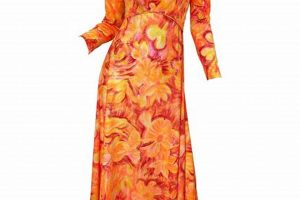
Emilio Pucci’s creations from past decades are highly sought-after garments. Characterized by bold, abstract prints in vibrant color palettes, these articles of clothing represent a significant era in fashion history. For example, a silk jersey shift dress featuring a swirling psychedelic pattern and the designer’s signature exemplifies this style.
The enduring appeal lies in their distinct aesthetic, quality craftsmanship, and association with mid-century glamour. These garments offer a unique opportunity to own a piece of wearable art and a tangible connection to a pivotal period of design innovation. Moreover, collecting these pieces can be a rewarding endeavor, appreciated for their historical significance and potential investment value.
The subsequent sections will delve into the defining characteristics, identifying markers, care considerations, and acquisition strategies for these desirable items of clothing.
Essential Insights for Acquiring Authentic Pucci Garments from Past Eras
The acquisition of authentic garments requires careful attention to detail and a solid understanding of the brand’s history. This section provides essential insights to aid in the identification and preservation of these valuable items.
Tip 1: Examine Print Quality and Registration: Original examples exhibit crisp, well-defined patterns with accurate color registration. Blurry or poorly aligned prints suggest a reproduction.
Tip 2: Analyze Fabric Composition: Historically, silk jersey, cotton, and occasionally wool were favored. The feel and drape should be consistent with these materials.
Tip 3: Scrutinize Label Details: Authentic labels contain specific information including the designer’s name, place of origin (often Italy), and care instructions. Inconsistencies or modern label designs raise concerns.
Tip 4: Assess Construction Quality: Garments from this era were typically well-made with attention to seam finishing, lining, and hardware (zippers, buttons).
Tip 5: Research Era-Specific Styles: Familiarize yourself with the silhouettes and design elements characteristic of each decade to avoid purchasing mislabeled or inaccurately dated pieces. For example, early 1960s shift dresses differ significantly from 1970s maxi dresses.
Tip 6: Consider the garment’s overall condition: Although perfect condition is rare, excessive wear, damage, or poor repairs can significantly detract from the item’s value and authenticity.
Tip 7: Consult with Experts: When in doubt, seek advice from knowledgeable dealers, appraisers, or vintage fashion historians who can provide expert opinions.
These insights offer a foundation for making informed decisions and ensuring the acquisition of genuine, historically significant pieces. Recognizing the nuances of design, construction, and labeling is paramount.
The following sections will address proper care techniques and explore avenues for locating these unique and coveted articles of clothing.
1. Iconic Prints

The significance of abstract, kaleidoscopic patterns is inextricably linked to the identity and desirability of Pucci garments from past eras. These designs, often featuring bold color combinations and geometric motifs, are arguably the single most defining characteristic of the brand’s identity. The vibrant, often psychedelic, nature of these prints, achieved through innovative textile printing techniques, immediately distinguishes a Pucci piece from its contemporaries. A direct consequence of these iconic prints is the brand’s enduring recognition and the sustained demand for its articles of clothing. For example, the “Vivara” print, introduced in the 1960s, continues to be instantly associated with the house, even decades after its initial release, demonstrating the power of these distinctive designs in creating brand recognition and driving consumer interest.
The importance of recognizing these print styles extends beyond mere aesthetic appreciation. Correctly identifying a print as authentic and dating it accurately allows for a more precise valuation of the garment. Understanding the evolution of the print designs throughout different decadesfrom the more geometric patterns of the early 1960s to the flowing, organic motifs of the 1970sis essential for accurate assessment and authentication. Moreover, the skill with which these prints were executed, including the sharpness of the lines and the accuracy of the color registration, serves as a further indicator of authenticity, helping to differentiate genuine articles from reproductions. For instance, a blurry or poorly defined print is a strong indication of a counterfeit item.
In summary, the iconic nature of these patterns is not merely an aesthetic detail but a fundamental element contributing to the value and authenticity. A discerning eye for print design, an understanding of its historical evolution, and the ability to assess its technical execution are essential skills for collectors and enthusiasts. The preservation and study of these vibrant patterns ensure that this significant contribution to fashion history continues to be appreciated and understood.
2. Silk Jersey

The prominence of silk jersey as a primary textile in garments from past decades is a defining characteristic. This fabric selection was not arbitrary; rather, it stemmed from a convergence of aesthetic and functional considerations. The inherent drape and fluidity of silk jersey lend themselves well to the flowing silhouettes favored during the mid-20th century. Moreover, the fabrics capacity to accept and retain vibrant, complex prints made it ideally suited for the bold, abstract patterns that became synonymous with the brand. For example, the iconic Pucci scarf, often crafted from silk jersey, showcases the fabric’s ability to display intricate designs with exceptional clarity and color saturation.
The selection of silk jersey also impacts the garment’s care and longevity. Compared to more structured fabrics, silk jersey requires careful handling to prevent snags and maintain its shape. Vintage examples often exhibit signs of wear due to the delicate nature of the material and the methods of cleaning available at the time. Therefore, recognizing the type of silk jersey used, whether a heavier weight or a more delicate knit, is crucial for determining appropriate cleaning and storage techniques. For instance, a 1960s shift constructed from lightweight silk jersey will necessitate a more gentle approach than a 1970s maxi dress made from a slightly heavier knit.
In conclusion, the connection between silk jersey and articles of clothing from this label is multifaceted. The fabric’s aesthetic properties, printability, and draping qualities contributed significantly to the brand’s signature style. Understanding the nuances of silk jersey, its variations, and its care requirements is essential for collectors and enthusiasts seeking to acquire and preserve these historically significant garments.
3. Italian Craftsmanship

The reputation for excellence in manufacturing significantly influences the value and desirability of Pucci garments from past eras. The adherence to high standards in materials, construction, and finishing reflects a commitment to quality characteristic of Italian manufacturing traditions. This dedication to craftsmanship elevates these articles of clothing beyond mere fashion items, positioning them as enduring examples of artistic and technical skill.
- Superior Material Selection
Italian textile mills, renowned for producing high-quality silks, cottons, and wools, supplied the materials used in the production of garments. The selection of these premium fabrics, characterized by their durability, texture, and ability to hold vibrant dyes, contributes to the overall longevity and aesthetic appeal. The use of Italian silk jersey, in particular, is a hallmark of the brand, providing a luxurious feel and a perfect canvas for the signature prints.
- Precision Sewing Techniques
Skilled seamstresses and tailors employed meticulous sewing techniques to ensure precise construction and a flawless fit. Attention to detail is evident in the clean lines, reinforced seams, and carefully aligned patterns. These techniques not only enhance the garment’s durability but also contribute to its overall aesthetic refinement. The hand-finished details, such as carefully rolled hems and hand-sewn linings, further exemplify the commitment to quality.
- Quality Control Standards
Stringent quality control measures were implemented throughout the manufacturing process to guarantee that each garment met the brand’s exacting standards. This included rigorous inspections for flaws in materials, imperfections in stitching, and inconsistencies in sizing. These quality control practices ensured that only garments of the highest caliber were released for sale, reinforcing the brand’s reputation for excellence.
- Influence of Regional Artisanal Traditions:
The historical development of textile production in various regions of Italy further contributed to the specific skill sets employed in creating these garments. Access to specialized knowledge in areas like dyeing, printing, and weaving allowed for constant innovation and refinement of manufacturing processes. The traditions passed down through generations of artisans influenced the quality of raw materials and the precision of fabrication.
The combination of superior materials, precision sewing techniques, rigorous quality control, and the influence of regional artisan traditions collectively defines the link between Italian craftsmanship and the enduring appeal of Pucci garments. This dedication to quality ensures that these pieces continue to be appreciated for their aesthetic beauty, historical significance, and lasting value.
4. Era Specificity

The dating of vintage articles of clothing is a critical aspect of their authentication and valuation. The designs, materials, and construction techniques employed in Pucci garments reflect the prevailing fashion trends and technological advancements of their respective eras. Accurately identifying the period of origin is, therefore, essential for establishing authenticity and determining market value.
- Silhouette and Cut
Distinct silhouettes characterize different decades. The early 1960s favored A-line shift dresses and streamlined shapes, reflecting the minimalist aesthetic of the era. By the late 1960s and early 1970s, looser, flowing silhouettes, such as maxi dresses and palazzo pants, became prevalent. The cut and drape of a garment can, therefore, serve as an initial indicator of its approximate age. For example, a bias-cut maxi dress with a halter neckline is more likely to originate from the 1970s than the early 1960s.
- Print Styles and Motifs
Pucci’s signature prints evolved over time. Early designs often featured geometric patterns and bold color combinations, reflecting the Op Art movement. Later prints incorporated more organic, swirling motifs and psychedelic color palettes, mirroring the influence of the counterculture. The presence of specific print designs, such as the “Vivara” or “Fantasia” patterns, can help narrow down the date range. The evolution of printing techniques, from hand-screened prints to more automated methods, also provides clues about the garment’s origin.
- Label Variations
The design and wording of labels underwent changes throughout the decades. Early labels typically featured the designer’s full name (“Emilio Pucci”) and the place of origin (“Made in Italy”). Later labels incorporated different logos, fonts, and care instructions. Analyzing the label’s design and the information it contains is a crucial step in the authentication process. The presence of a care label with specific fabric composition details (e.g., “100% Silk Jersey”) can further refine the dating.
- Fastener Types and Construction Details
The types of zippers, buttons, and other fasteners used in Pucci garments varied depending on the period. Early garments often featured metal zippers and hand-sewn buttonholes, while later examples may incorporate nylon zippers and machine-made buttonholes. The quality of construction and the finishing details, such as the type of lining and the seam finishes, also provide valuable information about the garment’s age. Hand-finished details are more indicative of early production, while machine-finished details are more common in later decades.
Understanding the nuances of era-specific design elements is paramount for accurately dating vintage Pucci articles of clothing. The combination of silhouette, print style, label variations, and construction details provides a comprehensive framework for assessing authenticity and determining market value. Each facet interacts to create a specific snapshot in time and by examining the totality of these clues, collectors and sellers can be confident about dating vintage garments of this brand.
5. Collectible Value

The financial worth assigned to Pucci garments from past eras stems from a combination of factors that transcend mere utility. This desirability is fueled by a complex interplay of historical significance, design innovation, rarity, and condition, ultimately determining its market price.
- Historical Significance
Articles of clothing from the 1960s and 1970s are embodiments of a specific period in fashion history. The designer’s innovative approach to pattern design and fabric use established a distinctive aesthetic. Garments that are representative of this era have higher appreciation. For example, pieces that are exhibited in museum collections gain additional value due to the heightened awareness of their cultural importance.
- Design Innovation and Uniqueness
The abstract, kaleidoscopic prints are recognized and have contributed to the brand’s identity. Limited-edition prints, collaborative designs, and unusual colorways contribute to the items’ scarcity. The uniqueness of these pieces drives up demand within the collector’s market.
- Rarity and Scarcity
The limited production runs contribute to their desirability. Garments in excellent condition, complete with original labels and accessories, command premium prices. The scarcity of such items makes them investments for collectors seeking to acquire rare and well-preserved examples.
- Condition and Provenance
The state of preservation affects its market price. Pieces that are well-maintained, free from significant damage, and exhibit minimal wear are highly coveted. Garments with a well-documented history, ownership by prominent figures, or participation in notable events can generate increased buyer interest.
These facets collectively influence the desirability. Collectors and investors recognize these qualities in determining the financial worth of these items. The investment worth stems from a confluence of factors including historical resonance, unique design elements, restricted supply, and pristine condition.
Frequently Asked Questions
This section addresses common inquiries concerning the identification, care, and acquisition of garments from past eras.
Question 1: How can one verify the authenticity of garments labeled as “pucci vintage dresses?”
Verification requires close scrutiny of several key details, including the print quality and registration, fabric composition, label design, construction quality, and style conformity with the purported era. Consulting with experts is advisable for complex cases.
Question 2: What specific fabrics were commonly used in vintage pieces?
Silk jersey was a signature fabric, along with cotton and occasionally wool. The tactile quality and drape should align with these materials.
Question 3: What are the most effective methods for preserving delicate fabrics?
Gentle hand washing or professional dry cleaning, followed by careful storage away from direct sunlight and moisture, are recommended. Acid-free tissue paper should be used for padding and support.
Question 4: How does one interpret label variations to determine a garment’s age?
Label designs evolved over time. Researching the specific fonts, logos, and wording used in different decades is essential. Resources such as vintage fashion archives and authentication guides can be valuable.
Question 5: What impact does the condition of a garment have on its value?
Condition is a primary determinant of value. Well-preserved pieces in excellent condition command higher prices than those with significant damage or wear. Restoration, if performed, should be executed by qualified professionals.
Question 6: Where are reputable sources for acquiring pieces?
Established vintage boutiques, reputable auction houses, and knowledgeable private dealers are generally considered reliable sources. Thoroughly researching the seller’s reputation and authentication practices is crucial.
Proper diligence and informed decision-making are essential when engaging with the vintage market.
The subsequent section will offer a comprehensive guide to care and maintenance practices.
Conclusion
This exploration has examined the defining characteristics, historical context, and collectible value of vintage garments. Identification, preservation, and ethical acquisition have been emphasized as crucial aspects for both enthusiasts and collectors. These articles of clothing represent a tangible link to a pivotal era in fashion design.
Continued research, discerning collecting practices, and appropriate conservation efforts are vital for ensuring that the artistic and historical significance of “pucci vintage dresses” is sustained for future generations. The responsibility for preserving these legacies rests with those who appreciate their unique contribution to the world of fashion.