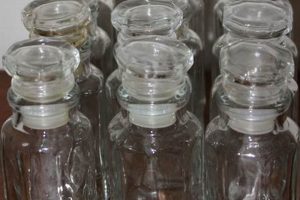
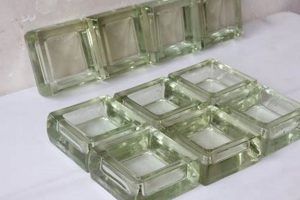
These are food storage containers crafted from glass, produced in a previous era, and designed specifically for use in refrigerators. Typically, they include a corresponding cover to maintain freshness. Examples can range from simple, utilitarian rectangular containers to more decorative, colorful, and uniquely shaped pieces.
Their enduring appeal stems from several factors. They offer a non-porous surface, preventing the absorption of odors and flavors from food, a common concern with plastic alternatives. Historically, they represent a shift in food preservation techniques, reflecting changing household needs and evolving design aesthetics. Their durability, often exceeding that of contemporary storage options, contributes to their value and desirability.
The subsequent discussion will delve into the identification, care, and collecting of these items, exploring the manufacturers, styles, and factors influencing their current market value. Further sections will provide guidance on sourcing authentic examples and understanding their place within broader trends in vintage kitchenware.
Tips for Identifying and Caring for Vintage Glass Refrigerator Dishes with Lids
The following guidance assists in identifying authentic examples and ensuring their longevity, considering their age and potential fragility.
Tip 1: Examine for Manufacturer’s Marks: Many pieces bear stamps or markings indicating the manufacturer (e.g., Pyrex, Fire-King, McKee). Research these marks to confirm authenticity and production dates. Omission of a mark does not automatically indicate a reproduction, but warrants further scrutiny.
Tip 2: Assess the Glass Quality: Vintage glass often possesses a distinct clarity and weight compared to modern reproductions. Look for subtle imperfections or variations in the glass, which are characteristic of older manufacturing processes. Heavy glass and a substantial feel are often indicators of quality.
Tip 3: Inspect the Lid Fit: Original lids should fit snugly but not too tightly. Check for chips, cracks, or warpage in both the dish and lid. A loose or ill-fitting lid can suggest replacement or damage.
Tip 4: Evaluate the Condition: Minor surface scratches are typical, but avoid pieces with significant chips, cracks, or deep staining. These flaws can compromise the structural integrity and diminish the value.
Tip 5: Employ Gentle Cleaning Methods: Avoid abrasive cleaners or scouring pads, which can scratch the glass. Hand washing with mild soap is recommended. Soaking in warm water can help loosen stubborn residue.
Tip 6: Implement Proper Storage Practices: Stack dishes carefully, using padding between them to prevent chipping. Avoid stacking heavy items on top of the lids, which can cause them to crack.
Tip 7: Be Aware of Temperature Sensitivity: Although designed for refrigeration, sudden temperature changes can cause the glass to shatter. Allow dishes to reach room temperature before washing or placing them in the oven (if oven-safe).
Adhering to these guidelines ensures the preservation and appreciation of these historical kitchenware items. Proper identification and care contribute to their continued functionality and aesthetic appeal.
The subsequent section will address the valuation and collectibility of these vintage items.
1. Manufacturers

The manufacturer of vintage glass refrigerator dishes is a primary determinant of their value, desirability, and historical significance. Identifying the maker provides insight into the dish’s era, construction quality, and potential rarity.
- Pyrex
Produced by Corning Glass Works, Pyrex is perhaps the most well-known manufacturer. Their refrigerator dishes, especially those with colored lids or in uncommon shapes, are highly sought after by collectors. Pyrex is synonymous with durable, heat-resistant glass, and their dishes reflect this reputation.
- Fire-King
A product of Anchor Hocking, Fire-King dishes often feature a distinct opaque glass, most notably their jadeite and peach lustre lines. These dishes offer a different aesthetic compared to Pyrex’s clear glass options and are favored for their retro appeal.
- McKee Glass
McKee Glass Company produced a variety of glass items, including refrigerator dishes characterized by intricate designs and a range of colors. Their dishes often feature embossed patterns and are considered collectible due to their decorative nature and relatively limited production compared to Pyrex or Fire-King.
- Hazel Atlas Glass
Hazel Atlas produced a wide range of glassware, including refrigerator dishes, during the mid-20th century. Their products are known for their durability and affordability, making them a common find in many households. They may not command the same prices as rarer brands, but their dishes are still valued for their functionality and vintage charm.
The influence of these manufacturers on the market for vintage glass refrigerator dishes with lids is undeniable. Recognizing their marks and understanding their production history is essential for collectors and enthusiasts seeking to acquire authentic and valuable pieces of kitchen history.
2. Materials

The composition of vintage glass refrigerator dishes with lids significantly influences their durability, safety, and aesthetic qualities. An understanding of the materials used in their production is crucial for collectors, historians, and those interested in their practical use.
- Soda-Lime Glass
This is the most common type of glass used in vintage refrigerator dishes. It is relatively inexpensive to produce, making it widely accessible during the period of production. While adequately durable for refrigerator use, soda-lime glass is susceptible to thermal shock and should not be used for baking or sudden temperature changes. Its composition contributes to the clarity often observed in these dishes.
- Borosilicate Glass
Known for its superior thermal resistance, borosilicate glass (as exemplified by some Pyrex products) allows dishes to transition safely from the refrigerator to the oven. This material can withstand significant temperature variations without cracking, making it a more versatile option. Borosilicate glass dishes are often identifiable by their thicker construction and higher price point relative to soda-lime varieties.
- Opal Glass
Used primarily by manufacturers such as Fire-King, opal glass features an opaque appearance, often in colors like jadeite or peach lustre. The opaqueness is achieved through the addition of specific chemicals during the glassmaking process. Opal glass offers a distinct aesthetic and is highly sought after by collectors. Although visually appealing, its thermal properties may vary depending on the specific formulation.
- Lid Composition
While the dishes themselves were made of glass, lids could be constructed from various materials, including glass, early plastics (such as Bakelite), or enameled metal. Glass lids provided a seamless aesthetic but were susceptible to breakage. Plastic lids offered flexibility but could stain or degrade over time. Metal lids, while durable, were prone to rust or enamel chipping. The lid material significantly impacted the overall lifespan and utility of the storage container.
The choice of materials in the manufacture of vintage glass refrigerator dishes with lids reflects a balance between cost, functionality, and aesthetic considerations. Each material type presents unique advantages and limitations, influencing the dishes’ suitability for different applications and contributing to their value and historical significance.
3. Shapes

The physical form of vintage glass refrigerator dishes with lids is a critical element, influencing functionality, storage efficiency, and aesthetic appeal. The shapes employed were not arbitrary but rather dictated by practical considerations and evolving design trends.
- Rectangular Forms
Rectangular dishes maximized space utilization within refrigerators, allowing for efficient stacking and storage of leftovers or prepared ingredients. This shape was particularly prevalent for storing sliced meats, cheeses, or vegetables. Examples include the classic Pyrex refrigerator boxes, often designed with slightly tapered sides for easier nesting. The rectangular form reflected a utilitarian focus on efficient food preservation.
- Square Configurations
Square dishes provided an alternative to rectangular forms, offering similar advantages in terms of stackability and space efficiency. These shapes were often used for storing smaller portions or for individual servings. Examples can be found in the Fire-King line, where square dishes were common in their jadeite and other colored glass offerings. The square configuration often catered to smaller households or specific food storage needs.
- Round Designs
Round dishes offered a softer aesthetic compared to the angular forms of rectangular and square containers. While potentially less efficient in terms of space utilization, round dishes were often preferred for storing foods with a more fluid consistency, such as sauces or puddings. Examples include vintage Pyrex mixing bowls repurposed for refrigerator storage or specialized round refrigerator dishes with tight-fitting lids. The round shape sometimes prioritized aesthetic appeal over purely utilitarian considerations.
- Specialty Shapes
Beyond the standard rectangular, square, and round forms, some vintage glass refrigerator dishes with lids were produced in more specialized shapes, such as oval, oblong, or even novelty forms like fruit or vegetable shapes. These specialty shapes often served a dual purpose, functioning as both storage containers and serving dishes. Examples might include oval casserole dishes with refrigerator lids or decorative containers shaped like apples or pears. These specialty shapes reflected a trend towards combining functionality with decorative design elements.
The diversity of shapes encountered in these vintage items underscores the adaptability of glass as a material for food storage. While practical considerations often dictated the primary forms, aesthetic trends and specific culinary needs also played a significant role in shaping the design and production of these historical kitchenware pieces. The shapes of vintage glass refrigerator dishes with lids, therefore, offer a window into the past, reflecting the evolving relationship between food preservation, kitchen design, and consumer preferences.
4. Colors

The color of vintage glass refrigerator dishes with lids is a significant factor affecting their desirability, value, and historical context. The hues chosen for these kitchenware items reflect the prevailing design aesthetics of the period in which they were manufactured, influencing their popularity and collectibility. Certain colors, due to limited production runs or specific manufacturing techniques, are now considered rare and command higher prices in the collector’s market. For example, jadeite green, a signature color of Fire-King products, embodies the mid-century modern aesthetic and is highly sought after, while less common colors within the Pyrex line, such as turquoise or flamingo pink, similarly increase an item’s value.
Beyond mere aesthetics, the selection of colors also served practical purposes. Lighter colors, such as white or pastel shades, were often favored for their ability to reflect light within the refrigerator, aiding visibility. Opaque colors, like the aforementioned jadeite, offered a sense of freshness and cleanliness, appealing to consumers concerned with food safety. Moreover, color variations often indicated different production periods or manufacturing locations, providing valuable information for collectors seeking to authenticate and date their acquisitions. The fading or discoloration of certain colors over time can also serve as an indicator of age and usage, adding to the item’s historical narrative.
Understanding the relationship between color and vintage glass refrigerator dishes with lids allows for a deeper appreciation of these items beyond their utilitarian function. The color palette reflects not only design trends but also practical considerations and manufacturing processes. Recognizing the significance of color provides collectors with the knowledge necessary to identify rare or desirable pieces, while also offering insights into the cultural and historical context in which these kitchenware items were produced and used. The colors, therefore, are integral to the understanding and appreciation of these vintage artifacts.
5. Lids

Lids are an indispensable component of vintage glass refrigerator dishes, fundamentally affecting their functionality and value. Their primary role is to create a seal, preventing food spoilage by minimizing air exposure and maintaining optimal humidity levels within the container. Without a properly fitting lid, the intended preservation benefits of the dish are significantly compromised, leading to faster deterioration of stored food. For example, the tight-fitting lids on Pyrex refrigerator sets were designed to keep leftovers fresh for extended periods, a critical function in an era before widespread plastic food storage options. This functionality directly influenced the adoption and popularity of these dishes in households.
The material and design of lids also contribute to the aesthetic and historical significance of these items. Early glass lids, often made by the same manufacturer as the dish, provide a seamless visual appearance and are highly desirable for collectors seeking complete sets. Alternatively, some dishes featured lids made from early plastics, such as Bakelite, or enameled metal. The condition of the lid is a major factor in assessing the overall value of a vintage glass refrigerator dish. A chipped or missing lid diminishes the utility and collectibility of the entire item. Therefore, when evaluating such items, careful attention should be paid to the lid’s material, fit, and condition, as these elements are intrinsically linked to the dish’s intended purpose and historical worth.
In summary, lids are not merely accessories; they are integral to the function and value of vintage glass refrigerator dishes. Their presence ensures effective food preservation, while their material and condition provide insights into the item’s age and history. The practical significance of this understanding is evident in the marketplace, where complete sets with original, undamaged lids command premium prices. This emphasis on completeness underscores the essential role of lids in preserving both the food stored within and the historical integrity of these vintage kitchenware items.
6. Condition

The condition of vintage glass refrigerator dishes with lids directly dictates their value, usability, and historical significance. Damage, such as chips, cracks, or significant staining, inherently diminishes both the functional capacity and the aesthetic appeal. For instance, a dish with a hairline fracture in the base may still be visually appealing but poses a risk of shattering under stress, rendering it unsuitable for practical use. The presence of heavy scratching or clouding of the glass detracts from the clarity and brilliance, reducing the desirability for collectors who prioritize visual appeal. Therefore, condition acts as a primary filter in determining whether a piece is suitable for collection, display, or continued use.
The impact of condition extends beyond purely aesthetic considerations. The integrity of the lid, often made of glass or early plastics, is critical for maintaining an airtight seal. A warped or cracked lid compromises the dish’s ability to preserve food, negating its intended purpose. Furthermore, the presence of lead leaching from damaged or degraded enamel coatings on lids presents a potential health hazard, rendering the dish unsafe for food storage. Examples include vintage Pyrex refrigerator sets where the plastic lids have become brittle and cracked over time, or metal lids with rusted or chipped enamel, highlighting the practical consequences of poor condition. Assessing condition, therefore, involves evaluating both structural integrity and potential safety concerns.
In summary, condition is a paramount consideration in evaluating vintage glass refrigerator dishes with lids. It directly affects their value, usability, and historical relevance. Recognizing the subtle signs of wear, damage, or potential hazards is crucial for both collectors and individuals seeking to utilize these items. The careful assessment of condition ensures that these artifacts are appreciated and utilized appropriately, preserving their legacy while mitigating risks associated with their age and prior use.
7. Value
The monetary value of vintage glass refrigerator dishes with lids is determined by a confluence of factors, including manufacturer, rarity, condition, color, and completeness. Each element exerts a measurable influence on the perceived worth of these historical kitchenware items within the collector’s market. Scarcity directly impacts price; dishes produced in limited quantities or featuring uncommon colors command a premium. For example, a complete set of Pyrex refrigerator dishes in a rare color like turquoise might fetch significantly more than a common clear glass set, assuming both are in comparable condition. The valuation process, therefore, requires a thorough assessment of each attribute to accurately determine its market price.
The condition of these dishes has a profound effect on their value. Items free from chips, cracks, or significant staining are more desirable and retain a higher price point. Similarly, the presence of an original lid in good condition significantly enhances the value. A dish without its original lid, or with a damaged lid, experiences a substantial devaluation. Practical applications, such as using the dishes for food storage, also influence perceived value; items in excellent condition can be utilized for their intended purpose, adding to their appeal for some buyers. Furthermore, the historical context contributes to valuation, with dishes from specific eras or manufacturers holding greater significance for collectors due to their representation of particular design movements or cultural trends.
In summary, establishing the value of vintage glass refrigerator dishes with lids involves a comprehensive evaluation of several interconnected factors. Scarcity, condition, completeness, historical significance, and functional utility all play critical roles in determining their worth. Understanding these valuation principles is essential for both collectors seeking to acquire valuable pieces and individuals aiming to accurately appraise items they possess. The interplay of these elements ensures that value is not merely a numerical figure but a reflection of the item’s historical, aesthetic, and practical significance.
Frequently Asked Questions
The following addresses common inquiries regarding vintage glass refrigerator dishes with lids, providing detailed answers to aid in their identification, care, and valuation.
Question 1: How can genuine vintage pieces be distinguished from modern reproductions?
Authenticity is often determined by examining manufacturer’s marks, assessing glass quality (vintage glass frequently exhibits subtle imperfections), and scrutinizing lid construction. Modern reproductions often lack the specific markings or possess a different glass composition and lid design.
Question 2: What cleaning methods are recommended to preserve the integrity of these dishes?
Gentle hand washing with mild, non-abrasive detergents is advisable. Avoid harsh chemicals or abrasive scouring pads, as these can scratch or damage the glass surface. Soaking in warm water can help loosen stubborn food residue.
Question 3: Are all vintage glass refrigerator dishes oven-safe?
Not all such dishes are oven-safe. Borosilicate glass dishes (e.g., certain Pyrex models) are typically oven-safe, while soda-lime glass dishes are not. Check the manufacturer’s markings or product information to ascertain oven-safe capabilities. It is always advisable to avoid drastic temperature changes, regardless of the glass type.
Question 4: How does the condition of a vintage dish impact its market value?
Condition significantly influences market value. Dishes with chips, cracks, or significant staining are worth considerably less than those in excellent condition. The presence of an original, undamaged lid also greatly increases value.
Question 5: What factors contribute to the rarity and desirability of specific vintage dishes?
Rarity is often tied to limited production runs, uncommon colors, or unique designs. Dishes from well-known manufacturers, such as Pyrex or Fire-King, are generally more desirable, especially when they exhibit rare features. Historical significance and collector demand also play substantial roles.
Question 6: How should vintage glass refrigerator dishes with lids be stored to prevent damage?
Stack dishes carefully, using padding (e.g., felt or cloth) between them to prevent chipping. Avoid placing heavy objects on top of the lids, as this can cause cracking. Store in a location where they are protected from sudden temperature changes or accidental impacts.
This information provides a foundational understanding for those interested in collecting, preserving, or utilizing vintage glass refrigerator dishes with lids.
The subsequent section provides resources for further research and exploration of this topic.
Conclusion
Vintage glass refrigerator dishes with lids, as demonstrated throughout this exploration, represent more than mere containers. They embody a tangible link to past eras, reflecting shifts in culinary practices, manufacturing techniques, and aesthetic preferences. Their value, determined by a complex interplay of factors, underscores their status as collectible artifacts.
Continued study and preservation efforts are essential to maintain the historical significance of these objects. Future research may further illuminate their cultural impact and provide deeper insights into the social contexts that shaped their production and use. Understanding vintage glass refrigerator dishes with lids offers a unique perspective on the evolution of domestic life and the enduring appeal of well-crafted, functional design.
![Buy: Stunning Vintage Blue Glass Ashtray [Collectible] | Vintage Treasures: Discover Rare Antiques, Collectibles & Retro Finds](https://roopevintage.com/wp-content/uploads/2026/04/th-631-300x200.jpg "Buy: Stunning Vintage Blue Glass Ashtray [Collectible] Vintage Treasures: Discover Rare Antiques, Collectibles & Retro Finds")