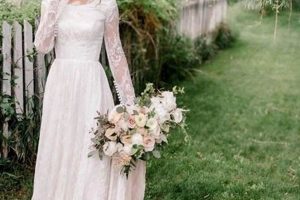
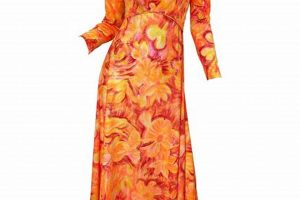
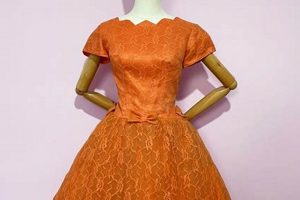
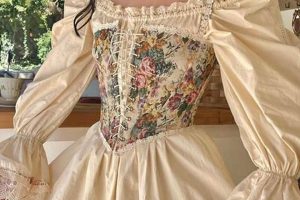
Garments originating from the 1950s, reflecting the styles and aesthetics of that era, and possessing characteristics of age and previous ownership, constitute a specific category of apparel. Examples of this include full-skirted frocks with cinched waists, pencil dresses emphasizing a streamlined silhouette, and swing dresses designed for ease of movement. These items often feature distinctive fabrics, patterns, and embellishments typical of the period.
The enduring appeal of these garments lies in their evocation of a distinct cultural moment, their craftsmanship, and their potential to express individual style through historically informed fashion choices. They offer insights into the social norms, manufacturing techniques, and aesthetic preferences of the mid-20th century. Furthermore, acquiring and wearing such items promotes sustainable consumption practices by extending the lifespan of existing textiles and reducing reliance on contemporary fast fashion.
The following sections will delve into the specific characteristics, materials, care considerations, and potential sources for acquiring garments from this notable decade. Guidance on identifying authentic examples and incorporating them into a modern wardrobe will also be provided.
The acquisition and preservation of authentic garments from this era require careful consideration. The following tips provide guidance for enthusiasts and collectors seeking to incorporate these pieces into their wardrobes or collections.
Tip 1: Authenticate Construction Details: Examine the construction methods employed. Original items from this period often exhibit details such as hand-stitched hems, metal zippers, and carefully finished seams, reflecting a higher standard of craftsmanship compared to modern reproductions.
Tip 2: Scrutinize Fabric Composition: Familiarize oneself with the common fabrics used during the 1950s. Cotton, rayon, and occasionally nylon were prevalent. The presence of modern synthetic blends in what is purported to be a vintage garment should raise suspicion.
Tip 3: Evaluate Label and Tag Information: Investigate any labels or tags present. Researching the manufacturer and the style of labeling used during the period can provide valuable clues regarding the garment’s authenticity and date of origin.
Tip 4: Assess Condition and Damage: Carefully inspect the garment for signs of wear and tear, such as stains, tears, or discoloration. While some minor imperfections are expected in vintage items, significant damage may impact the garment’s value and wearability.
Tip 5: Consider Fit and Alteration: Understand that sizing standards have evolved over time. A garment labeled with a particular size may not correspond to contemporary sizing. Be prepared to have the garment altered by a skilled tailor to achieve a proper fit.
Tip 6: Research Market Value: Before making a purchase, research the market value of similar garments in comparable condition. This will help ensure that a fair price is being paid and prevent overspending on less desirable pieces.
Tip 7: Prioritize Proper Storage: To preserve the integrity of the garment, store it in a cool, dry place away from direct sunlight. Use padded hangers to prevent stretching or distortion, and consider storing delicate items in acid-free tissue paper.
Implementing these guidelines will enhance the likelihood of acquiring authentic and well-preserved examples of garments from the specified period, while also safeguarding the investment made in these historical artifacts.
The subsequent sections will address specific examples of garments from the era, explore their cultural significance, and provide insights into integrating them into contemporary fashion.
1. Silhouette and Shape

The silhouette and shape are defining characteristics of garments from the 1950s. These elements directly reflect the post-war societal ideals of femininity and prosperity. The prevailing silhouettes often featured a distinct emphasis on the waist, achieved through fitted bodices and either full, voluminous skirts (achieved with petticoats) or more streamlined, figure-hugging pencil skirts. The “New Look,” popularized by Christian Dior, exemplifies this, establishing the full-skirted, cinched-waist aesthetic as a dominant trend. This shape was not merely aesthetic; it represented a departure from the more utilitarian styles of the war years, symbolizing optimism and renewed attention to personal appearance. Another prominent example is the sheath dress, which offered a more modern, sophisticated alternative. These silhouettes and shapes dictated the overall design and construction of items from the era.
The selection of undergarments played a crucial role in achieving the desired silhouette. Cone-shaped bras and girdles were essential for shaping the torso and creating the defined waistline. The cut and construction of bodices, including dart placement and seam lines, were specifically engineered to create the ideal hourglass figure. Furthermore, the choice of fabric significantly influenced the final shape. Stiffer fabrics, such as polished cotton or taffeta, were frequently used to maintain the structure of full skirts, while softer fabrics, like rayon or crepe, were better suited for draping and creating the more fluid lines of pencil skirts. The impact of silhouette on fashion is undeniable.
In summary, the silhouette and shape of garments from this period are inseparable from the era’s social and cultural context. The emphasis on a defined waist and either full or fitted skirts encapsulates the idealized feminine form of the 1950s. Understanding the interplay between design, construction, and undergarments is critical for appreciating and authenticating these garments. Challenges in preservation exist due to the delicate nature of some fabrics and the complexity of the construction techniques employed. Recognizing the importance of shape and silhouette is key to understanding this era’s sartorial choices.
2. Fabric and Material

The selection of fabric and material exerted a considerable influence on the design, construction, and overall aesthetic of garments from the 1950s. The properties of available textiles dictated the achievable silhouettes and dictated manufacturing possibilities. Cotton, rayon, and nylon emerged as prominent materials. Cotton, particularly in polished and printed forms, provided structure and durability suitable for full skirts and casual garments. Rayon, often blended with other fibers, offered drape and a silk-like appearance at a lower cost, making it a popular choice for dresses intended for both day and evening wear. Nylon, a relatively new synthetic fiber, contributed to the development of lightweight and wrinkle-resistant fabrics, influencing the design of more modern and practical styles. For example, a full-skirted sundress might feature a crisp cotton print, while a sophisticated cocktail dress could be constructed from rayon crepe. Understanding the material composition is vital for authentication and preservation.
The interplay between fabric and material also impacted the garments’ care requirements and longevity. Natural fibers like cotton demanded careful washing and ironing, while rayon required gentle handling to prevent shrinkage or damage. The introduction of synthetic fibers, such as nylon, offered some level of ease of care, but these materials also presented unique challenges, such as sensitivity to heat. The presence or absence of certain fabrics can serve as an indicator of a garment’s authenticity. For instance, the widespread use of polyester did not occur until the 1960s, so its presence in a garment labeled as a piece from the 1950s should raise concerns about its actual origin. The choice of dyes and finishes also affected a garment’s resistance to fading and staining over time. The quality of the fabric played a pivotal role in determining how well the garment would withstand the rigors of wear and laundering.
In summation, a comprehensive understanding of fabric and material provides essential insight into this era. The available textiles shaped the stylistic trends, influenced construction techniques, and determined the garments’ care requirements and durability. Analyzing the fabric composition of a garment can assist in determining its authenticity, assessing its condition, and selecting appropriate preservation methods. Therefore, knowledge of 1950s fabrics is indispensable for collectors, historians, and anyone interested in this era. Challenges persist in identifying blended fabrics and accurately dating items based solely on material composition. Future research focusing on textile analysis and dating methods may provide enhanced accuracy in this domain.
3. Pattern and Design

The patterns and designs prevalent in garments from the 1950s offer crucial insights into the era’s cultural values, technological advancements, and aesthetic preferences. These elements extend beyond mere decoration, functioning as potent indicators of social trends and manufacturing capabilities.
- Floral Motifs
Floral patterns were exceptionally popular, reflecting a resurgence of natural themes following the austerity of wartime. Large-scale floral prints, often featuring roses, carnations, or abstract botanical forms, adorned day dresses and skirts. These motifs were not merely decorative; they symbolized renewal, optimism, and the burgeoning consumer culture that celebrated domesticity and leisure. The scale and style of the floral designs also varied, ranging from realistic depictions to more stylized and abstract interpretations. For example, a cotton sundress with an oversized rose print embodies the era’s embrace of feminine beauty and suburban ideals.
- Geometric Prints
Geometric patterns, including polka dots, stripes, and abstract shapes, provided a contrasting aesthetic to the floral motifs. Polka dots, in particular, were ubiquitous, appearing on everything from dresses and blouses to accessories. These geometric designs represented a move towards modernity and a fascination with clean lines and simplified forms. The use of geometric prints also showcased advancements in textile printing technology, allowing for greater precision and complexity in pattern application. A dress featuring a bold, graphic polka dot pattern epitomizes this trend.
- Novelty Prints
Novelty prints, featuring whimsical themes such as animals, kitchen utensils, or travel destinations, added a playful and lighthearted element to garments. These prints reflected the era’s growing fascination with popular culture and its embrace of consumerism. Novelty prints were often used on casual dresses and children’s clothing, reflecting a desire for self-expression and individuality. The presence of such prints provides insight into the leisure activities and cultural interests of the time. Consider a dress with a print featuring images of Parisian landmarks, indicative of the era’s burgeoning interest in international travel.
- Color Palettes
The color palettes used in 1950s garments ranged from pastel shades to bold, vibrant hues, reflecting a sense of optimism and prosperity. Pastel colors, such as pink, blue, and mint green, were particularly popular, conveying a sense of femininity and innocence. These soft colors were often paired with contrasting accents, such as black or white, to create visual interest. Conversely, bold colors, such as red, turquoise, and yellow, were used to make a statement and reflect the era’s growing confidence. The combination of these color palettes contributed to the distinctive visual aesthetic of 1950s fashion. Garments in these color combinations are indicative of the period.
The interplay of pattern and design elements within 1950s garments provides a rich tapestry of cultural and historical information. These details inform not only the aesthetic preferences of the time but also the social values, economic conditions, and technological capabilities that shaped the era. Analyzing these patterns and designs allows for a deeper appreciation and understanding of garments originating from the 1950s. Additional research into specific textile mills and designers could further illuminate the evolution of patterns during this period.
4. Occasion and Use

The intended occasion and use significantly shaped the design, materials, and embellishments of garments from the 1950s. The dictates of social context determined sartorial choices. Day dresses, designed for everyday activities such as housework, shopping, or casual social gatherings, typically featured practical fabrics like cotton or rayon and simple, unfussy designs. A housewife might wear a cotton dress with a cheerful floral print while attending to household chores. Conversely, garments intended for more formal events, such as cocktail parties, dances, or evening social gatherings, incorporated luxurious fabrics like silk, velvet, or taffeta and elaborate embellishments such as beading, embroidery, or lace. A cocktail dress fashioned from silk with intricate beading would be considered appropriate attire for a sophisticated evening event. These distinctions highlight the close relationship between social customs and apparel design.
The impact of occasion and use extended to specific dress styles. The shirtwaist dress, a versatile option suitable for both work and leisure, was characterized by its button-down bodice and tailored silhouette. This style could be adapted for various occasions by altering the fabric and accessories. A simple cotton shirtwaist dress might be worn for everyday activities, while a more refined version in silk or linen could be dressed up for semi-formal events. Similarly, the full-skirted “party dress” was designed specifically for dances and celebrations. These dresses typically featured voluminous skirts, often supported by petticoats, and vibrant colors or eye-catching embellishments. A teenage girl might wear a bright pink party dress with layers of crinoline to a school dance. The influence of these parameters is significant.
In summary, understanding the intended occasion and use is crucial for accurately interpreting and appreciating garments from the 1950s. The interplay between social customs and apparel design is evident in the distinct styles, fabrics, and embellishments associated with different activities and events. Recognizing these distinctions allows for a more nuanced understanding of the era’s cultural values and sartorial practices. Authenticating a garment without considering the occasion it was designed for presents considerable challenges. Future research should focus on documenting specific dress codes and social norms to provide a more comprehensive context for studying fashion from this decade.
5. Construction Quality

The enduring appeal and value of garments from the 1950s are intrinsically linked to the quality of their construction. The manufacturing processes and techniques employed during this era contribute significantly to the longevity, appearance, and overall desirability of these vintage items. Examining construction quality reveals much about the standards, technologies, and labor practices of the time.
- Seam Finishes and Stitching
Seam finishes in garments from the 1950s often involved meticulous techniques, such as hand-finished hems, pinked edges, or bound seams, designed to prevent fraying and enhance durability. The stitching density and thread quality also reflect a commitment to creating long-lasting garments. For example, a couture dress might exhibit hand-picked zippers and precisely aligned seams, showcasing a high level of craftsmanship. Inferior garments, by comparison, may feature raw edges or uneven stitching, impacting their structural integrity and appearance.
- Interfacing and Lining
Interfacing and lining materials played a crucial role in shaping and supporting the silhouettes prevalent in 1950s fashion. High-quality interfacing, often made from buckram or horsehair, provided structure to collars, cuffs, and bodices, while linings made from silk or rayon added comfort and enhanced the garment’s drape. A well-constructed coat, for example, might feature a carefully tailored lining that conforms seamlessly to the outer fabric, contributing to its overall shape and fit. Poorly chosen or improperly applied interfacing can result in distortion or a lack of structural integrity.
- Fastener Application and Hardware
The application of fasteners, such as zippers, buttons, and snaps, reflects the attention to detail characteristic of well-made garments from the 1950s. Metal zippers, often featuring distinctive pull tabs and smooth operation, were commonly used. Buttons were carefully matched to the fabric and securely attached, while snaps were precisely aligned for reliable closure. A dress with a functioning original metal zipper and perfectly aligned buttons indicates a high level of construction quality. Damaged or missing fasteners can detract from the garment’s value and functionality.
- Fabric Manipulation and Shaping
Techniques such as darting, pleating, and gathering were skillfully employed to shape fabrics and create the flattering silhouettes popular during the 1950s. Precise dart placement and evenly spaced pleats contributed to the garment’s fit and drape. A well-executed circle skirt, for instance, would feature a smooth, even drape achieved through careful fabric manipulation. Improper fabric manipulation can result in puckering, unevenness, or a distorted silhouette.
These facets of construction quality collectively contribute to the value and desirability of garments from the 1950s. The meticulous attention to detail and the use of high-quality materials reflect a commitment to creating garments that were not only stylish but also durable and long-lasting. Examining these construction details allows for a greater appreciation of the craftsmanship involved and provides valuable insights into the manufacturing practices of the era. These features distinguish authentic vintage pieces from modern reproductions and contribute to their enduring appeal.
6. Cultural Significance

Garments from the 1950s transcend their function as mere clothing articles; they serve as tangible representations of the era’s prevailing social norms, economic conditions, and aesthetic ideals. Their enduring appeal lies in their capacity to evoke a specific historical period and to provide insights into the cultural landscape of mid-20th century America. Analysis of these garments reveals deeper cultural meanings.
- Post-War Optimism and Consumerism
The designs and styles found in 1950s garments reflect a broader societal shift towards optimism and increased consumerism following World War II. The austerity of the war years gave way to a period of economic prosperity and a renewed emphasis on domesticity and leisure. Full skirts, vibrant colors, and elaborate embellishments symbolized abundance and a rejection of wartime rationing and practicality. For example, the popularity of the “New Look,” with its extravagant use of fabric, signified a departure from the more utilitarian styles of the war and a celebration of feminine extravagance.
- Idealized Femininity and Gender Roles
Garments from this period often embody idealized notions of femininity and prescribed gender roles. The emphasis on a defined waist, full bust, and hourglass silhouette reinforced traditional standards of female beauty and domesticity. Dresses were designed to accentuate these features, reflecting the prevailing societal expectation that women should prioritize their appearance and maintain a polished, feminine image. Conversely, more practical and functional clothing was typically reserved for men, underscoring the gendered division of labor and social roles. The prevalence of girdles and other shapewear further exemplifies the era’s emphasis on achieving an idealized feminine form.
- Emergence of Youth Culture
The 1950s witnessed the emergence of a distinct youth culture, which influenced the styles and designs of garments targeted towards younger consumers. Teenagers began to assert their own identities through fashion, adopting styles that diverged from those of their parents. The popularity of poodle skirts, saddle shoes, and other youthful trends reflected a growing sense of independence and a desire to express individuality. This emergence of youth culture marked a significant shift in the fashion industry, as designers began to cater specifically to the tastes and preferences of younger generations. The rise of rock and roll music also influenced the styles favored by teenagers, further contributing to the diversification of fashion trends.
- Influence of Hollywood Glamour
Hollywood films and celebrities exerted a significant influence on fashion trends during the 1950s. Actresses such as Marilyn Monroe, Audrey Hepburn, and Grace Kelly became style icons, shaping the sartorial choices of women across the country. Designers drew inspiration from Hollywood costumes, adapting them for everyday wear. The popularity of strapless gowns, fitted bodices, and elegant accessories reflected the era’s fascination with Hollywood glamour and sophistication. Women sought to emulate the style of their favorite stars, adopting their hairstyles, makeup, and clothing choices to create a sense of personal style. The symbiotic relationship between Hollywood and the fashion industry contributed significantly to the dissemination of style trends and the creation of a shared visual culture.
These facets of cultural significance highlight the multifaceted nature of garments from the 1950s. As artifacts of a specific historical period, they offer invaluable insights into the values, beliefs, and aspirations of the era. The careful study and preservation of these garments contribute to a deeper understanding of mid-20th century American culture and its enduring legacy. Continued research and analysis are essential for uncovering the full extent of their cultural significance and for ensuring their continued relevance for future generations. Challenges exist in interpreting these garments accurately, given the evolving nature of cultural norms and the subjective nature of aesthetic appreciation. The contextual interpretations of fashion as it relates to the sociopolitical climate is paramount.
7. Preservation Methods
The longevity and continued viability of garments from the 1950s as historical artifacts and wearable items are directly dependent on the employed preservation methods. Deterioration of fabrics, embellishments, and structural components is an inevitable consequence of age, exposure to environmental factors, and improper handling. Inadequate preservation efforts result in irreversible damage, diminishing the value, historical significance, and aesthetic appeal of these garments. For example, storing a silk dress in direct sunlight will cause fading and weakening of the fibers, rendering it fragile and visually compromised. Therefore, appropriate preservation methods are not merely advisable but essential for safeguarding these tangible links to the past.
Effective preservation encompasses a range of practices, including careful cleaning, appropriate storage, and controlled environmental conditions. Cleaning methods must be tailored to the specific fabric and embellishments, avoiding harsh chemicals or abrasive techniques that can cause damage. Storage should involve acid-free materials, padded hangers, and protective garment bags to minimize stress on the fibers and prevent creasing or distortion. Maintaining a stable temperature and humidity level is crucial for preventing mold growth, insect infestation, and fabric degradation. Consider the impact of improper storage. For example, storing a wool coat in a damp basement will likely lead to mold growth and irreversible damage. Proactive measures are essential for preventing degradation.
In conclusion, preservation methods are an inextricable component of maintaining the integrity and value of 1950s vintage garments. The long-term survival of these items hinges on the implementation of appropriate cleaning, storage, and environmental controls. While challenges exist in identifying the optimal preservation techniques for specific fabrics and embellishments, and adapting these methods to diverse storage environments, a commitment to best practices ensures that these cultural artifacts remain accessible for future generations. The impact of neglect is substantial, while the rewards of careful stewardship are enduring.
Frequently Asked Questions
The following addresses common inquiries regarding garments from the 1950s, providing clarification and practical guidance for collectors, enthusiasts, and researchers.
Question 1: How can authenticity of a garment from this era be definitively determined?
Determining authenticity requires careful examination of construction techniques, fabric composition, label details, and overall design elements. Discrepancies between these elements and established historical knowledge may indicate a reproduction or alteration. Consulting with vintage clothing experts may be beneficial.
Question 2: What are the most prevalent fabrics used in garments from this period, and how do their care requirements differ?
Common fabrics include cotton, rayon, and nylon. Cotton generally tolerates machine washing and ironing, while rayon requires gentle hand washing or dry cleaning. Nylon offers greater wrinkle resistance but is susceptible to heat damage. Specific care instructions should be determined by examining any existing garment labels and exercising caution.
Question 3: What impact do storage conditions have on the preservation of items from this decade?
Improper storage conditions, such as exposure to direct sunlight, high humidity, or extreme temperatures, can accelerate fabric degradation, fading, and mold growth. Garments should be stored in a cool, dry, dark environment, utilizing acid-free materials and padded hangers to minimize stress on the fibers.
Question 4: How did societal norms of the 1950s influence the design and style of garments from this period?
Prevailing social norms emphasizing femininity, domesticity, and post-war optimism heavily influenced garment design. The emphasis on a defined waist, full skirts, and vibrant colors reflected a desire for elegance and a celebration of consumer culture. Understanding these societal influences is crucial for interpreting the cultural significance of these garments.
Question 5: What resources are available for identifying and researching specific designers or manufacturers of items originating from this era?
Resources include vintage clothing guides, historical archives, museum collections, and online databases dedicated to fashion history. Examining garment labels and researching trademark information may provide further insights into the origins of specific garments. Expert consultation is advisable for in-depth research.
Question 6: How can a garment from this era be integrated into a modern wardrobe without appearing anachronistic?
Successful integration involves pairing with contemporary pieces, careful attention to fit and alteration, and a thoughtful selection of accessories. Avoid replicating a complete 1950s ensemble; instead, focus on incorporating individual elements to create a personalized and stylish look. Restraint and purposeful styling are essential.
These frequently asked questions provide a foundation for understanding and appreciating garments from the 1950s. Further exploration of specific topics is encouraged for those seeking more detailed information.
The following section will explore resources for acquiring examples of these garments.
Concluding Remarks on 1950s Vintage Dress
This exploration has examined the multifaceted nature of 1950s vintage dress, encompassing aspects of construction, material, design, occasion, cultural significance, and preservation. Garments from this era serve as tangible historical records, reflecting the values and aesthetic preferences of a transformative period. A comprehensive understanding of these elements is crucial for collectors, historians, and enthusiasts seeking to appreciate and preserve these artifacts.
Continued research and conscientious preservation efforts are essential to safeguard these cultural assets for future generations. The sartorial landscape of the 1950s offers enduring lessons regarding craftsmanship, design innovation, and the interplay between fashion and society. Responsible stewardship of these artifacts ensures that these lessons remain accessible, informing contemporary design and enriching our understanding of the past.