Vessels specifically designed for serving sparkling wine that exhibit characteristics of prior eras constitute a category of collectible glassware. These items, produced in past decades or centuries, represent design trends and manufacturing techniques distinct from contemporary offerings. Examples include coupe glasses from the Art Deco period or stemmed flutes exhibiting hand-blown imperfections common in earlier production methods.
The significance of these items extends beyond mere functionality. They provide a tangible connection to social customs and aesthetic preferences of bygone times. Owning such a piece can evoke a sense of historical appreciation, while utilizing it for celebratory occasions adds a layer of sophistication and uniqueness not achievable with mass-produced, modern alternatives. The historical context adds value, with certain pieces reflecting important social or artistic movements.
The subsequent sections will delve into the diverse forms these artifacts take, considerations for their proper care and preservation, and methods for identifying authentic pieces from reproductions, thereby equipping enthusiasts with the knowledge necessary to appreciate and potentially acquire these historical treasures.
Acquiring and Maintaining Historical Sparkling Wine Vessels
The successful acquisition and preservation of glassware produced in previous eras necessitate a measured and informed approach. The following guidelines are designed to assist collectors and enthusiasts in navigating the complexities of this specific niche.
Tip 1: Research Before Acquisition: Prior to purchasing, conduct thorough research on manufacturers, patterns, and identifying marks relevant to the desired period. Consult reputable sources such as antique guides, museum collections, and specialist dealers to establish a baseline understanding of authenticity and value.
Tip 2: Inspect for Damage: Carefully examine potential acquisitions for chips, cracks, clouding, or repairs. Utilize a magnifying glass to identify subtle imperfections that may not be immediately apparent. Even minor damage can significantly reduce the value and structural integrity of the piece.
Tip 3: Verify Authenticity: Be wary of reproductions. Examine the piece for inconsistencies in design, manufacturing techniques, or markings that deviate from established historical norms. Consult with experts when uncertainty exists regarding the item’s provenance.
Tip 4: Handle with Care: Due to their age and inherent fragility, handle these items with extreme care. Use both hands when lifting or moving them, and avoid sudden movements that could result in breakage. Consider wearing gloves to prevent fingerprints and potential damage from skin oils.
Tip 5: Employ Gentle Cleaning Methods: Avoid abrasive cleaners or harsh chemicals. Wash them by hand in lukewarm water with a mild dish soap. Use a soft cloth or sponge to gently clean the surface, and rinse thoroughly. Never place them in a dishwasher.
Tip 6: Store Securely: Store these items in a display cabinet or storage container lined with soft padding. Ensure that each piece is adequately spaced to prevent accidental contact and potential damage. Control the humidity to minimize the risk of clouding or deterioration.
Tip 7: Consider Professional Restoration: For significant damage, consider engaging the services of a professional glass restorer. Qualified restorers possess the expertise and materials necessary to repair damaged pieces while preserving their historical integrity. However, understand that restoration can be costly.
Proper care and informed purchasing decisions are essential for preserving both the monetary and historical value of such refined items. These strategies contribute to ensuring the longevity of these artifacts for future enjoyment.
The subsequent section will explore the aesthetic variations found within collections, along with methods for incorporating these unique pieces into modern contexts.
1. Material Composition

The material used in crafting antique sparkling wine vessels significantly influences their aesthetic appeal, durability, and historical value. Identifying the composition is critical for proper preservation and authenticating the piece’s origin.
- Lead Crystal Content
Lead crystal, characterized by a lead oxide content typically ranging from 24% to 30%, exhibits exceptional clarity and brilliance due to its high refractive index. This material allows for intricate cutting and engraving, often seen in high-quality glassware from the late 19th and early 20th centuries. However, the presence of lead necessitates careful handling and discourages long-term storage of acidic beverages due to potential lead leaching. The ring of a lead crystal glass is also generally higher and lasts longer than other types of glasses.
- Soda-Lime Glass Composition
Soda-lime glass, a more common and less expensive material, consists primarily of silica, soda ash, and lime. Vessels made from this material tend to be less brilliant and more susceptible to scratching compared to lead crystal. Examples include mass-produced styles from the early to mid-20th century. Soda-lime offers improved chemical resistance and is lead-free, making it suitable for everyday use.
- Bohemian Glass Characteristics
Bohemian glass, originating from the historical region of Bohemia (now part of the Czech Republic), often features a potash-lime composition, yielding a hard, durable glass suitable for intricate cutting and engraving. It is known for its vibrant colors achieved through the addition of metallic oxides during the manufacturing process. This type of glass was used widely from the 17th century onward, and pieces are often highly collectible.
- Colored Glass Significance
The incorporation of metallic oxides into the glass mixture creates colored varieties. Cobalt oxide produces blue hues, manganese creates purple or amethyst tones, and gold yields ruby red shades. The presence and intensity of coloring agents provide clues about the origin and period of production. For instance, uranium glass, which fluoresces under ultraviolet light, was popular in the late 19th and early 20th centuries.
The material composition of a vintage piece is not merely a technical detail; it provides valuable insight into its age, intended use, and overall quality. Distinguishing between lead crystal, soda-lime, and specialized compositions, such as Bohemian glass, requires careful examination and understanding of historical glassmaking techniques. These distinctions are fundamental for collectors and enthusiasts seeking to identify, value, and properly care for their historical glassware.
2. Manufacturing Technique

The processes employed in creating sparkling wine vessels of prior eras hold significant importance in determining their value, authenticity, and aesthetic characteristics. A thorough understanding of these historical techniques is essential for collectors and enthusiasts alike.
- Hand-Blown Glass Characteristics
Hand-blowing, a dominant method until the early 20th century, resulted in variations in wall thickness, slight imperfections, and pontil marks on the base. These characteristics are indicators of authenticity and contribute to the unique character of each piece. Variations in size and shape, as well as trapped air bubbles, are common hallmarks of the hand-blowing process.
- Mold-Blown Glass Production
Mold-blowing allowed for greater consistency in shape and the creation of intricate patterns. Glassmakers would blow molten glass into a mold, imparting the desired design onto the surface. The presence of seam lines, where the mold sections met, indicates mold-blown production. This technique enabled the mass production of more complex designs than free-blowing allowed.
- Cut Glass Techniques
Cut glass involves grinding patterns into the surface of the glass using abrasive wheels. This technique, popular in the 19th and early 20th centuries, produced intricate designs with sharp, defined edges. The depth and complexity of the cuts, along with the brilliance of the glass, are indicators of quality and craftsmanship. Acid polishing was often used to smooth the cut surfaces.
- Pressed Glass Methods
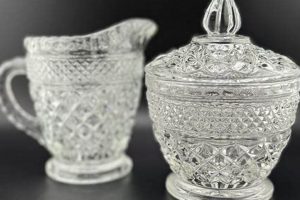
Pressed glass, developed in the mid-19th century, involved mechanically pressing molten glass into a mold. This technique allowed for the mass production of affordable glassware with raised patterns and textures. Pressed glass typically exhibits less clarity and sharper mold lines compared to hand-blown or cut glass. It often features simpler, more repetitive designs.
Distinguishing between hand-blown, mold-blown, cut, and pressed glass provides critical insights into the manufacturing timeline and intended market for these historical objects. These techniques influence not only the aesthetic qualities of the objects, but also their rarity and preservation requirements. A keen understanding of these processes is vital for identifying genuine artifacts and appreciating their historical context.
3. Design Period

The design period inextricably links to antique sparkling wine vessels, dictating their form, ornamentation, and material composition. Each era possessed distinct aesthetic preferences and technological capabilities, directly shaping the appearance and production methods of these items. Variations are not merely stylistic; they reflect the social, economic, and cultural currents of the time. The Art Nouveau period, for example, saw the emergence of flowing, organic forms and the use of iridescent glass, whereas the Art Deco era favored geometric designs and streamlined shapes. Identifying the design period of a piece is therefore fundamental to understanding its historical context and value.
Consider the contrast between a Victorian-era flute, characterized by elaborate etching and delicate stems, and a mid-century modern coupe, known for its minimalist design and sturdy construction. These differences illustrate the influence of prevailing design philosophies on glassware production. Recognizing these distinctions allows collectors and enthusiasts to more accurately assess the authenticity and provenance of their pieces. Furthermore, an understanding of design periods informs appropriate care and display methods, ensuring the long-term preservation of these artifacts. For example, exposure to sunlight can damage certain types of colored glass, while aggressive cleaning agents may harm delicate surface treatments.
In conclusion, the design period serves as a crucial lens through which to understand and appreciate antique sparkling wine vessels. It provides essential context for evaluating their historical significance, aesthetic qualities, and practical considerations for preservation. Neglecting this aspect limits the ability to fully comprehend the value and legacy of these tangible representations of past eras. A comprehensive assessment necessitates integrating design period as a core component.
4. Stemware Styles

Stemware styles, characterized by their diverse shapes and functions, are essential to understanding antique vessels intended for sparkling wine consumption. The evolution of these styles reflects changing social customs, technological advancements in glassmaking, and evolving aesthetic preferences. Recognizing the variations in stemware design provides critical insights into the era and purpose of these vintage artifacts.
- Coupe (Saucer) Shape
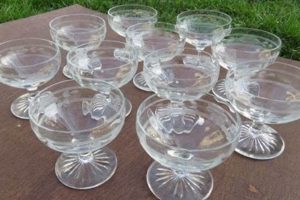
The coupe, characterized by its broad, shallow bowl, was popular in the early to mid-20th century. Legend attributes its design to a mold of Marie Antoinette’s breast, though this claim is unsubstantiated. Its wide surface area allows for rapid dissipation of carbonation and aromas, making it less ideal for preserving the effervescence of sparkling wine. Examples from the Art Deco period often exhibit elaborate etching and delicate stems. Its use implies a focus on immediate consumption and social display rather than prolonged enjoyment of the wine’s qualities.
- Flute Design
The flute, featuring a tall, narrow bowl, became increasingly popular in the latter half of the 20th century and remains a prevalent style today. Its shape minimizes surface area, preserving carbonation and directing aromas towards the nose, enhancing the sensory experience. Vintage flutes may exhibit hand-blown characteristics, such as slight variations in thickness and imperfections in the glass. Their design suggests an appreciation for the nuances of sparkling wine and a desire to prolong its effervescence.
- Tulip Shape
The tulip, a hybrid of the coupe and flute, combines a wider bowl with a tapered top. This design allows for aroma development while still preserving some carbonation. Tulip-shaped glasses from the mid-20th century often showcase elegant curves and balanced proportions. Their existence demonstrates a compromise between traditional aesthetics and modern functional requirements.
- Trumpet Form
The trumpet form is characterized by an elongated, slightly flared bowl. This design, often seen in vintage cordial glasses, can also be found in larger sizes intended for sparkling wine. Its elegant, elongated shape is aesthetically pleasing and provides a unique drinking experience, though it may not be as effective at preserving carbonation as the flute design. Examples from the Victorian era often feature intricate engraving and delicate stems.
The diverse stemware styles associated with antique sparkling wine vessels reflect the multifaceted history of sparkling wine consumption. From the wide, shallow coupe to the tall, slender flute, each design embodies a specific set of aesthetic and functional considerations. Recognizing these variations enhances the appreciation and understanding of vintage stemware as tangible artifacts of bygone eras.
5. Rarity Factors

The value and collectibility of historical sparkling wine vessels are significantly influenced by several factors that contribute to their perceived rarity. These elements encompass aspects of production, preservation, and historical context, each playing a critical role in determining the desirability and market value of a particular piece.
- Limited Production Runs
Champagne glasses produced in small quantities or during limited periods are inherently rarer. Manufacturers may have discontinued production due to changes in fashion, economic constraints, or material unavailability. Examples include glasses made for specific events or commemorative purposes. The scarcity resulting from restricted production significantly elevates their value among collectors.
- Material Scarcity
The utilization of rare or discontinued materials in the manufacturing process contributes to rarity. For instance, glassware incorporating uranium or specific types of colored glass, production of which ceased due to safety or cost considerations, commands higher prices. The unavailability of the original materials makes replication difficult, further enhancing the value of existing pieces.
- Exceptional Craftsmanship
Pieces exhibiting intricate designs, hand-cut patterns, or exceptional artistry are considered rarer due to the skill and time investment required for their creation. Elaborate engraving, complex stem designs, and flawless execution are hallmarks of high-quality craftsmanship. These attributes, often found in pre-industrial or early industrial production, are less common in mass-produced items, thus increasing their rarity.
- Historical Provenance
Champagne glasses with documented ownership or association with notable individuals, events, or institutions possess enhanced rarity. Provenance provides a tangible link to history, adding a layer of significance beyond the object’s inherent characteristics. Pieces originating from royal collections or historically significant celebrations are highly sought after by collectors.
The interplay of limited production, material scarcity, exceptional craftsmanship, and historical provenance collectively determines the rarity and desirability of antique sparkling wine vessels. These factors guide collectors in assessing the value and significance of their acquisitions, contributing to the appreciation and preservation of these historical artifacts.
6. Preservation Method
The longevity and aesthetic integrity of antique sparkling wine vessels are directly contingent upon meticulous preservation methods. The fragile nature of aged glass, combined with potential material degradation, necessitates adherence to specific protocols. Improper handling or cleaning can irrevocably damage delicate surfaces, etching, or applied decorations, diminishing both monetary value and historical significance. For example, repeated dishwasher cycles subject glassware to harsh detergents and extreme temperature fluctuations, which can result in clouding, cracking, or the detachment of delicate stems. Conversely, hand washing using lukewarm water and gentle, pH-neutral detergents minimizes the risk of abrasion and chemical damage, extending the lifespan of the artifact.
The storage environment also plays a crucial role in preservation. Fluctuations in temperature and humidity can induce stress fractures or accelerate the corrosion of glass components. Storing glasses in a climate-controlled environment, away from direct sunlight and sources of extreme heat or cold, mitigates these risks. Furthermore, employing acid-free tissue paper or specialized storage containers prevents scratching and minimizes dust accumulation. Regular inspection for signs of deterioration, such as crazing or discoloration, allows for early intervention and preventative measures. Specific materials, such as uranium glass, may require specialized storage protocols due to radioactive properties, further emphasizing the importance of informed preservation practices.
In summary, the implementation of appropriate preservation methods is paramount for safeguarding the historical and aesthetic value of antique sparkling wine vessels. A proactive approach, encompassing careful handling, gentle cleaning, and controlled storage, ensures that these fragile artifacts endure for future generations. Neglecting these practices accelerates deterioration, resulting in irreversible damage and the loss of tangible connections to past eras. Diligent preservation, therefore, represents a critical component of responsible ownership and historical stewardship.
7. Provenance Details

The term “provenance details,” in the context of antique sparkling wine vessels, refers to the documented history of ownership and origin of a specific piece. These details are of paramount importance in establishing authenticity, determining value, and contextualizing the historical significance of the artifact. The presence or absence of verifiable provenance significantly impacts a vessel’s desirability and market price. Clear documentation connecting a glass to a particular historical event, notable individual, or renowned manufacturer adds substantial value and credibility. Conversely, a lack of provenance can cast doubt on its authenticity and diminish its worth, regardless of aesthetic appeal or apparent age. An example can be a set of flutes verifiably used at a specific royal wedding; these would command a premium compared to similar, but undocumented, pieces.
The practical application of provenance research involves examining various sources, including original receipts, estate inventories, auction records, and manufacturer’s marks. Skilled appraisers and historians often trace the lineage of an object through generations of owners, linking it to specific historical periods and cultural contexts. This process can be complex and time-consuming, requiring specialized knowledge and access to archival resources. The reward for successful provenance research is a more complete understanding of the object’s past, allowing for a more informed assessment of its authenticity and value. The ability to link a vessel to a specific glassworks or designer enhances the narrative surrounding the piece, enriching its cultural significance.
Challenges in establishing provenance include incomplete records, fraudulent documentation, and the inherent difficulty in tracing objects through informal transactions. Despite these hurdles, the pursuit of provenance details remains a crucial aspect of collecting and preserving antique sparkling wine vessels. By diligently researching and verifying historical information, collectors can ensure the integrity of their collections and contribute to a deeper understanding of the cultural heritage embodied in these fragile objects. The commitment to rigorous provenance research distinguishes knowledgeable collectors from casual enthusiasts, safeguarding the authenticity and long-term value of these historical artifacts.
Frequently Asked Questions
The following addresses common inquiries regarding the acquisition, authentication, and preservation of historical glassware intended for sparkling wine.
Question 1: How can the age of a champagne glass vintage piece be accurately determined?
Age determination involves a multifaceted approach. Examination of manufacturing techniques (hand-blown vs. machine-made), stylistic characteristics associated with specific design periods, and the presence of manufacturer’s marks or date codes provides valuable insights. Consultation with experienced appraisers or glass historians may be necessary for definitive authentication.
Question 2: What are the primary risks associated with using such old glassware for consumption?
The composition of certain glassware types, particularly lead crystal, poses potential health risks if used for prolonged storage of acidic beverages due to lead leaching. Additionally, the structural integrity of aged glass may be compromised, increasing the risk of breakage. It is advisable to use such pieces primarily for display or ceremonial purposes rather than regular consumption.
Question 3: How should such delicate glasses be cleaned to prevent damage?
Cleaning requires a gentle approach. Hand washing with lukewarm water and a mild, pH-neutral detergent is recommended. Abrasive cleaners, harsh chemicals, and dishwashers should be strictly avoided. Drying should be performed with a soft, lint-free cloth to prevent scratching or water spotting.
Question 4: Where can authentic specimens be reliably sourced?
Reliable sources include reputable antique dealers specializing in glassware, established auction houses with expertise in decorative arts, and museum collections offering authenticated examples for comparative analysis. Exercise caution when purchasing from online marketplaces or unverified sources, as reproductions are prevalent.
Question 5: What are the key characteristics distinguishing authentic from reproductions?
Distinguishing genuine antiques from reproductions requires a keen eye and knowledge of historical manufacturing techniques. Reproductions often exhibit inconsistencies in design, inferior glass quality, and the absence of age-related wear or imperfections. Careful examination of seams, pontil marks, and the overall craftsmanship is crucial. Consulting with experts is recommended when uncertainty exists.
Question 6: What is the proper storage environment to ensure long-term preservation?
Storage should be in a climate-controlled environment, away from direct sunlight and extreme temperature fluctuations. Protective padding or acid-free tissue should be used to prevent scratching or chipping. Display cabinets or storage containers designed for delicate items are recommended. Consider humidity control to prevent clouding or deterioration of the glass.
Adherence to these guidelines facilitates informed decision-making and promotes the responsible preservation of these fragile historical artifacts.
The subsequent section will address the aesthetic and decorative aspects of champagne glasses vintage, providing insights into stylistic variations and their historical context.
Conclusion
The preceding exploration underscores the multifaceted nature of champagne glasses vintage. From material composition and manufacturing techniques to design periods, stemware styles, rarity factors, preservation methods, and provenance details, each element contributes to a comprehensive understanding of these artifacts. The integration of these factors allows for informed assessment, authentication, and responsible stewardship.
Further investigation and diligent application of the outlined principles remain crucial for preserving the tangible connections to the past embodied in these delicate objects. Continued research and meticulous care will ensure their enduring presence for future generations, fostering an ongoing appreciation for the artistry and history encapsulated within each example of champagne glasses vintage.