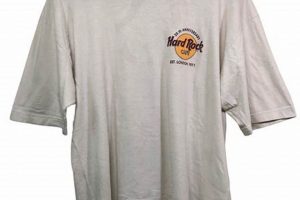
Apparel items, typically cotton-based and featuring graphics or text, produced in a prior era and considered superior based on condition, rarity, design, or cultural significance represent a distinct category in the clothing market. An example would be a concert shirt from a seminal band’s 1970s tour, highly sought after by collectors.
These garments offer a tangible connection to past events, trends, and subcultures, providing both aesthetic appeal and historical value. The acquisition of such items can be viewed as an investment, a form of self-expression, or a way to engage with nostalgia. Their increasing value reflects a broader trend of appreciating authenticity and sustainability in the face of fast fashion.
The following sections will delve into the key characteristics that define desirable examples of these garments, providing insights into identifying authentic pieces, understanding their cultural significance, and exploring factors that contribute to their collectibility and enduring appeal.
Guidance on Evaluating Highly Sought-After, Previously-Owned T-Shirts
The subsequent recommendations provide guidance for individuals seeking to identify and procure superior, previously-owned t-shirts. Attention to these details will enhance the likelihood of acquiring authentic and valuable items.
Tip 1: Examine the Fabric and Construction: Original examples frequently exhibit unique fabric qualities and stitching techniques not replicated in modern manufacturing. Seek out single-stitch seams, common in older garments, and assess the weight and texture of the cotton. Heavier, more substantial cotton often indicates a higher quality, older shirt.
Tip 2: Scrutinize the Graphics and Print Quality: Screen printing techniques have evolved significantly. Authentic vintage prints typically display a degree of fading, cracking, or imperfections, which are indicators of age and wear. Be wary of pristine, overly-vibrant prints on ostensibly old shirts, as they may be reproductions.
Tip 3: Assess the Tag and Label Information: The tag provides crucial information about the garment’s origin, brand, and era. Research vintage tag styles and logos to verify authenticity. Note any country of origin markings and compare them to historical manufacturing data.
Tip 4: Evaluate the Condition and Wear: While some wear and tear is expected, excessive damage significantly reduces value. Examine the shirt for holes, stains, and excessive fading. Minor imperfections may add character, but significant flaws should be carefully considered.
Tip 5: Research the Design and Subject Matter: Popular designs, band names, or cultural references significantly increase desirability. Investigate the historical context of the graphic and its relevance to the era in which it was produced.
Tip 6: Compare Prices and Consult Reputable Sources: Establish a baseline price range by comparing similar items sold through reputable vintage clothing dealers and auction sites. Be cautious of prices that seem too good to be true, as they may indicate a counterfeit or misrepresented item.
Tip 7: Seek Expert Authentication: For high-value or rare examples, consider seeking authentication from a knowledgeable vintage clothing expert or appraiser. This can provide assurance of the garment’s authenticity and value.
By adhering to these guidelines, individuals can make informed decisions when acquiring highly sought-after, previously-owned t-shirts, increasing the likelihood of obtaining authentic and valuable pieces. Further exploration into the care and preservation of these garments will ensure their longevity and continued value.
The following section will provide an overview about how to care for these garments.
1. Authenticity
Authenticity serves as the cornerstone in assessing superior, previously-owned t-shirts. It establishes the item’s verifiable origin and adherence to the characteristics of its purported era, significantly influencing its desirability and market value.
- Manufacturer Verification
Confirming the original manufacturer through tag analysis, garment construction, and historical records is crucial. The presence of a verifiable manufacturer logo or specific production techniques associated with that brand during the relevant period provides strong evidence of authenticity. Absence of such verification or inconsistencies with known manufacturing practices raise concerns about the item’s genuineness.
- Era-Specific Construction
Vintage t-shirts often feature distinct construction methods and materials that differ from modern manufacturing processes. Single-stitch seams, unique fabric blends, and specific collar designs can indicate the garment’s age and authenticity. Identifying these period-specific details requires knowledge of historical garment production techniques and the ability to differentiate them from contemporary reproductions.
- Print Characteristics
The printing methods used on vintage t-shirts varied significantly from modern digital printing. Screen-printed graphics often exhibit unique characteristics, such as cracking, fading, or slight imperfections due to the manual printing process. Analyzing the ink type, print texture, and level of detail can help determine if the print is consistent with the purported era of the shirt. Modern printing techniques typically produce a smoother, more uniform finish, which can be a sign of inauthenticity.
- Trademark and Copyright Compliance
T-shirts featuring copyrighted images or trademarks require verification of proper licensing during the garment’s original production. Unauthorized use of copyrighted material raises concerns about the authenticity and legality of the item. Examining the garment for appropriate copyright symbols and researching licensing agreements can help determine if the use of the image or trademark was authorized during the relevant period.
In summary, establishing authenticity in previously-owned t-shirts necessitates a meticulous examination of manufacturer verification, era-specific construction details, print characteristics, and trademark compliance. Each element contributes to a holistic assessment, guarding against misrepresented garments and confirming its true origins, increasing its overall value as a notable example.
2. Condition

The state of preservation, termed “condition,” is a paramount factor in determining the value and desirability of previously-owned t-shirts. It reflects the level of wear, damage, and alteration the garment has sustained over time, directly impacting its collectibility and appeal.
- Fabric Integrity
The strength and structure of the fabric are crucial indicators of condition. Examine the material for tears, holes, excessive thinning, or weakening. Significant damage to the fabric compromises the shirt’s integrity and diminishes its value. Examples include rips near the collar, pinholes across the chest, or threadbare areas due to repeated wear. Well-preserved fabric, free from substantial damage, suggests careful handling and contributes to a higher assessment.
- Print Quality
The vibrancy and clarity of the graphic or printed design are essential considerations. Fading, cracking, or peeling of the print detracts from the aesthetic appeal and reduces value. Evaluate the print for excessive wear, misalignment, or missing portions of the design. Shirts with prints that remain largely intact and retain their original color are considered to be in superior condition. For instance, a concert shirt with a severely faded band logo holds less value than one with a clear, well-defined image.
- Staining and Discoloration
The presence of stains, discoloration, or yellowing significantly impacts the perceived quality of the garment. Assess the shirt for visible stains from spills, sweat, or other sources. Examine the fabric for overall yellowing or discoloration due to age or improper storage. Shirts free from significant staining and retaining their original color are considered more desirable. A t-shirt with noticeable underarm stains, for example, will be valued less than one with a consistent color tone throughout.
- Alterations and Modifications
Any alterations or modifications to the original design or construction can affect the value and authenticity of the item. Examine the shirt for replaced seams, cut-off sleeves, or other alterations that deviate from the original garment’s specifications. Alterations generally reduce the collectibility and desirability of the shirt. A vintage band shirt that has had its sleeves removed, for example, is typically valued less than an unaltered example.
Therefore, a meticulous assessment of fabric integrity, print quality, staining, and alterations is essential when evaluating the condition of previously-owned t-shirts. A garment exhibiting minimal wear, retaining its original design, and free from significant damage will command a higher value and greater desirability among collectors and enthusiasts.
3. Rarity
The attribute of scarcity, termed “rarity,” exerts a significant influence on the desirability and valuation of previously-owned t-shirts. Limited availability, whether stemming from restricted production runs, unique designs, or historical circumstances, directly elevates the garment’s status among collectors and enthusiasts. A t-shirt produced in limited quantities for a specific event, such as a promotional item for a film premiere or a tour shirt from a band’s inaugural concert series, exemplifies this principle. These items, due to their limited initial distribution, become highly sought after, as their scarcity creates a competitive market among those seeking to acquire them. The fewer examples of a particular shirt that exist, the more its value typically increases.
Furthermore, rarity can be intrinsic to the design itself. A misprint, a design variation, or a prototype garment never released to the general public can all contribute to a t-shirt’s uniqueness and value. For example, a t-shirt featuring a typographical error in a band’s name, if known to be a limited production anomaly, can become a highly coveted item. Likewise, a sample garment showcasing an alternative design that was ultimately rejected for mass production possesses inherent rarity, making it appealing to collectors seeking distinctive and unusual pieces. Understanding the factors contributing to a t-shirt’s limited availability is crucial in assessing its true market value.
In conclusion, rarity significantly shapes the market for previously-owned t-shirts. The limited nature of certain garments, whether due to restricted production, unique designs, or historical context, creates a premium driven by collector demand. Recognizing and appreciating the elements that contribute to a t-shirt’s scarcity is essential for both buyers and sellers seeking to navigate this specialized market effectively. While condition, design, and provenance also play crucial roles, rarity often serves as a primary driver of value and collectibility.
4. Design

The aesthetic and thematic composition, or “design,” is a pivotal element in evaluating superior, previously-owned t-shirts. Design encompasses the graphic elements, typography, and overall visual appeal that contribute to the garment’s desirability and cultural relevance.
- Iconography and Imagery
The images or symbols featured on the t-shirt often reflect specific cultural movements, historical events, or artistic styles. The presence of iconic imagery associated with significant moments in history, music, or art can greatly enhance the garment’s appeal and value. For instance, a t-shirt featuring a specific band logo or album cover from a pivotal period in music history may command a higher price due to its cultural significance. The selection and execution of these elements impact its collectibility.
- Typography and Lettering
The font styles, text layouts, and overall typography contribute to the aesthetic appeal and historical context of the t-shirt. Lettering styles characteristic of specific eras or subcultures add to the garment’s authenticity and desirability. Attention to detail in the typography, such as period-appropriate fonts or unique text arrangements, contributes to the overall value of the design. A t-shirt with typography that aligns with a particular design movement can be particularly desirable.
- Color Palette and Printing Techniques
The use of color and the printing techniques employed play a crucial role in the overall design aesthetic. Colors prevalent during certain eras or specific printing methods add to the garment’s vintage appeal. Faded or distressed prints, often a result of age and wear, can enhance the vintage aesthetic, provided the design remains discernible. The choice of colors and the quality of the print contribute significantly to the overall visual impact.
- Originality and Uniqueness
The originality and uniqueness of the design are key factors in determining the desirability of a previously-owned t-shirt. A design that is rare, unusual, or features distinctive artwork can command a premium among collectors. Limited edition prints, artist collaborations, or designs that deviate from standard commercial graphics contribute to the garment’s exclusivity. The more unique a design, the greater its potential to appeal to collectors seeking distinctive and rare items.
In summary, the design of previously-owned t-shirts significantly influences their perceived value and desirability. Through iconography, typography, color palette, and originality, the graphic elements communicate the garment’s cultural significance, enhancing its market value.
5. Fabric
The material composition of previously-owned t-shirts significantly determines their quality, durability, and desirability, thereby establishing a critical link with the classification of them as “best.” The specific fabric employed influences the garment’s texture, drape, and resistance to wear, all of which contribute to its overall appeal and longevity. For example, t-shirts crafted from high-quality, long-staple cotton retain their shape and structural integrity for extended periods, resisting shrinkage and distortion more effectively than those made from lower-grade materials. The resulting prolonged lifespan and maintained aesthetic quality contribute to a garment’s perceived value and status as a “best” example within its category.
Furthermore, the type of fabric can indicate the age and origin of the t-shirt. Vintage garments often feature unique blends or weave patterns no longer commonly used in modern manufacturing. A t-shirt made from a distinctive ring-spun cotton or exhibiting a specific knit structure characteristic of a particular era can provide valuable clues regarding its authenticity and provenance. For instance, single-stitch construction, prevalent in older garments, relies on specific fabric weights and weave densities to maintain seam integrity. Identifying these material characteristics requires expertise, but their presence can markedly increase a t-shirt’s desirability among collectors and those seeking high-quality, historically accurate pieces. Understanding the nuances of fabric types enhances the ability to discern superior garments from less desirable counterparts.
In summary, fabric constitutes a crucial determinant of quality, longevity, and authenticity in previously-owned t-shirts. The choice of material directly impacts the garment’s durability, appearance, and historical accuracy, thereby solidifying its connection to the “best” designation. Recognizing and appreciating the role of fabric empowers consumers and collectors to make informed decisions, selecting garments that possess both lasting value and aesthetic appeal. Further research into historical fabric production and identification techniques will enhance the ability to assess the overall quality and authenticity of previously-owned t-shirts.
6. Provenance
The verifiable history of ownership and origin, known as provenance, holds significant weight in determining the value and desirability of superior previously-owned t-shirts. A documented lineage, tracing the garment’s journey from its original creation to its present state, adds a layer of authentication and historical context that directly impacts its collectibility.
- Original Owner Association
A t-shirt’s association with a notable individual, event, or institution can substantially increase its value. For instance, a garment previously owned and worn by a famous musician, athlete, or historical figure possesses inherent historical significance. Documentation, such as photographs, letters, or certificates of authenticity, substantiating the connection to the original owner, strengthens the garment’s provenance and elevates its status. The perceived value is directly proportional to the significance and recognition of the associated individual or entity.
- Exhibition or Display History
A documented history of display in recognized museums, galleries, or exhibitions lends credibility and prestige to a vintage t-shirt. Evidence of its inclusion in curated collections or public displays enhances its provenance and validates its cultural importance. Exhibition records, catalogs, or press releases serving as tangible proof of the garment’s display history contribute to its overall desirability and value. The academic or cultural validation provided by reputable institutions significantly bolsters the garment’s market worth.
- Documented Purchase History
A clear and unbroken chain of ownership, supported by purchase receipts, auction records, or sales invoices, provides a transparent account of the t-shirt’s journey through time. Each transaction, if properly documented, adds a layer of authentication and reinforces the garment’s legitimate history. The absence of verifiable purchase records can raise concerns about the garment’s origin and authenticity, potentially diminishing its value. A well-documented purchase history assures potential buyers of the garment’s legitimate ownership and reduces the risk of acquiring counterfeit or stolen items.
- Publication and Media Coverage
References to the t-shirt in books, articles, or other media outlets contribute to its documented history and enhance its provenance. Mentions in reputable publications, fashion magazines, or historical archives validate the garment’s significance and provide evidence of its cultural relevance. Citations or images of the t-shirt appearing in published works add credibility and strengthen its provenance. A garment featured in a prominent publication gains visibility and recognition, potentially increasing its desirability among collectors and enthusiasts.
The interplay of original owner association, exhibition history, purchase documentation, and media coverage collectively establishes a robust provenance for previously-owned t-shirts. A well-documented history not only authenticates the garment but also imbues it with a narrative that resonates with collectors, thereby solidifying its position among superior vintage examples.
7. Size

The physical dimensions of a vintage t-shirt, commonly referred to as “size,” significantly influence its market value and collectibility. This attribute interacts with factors such as rarity and condition, impacting its classification among the best examples available.
- Wearability and Modern Fit Preferences
Vintage sizing often differs substantially from contemporary standards. A labeled “Medium” from the 1970s may correspond to a modern “Small” or even “X-Small.” Consequently, t-shirts in sizes readily adaptable to current fashion trends and body typestypically Medium, Large, and Extra Largecommand greater appeal and higher prices. Smaller or less common sizes may prove challenging for the average consumer to incorporate into their wardrobe, thereby affecting their overall desirability and market value. Examples of sizes that are desirable are Medium to Extra large for adults. Small sizes for kids. Smaller/Bigger sizes are rare.
- Rarity and Production Variations
Production runs for certain t-shirt designs or collaborations may have been limited to specific size ranges. A rare graphic or design may exist only in a particular size, immediately elevating its scarcity and value. This is particularly evident in promotional or event-specific merchandise where the distribution of sizes was tailored to the expected audience demographics. Larger sizes are produced less often than medium sizes.
- Collector Demand and Display Considerations
Collectors often prioritize size based on their intended use for the t-shirt. Those intending to wear the garment seek sizes that align with their physical dimensions. Collectors focused on preservation and display may prioritize easily manageable sizes that facilitate framing or storage. The intersection of wearability and display preferences shapes the market demand for specific sizes, with readily wearable sizes often experiencing increased competition among buyers.
- Condition Assessment and Alterations
The size of a vintage t-shirt can indirectly affect its condition. Garments that were frequently worn may exhibit greater wear and tear, particularly in commonly produced sizes. Alterations, such as resizing or tailoring, can compromise the t-shirt’s originality and diminish its value, especially if performed poorly or without consideration for the garment’s historical integrity. Therefore, original, unaltered t-shirts in desirable sizes tend to maintain a higher overall value.
In summary, the size of a vintage t-shirt constitutes a crucial determinant of its market value, intertwining with factors such as wearability, rarity, collector demand, and the potential for alterations. While design, condition, and provenance also play significant roles, size functions as a primary consideration for both buyers and sellers navigating the vintage apparel market, influencing the garment’s classification among the best examples available.
Frequently Asked Questions
The following section addresses common inquiries regarding the acquisition, evaluation, and preservation of superior vintage t-shirts.
Question 1: How can one differentiate between an authentic vintage t-shirt and a modern reproduction?
Authenticity verification involves a multi-faceted approach. Examining the fabric composition, stitching techniques (e.g., single-stitch construction), and tag details are essential. Modern reproductions often lack the specific characteristics found in garments manufactured during earlier eras. Researching vintage brands and their manufacturing practices aids in distinguishing genuine articles from replicas.
Question 2: What factors most significantly influence the value of a vintage t-shirt?
Rarity, condition, design, and provenance are the primary determinants of value. Limited production runs, well-preserved graphics, iconic imagery, and documented ownership histories contribute to increased desirability and market value. A combination of these factors distinguishes highly sought-after examples from common vintage garments.
Question 3: How should vintage t-shirts be properly cared for to preserve their condition and value?
Proper care involves gentle hand washing or delicate machine washing in cold water with mild detergents. Avoid harsh chemicals, bleach, and high-heat drying. Store the garments flat or folded in acid-free tissue paper to prevent creases and discoloration. Protect them from direct sunlight and excessive humidity to minimize fading and deterioration.
Question 4: Are stains and minor imperfections necessarily detrimental to the value of a vintage t-shirt?
While pristine condition is desirable, minor imperfections, such as slight fading or subtle cracking in the print, can be acceptable and even contribute to the garment’s vintage character. However, significant stains, holes, or structural damage substantially diminish the value and appeal of the t-shirt.
Question 5: What are some reputable sources for purchasing authentic vintage t-shirts?
Reputable vintage clothing stores, established online marketplaces specializing in vintage apparel, and auction houses known for handling valuable collectibles offer safer avenues for acquisition. Prioritize vendors with a proven track record of authenticating their merchandise and providing detailed descriptions of garment condition and provenance. Scrutinize seller reviews and seek expert opinions when necessary.
Question 6: Does the size of a vintage t-shirt impact its value?
Yes, size influences the garment’s desirability and value. Sizes aligning with modern wearability preferences (e.g., Medium, Large) often command higher prices due to increased demand. Extremely small or large sizes may be less sought after, unless they represent a particularly rare design or production variation.
Understanding the nuances of authenticity, condition, and provenance is essential for navigating the vintage t-shirt market effectively. Responsible acquisition and proper care ensure the preservation of these historically significant garments.
The following section will provide information about current trends in vintage fashion
Concluding Remarks on Superior Previously-Owned T-Shirts
This exploration has elucidated the multifaceted characteristics defining “best vintage t shirts,” encompassing authenticity, condition, rarity, design, fabric, provenance, and size. Mastery of these factors equips individuals to evaluate and appreciate the historical and cultural value embedded within these garments.
The pursuit of superior examples requires diligence, research, and discernment. Preserving these tangible artifacts of the past ensures the continuity of cultural narratives for future generations. Continued engagement with, and responsible stewardship of, these garments is paramount.