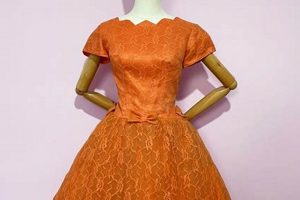
Garments produced by the House of Dior from past eras, often pre-dating the 21st century, exemplify classic designs and enduring craftsmanship. These items represent a tangible link to the history of the renowned fashion house and the stylistic sensibilities of their respective periods. As an example, a 1950s-era garment featuring a nipped-in waist and full skirt embodies the iconic “New Look” silhouette.
The significance of these items lies in their reflection of changing fashion trends and societal values across decades. They provide valuable insight into the evolution of sartorial design and manufacturing techniques. Furthermore, the acquisition and preservation of such pieces contribute to the appreciation and study of fashion history. Their value can be attributed to factors such as rarity, condition, and historical provenance.
The following discussion will delve into aspects such as identification, care, and the evolving market surrounding these sought-after pieces, offering guidance for both collectors and enthusiasts alike.
Guidance on Acquiring Dior Garments from Past Eras
The following provides essential guidance for individuals considering the acquisition of garments produced by Christian Dior in previous eras. Due diligence and informed decision-making are crucial to ensure authenticity and value.
Tip 1: Authentication Through Markings: Verify the presence and style of the Dior label. Note that label designs evolved over time, and discrepancies may indicate reproductions. Compare the label to known authentic examples from the corresponding era.
Tip 2: Fabric and Construction Analysis: Examine the fabric quality and construction techniques employed. High-quality materials and meticulous craftsmanship were hallmarks of Dior. Inconsistencies in stitching, fabric weave, or finishing may suggest a counterfeit or altered garment.
Tip 3: Silhouette and Design Verification: Compare the garment’s silhouette and design details to documented Dior collections from the period. Consult fashion archives, vintage catalogs, and reputable sources for verification. Deviations from established designs warrant caution.
Tip 4: Condition Assessment: Evaluate the garment’s overall condition, considering factors such as fading, staining, tears, and alterations. Understand that age-related wear is expected, but significant damage can detract from value and historical accuracy. Professional restoration may be considered, but should be undertaken with careful consideration for preserving the garment’s integrity.
Tip 5: Price Research and Comparison: Research the market value of comparable Dior garments from the same era. Consult auction results, online marketplaces, and reputable vintage dealers. Be wary of items priced significantly below market value, as they may be counterfeit or misrepresented.
Tip 6: Seek Expert Appraisal: Consider obtaining an appraisal from a qualified vintage fashion expert. An appraiser can provide an objective assessment of authenticity, condition, and market value, mitigating the risk of purchasing a misrepresented item.
Tip 7: Documentation and Provenance: Whenever possible, acquire garments with documented provenance, such as original purchase receipts, photographs, or historical records. Provenance adds value and enhances the garment’s historical significance.
Adherence to these guidelines enables informed acquisitions, minimizing risk and ensuring the selection of authentic and historically significant Dior garments.
The subsequent sections will address optimal storage and care practices to preserve the integrity of these irreplaceable pieces.
1. Silhouette

The silhouette, the outline or shape of a garment, represents a crucial element in understanding and appreciating the aesthetic contributions of Christian Dior’s vintage dresses. These shapes not only defined Dior’s design philosophy but also reflected and influenced broader fashion trends.
- The “New Look” Silhouette (1947-1950s)
Characterized by a cinched waist, full, flowing skirt, and softened shoulders, the “New Look” silhouette marked a dramatic departure from the austerity of post-World War II fashion. This shape, achieved through meticulous construction and the use of inner structures like crinolines, emphasized femininity and luxury. Examples include the iconic “Bar Suit,” a cornerstone of the New Look collection. Its implications were profound, reshaping the fashion landscape and establishing Dior as a leading force.
- The A-Line Silhouette (Late 1950s-1960s)
As fashion evolved, Dior adapted, introducing the A-line silhouette. This shape featured a narrower shoulder line gradually widening to the hem, resembling the letter A. It offered a more youthful and modern aesthetic compared to the nipped-waist styles. This silhouette appeared in day dresses and suits, reflecting a shift towards simpler, more practical designs. Its broader impact involved democratizing fashion, making Dior designs accessible to a wider audience.
- The Empire Line Silhouette (Various Eras)
Dior occasionally incorporated the Empire line silhouette, characterized by a high waistline positioned just below the bust. This shape created a flowing, elongated effect. While not as dominant as the “New Look” or A-line, it appeared in evening gowns and special occasion dresses, offering a timeless elegance. Its effect was to enhance the wearer’s height and create a graceful profile.
- Variations and Hybrid Silhouettes
Beyond these core shapes, Dior designers explored numerous variations and hybrid silhouettes, blending elements from different eras and styles. This experimentation reflected the brand’s commitment to innovation and its responsiveness to changing tastes. These variations can be observed in cocktail dresses, evening wear, and tailored suits, showcasing the brands versatility. Their significance lies in demonstrating Dior’s ongoing evolution and ability to remain relevant across decades.
In summation, the silhouette of a Christian Dior vintage dress serves as a visual marker of its era and design philosophy. Ranging from the revolutionary “New Look” to the more streamlined A-line, each shape reflects a distinct moment in fashion history, demonstrating Dior’s enduring influence and adaptability.
2. Fabric

The selection and utilization of textiles constitute a fundamental aspect of “christian dior vintage dresses,” directly impacting their aesthetic appeal, structural integrity, and historical value. The materials employed reflect the design sensibilities of the era and the intended purpose of the garment.
- Silk: The Epitome of Luxury
Silk, prized for its lustrous sheen and supple drape, frequently appears in Dior garments intended for evening wear and special occasions. Varieties such as silk satin, chiffon, and organza were favored for their ability to capture light and create fluid silhouettes. A silk gown from the 1950s exemplifies this, its delicate texture and elegant movement contributing to the overall impression of opulence. The fragility of silk necessitates careful preservation to maintain its inherent beauty.
- Wool: Structure and Sophistication
Wool fabrics, including wool crepe, gabardine, and boucl, provided structure and warmth to tailored suits and day dresses. These materials offered durability and a refined texture, lending themselves to the creation of crisp lines and defined shapes. A wool suit from the 1960s showcases the versatility of wool, its tailored fit and subtle texture reflecting a sense of understated elegance. Proper storage and cleaning are essential to prevent moth damage and maintain the fabric’s integrity.
- Cotton: Everyday Elegance
Cotton fabrics, such as cotton poplin and voile, found application in more casual garments, including summer dresses and blouses. These materials offered breathability and ease of care, making them suitable for everyday wear. A cotton dress from the 1950s, printed with a floral motif, exemplifies the charm and practicality of cotton. While generally more resilient than silk, cotton fabrics may be susceptible to fading and staining.
- Synthetics: Innovation and Practicality
The introduction of synthetic fabrics, such as rayon and nylon, expanded the possibilities for design and functionality. These materials offered wrinkle resistance, durability, and affordability, allowing for the creation of more accessible garments. A dress from the 1960s incorporating synthetic fibers demonstrates the growing influence of these materials. Understanding the properties of synthetic fabrics is crucial for proper care and preservation.
The relationship between textile choice and design intent within garments from past eras underscores the craftsmanship and artistry inherent in “christian dior vintage dresses.” Recognizing the specific characteristics and preservation requirements of each fabric is essential for collectors and enthusiasts seeking to maintain the integrity and value of these significant pieces of fashion history.
3. Label

The label serves as a primary identifier of authenticity and period for garments produced by Christian Dior in prior eras. Its design, construction, and textual content offer crucial insights into the garment’s origins and evolution, significantly impacting its value and collectibility.
- Evolution of Label Design
The visual design of the Dior label underwent multiple transformations throughout the latter half of the 20th century and into the 21st. Early labels featured simpler fonts and designs, often incorporating the full “Christian Dior” name. Later iterations might include stylized logos or abbreviated forms, such as “Dior.” These changes reflect shifting design aesthetics and branding strategies over time. For example, a 1950s garment might display a woven label with a classic, serif font, whereas a 1980s piece could feature a more modern, screen-printed design. Identifying these shifts aids in approximating the garment’s production date.
- Content and Typography Analysis
Beyond visual design, the textual content of the label provides vital clues. Labels frequently include information such as the garment’s fabrication, care instructions, and place of origin (e.g., “Made in France”). Variations in typography, spelling, and language can indicate authenticity or identify discrepancies. For instance, the presence of a zip code on a label suggests a production date after the introduction of zip codes in the relevant country. Careful examination of these details assists in discerning genuine vintage pieces from reproductions.
- Construction and Attachment Methods
The manner in which the label is attached to the garment offers another avenue for authentication. Early labels were often hand-stitched with meticulous attention to detail, utilizing high-quality thread. Later labels might be machine-stitched or heat-sealed. The quality of the stitching, the type of thread used, and the placement of the label within the garment all contribute to an assessment of authenticity. Inconsistencies in these elements raise concerns about the garment’s origins.
- Collaboration and Licensing Indicators
Some Dior labels reflect collaborations or licensing agreements with other companies. These labels might include the names of specific manufacturers or distributors. Recognizing these partnerships helps contextualize the garment within the broader fashion industry and may influence its collectibility. For instance, a label indicating a collaboration with a specific textile mill could enhance the garment’s historical significance and value.
Therefore, comprehensive analysis of the labelencompassing its design, textual content, construction, and historical contextis paramount in authenticating and appraising “christian dior vintage dresses.” Each element offers a valuable piece of the puzzle, contributing to a more complete understanding of the garment’s origins and its place within fashion history.
4. Era

The era in which a Christian Dior garment was produced exerts a profound influence on its design, materials, and construction techniques, thus shaping its identity and historical significance. Each period within Dior’s history reflects prevailing fashion trends, societal values, and technological advancements, which are inextricably linked to the aesthetic and functional characteristics of its garments. For example, a dress originating from the 1950s “New Look” era exemplifies a reaction against wartime austerity, characterized by its full skirt, cinched waist, and luxurious fabrics. The specific design elements, such as the use of padding to create an hourglass figure, and the reliance on traditional haute couture techniques, directly reflect the prevailing aesthetic preferences and the available production methods of the time.
Conversely, garments from the 1960s showcase a shift towards more streamlined silhouettes, reflecting the era’s emphasis on youthfulness and modernity. The adoption of synthetic fabrics, such as polyester blends, became more prevalent, indicating advancements in textile technology and a changing attitude towards practicality and ease of care. Moreover, the hemline of dresses rose, and simpler, more geometric designs emerged, mirroring the social and cultural transformations occurring during that decade. Understanding the era enables accurate dating and assessment of a garment’s originality, while also providing insight into the historical context that shaped its creation. Authenticating a piece often relies on recognizing era-specific details in construction, embellishments, and the design of the label.
In conclusion, the era serves as a crucial determinant in the identification, valuation, and appreciation of “christian dior vintage dresses”. It encapsulates the interconnectedness between fashion design, societal trends, and technological progress. Challenges in interpreting these garments often stem from altered pieces or reproductions. Accurate dating demands a comprehensive understanding of the characteristics associated with different periods in Dior’s history. This knowledge enables informed collecting and facilitates the preservation of these historically significant sartorial artifacts for future generations.
5. Condition

The physical state of garments from past eras significantly impacts their value, collectibility, and wearability. Assessing the condition of a Dior vintage dress requires a nuanced understanding of the types of degradation that can occur over time and the implications of these flaws for preservation and restoration.
- Fabric Integrity and Degradation
Textiles are susceptible to various forms of deterioration, including fiber weakening, color fading, staining, and damage from pests such as moths. Silk, a frequently used material in Dior garments, is particularly vulnerable to light exposure and moisture. Wool can suffer irreversible damage from insect infestations. The presence of significant fabric degradation diminishes the garment’s structural integrity and aesthetic appeal. Tears, holes, or areas of extensive weakening can render the dress unwearable or necessitate costly and potentially irreversible restoration. Evaluating fabric condition involves examining the textile under magnification, testing for fiber strength, and identifying the presence of any stains or discolorations.
- Structural Issues and Alterations
Garments may exhibit structural problems such as seam separations, weakened closures (zippers, buttons, snaps), or distortions in the overall shape. These issues can arise from wear, improper storage, or previous alterations. Alterations, while potentially improving fit for a specific wearer, often detract from the garment’s historical accuracy and collectibility. Significant structural damage necessitates professional repair, which can be both expensive and challenging, particularly when dealing with delicate or rare materials. Examination of seams, closures, and the overall silhouette is crucial for assessing structural integrity.
- Surface Embellishments and Detailing
Many Dior garments feature intricate surface embellishments such as beading, embroidery, or lace. These details are prone to damage or loss over time, particularly if the garment has been subjected to improper handling or cleaning. Missing beads, unraveling embroidery, or tears in lace can significantly impact the garment’s aesthetic value. Assessing the condition of surface embellishments requires careful inspection under magnification to identify any missing or damaged elements. Replacement or repair of these details demands specialized skills and access to compatible materials.
- Original Components and Documentation
The presence of original components, such as belts, buttons, or underlays, enhances a garment’s value and historical significance. Documentation, such as original purchase receipts or photographs, further strengthens provenance and provides valuable context. The absence of original components or documentation detracts from the garment’s completeness and may raise questions about its authenticity. Verification of original components involves comparing them to known examples from the same era and assessing their condition in relation to the overall garment.
Therefore, an in-depth evaluation of condition is paramount when acquiring or assessing vintage Dior dresses. The interplay between these distinct facets determines the garment’s suitability for collecting, wearing, or preserving. Understanding the types and extent of damage allows for informed decisions regarding restoration, storage, and long-term care, ensuring that these historically significant pieces endure for future generations.
Frequently Asked Questions
The following addresses common inquiries regarding Christian Dior garments produced in prior eras, providing factual information for collectors and enthusiasts.
Question 1: How is the authenticity of Christian Dior garments from past eras verified?
Verification involves scrutinizing the label design, assessing fabric composition and construction techniques, and comparing the garment’s silhouette to documented Dior collections from the period. Expert appraisal may also be considered.
Question 2: What factors contribute to the valuation of vintage Dior dresses?
Valuation depends on several variables, including the garment’s era, rarity, condition, historical provenance, and the desirability of its design.
Question 3: What are the most common types of damage encountered in garments from past eras?
Frequently encountered damage includes fabric degradation (fading, staining, weakening), seam separations, missing embellishments, and alterations from the garment’s original design.
Question 4: What are the recommended storage practices for vintage Dior dresses?
Optimal storage involves using padded hangers, storing garments in acid-free tissue paper, and maintaining a controlled environment with stable temperature and humidity levels. Protection from light and pests is also crucial.
Question 5: Can damaged vintage Dior dresses be restored?
Restoration is possible, but should be undertaken by experienced professionals who specialize in vintage garment conservation. The extent of restoration depends on the severity of the damage and the availability of compatible materials.
Question 6: Where can authentic vintage Christian Dior dresses be purchased?
Authentic pieces may be acquired from reputable vintage boutiques, auction houses specializing in fashion, and established online marketplaces with stringent authentication policies.
Due diligence and careful examination are critical when acquiring vintage garments. Consulting with experts is recommended to ensure informed decision-making.
The subsequent section explores care guidelines for preserving these valuable garments.
Christian Dior Vintage Dresses
This exploration has illuminated the multifaceted nature of garments produced by the House of Dior in past eras. Authentication, valuation, preservation, and the inherent characteristics of silhouette, fabric, label, era, and condition constitute essential considerations. The understanding of these factors is paramount for collectors, enthusiasts, and professionals engaged in the study of fashion history.
The continued appreciation and responsible stewardship of items representing “christian dior vintage dresses” ensures the preservation of a significant chapter in sartorial evolution. Diligence in research, conservation, and ethical acquisition practices remains crucial for safeguarding this invaluable legacy for future generations. These actions preserve both material items, and the intangible cultural heritage embodied in the history and design of the House of Dior.