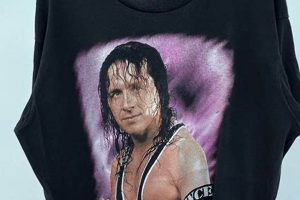
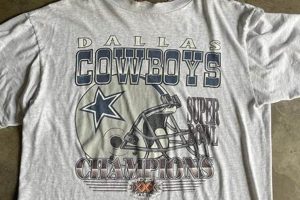
Apparel from the Hard Rock Cafe franchise, particularly those produced during earlier decades, represents a specific category of collectible merchandise. These garments, often featuring the cafe’s logo alongside city-specific designs, are sought after for their association with a globally recognized brand and their embodiment of past eras’ aesthetics and musical trends.
The significance of these items stems from several factors. They serve as tangible reminders of past experiences, whether visits to specific Hard Rock Cafe locations or simply an appreciation for the music and culture associated with the brand. Furthermore, their value is often enhanced by their relative scarcity, as production runs were sometimes limited or designs discontinued, thereby making them coveted items in the collector’s market. The designs also document trends in graphic design and apparel manufacturing from the periods in which they were produced.
Understanding the unique characteristics, historical context, and desirability factors associated with these items is crucial for collectors, sellers, and anyone interested in the intersection of popular culture, music history, and vintage merchandise. Subsequent analysis will delve into the identification, authentication, valuation, and preservation aspects relevant to this category of collectible garments.
Essential Considerations for Acquiring Collectible Hard Rock Cafe Apparel
Acquiring garments from the Hard Rock Cafe’s past requires diligence. The following tips are crucial to ensure authenticity and value preservation.
Tip 1: Examine Manufacturing Labels: Identify the country of origin and manufacturer details. Early examples frequently feature labels indicating production in the USA or specific international locations. Investigate the historical accuracy of the label in relation to the design and period.
Tip 2: Assess Graphic Quality: The printing techniques employed in earlier decades differ significantly from modern methods. Look for signs of screen printing, noting the texture, ink opacity, and any indications of cracking or fading that are consistent with age.
Tip 3: Evaluate Fabric Composition: Fabric blends used in vintage garments often differ from contemporary materials. Familiarize yourself with common fabric types (e.g., 100% cotton, cotton-polyester blends) prevalent during the item’s purported era.
Tip 4: Scrutinize Design Details: Hard Rock Cafe city-specific designs evolve over time. Research the design history for a specific city to verify the accuracy and consistency of the design elements.
Tip 5: Investigate Authenticity Markers: Become familiar with known markers that identify genuine products from a specific period. Consult resources specializing in Hard Rock Cafe memorabilia to identify potential red flags.
Tip 6: Consider Condition Carefully: While some wear and tear is expected in vintage items, excessive damage, stains, or alterations can significantly reduce value. Evaluate the overall condition relative to the item’s age and rarity.
Tip 7: Compare to Verified Examples: Before purchasing, compare the item to images of known authentic examples. Pay close attention to details such as the font used in the logo, the placement of the design, and the stitching quality.
These considerations provide a foundation for responsible collecting and preservation of valuable historical artifacts. They mitigate the risk of acquiring inauthentic items and ensure a more informed appreciation of these cultural symbols.
A thorough understanding of these guidelines prepares one for further exploration into the specific nuances of valuation and long-term preservation strategies.
1. Rarity

The scarcity of a particular “hard rock vintage shirt” directly influences its desirability and, consequently, its market value. Several factors contribute to an item’s rarity. Limited production runs, designs released exclusively for a single event or location, and apparel manufactured during a short period all increase its scarcity. For instance, a shirt commemorating the opening of a specific Hard Rock Cafe location that was only available for a limited time would inherently be rarer than a standard design continuously produced over several years. Similarly, a garment featuring a design referencing a specific concert or event that was quickly withdrawn due to unforeseen circumstances could also achieve a higher rarity status. The understanding of these scarcity factors is paramount for collectors seeking valuable additions to their collections.
Illustrative examples of rarity impacting value are readily apparent. Hard Rock Cafe shirts featuring designs related to now-defunct locations, or those printed with errors that were quickly corrected, consistently command higher prices within the secondary market. These items represent instances where limited availability, often unintended, creates a surge in demand. Practical application of this understanding involves meticulous research into the production history and design variations associated with specific apparel. Collectors often rely on online forums, specialized databases, and established memorabilia dealers to verify the scarcity of a given item before making a purchase. Recognizing these markers of rarity allows for a more informed valuation and a reduced risk of overpaying for common or misrepresented pieces.
In summation, the element of rarity constitutes a critical determinant in the value and collectibility of garments from the Hard Rock Cafe franchise. Determining the causes that contribute to the item being in short supply is paramount, especially the relation that is the shirt is limited and rare. It is important to understand the markers of true limited edition designs, and knowing where and how to verify is paramount. While challenges may arise in accurately ascertaining production numbers and design origins, the ability to identify and validate a shirt’s scarcity remains fundamental to navigating the vintage merchandise market effectively. Understanding these nuances further emphasizes the interconnectedness of historical context, design aesthetics, and market dynamics in the pursuit of valuable collectibles.
2. City-specific designs
Designs unique to specific Hard Rock Cafe locations represent a significant subset within the realm of collectible apparel from the franchise. These designs often feature prominent landmarks, local cultural icons, or phrases distinctly associated with the city in which the cafe is situated. The creation of these localized designs served the purpose of appealing to tourists and residents alike, offering a tangible souvenir that connected the brand to a specific geographic location. The inherent limitation of availability to a single city contributes to the desirability of these items among collectors, fostering a sense of exclusivity and localized pride. This effect leads to a higher degree of collectibility and valuation based on the cultural importance of a piece.
Examples of prominent city-specific designs include those featuring the Eiffel Tower for the Paris Hard Rock Cafe, the Golden Gate Bridge for San Francisco, or the Sydney Opera House for Sydney. The inclusion of such iconic imagery, interwoven with the Hard Rock Cafe logo, transforms a standard piece of merchandise into a localized representation of both the brand and the city itself. Practically, discerning the authenticity and rarity of these city-specific designs requires careful scrutiny of design variations, printing techniques, and the presence of official trademarks or licensing marks. Furthermore, the design elements must align with the generally accepted period of production, necessitating a degree of historical knowledge and comparative analysis. Knowledge of specific city-specific design will also aid in the legitimacy of the overall collectible.
In summary, city-specific designs form a crucial component in the landscape of “hard rock vintage shirt” collecting. The appeal of these pieces lies in their ability to capture a specific time, place, and cultural identity, making them highly sought after by enthusiasts. The challenge for collectors remains in accurately identifying genuine examples, distinguishing them from reproductions or unauthorized variations. However, the rewards for successful authentication and acquisition are substantial, both in terms of intrinsic value and the satisfaction of owning a piece of cultural history.
3. Fabric era

The term “Fabric era” refers to the specific period in which a particular material was commonly used in textile production. This concept is critical when evaluating collectible apparel, as fabric compositions and manufacturing techniques varied significantly across different eras. Analyzing the fabric era of a “hard rock vintage shirt” can provide key insights into its authenticity, age, and potential value.
- Fiber Composition and Availability
The types of fibers available for textile production have evolved over time. Early vintage apparel often features 100% cotton fabrics, while later examples may incorporate blends of cotton and synthetic fibers like polyester or rayon. The prevalence of specific fiber blends can serve as an indicator of the approximate production period of a shirt. For example, the widespread adoption of polyester in the 1970s means that a shirt labeled as 100% cotton and claimed to be from that era would warrant further scrutiny.
- Weave and Knit Structures
The method of constructing the fabric, whether through weaving or knitting, also provides clues about its age. Certain weave patterns, such as heavier canvas or twill, were more common in earlier decades, while lighter-weight knits gained popularity later. Examining the knit structure of a shirt can help to narrow down its potential era of origin. For example, a single-stitch construction, where the seams are created with a single line of stitching, is generally indicative of older manufacturing techniques.
- Dyeing and Printing Techniques
The methods used to dye and print fabrics have also evolved. Early vintage apparel often features dyes that are less colorfast and prone to fading, while later examples may incorporate more durable and vibrant printing techniques. Examining the type of print (e.g., screen printing, heat transfer) and the condition of the colors can provide insights into the shirt’s age and manufacturing process. A shirt with noticeable fading and cracking of the print, consistent with age-related wear, can lend credence to its purported vintage status.
- Manufacturing Location and Labor Practices
The location of textile manufacturing has shifted over time, with early vintage apparel often produced in the United States or Western Europe, while later examples may be manufactured in other countries. The presence of a “Made in USA” label can be a valuable indicator of age, but it is important to verify the label’s authenticity and consistency with other aspects of the shirt. Examining the labor practices and regulations in place at the time of manufacture can also provide context for the quality and construction of the garment.
In conclusion, the fabric era is a critical factor to consider when evaluating “hard rock vintage shirt”. The fiber composition, weave structure, dyeing techniques, and manufacturing location all provide valuable clues about the shirt’s age, authenticity, and potential value. By carefully examining these elements, collectors and enthusiasts can gain a deeper understanding of the history and context surrounding these iconic pieces of apparel.
4. Print quality
The assessment of print quality is paramount in authenticating and valuing a “hard rock vintage shirt”. The printing techniques, materials, and the resultant durability serve as key indicators of the garment’s era and originality, significantly influencing its appeal to collectors.
- Screen Printing Characteristics
Early “hard rock vintage shirt” examples predominantly feature screen-printed designs. The characteristics of this process, including the thickness of the ink layer, the presence of slight imperfections or misregistrations, and the texture of the ink on the fabric, are telltale signs of authenticity. Modern printing techniques often yield smoother, more uniform results, lacking the tactile qualities associated with vintage screen printing. The specific type of ink used (e.g., plastisol, water-based) can also provide clues regarding the shirt’s age.
- Design Degradation and Fading
Over time, the printed designs on vintage apparel exhibit natural degradation. Fading, cracking, and subtle color variations are common and, within reasonable limits, expected. However, the nature of this degradation must be consistent with genuine aging. Uniform, excessive fading across the entire design may suggest artificial distressing, while sharp, unnatural cracks could indicate a more recent reproduction. The pattern and degree of wear on the print should align with the overall condition of the garment.
- Color Palette and Accuracy
The color palettes used in vintage “hard rock vintage shirt” designs often reflect the trends of their respective eras. Furthermore, the accuracy of color reproduction can be a significant indicator of authenticity. Modern reproductions may utilize brighter, more saturated colors than those found in original prints. Comparing the colors to known authentic examples, or consulting vintage design guides, can help to identify discrepancies. Faded color palettes may indicate authenticity as well as improper storage and display.
- Registration and Detail Retention
The precision with which different colors align in a multi-colored design (registration) and the sharpness of fine details are important considerations. Vintage screen printing sometimes exhibits minor registration errors, particularly in complex designs with multiple layers. Similarly, the retention of fine details, such as thin lines or small text, can be a sign of skilled craftsmanship and authentic printing techniques. Poor registration or blurring of details may suggest a lower-quality reproduction.
In summary, the print quality of a “hard rock vintage shirt” serves as a critical authentication factor. By carefully examining the printing technique, design degradation, color palette, and registration, collectors can gain valuable insights into the garment’s age, originality, and overall value. This detailed analysis complements other authentication methods, contributing to a more comprehensive assessment of the item’s historical significance.
5. Label details
The identification and interpretation of label details are crucial in determining the authenticity, origin, and era of a “hard rock vintage shirt.” Garment labels provide a wealth of information that can validate a shirt’s provenance and contribute significantly to its collectible value. Careful examination of these details is essential for both collectors and sellers.
- Manufacturer Identification
Vintage garments often feature labels identifying the manufacturer or brand responsible for production. Recognizing these manufacturers, such as specific apparel companies known to have produced licensed merchandise for the Hard Rock Cafe, can lend credibility to a shirt’s authenticity. Examples include identifying the specific brand of blank shirt used, and cross referencing it to when Hard Rock Cafe used it to print city locations. The absence of a recognizable manufacturer, or the presence of a label associated with counterfeit goods, raises immediate red flags.
- Fabric Composition Information
Labels typically specify the fabric composition of a garment, indicating the types of fibers used in its construction. This information can be particularly valuable in determining the era of a “hard rock vintage shirt,” as certain fabrics and blends were more prevalent during specific periods. For example, a shirt labeled as 100% cotton might suggest an earlier production date compared to one with a polyester blend, aligning with the increased use of synthetic fibers in later decades. Fabric composition can also affect the collectibility of a piece, as some collectors prefer specific materials.
- Country of Origin
The country of origin indicated on the label provides insights into where the garment was manufactured. Shifts in apparel manufacturing locations over time can serve as a valuable dating tool. A “hard rock vintage shirt” labeled “Made in USA” likely originates from a different era than one labeled “Made in China” or “Made in Bangladesh,” reflecting global changes in production practices. Country of Origin might make a shirt valuable as there are certain customers who appreciate the item being manufactured in the USA.
- Care Instructions and Trademark Symbols
Care instructions and trademark symbols present on the label offer additional clues regarding the garment’s authenticity and age. Standardized care symbols evolved over time, allowing for a rough estimation of the production period based on the type of symbols used. The presence of registered trademark () or copyright () symbols, along with the specific wording used, can also provide evidence of authenticity and adherence to licensing agreements. Absence of those symbols would mean it is not part of official release by Hard Rock Cafe franchise.
In conclusion, label details represent a rich source of information for authenticating and contextualizing “hard rock vintage shirt”. By carefully examining the manufacturer identification, fabric composition, country of origin, and care instructions, collectors and enthusiasts can gain a deeper understanding of these garments’ history and value. The cumulative effect of these seemingly minor details can significantly impact the overall assessment of a shirt’s desirability and worth in the vintage market.
6. Condition matters

The physical state of collectible apparel, particularly “hard rock vintage shirt,” profoundly influences its valuation and desirability. The extent of wear, presence of damage, and overall preservation directly impact the item’s appeal to collectors and its potential market value. A comprehensive assessment of condition is, therefore, paramount in determining the worth of such items.
- Structural Integrity
The structural integrity of a “hard rock vintage shirt” refers to the soundness of its seams, fabric, and overall construction. Tears, holes, or significant weakening of the fabric detract from its value. For example, a shirt with intact seams and no significant fabric damage will command a higher price than one with multiple repairs or areas of advanced deterioration. The longevity of the garment is fundamentally tied to its structural soundness.
- Graphic Integrity
The quality and preservation of the printed design are critical factors. Fading, cracking, peeling, or significant loss of ink negatively affect the shirt’s visual appeal and, consequently, its value. A “hard rock vintage shirt” with a vibrant, well-preserved graphic will be more desirable than one with a heavily damaged or faded design. Minor wear to the graphic, consistent with the shirt’s age, may be acceptable, but extensive damage significantly reduces its worth.
- Staining and Discoloration
The presence of stains or discoloration can severely impact the value of a “hard rock vintage shirt.” Stains from food, beverages, or other substances detract from the shirt’s appearance and may be difficult or impossible to remove without damaging the fabric. Discoloration, often caused by exposure to sunlight or improper storage, can also diminish the shirt’s visual appeal. A clean, unstained garment in its original color will always be more valuable than a stained or discolored one.
- Alterations and Modifications
Alterations or modifications to a “hard rock vintage shirt” generally decrease its value, particularly if the changes are not reversible. Examples include hemming, resizing, or the addition of patches or other embellishments. Original, unaltered garments are typically more sought after by collectors. Any alterations should be meticulously documented and assessed for their impact on the shirt’s overall historical accuracy and collectibility.
In summation, the condition of a “hard rock vintage shirt” is a primary determinant of its worth in the collectible market. Factors such as structural integrity, graphic integrity, the presence of stains or discoloration, and any alterations or modifications all contribute to the overall assessment of condition. A well-preserved garment, free from significant damage and retaining its original features, will consistently command a higher price and greater desirability among collectors, and will allow for a preservation of the unique Hard Rock Cafe history.
7. Authenticity
The verification of a “hard rock vintage shirt’s” genuineness is paramount in determining its collectibility and market value. Establishing authenticity requires a multi-faceted approach, involving careful scrutiny of various attributes and a thorough understanding of historical context.
- Label Verification
Authentic labels provide vital information regarding the manufacturer, fabric composition, country of origin, and care instructions. Discrepancies or inconsistencies in these details relative to known production standards and historical records raise concerns about the garment’s legitimacy. For example, a shirt bearing a label with incorrect or anachronistic trademark symbols would be deemed suspect.
- Design and Print Analysis
Genuine “hard rock vintage shirt” designs adhere to established stylistic conventions and utilize printing techniques consistent with their purported era. Deviations from known designs, inaccurate color palettes, or the use of printing methods not available during the shirt’s claimed production period indicate potential forgeries. A shirt design with modern fonts on what appears to be a 1970’s era graphic is a red flag.
- Fabric and Construction Evaluation
The fabric composition, weave, and construction methods employed in authentic “hard rock vintage shirt” reflect the textile manufacturing practices of their respective eras. Inconsistencies in fabric type, stitching patterns, or garment construction compared to historical standards raise questions about the item’s authenticity. A shirt claiming to be from the 1980s that is made from modern fabrics would be suspect.
- Provenance Documentation
Documentation supporting the history and ownership of a “hard rock vintage shirt” can significantly enhance its credibility. Examples include original purchase receipts, photographs of the shirt in use during its purported era, or written statements from individuals knowledgeable about its history. While not always available, provenance documentation provides valuable corroborating evidence of authenticity.
The process of authenticating a “hard rock vintage shirt” is complex and requires careful attention to detail. Reliance on a single authentication method is insufficient; instead, a comprehensive assessment that considers all available evidence is necessary to establish the garment’s genuineness. This rigorous approach ensures the integrity of the collectible market and protects buyers from fraudulent merchandise.
Frequently Asked Questions
This section addresses common inquiries and clarifies misconceptions regarding the authentication, valuation, and preservation of collectible apparel from the Hard Rock Cafe franchise.
Question 1: What are the key indicators of an authentic “hard rock vintage shirt”?
Authenticity can be determined through a combination of factors. The presence of a manufacturer’s label consistent with the purported era, fabric composition aligning with historical standards, printing techniques reflective of the time period, and design accuracy relative to known Hard Rock Cafe designs are all crucial indicators.
Question 2: How does condition affect the value of a “hard rock vintage shirt”?
Condition significantly impacts valuation. Garments with minimal wear, intact graphics, and absence of stains or alterations command higher prices. Excessive damage, fading, or modifications diminish the shirt’s desirability and reduce its market value.
Question 3: What makes a “hard rock vintage shirt” rare?
Rarity stems from several factors. Limited production runs, designs specific to a single event or location, and apparel manufactured during a short period contribute to scarcity. Shirts featuring designs related to now-defunct locations or those with printing errors are typically more valuable.
Question 4: Are city-specific designs more valuable than generic Hard Rock Cafe shirts?
Generally, city-specific designs are more sought after by collectors due to their localized nature and limited availability. Designs featuring prominent landmarks or cultural icons associated with a particular city tend to command higher prices than standard, globally distributed Hard Rock Cafe shirts.
Question 5: Where can one reliably purchase authentic “hard rock vintage shirt”?
Reliable sources for acquiring authentic vintage apparel include reputable vintage clothing stores, established memorabilia dealers, and online marketplaces with strong authentication processes. Thorough research and careful scrutiny of seller reviews and product descriptions are essential.
Question 6: How should a “hard rock vintage shirt” be properly preserved to maintain its value?
Proper preservation involves careful storage away from direct sunlight, humidity, and extreme temperatures. Gentle hand washing or professional cleaning is recommended to avoid damage to the fabric or graphic. Archival-quality storage materials, such as acid-free tissue paper and garment bags, help protect the shirt from deterioration.
The careful consideration of these questions and answers provides a solid foundation for navigating the world of collecting “hard rock vintage shirt,” promoting informed purchasing decisions and responsible preservation practices.
Further exploration of case studies and advanced authentication techniques will follow in subsequent discussions.
In Conclusion
This exploration has illuminated the multifaceted nature of the “hard rock vintage shirt” as a collectible item. The analysis of rarity, design specifics, manufacturing era, condition, and authentication methods underscores the complexities involved in accurately assessing and preserving these historical artifacts. The convergence of music history, popular culture, and material value imbues these garments with a significance that extends beyond mere clothing.
The ongoing demand for authentic “hard rock vintage shirt” signifies a continued appreciation for tangible connections to the past. Whether acquired for personal enjoyment, investment purposes, or historical preservation, these items represent a unique intersection of cultural and economic value. Continued research, diligent authentication practices, and responsible preservation efforts are essential to ensuring that these pieces of history remain accessible for future generations.