Achieving an aged aesthetic in garments involves techniques that simulate the wear and tear typically acquired over an extended period. This can encompass methods such as distressing fabric, employing specific washing processes, and utilizing dyes that evoke a sense of antiquity. For instance, a new t-shirt can be made to resemble one from the 1970s through the application of fading and subtle fraying.
Creating a worn or timeworn appearance in clothing is valuable for several reasons. It allows individuals to express personal style by incorporating unique and character-rich pieces into their wardrobes. Furthermore, it provides an avenue for sustainable fashion by repurposing or altering existing items, reducing the need for new production. Historically, the desire for a retro look has cycled through various fashion eras, reflecting nostalgia and appreciation for past aesthetics.
The following sections will detail the specific methods employed to impart an aged or weathered character to shirts, from the selection of appropriate materials and dyes to the application of distressing and washing techniques.
Techniques for Achieving a Weathered Shirt Aesthetic
The following are established methods for giving new shirts an appearance of age and wear.
Tip 1: Fabric Selection: Opt for natural fibers such as cotton or linen, which age more realistically than synthetics. Thicker weaves tend to distress more authentically.
Tip 2: Dyeing and Washing: Use garment dyes in muted or earth tones to achieve a faded base color. Multiple washes with fabric softener will contribute to a softened texture.
Tip 3: Distressing the Collar and Cuffs: Gently fray the edges of the collar and cuffs using sandpaper or a seam ripper. This simulates natural wear patterns.
Tip 4: Implementing Fade Patterns: Apply a bleach solution sparingly with a sponge to create localized fading, mimicking sun exposure. Consider areas like the shoulders and upper chest.
Tip 5: Adding Subtle Stains: Introduce small, diluted stains using tea or coffee. Focus on areas that would naturally accumulate dirt or spills, like the front of the shirt.
Tip 6: Utilizing Abrasive Washing Techniques: Wash the shirt with items like tennis balls or small rocks to physically distress the fabric and accelerate wear.
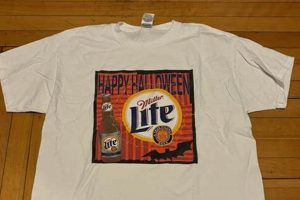
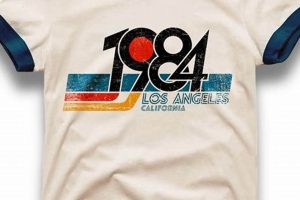
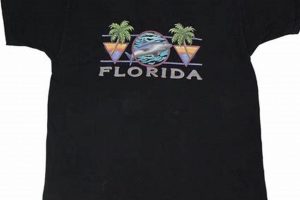
Tip 7: Incorporating Vintage Graphics: Apply graphics using screen printing or iron-on transfers that replicate designs from specific historical periods. Ensure the print itself is distressed.
These methods, when applied judiciously, result in garments that convincingly emulate the character of aged clothing. The techniques allow for personalized and sustainable modifications of existing apparel.
The subsequent section will address considerations for maintaining the integrity of the artificially aged shirt and further enhancing its vintage appeal.
1. Fabric Choice

The selection of fabric significantly impacts the efficacy of aging techniques applied to shirts. The fiber content and weave of a material directly influence its response to dyeing, distressing, and washing processes, which are essential components in imparting a vintage aesthetic. For instance, a 100% cotton shirt will generally accept dyes more readily and exhibit more realistic wear patterns compared to a polyester blend. The natural texture and inherent properties of cotton allow for a more authentic fading and softening effect when subjected to specific aging methods. Conversely, synthetic fabrics tend to resist these processes, resulting in an artificial or unconvincing aged appearance.
Consider the example of attempting to fray the edges of a polyester shirt’s collar. The synthetic fibers are more likely to melt or create a hard, unnatural edge, unlike the softer, more organic fraying achieved with cotton. Similarly, the application of dyes to synthetic fabrics may result in uneven absorption or a color that appears overly vibrant, detracting from the desired faded, vintage appearance. The weight and weave of the fabric are also crucial. A heavier, looser weave, such as that found in some linen shirts, will typically distress more convincingly than a tightly woven, lightweight fabric. This is because the looser weave allows for more pronounced fraying and visible wear patterns.
In summary, fabric choice is a foundational decision when pursuing a vintage shirt aesthetic. Natural fibers, particularly cotton and linen, offer the most favorable characteristics for replicating authentic aging effects. Understanding the interplay between fabric properties and aging techniques is critical for achieving a convincingly timeworn result. Neglecting this initial consideration can lead to undesirable outcomes and undermine the overall vintage effect, therefore making the correct fabric choice crucial to achieving the desired vintage appearance.
2. Dye Application

The strategic use of dyes plays a pivotal role in simulating the effects of age and wear on shirt fabric, directly contributing to a vintage aesthetic. Appropriate dye selection and application techniques are essential for replicating the subtle fading and color shifts characteristic of older garments.
- Color Selection for Authenticity
Achieving a vintage look relies on choosing dyes that reflect the color palettes of past eras. Muted earth tones, faded blues, and slightly desaturated hues are more indicative of aged textiles. The use of bright, modern colors will often detract from the desired vintage effect. Example: Opting for a washed-out indigo instead of a vibrant royal blue when replicating a vintage denim shirt.
- Garment Dyeing Techniques
Garment dyeing, where the entire shirt is dyed after construction, is a common method for achieving an even, all-over fade. This contrasts with piece dyeing, where the fabric is dyed before the garment is made. Garment dyeing allows the dye to penetrate seams and folds, creating subtle variations in color that mimic natural wear. Example: A garment-dyed tee will have slight color differences at the seams, giving it a more authentic, lived-in look.
- Distress Dyeing Methods
Localized dye application can simulate specific types of wear. Techniques such as sponge dyeing, where dye is applied unevenly with a sponge, can create patches of fading that resemble sun exposure or repeated washing. Over-dyeing, where a lighter shirt is dyed a darker color and then partially faded back, can also produce unique and realistic aging effects. Example: Applying a diluted bleach solution to the shoulders of a shirt to mimic sun fading.
- Understanding Dye Properties and Fiber Interaction
The interaction between dye chemistry and fiber content is critical. Natural fibers like cotton absorb dyes differently than synthetics, impacting the final color and its longevity. Fiber-reactive dyes are commonly used for cotton because they form a strong bond with the fiber, resulting in excellent wash fastness. However, even with fiber-reactive dyes, repeated washing will cause some fading, contributing to the desired vintage aesthetic. Example: A cotton shirt dyed with a fiber-reactive dye will fade gradually over time, creating a natural-looking, vintage patina. Acid dyes may be used on nylon for a more permanent adherence.
In conclusion, thoughtful dye application is indispensable for imbuing new shirts with the character of vintage garments. The skillful selection of color, the application of garment dyeing and distress dyeing methods, and a thorough understanding of dye and fiber interaction are essential for producing a convincingly aged aesthetic. These elements combine to transform a new shirt into a wearable artifact, evoking the style and sentiment of bygone eras.
3. Distressing Techniques

Distressing techniques are fundamental to achieving a vintage appearance in garments. These methods artificially replicate the wear, tear, and fading that occur naturally over time, transforming a new shirt into an item that convincingly resembles a well-worn piece from a past era.
- Abrasion Methods
Abrasion involves physically wearing down the fabric surface to simulate the effects of prolonged use. This can be achieved through various methods, including sanding with sandpaper, using abrasive tools like pumice stones, or employing mechanical processes such as tumbling the shirt with rough objects. For example, lightly sanding the collar and cuffs of a shirt can create a frayed appearance, mimicking the wear and tear that occurs over months or years of regular use. The implications of abrasion extend to creating a softer, more pliable texture, enhancing the overall comfort and feel of the garment.
- Chemical Treatments
Chemical treatments utilize controlled applications of chemicals to alter the fabric’s color and integrity. Bleach solutions, when applied strategically, can create localized fading that resembles sun exposure or repeated washing. Enzyme washes, commonly used in denim production, break down cellulose fibers, resulting in a softer texture and a subtly worn appearance. A practical example involves using a diluted bleach solution on the shoulders of a shirt to simulate sun fading, followed by a thorough rinsing to neutralize the chemical. The key implication is the ability to precisely control the degree and pattern of fading, allowing for a customized and realistic vintage effect.
- Destructuring and Repair
Destructuring involves intentionally damaging the shirt to create imperfections characteristic of aged garments. This can include making small tears, fraying seams, or creating subtle holes. Subsequently, these imperfections can be repaired using visible stitching or patches, further enhancing the vintage aesthetic. An example of this would be creating a small tear near the pocket of a shirt and then patching it with a contrasting fabric, creating a unique and visually interesting detail. Destructuring and repair introduces a sense of history and authenticity to the garment, conveying the impression that it has been worn and mended over time.
- Stain Simulation
Replicating the subtle stains that accumulate over time contributes significantly to the authenticity of a vintage shirt. This can be achieved by strategically applying diluted solutions of tea, coffee, or dyes to simulate stains from spills or wear. For instance, a small, diluted coffee stain near the front of a shirt can mimic the appearance of a minor accident. The key implication of stain simulation is to introduce subtle imperfections that enhance the overall realism of the vintage aesthetic. Care must be taken to apply stains sparingly and strategically, avoiding an overly contrived or artificial appearance.
These distressing techniques, when applied thoughtfully and judiciously, effectively transform new shirts into credible representations of vintage garments. The combination of abrasion, chemical treatments, destructuring, repair, and stain simulation creates a layered and nuanced effect that emulates the natural aging process. The successful application of these methods hinges on understanding the specific characteristics of different fabrics and employing techniques that align with the desired vintage aesthetic.
4. Washing Methods
Washing methods are integral to replicating the effects of time and wear on apparel, playing a crucial role in achieving a credible vintage aesthetic. The specific techniques employed directly influence the texture, color, and overall appearance of the fabric, contributing to the illusion of age.
- Enzyme Washing
Enzyme washing utilizes enzymes to break down cellulose fibers within the fabric, resulting in a softer texture and a subtly faded appearance. This method simulates the softening effect of repeated washing over an extended period. For example, shirts treated with enzyme washes often exhibit a slightly worn look without compromising the structural integrity of the fabric. The implication is a comfortable, aged feel without excessive damage to the garment.
- Stone Washing
Stone washing involves washing garments with pumice stones to create abrasion and accelerate wear. The stones physically distress the fabric, resulting in a faded color and a softened texture. A common application is in denim production, where stone washing produces a characteristic vintage look. The implication of stone washing is a more pronounced level of wear and tear compared to enzyme washing, suitable for achieving a more rugged, aged appearance.
- Acid Washing (Bleach Washing)
Acid washing, often referred to as bleach washing, utilizes bleach to create localized fading and a mottled appearance. This method results in a more drastic and uneven color change compared to other washing techniques. For instance, shirts treated with acid washing often exhibit distinct areas of fading and discoloration, resembling the effects of prolonged sun exposure. The implication is a highly stylized vintage look, often associated with specific fashion eras.
- Garment Dyeing and Washing Combinations
Combining garment dyeing with specific washing techniques can produce unique and complex aging effects. For example, a shirt may be garment-dyed in a muted color and then subjected to an enzyme wash to enhance the faded appearance and soften the fabric. This combined approach allows for greater control over the final aesthetic, enabling the creation of nuanced and realistic vintage effects. The implication is the ability to tailor the aging process to achieve a specific vintage style.
These washing methods, when implemented strategically, are essential tools for achieving a believable vintage appearance. The choice of technique depends on the desired level of wear, the type of fabric, and the specific aesthetic being pursued. The proper application of washing methods contributes significantly to the overall success of the aging process, transforming new shirts into credible representations of vintage garments.
5. Graphic Selection

Graphic selection is a crucial determinant in effectively replicating a vintage aesthetic on shirts. The chosen graphics dictate the era, style, and overall authenticity of the aged appearance. A graphic inconsistent with the intended time period or visual style will undermine the believability of the vintage effect, regardless of other applied techniques.
- Era-Appropriate Imagery
The graphic must accurately reflect the visual culture of the target era. This necessitates research into popular motifs, fonts, and design trends of the specific time period. For example, a 1970s-inspired shirt might feature bold, psychedelic fonts and imagery, while a 1940s-era design would likely incorporate simpler, more utilitarian typography and graphics. The use of anachronistic imagery will immediately detract from the vintage illusion. Incorrect graphic choices can misrepresent the era you are going for with “how to make a shirt look vintage”.
- Print Quality and Technique
The printing technique used to apply the graphic should also align with historical practices. Screen printing was a common method for producing graphic t-shirts in the mid-20th century, while direct-to-garment (DTG) printing is a more modern approach. Replicating the slightly imperfect, textured appearance of vintage screen prints can enhance the authenticity of the design. For instance, using a slightly distressed screen print with visible ink texture can convincingly mimic the look of an older graphic. This will lead to a higher quality, and more accurate “how to make a shirt look vintage” style.
- Copyright and Authenticity Considerations
Using copyrighted images or logos without permission is a legal issue. However, when replicating vintage graphics, it is crucial to ensure the authenticity of the design itself. This may involve sourcing public domain images or recreating designs based on historical examples. Additionally, consider the cultural context of the graphic. Certain images or symbols may have different meanings or connotations today than they did in the past. The “how to make a shirt look vintage” design should reflect the real vintage design, and not any new age or copyrighted designs.
- Graphic Placement and Scale
The placement and scale of the graphic on the shirt should also align with vintage design principles. Older t-shirts often featured smaller, more centrally located graphics compared to modern designs. The position of the graphic on the shirt should also consider the garment’s construction and intended use. For example, a workwear-inspired shirt might have a small, understated logo on the chest pocket, while a band t-shirt might feature a larger, more prominent graphic across the front. Ensure scale and placement are accurate to the design, and to the style guide for “how to make a shirt look vintage”.
In summary, the careful selection and application of graphics are essential to creating a convincing vintage aesthetic on shirts. Choosing era-appropriate imagery, employing historically accurate printing techniques, and considering the placement and scale of the graphic are all critical factors. Paying attention to these details will significantly enhance the authenticity of the vintage look and transform a new shirt into a credible representation of a bygone era. The attention to detail with “how to make a shirt look vintage” graphics is the key to creating the desired garment style.
6. Stain Simulation
Stain simulation is a pivotal technique in replicating the authentic appearance of vintage garments. The presence of subtle, naturally occurring stains contributes significantly to the perception of age and wear, transforming a new shirt into a believable representation of a previously used item. Skillful stain simulation enhances the overall realism of the vintage effect.
- Types of Simulated Stains
Simulated stains encompass a variety of substances that commonly affect clothing over time, including but not limited to: food and beverage spills, perspiration, dirt, and minor discolorations from exposure to the elements. Each type of stain presents a unique visual characteristic; for example, a coffee stain typically exhibits a circular, gradient pattern with a darker edge, whereas a perspiration stain might appear as a diffused discoloration in the underarm area. A successful “how to make a shirt look vintage” approach considers these variations.
- Application Techniques
The application of simulated stains requires precision and control to avoid an artificial or contrived appearance. Common methods involve the strategic use of diluted solutions of tea, coffee, or specialized fabric dyes. These solutions are applied sparingly using sponges, brushes, or airbrushing techniques to create subtle, irregular patterns. The key is to mimic the natural distribution and intensity of real-world stains. Concentrated applications risk negating any “how to make a shirt look vintage” intent, resulting in a product that appears more like a costume than vintage wear.
- Color Palette and Intensity
The color palette employed in stain simulation should align with the overall color scheme of the shirt and the intended vintage aesthetic. Muted, earth-toned hues are generally more appropriate than vibrant, saturated colors. The intensity of the simulated stain should also be carefully controlled, avoiding overly dark or prominent marks that detract from the realism of the effect. Subtle variations in color and intensity are essential for creating a natural-looking stain. Selecting a period correct color palette contributes to the overall aesthetic of “how to make a shirt look vintage”.
- Placement and Context
The placement of simulated stains should be logical and consistent with the shirt’s intended use and wear patterns. Stains are typically more believable in areas that are prone to spills, such as the front of the shirt near the chest or abdomen. Likewise, discoloration around the collar or underarms can simulate the effects of perspiration. The “how to make a shirt look vintage” approach should also consider the context of the simulated stain. For example, a small grease stain might be appropriate for a workwear-inspired shirt, while a coffee stain might be more suitable for a casual garment.
The effective incorporation of stain simulation techniques is crucial for elevating a new shirt to convincingly resemble a vintage garment. By carefully considering the type, application, color, and placement of simulated stains, it is possible to enhance the realism and authenticity of the vintage aesthetic, resulting in a product that captures the character and charm of clothing from bygone eras. Skillful stain simulation becomes an art form when used correctly in any “how to make a shirt look vintage” undertaking.
7. Hardware/Trim
The selection and treatment of hardware and trim elements are integral to achieving a convincing vintage appearance in shirts. These seemingly minor details significantly contribute to the overall aesthetic, either enhancing or detracting from the desired aged effect. The specifics of button selection, zipper type, labels, and other embellishments play a critical role in replicating the styles and construction techniques of past eras.
- Button Selection
The material, style, and finish of buttons profoundly influence the perceived age of a shirt. Vintage shirts often feature buttons made of natural materials such as wood, bone, or early plastics like Bakelite. The shape and size of the buttons should also align with the design trends of the target era. For example, replicating a 1940s work shirt necessitates using small, four-hole buttons with a matte finish, while a 1970s disco shirt might incorporate larger, more decorative plastic buttons. Replacing modern plastic buttons with vintage-style alternatives significantly enhances the authenticity of the “how to make a shirt look vintage” effort.
- Zipper Types and Finishes
The type of zipper used, if applicable, is another crucial detail. Vintage shirts rarely feature the hidden or molded plastic zippers common in contemporary apparel. Instead, exposed metal zippers with a distinct pull tab design were prevalent. The finish of the zipper is also important. A tarnished or slightly corroded zipper can add to the aged appearance. Replacing a modern zipper with a vintage-style metal zipper, and artificially aging its finish, is a subtle yet effective way to enhance the vintage aesthetic. Employing period-appropriate zippers and hardware contribute significantly to the fidelity of a “how to make a shirt look vintage” project.
- Label Replication
The design and construction of labels are often overlooked but provide valuable clues to a garment’s age. Vintage labels typically feature simpler designs, woven or printed on natural materials like cotton or linen. Modern labels, in contrast, often incorporate synthetic materials and more complex graphics. Replicating vintage labels, including the font, logo, and construction method, can significantly enhance the overall authenticity. This may involve sourcing vintage label designs or creating custom labels that mimic the look and feel of older examples. A careful “how to make a shirt look vintage” label imitation shows keen attention to detail.
- Seam Finishes and Stitching
The way seams are finished and the type of stitching used can also contribute to the vintage aesthetic. Overlock stitching is a relatively modern technique; vintage shirts often feature simpler seam finishes, such as felled seams or serged edges. Replicating these simpler seam finishes, and using a chain stitch or other period-appropriate stitching methods, can enhance the authenticity of the garment. Consider the thread type as well. Cotton thread ages differently than synthetic thread, and using cotton thread can contribute to the overall vintage effect. By paying close attention to seam finishes and stitching methods, it is possible to create a more convincing vintage look and feel in any “how to make a shirt look vintage” scenario.
These hardware and trim considerations, when implemented thoughtfully, can effectively elevate a new shirt to believably resemble a vintage garment. Paying attention to these details not only enhances the visual authenticity but also evokes the craftsmanship and design sensibilities of past eras, transforming a contemporary item into a compelling and stylish piece with a rich historical narrative. Focusing on the details with all the components helps enhance the effect for “how to make a shirt look vintage”.
Frequently Asked Questions
The following addresses common inquiries and misconceptions regarding the process of creating a vintage appearance in shirts.
Question 1: Is it possible to accurately replicate the look of a vintage shirt on a completely new garment?
Achieving a perfect replication is challenging due to the unique nature of aging processes. However, employing a combination of appropriate fabric selection, dyeing techniques, distressing methods, and hardware choices can result in a highly convincing simulation.
Question 2: What types of fabrics are best suited for achieving a vintage aesthetic?
Natural fibers such as cotton and linen are generally preferable due to their ability to age and distress more realistically than synthetic materials. Thicker weaves and fabrics with visible texture often lend themselves better to the aging process.
Question 3: Are there any potential drawbacks to using harsh chemicals, such as bleach, to distress fabric?
While bleach can effectively create localized fading, it can also weaken the fabric and accelerate its degradation. Careful and controlled application, followed by thorough rinsing, is essential to minimize potential damage.
Question 4: How important is the selection of graphics in achieving a believable vintage look?
The graphic is a critical element, dictating the era and style of the garment. Choosing era-inappropriate graphics or using modern printing techniques can undermine the overall authenticity of the vintage effect.
Question 5: Is it ethical to intentionally damage clothing to create a vintage appearance?
The ethics of intentionally damaging clothing are subjective. However, repurposing or altering existing garments can be viewed as a form of sustainable fashion, reducing the need for new production and promoting creative reuse.
Question 6: How can one ensure the longevity of a shirt that has been artificially aged?
Gentle washing techniques, avoiding harsh detergents, and air-drying can help preserve the integrity of the fabric and the simulated aging effects. Repairing any tears or damages promptly can also extend the garment’s lifespan.
In summary, achieving a convincing vintage shirt aesthetic requires a combination of technical skill, attention to detail, and an understanding of the historical context of the garment. While perfect replication may be unattainable, the careful application of appropriate techniques can result in a stylish and unique piece of apparel.
The following section will provide resources and further reading for those interested in exploring these techniques in greater detail.
How to Make a Shirt Look Vintage
This exploration has detailed methods for imbuing new shirts with the characteristics of aged apparel. The processes, spanning from fabric selection to nuanced stain simulation, demand meticulous application. Authenticity hinges on period-accurate graphics and hardware. The techniques outlined provide options for customized garment alterations.
The information offered is applicable for apparel design or sustainable practices. Continued experimentation and a dedication to historical accuracy will yield the most compelling results. By adopting these principles, the creation of credible vintage-inspired garments is attainable, thereby contributing to style and conscientious consumption.