Achieving a retro aesthetic on a newly manufactured garment involves techniques that simulate the effects of age and wear. This process, which can include distressing the fabric, using specific dyes to create a faded color, and applying vintage-inspired graphics, transforms a contemporary item into one that appears several decades old. For example, a brand-new t-shirt can be modified to emulate the look and feel of a well-worn garment from the 1970s.
The appeal of this aesthetic lies in its connection to nostalgia and a perceived sense of authenticity. Clothing with a vintage appearance offers a unique style that can evoke particular eras and cultural movements. Furthermore, it provides a sustainable alternative to purchasing actual vintage clothing, which can often be difficult to find in good condition or a desired size. The recreated style taps into the renewed interest in past decades.
The following sections will explore various methods used to replicate the characteristics of aged apparel, focusing on the specific techniques employed to alter the fabric’s texture, color, and overall appearance. The goal is to provide a detailed guide to producing a credible, timeworn effect on a new tee shirt.
Achieving a Vintage Tee Shirt Aesthetic
The creation of a vintage-looking tee shirt involves several specialized techniques. Each method contributes to the overall aged and worn appearance of the garment. Attention to detail in these processes is crucial for achieving a convincing result.
Tip 1: Enzyme Washing: Industrial enzyme washes break down the fabric fibers, resulting in a softer feel and a subtly faded color. This method replicates the effects of repeated washing and wear over many years.
Tip 2: Distressing Techniques: Strategic application of abrasion, such as sanding or using pumice stones, creates small imperfections and worn spots, particularly around the collar, cuffs, and seams. This simulates natural wear patterns.
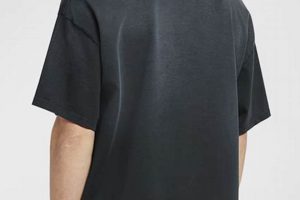
Tip 3: Garment Dyeing: Utilizing specific dye formulas and techniques, such as overdyeing or pigment dyeing, achieves the muted, uneven coloration characteristic of vintage fabrics. These methods produce a faded, washed-out appearance.
Tip 4: Graphic Application: Selecting vintage-inspired graphics and applying them with methods like discharge printing or water-based inks ensures the design integrates seamlessly with the fabric and exhibits a faded, cracked aesthetic over time.
Tip 5: Tagging and Labeling: Replacing modern tags with reproductions of vintage labels adds to the authenticity of the garment. Pay attention to font styles, materials, and printing methods used in the era being replicated.
Tip 6: Sun Fading Simulation: Replicating sun fading through controlled exposure to ultraviolet light or the application of specific chemical treatments achieves a realistic, uneven discoloration pattern, particularly on the shoulders and upper areas of the tee shirt.
Tip 7: Strategic Stitching: Altering or replicating vintage stitching patterns, such as single-needle stitching or chain stitching, enhances the garment’s retro appearance. Consider using thread colors that complement the desired vintage era.
By incorporating these tips, manufacturers and individuals can successfully create tee shirts that convincingly emulate the look and feel of authentic vintage garments. The key is a meticulous approach, paying close attention to the details that define aged apparel.
The application of these methods requires skill and careful execution. The next section will discuss the materials and equipment necessary for successfully implementing these techniques.
1. Fabric selection

The choice of fabric is paramount in replicating the appearance of a vintage tee shirt. The material’s composition, weight, and texture significantly influence the effectiveness of subsequent distressing, dyeing, and printing processes. A fabric inappropriate for emulating vintage qualities will detract from the final result, regardless of other techniques employed.
- Fiber Composition
The fiber content of the fabric directly affects its ability to mimic aged characteristics. 100% cotton, particularly ring-spun or combed cotton, is often preferred due to its tendency to soften and fade over time, mirroring the natural aging process of vintage garments. Synthetic fibers, or blends with high synthetic content, resist these aging processes, making them less suitable.
- Fabric Weight
Vintage tee shirts typically featured lighter-weight fabrics compared to contemporary garments. Selecting a fabric with a lower GSM (grams per square meter) contributes to the overall feel and drape of a vintage-inspired tee shirt. Heavyweight fabrics, while durable, often lack the suppleness associated with aged apparel.
- Weave and Texture
The fabric’s weave impacts its surface texture and ability to accept dyes and prints. Jersey knits are commonly used for tee shirts, but variations in the knit structure, such as slub jersey, can introduce subtle irregularities that enhance the vintage aesthetic. A slightly uneven or textured surface can replicate the imperfections found in older fabrics.
- Pre-treatment and Preparation
The presence or absence of pre-treatment processes affects how the fabric responds to aging techniques. Fabrics that have undergone minimal processing retain more of their natural character and are more likely to exhibit desirable fading and wear patterns. Conversely, heavily treated fabrics may resist these effects, hindering the creation of an authentic vintage appearance.
Ultimately, selecting the appropriate fabric forms the foundation for a successful vintage tee shirt reproduction. The interplay between fiber content, weight, weave, and pre-treatment determines the fabric’s capacity to undergo the necessary transformations to replicate the look and feel of aged apparel. Without careful consideration of these factors, the desired vintage aesthetic remains elusive.
2. Color fading

Color fading is a critical element in simulating the aged appearance of a tee shirt. The specific characteristics of this fading, including its pattern and intensity, significantly contribute to the perceived authenticity of the vintage aesthetic.
- Dye Selection and Application
The type of dye used and the method of its application directly influence the fading process. Fiber-reactive dyes, for example, are known for their vibrant colors and resistance to fading. However, techniques like pigment dyeing, which deposits color on the fabric surface rather than bonding with the fibers, result in a more rapid and pronounced fading effect, characteristic of vintage garments. The dyeing process itself can also be manipulated; for instance, garment dyeing, where the tee shirt is dyed after it’s assembled, often yields uneven color distribution, enhancing the aged appearance.
- Washing and Chemical Treatments
Accelerated fading can be achieved through specific washing and chemical treatments. Enzyme washes, for instance, utilize enzymes to break down cellulose fibers, causing a subtle but noticeable color loss and softening of the fabric. Stonewashing, a process involving tumbling the garment with abrasive stones, creates localized abrasion and fading, particularly along seams and edges. Chemical washes, such as acid washing, induce more dramatic and uneven color loss, often resulting in a marbled or distressed effect.
- Sun Exposure Simulation
Prolonged exposure to sunlight causes gradual color fading due to the breakdown of dye molecules by ultraviolet radiation. This effect can be simulated through controlled exposure to UV lamps or the application of specialized chemical treatments designed to mimic the discoloration patterns caused by sun exposure. Sun-faded areas typically exhibit a lighter hue and a less saturated color, particularly on the shoulders and upper portions of the tee shirt.
- Pattern and Location of Fading
The pattern and location of color fading are crucial indicators of age and wear. Natural fading typically occurs unevenly, with areas exposed to more frequent wear or sunlight exhibiting greater color loss. Simulating these patterns requires careful consideration of how a garment would naturally age over time. Fading concentrated along seams, collars, and cuffs, or localized discoloration in areas subject to friction, adds to the authenticity of the vintage look.
The skillful manipulation of color fading techniques is essential for successfully replicating the vintage aesthetic in tee shirts. By carefully selecting dyes, employing appropriate washing and chemical treatments, simulating sun exposure, and paying attention to the pattern and location of fading, it becomes possible to create garments that convincingly convey the impression of age and wear, thereby enhancing the overall appeal of the vintage-inspired design.
3. Graphic aging

Graphic aging, a deliberate alteration of printed designs on apparel, is integral to achieving a convincing vintage aesthetic in tee shirts. The condition of a graphic often serves as a primary visual indicator of a garment’s age and history; therefore, accurately replicating the deterioration that occurs over time is essential. The degree and type of graphic aging directly influence the perception of authenticity when implementing “how to make a tee shirt look vintage.” For instance, a crisp, perfectly opaque print on a tee shirt immediately contradicts the desired vintage appearance, while a faded, cracked, or distressed graphic contributes significantly to the illusion of age.
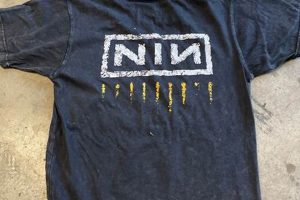
Several techniques are employed to simulate graphic aging. Discharge printing, where the dye is removed from the fabric to create the graphic, allows for a softer feel and a more natural fade over time. Water-based inks, as opposed to plastisol inks, tend to crack and fade more readily, mimicking the wear patterns of older prints. Mechanical distressing methods, such as gently abrading the print surface with sandpaper or pumice stones, can create a worn and cracked appearance. Furthermore, incorporating subtle imperfections into the design itself, such as slightly misaligned registration or deliberately uneven ink coverage, enhances the vintage effect. A practical example of this is the recreation of concert tee shirts from the 1970s and 80s, where the graphic is intentionally faded and cracked to mirror the condition of well-worn originals.
In conclusion, graphic aging is a vital component of “how to make a tee shirt look vintage,” providing a visual cue that strongly suggests the passage of time. By carefully selecting appropriate printing techniques, inks, and distressing methods, it is possible to create graphics that seamlessly integrate with the overall aged appearance of the garment. The challenge lies in achieving a balance between a convincingly aged look and maintaining the legibility and integrity of the design. Successful implementation of graphic aging techniques significantly elevates the authenticity and appeal of vintage-inspired tee shirts.
4. Distressed details
Distressed details are integral to emulating the aesthetic of vintage apparel. These intentional imperfections simulate the effects of prolonged wear and environmental exposure, contributing significantly to the overall impression of age. The specific type, location, and intensity of distressing must align with the desired era and style to effectively convey a sense of authenticity.
The connection between distressed details and the techniques involved with creating a vintage aesthetic is causal. Specific methods, such as sanding, abrasion, or chemical treatments, are applied to induce signs of wear. For example, frayed collars and cuffs, achieved through targeted abrasion, replicate the wear patterns found on older garments. Similarly, small holes or tears, strategically placed and reinforced to prevent further damage, mirror the common imperfections found in well-worn vintage pieces. The reproduction of faded graphics through controlled abrasion further enhances the aged appearance. Without these deliberate signs of wear, a tee shirt, regardless of other treatments, will lack the crucial visual cues associated with vintage clothing. A practical application of this is seen in the reproduction of vintage band tees, where the cracking and fading of the graphic is replicated through various distressing techniques, and small holes are strategically placed on the front of the tee to emulate years of wear.
Effectively integrating distressed details requires a nuanced understanding of how garments age naturally. Overly uniform or exaggerated distressing can detract from the authenticity of the vintage aesthetic. The key lies in replicating the subtle variations and imperfections that characterize well-worn clothing. Successfully incorporating distressed details elevates a newly manufactured tee shirt, convincingly conveying the appearance of a cherished and aged garment. Failing to incorporate these crucial elements can lead to a final product that lacks the character and appeal that defines vintage apparel.
5. Seam treatments

Seam treatments play a significant role in achieving a credible vintage aesthetic in tee shirt design. The appearance of seams, including their construction, texture, and evidence of wear, contributes substantially to the perception of age and authenticity. Replicating vintage seam characteristics requires careful attention to detail and specialized techniques.
- Stitch Type and Density
Vintage tee shirts often feature different stitching methods than contemporary garments. Single-needle stitching, characterized by a single line of stitching, was common in older garments and creates a less durable, more delicate seam compared to modern double-needle stitching. Lower stitch density, meaning fewer stitches per inch, results in a looser seam that is more prone to puckering and distortion, traits associated with aged apparel. Replicating these stitch types and densities accurately reflects the construction methods of the past.
- Seam Puckering and Distortion
Over time, seams can naturally pucker and distort due to repeated washing, stretching, and wear. Simulating this effect involves techniques such as intentionally stretching the fabric during the sewing process or applying heat to cause shrinkage and puckering along the seams. The degree of puckering should be subtle and uneven to mimic the random distortions that occur naturally in aged garments. This element contributes significantly to the “lived-in” appearance.
- Thread Type and Color
The type and color of thread used in seams also influence the vintage aesthetic. Cotton threads, commonly used in older garments, tend to fade and break down more readily than synthetic threads. Selecting thread colors that complement the desired level of fading and wear enhances the overall effect. For instance, using a slightly off-white or ecru-colored thread can replicate the aged appearance of vintage seams. Subtly broken or frayed threads further contribute to the impression of wear.
- Overlock Stitch Simulation
The presence or absence of overlock stitching, a technique used to prevent fabric edges from fraying, can indicate the age of a garment. Vintage tee shirts may lack overlock stitching altogether or feature a simpler, less refined overlock stitch compared to modern techniques. Simulating these characteristics involves either omitting overlock stitching entirely or replicating the appearance of older overlock methods through specialized sewing techniques.
In conclusion, seam treatments are a crucial aspect of replicating the vintage aesthetic in tee shirts. By carefully considering stitch type and density, seam puckering and distortion, thread type and color, and overlock stitch simulation, manufacturers can create garments that convincingly convey the appearance of aged apparel. These subtle details, when combined with other aging techniques, significantly enhance the overall authenticity and appeal of vintage-inspired designs.
6. Label reproduction

Label reproduction, the meticulous recreation of vintage-era garment tags, is a critical, often overlooked, component of successfully emulating a vintage tee shirt. The label serves as an immediate identifier, influencing the perception of authenticity and providing crucial context for the garment’s perceived age and origin.
- Material Accuracy
The composition of the label material significantly impacts its perceived age. Vintage labels were commonly constructed from woven cotton, satin, or paper, often exhibiting a distinct texture and weight compared to modern synthetic materials. Accurate material selection, including sourcing fabrics that replicate the feel and appearance of vintage label stock, is essential. Modern polyester labels, for example, would detract significantly from the vintage aesthetic.
- Typography and Design Elements
Fonts, logos, and graphic elements used on vintage labels are characteristic of specific eras. Meticulously researching and replicating these design elements, including font styles, letter spacing, and logo designs, is crucial. Inaccuracies in typography or the use of anachronistic design elements can immediately undermine the perceived authenticity of the label. For instance, the recreation of a 1970s tee shirt requires using fonts prevalent during that period.
- Printing Techniques
The printing method employed on vintage labels often differs from modern techniques. Screen printing, letterpress, and heat transfer were common methods, each producing a distinct visual texture and ink quality. Replicating these printing techniques, rather than using modern digital printing methods, contributes to the overall authenticity of the label. For example, a slightly imperfect screen print can emulate the characteristic look of vintage label printing.
- Wear and Deterioration Simulation
Vintage labels often exhibit signs of wear, including fading, fraying, and discoloration. Deliberately simulating these imperfections enhances the authenticity of the reproduced label. Techniques such as lightly sanding the label edges, applying a diluted stain, or exposing the label to UV light can create a credible impression of age and wear. This element adds another layer of realism, further solidifying the vintage aesthetic.
In summary, accurate label reproduction is a key element in creating a convincing vintage tee shirt. By carefully considering material accuracy, typography and design elements, printing techniques, and wear simulation, manufacturers can produce labels that seamlessly integrate with the overall aged appearance of the garment, thereby enhancing its perceived authenticity and value. This attention to detail elevates the final product, establishing a cohesive and credible vintage aesthetic.
7. Washing techniques
Washing techniques represent a crucial set of processes in achieving a credible vintage appearance for tee shirts. These methods are not merely cleaning procedures; they are controlled interventions designed to accelerate the natural aging processes that occur over time. The connection between washing techniques and creating a vintage aesthetic is one of deliberate manipulation to simulate the effects of repeated laundering, sun exposure, and general wear, all of which contribute to the unique characteristics of aged garments. For example, a new tee shirt, regardless of fabric or print style, will inherently lack the softened texture and faded color that define a vintage piece. Washing techniques, such as enzyme washing or stonewashing, directly address this deficiency.
Enzyme washing, for instance, employs enzymes to degrade cellulose fibers within the fabric, resulting in a softer hand feel and a subtle color fade. This process mimics the softening effect of numerous wash cycles over several years. Stonewashing utilizes abrasive pumice stones to physically distress the fabric, creating localized fading and wear patterns, particularly along seams and edges. These methods serve as direct interventions, accelerating the degradation processes that would otherwise take years to manifest naturally. A practical application lies in mass production, where these washing techniques allow manufacturers to rapidly create garments that emulate the look and feel of authentic vintage apparel, circumventing the time-consuming process of natural aging. The absence of such washing techniques would leave a tee shirt looking distinctly new, regardless of other distressing methods employed.
In summary, washing techniques are indispensable tools in the creation of vintage-looking tee shirts. They provide a means to control and accelerate the aging process, replicating the softening, fading, and distressing effects that characterize authentic vintage garments. The careful selection and execution of these techniques are essential for achieving a believable and desirable vintage aesthetic, bridging the gap between contemporary production and the valued characteristics of aged apparel. The understanding and correct application of these methods remain a cornerstone of producing garments that successfully capture the essence of vintage clothing.
Frequently Asked Questions
This section addresses common inquiries and misconceptions regarding the methods and considerations involved in creating tee shirts with a vintage appearance.
Question 1: Is specialized equipment necessary to create a vintage tee shirt?
While certain techniques, such as enzyme washing and industrial dyeing, benefit from specialized machinery, basic distressing and aging effects can be achieved with readily available tools. Sandpaper, pumice stones, and fabric dyes can be used to modify the fabric and graphics to achieve a more worn aesthetic.
Question 2: How can color fading be controlled to avoid excessive damage to the fabric?
Controlled color fading is achieved through careful monitoring of washing times, dye concentrations, and chemical treatments. Testing on fabric swatches prior to treating the entire garment is recommended to determine the optimal parameters for achieving the desired level of fade without compromising fabric integrity.
Question 3: What is the most effective method for creating cracked graphics on a tee shirt?
The selection of appropriate inks and printing techniques influences the cracking behavior of graphics. Water-based inks and discharge printing are more prone to cracking compared to plastisol inks. Additionally, heat-treating the printed graphic can accelerate the cracking process.
Question 4: How do manufacturers ensure consistency in the distressed details across multiple tee shirts?
Achieving consistency requires standardized distressing procedures and trained personnel. Templates and guides can be used to ensure uniform placement and intensity of distressing effects. Regular quality control checks are essential to maintain consistency across production runs.
Question 5: What are the primary differences between authentic vintage tee shirts and modern reproductions?
Authentic vintage tee shirts exhibit signs of natural wear and aging that are difficult to perfectly replicate. Subtle variations in fabric texture, stitching, and graphic condition are common in original garments. Modern reproductions often lack these subtle imperfections, despite employing various distressing techniques.
Question 6: Are there ethical considerations associated with replicating vintage garments?
The replication of vintage garments raises ethical considerations related to intellectual property and cultural appropriation. It is important to respect trademark rights and avoid appropriating designs or imagery that may be culturally sensitive. The fair and ethical sourcing of materials is also a relevant concern.
The creation of a convincing vintage tee shirt requires a meticulous approach, combining appropriate materials, techniques, and an understanding of how garments age naturally. Success hinges on attention to detail and a commitment to replicating the characteristics of aged apparel.
The subsequent section will explore the sustainability aspects of producing vintage-inspired clothing.
Conclusion
The preceding discussion has delineated the multifaceted process of achieving a vintage aesthetic in tee shirt design. Successfully replicating the characteristics of aged apparel requires a nuanced understanding of fabric selection, color manipulation, graphic aging, and distressing techniques. The application of these methods, from enzyme washing to strategic seam treatments, necessitates careful execution and attention to detail. The ultimate goal is to convincingly simulate the effects of time and wear, transforming a contemporary garment into one that evokes the visual and tactile qualities of a bygone era. How to make a tee shirt look vintage depends on these factors.
As the demand for vintage-inspired clothing continues to grow, the ability to accurately and ethically replicate the appearance of aged garments becomes increasingly important. Whether for commercial production or individual creative expression, mastering these techniques offers a unique pathway to bridging the gap between contemporary fashion and the enduring appeal of vintage styles. The pursuit of this aesthetic not only provides an opportunity for stylistic innovation but also encourages a deeper appreciation for the craftsmanship and historical context of clothing.