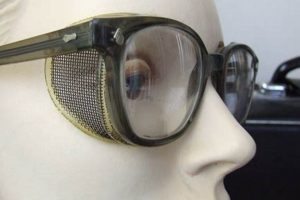
Eyewear featuring a crimson hue and crafted in a style characteristic of a past era, particularly from the early to mid-20th century, represents a distinct aesthetic. Such spectacles, often incorporating materials like Bakelite or celluloid, exemplify designs prevalent decades ago. A common example is a cat-eye frame in a vibrant scarlet, produced during the 1950s.
The allure of these items lies in their historical significance and unique visual appeal. They offer a tangible connection to bygone fashion trends and production techniques. Collectors and enthusiasts value them for their rarity, craftsmanship, and the statement they make, differing significantly from contemporary designs due to materials and construction methods. The color provides a bold accent that makes them highly desirable.
Subsequent sections will delve into the specific materials used in their creation, the iconic frame styles associated with particular periods, and guidance on identifying and caring for these sought-after accessories. Further discussion will cover influential designers and brands, plus the present-day market for these collectible items.
Tips for Acquiring and Maintaining Vintage Red Eyewear
The acquisition and upkeep of vintage red eyewear require a meticulous approach, given the delicate nature of the materials and the historical significance of these items. Proper care ensures their longevity and preservation of value.
Tip 1: Authenticate Provenance: Verify the item’s origin and age. Examine markings, frame construction, and material composition. Consult with experts or reference reliable guides to confirm authenticity.
Tip 2: Assess Frame Integrity: Closely inspect the frames for cracks, warping, or brittleness. Pay particular attention to stress points such as hinges and nose bridges. Minor imperfections may be repairable; significant damage can compromise structural integrity.
Tip 3: Evaluate Lens Condition: Scratches, discoloration, or damage to lenses can significantly impact usability and value. Consider replacement lenses, ensuring compatibility with the original frame style and material.
Tip 4: Implement Gentle Cleaning Practices: Use a microfiber cloth and a mild, pH-neutral cleaning solution specifically designed for eyewear. Avoid harsh chemicals or abrasive materials that can damage the frames or lenses.
Tip 5: Ensure Proper Storage: Store each item in a protective case, ideally lined with soft fabric. Avoid exposure to direct sunlight, extreme temperatures, and humidity, all of which can accelerate degradation.
Tip 6: Consider Professional Restoration: For significant repairs or restoration, seek qualified professionals experienced in handling vintage eyewear. Improper repairs can diminish value and cause irreversible damage.
Tip 7: Document Purchases: Maintain records of purchases, including receipts, appraisals, and any relevant historical information. This documentation is crucial for insurance purposes and potential future resale.
Adhering to these guidelines maximizes the lifespan and value of vintage red eyewear. Diligence in authentication, assessment, care, and storage is paramount.
The subsequent sections will explore specific brands and styles that are particularly sought after, and the factors that influence their market value.
1. Frame Materials
The composition of frames significantly determines the value, durability, and aesthetic appeal of eyewear of a crimson hue from a past era. Materials employed in their construction, such as celluloid, Bakelite, or early plastics, directly influence the longevity and structural integrity of the spectacles. For example, celluloid, prevalent in the early 20th century, offered vibrant color options, including various shades of red. However, its flammability necessitates careful storage and handling. The choice of frame material impacts not only the physical properties of the object but also its visual characteristics, contributing to the overall desirability of a vintage piece.
The use of specific frame materials can indicate the era of production. Bakelite, common in the 1930s and 1940s, offers a distinctive weight and feel. The development of new plastic polymers in subsequent decades led to changes in design possibilities and manufacturing techniques. Furthermore, the interaction of the material with the pigment used to achieve the red coloration affects color fastness and potential for fading or discoloration over time. Identifying the frame material is therefore a crucial step in authenticating and assessing the condition of these vintage items. Understanding these attributes also aids in implementing appropriate preservation strategies.
In summary, frame materials are a critical factor in understanding and appreciating vintage red eyewear. They provide insights into production techniques, stylistic trends, and potential conservation concerns. A comprehensive understanding of these materials helps ensure the longevity of these artifacts. The nature of frame materials dictates care and handling protocols, affecting conservation efforts.
2. Lens Tint

Lens tint is a significant factor influencing both the aesthetic appeal and functional properties of eyewear of a crimson hue from past eras. The specific shade and composition of the lens material contribute to the overall visual character and protective capabilities of the spectacles.
- Light Transmission and Visual Acuity
The degree to which a lens allows light to pass through directly affects the wearer’s visual acuity. A lighter tint might provide subtle enhancement, while a darker tint offers increased protection from sunlight. For vintage red glasses, the original intended use (e.g., reading, outdoor wear) often dictates the level of tint. For example, a light amber tint was common for indoor use, while darker shades were preferred for sun protection.
- Material Composition and Color Stability
The materials used in creating lenses during various periods influence color stability. Early glass lenses were often tinted using metallic oxides, resulting in hues that could fade or shift over time. Later plastic lenses offered more consistent color retention. The specific composition of the lens affects its resistance to UV radiation and other environmental factors. Color stability is essential for preserving the original aesthetic of the vintage item.
- Matching Tint to Frame Style
The selection of lens tint often complemented the frame style of the period. Certain eras favored specific combinations of frame color and lens tint. For example, a 1950s cat-eye frame with a light grey or green lens was a common pairing. Harmonizing the lens tint with the frame style is crucial for maintaining the authentic aesthetic of the glasses.
- Replacement Considerations
When replacing lenses in these items, it is essential to consider the historical accuracy of the tint. Modern lens materials and tinting techniques can differ significantly from those used in the past. Choosing a replacement tint that closely matches the original is important for preserving the glasses’ vintage character and ensuring their aesthetic integrity. Consultation with a specialist is advisable when considering lens replacement.
The consideration of lens tint is vital in evaluating and preserving eyewear of a crimson hue from a past era. The interaction between light transmission, material composition, and style compatibility contribute to the overall character and value of these vintage items. A detailed understanding of these aspects is essential for collectors and enthusiasts alike.
3. Era Style

The aesthetic attributes of eyewear of a crimson hue from bygone eras are inextricably linked to the prevailing design sensibilities of those specific periods. Identifying the era style is crucial in authenticating, valuing, and appreciating these vintage artifacts.
- Frame Shape and Silhouette
Each era possesses distinct frame shapes and silhouettes. The 1950s, for example, popularized cat-eye frames, often characterized by upswept corners. Conversely, the 1970s favored larger, more rounded or square frames. The shape of the frame is a direct reflection of the prevailing fashion trends and societal norms of the time. Recognizing these stylistic distinctions is essential for accurate dating and classification.
- Material Usage and Technology
The availability and application of specific materials and manufacturing technologies influence the design and construction of frames. Early celluloid frames, common in the early to mid-20th century, exhibit different characteristics compared to later acetate or metal frames. The presence of certain materials or construction techniques can provide clues to the era of origin and manufacturing capabilities. For example, the use of specific types of hinges or decorative elements can be indicative of a particular manufacturer or time period.
- Color Palette and Ornamentation
The selection of colors and the inclusion of ornamentation reflect the prevailing aesthetic preferences of each era. Eyewear of a crimson hue might feature different shades and tones depending on the period. The inclusion of decorative elements, such as rhinestones or metal accents, also varied over time. The specific combination of color and ornamentation can serve as a reliable indicator of the era style and cultural influences.
- Cultural and Societal Influences
Eyewear design is often influenced by broader cultural and societal trends. The rise of Hollywood glamour in the 1940s and 1950s, for example, led to the popularity of bold and distinctive frame styles. The emergence of youth culture in the 1960s and 1970s resulted in more experimental and avant-garde designs. Understanding these cultural contexts provides valuable insights into the motivations and inspirations behind eyewear design during different periods.
The integration of frame shape, material usage, color palette, and cultural influences collectively defines the era style of crimson eyewear. Recognizing these stylistic nuances is essential for collectors, historians, and enthusiasts interested in preserving and appreciating these artifacts. Analyzing these factors ensures accurate categorization and contextualization.
4. Craftsmanship

The quality of workmanship significantly impacts the value and collectibility of vintage spectacles of a crimson hue. Detailing, construction techniques, and the precision with which various components are assembled contribute directly to the item’s aesthetic appeal and structural integrity. High-quality craftsmanship translates into greater durability and longevity, making these items more desirable to collectors. For instance, meticulously hand-finished frames from the 1950s, featuring precisely aligned hinges and smoothly polished surfaces, demonstrate superior craftsmanship. This contrasts sharply with mass-produced items lacking such attention to detail.
Material selection is intrinsically linked to craftsmanship. The use of premium materials, such as high-grade celluloid or carefully selected metal alloys, indicates a commitment to quality. Artisans often employed specialized techniques, like hand-engraving or intricate filigree work, to enhance the visual appeal of the frames. Examples include spectacles from renowned eyewear manufacturers of the mid-20th century, which are prized for their exceptional craftsmanship and innovative designs. This level of detail not only elevates the item’s aesthetic but also provides clues to its authenticity and origin.
In summation, the presence of meticulous craftsmanship enhances the value, authenticity, and collectibility of vintage eyewear. Distinguishing features include precise detailing, high-quality materials, and specialized construction techniques. Recognizing these attributes allows enthusiasts and collectors to appreciate the artistry and skill involved in creating these historical artifacts, ensuring informed acquisition and proper preservation.
5. Rarity

The scarcity of spectacles of a crimson hue from a past era is a primary driver of their value within the collectors’ market. Several factors contribute to the atypical nature of these items, including limited production runs, material degradation over time, and the cyclical nature of fashion trends. For instance, a specific model of cat-eye frames in a vibrant shade of red produced by a lesser-known manufacturer in the 1950s may exist in only a handful of documented examples today. This inherent scarcity elevates the item’s desirability, influencing its market price significantly.
The availability of specific materials used in the creation of these eyeglasses also impacts their prevalence. Certain plastics and dyes employed in the mid-20th century were either discontinued due to environmental concerns or were simply produced in limited quantities. This situation means that surviving frames incorporating these elements are inherently rare. The passage of time further exacerbates this situation, as exposure to environmental factors such as sunlight and humidity can degrade the materials, leading to damage or complete disintegration. Consequently, well-preserved specimens become increasingly scarce, enhancing their value.
Understanding the elements contributing to the scarcity of crimson-tinted eyewear from bygone eras is crucial for collectors and historians alike. Authenticating the origin and production details of these items necessitates careful examination and documentation. The identification of rare materials, limited production runs, and specific design elements allows for a more accurate assessment of an item’s value and its place within the broader history of eyewear design. While challenges exist in tracing production histories and authenticating individual pieces, this knowledge is essential for the responsible preservation and appreciation of these unique artifacts.
6. Condition
The physical state of spectacles featuring a crimson hue from a past era significantly influences their value and desirability within the vintage market. Condition assessment involves a comprehensive evaluation of the item’s structural integrity, aesthetic presentation, and functional performance. Its importance cannot be overstated, as it directly affects the item’s usability, collectibility, and long-term preservation.
- Frame Integrity
The structural soundness of the frame is paramount. Cracks, warping, or brittleness in materials like celluloid or Bakelite can significantly diminish value. For example, a frame with a hairline fracture near the hinge is less desirable than one with no visible damage. Furthermore, the integrity of joints and hinges is crucial; loose or corroded hinges compromise the functionality and stability of the eyewear.
- Lens State
Scratches, chips, or discoloration on the lenses affect both the visual clarity and the aesthetic appeal. Original lenses in pristine condition are highly valued, while those with significant damage may require replacement, potentially impacting the item’s authenticity. Yellowing or clouding of the lens material can indicate age and environmental exposure, but also detract from the viewing experience.
- Surface Appearance
The surface finish of the frame, including the color and luster, contributes to the overall aesthetic. Fading, discoloration, or the loss of surface sheen can diminish the visual appeal. Surface imperfections, such as scratches or scuffs, should be carefully assessed. A well-preserved surface finish indicates careful handling and storage, enhancing the item’s value.
- Original Components
The presence of original components, such as nose pads, temple tips, and screws, is a significant factor. Replacement parts, while sometimes necessary for functionality, can detract from the item’s originality and value. The authenticity and condition of these smaller elements contribute to the overall assessment of the eyewear’s condition and historical significance.
These facets of condition, when considered collectively, provide a comprehensive understanding of the physical state and historical integrity of spectacles of a crimson hue from bygone eras. A meticulous assessment of these factors is crucial for collectors, historians, and enthusiasts seeking to acquire and preserve these artifacts, ensuring their value and longevity are maintained.
7. Collectibility

The inherent desirability of crimson-hued eyewear from past eras as collectible items stems from a confluence of factors. Primarily, the interplay of aesthetics, historical context, and scarcity contributes to their appeal. A particular style, such as cat-eye frames from the 1950s, when rendered in a bold shade of red, acquires a heightened level of visual distinction. This singular combination makes the item more attractive to those seeking unique and representative examples of vintage fashion. Furthermore, red as a color possesses a timeless appeal, transcending specific trends, which bolsters long-term collectibility.
The practical implications of understanding the connection between collectibility and these spectacles extend to both buyers and sellers. For potential collectors, a grasp of the factors that drive valuesuch as frame material, design originality, and conditionenables informed purchasing decisions. Conversely, vendors can leverage this knowledge to accurately appraise items and effectively market them to targeted audiences. Instances of limited-edition releases or collaborations with notable designers can elevate a piece’s collectibility status and, consequently, its market value. For example, an authenticated pair of crimson frames worn by a recognizable figure can command a significantly higher price than an otherwise comparable item.
In summary, the collectibility of vintage crimson eyewear is determined by an intricate balance of visual allure, historical relevance, and rarity. A nuanced appreciation of these elements is critical for both those seeking to acquire these artifacts and those involved in their valuation and sale. The challenge lies in accurately assessing the condition, provenance, and authenticity of each item to ensure responsible acquisition and preservation within the collecting community.
Frequently Asked Questions
The following addresses common inquiries regarding eyewear featuring a crimson hue and design characteristics of past eras, focusing on aspects pertinent to collectors and enthusiasts.
Question 1: What distinguishes authentic spectacles of a crimson hue from imitations?
Authentication requires a thorough assessment of material composition, construction techniques, and stylistic congruity with the purported era of origin. Examination of markings and hallmarks, as well as comparison with documented examples, aids in verification.
Question 2: How does sunlight exposure impact eyewear made of celluloid or early plastics?
Prolonged exposure to ultraviolet radiation can cause fading, discoloration, and embrittlement of celluloid and early plastics. Proper storage in protective cases away from direct sunlight is essential to mitigate these effects.
Question 3: What methods are recommended for cleaning delicate crimson-colored frames without causing damage?
Gentle cleaning with a microfiber cloth and a mild, pH-neutral cleaning solution specifically formulated for eyewear is advised. Abrasive materials and harsh chemicals should be avoided to prevent surface damage.
Question 4: How does the presence of non-original components affect the value of items of a crimson hue from a past era?
The inclusion of replacement lenses, nose pads, or screws diminishes the overall value, particularly if the substitutions deviate from the original design. Prioritizing eyewear featuring original components is preferable for collectors.
Question 5: What factors determine the pricing of red eyewear in the contemporary vintage market?
Pricing is influenced by a combination of rarity, condition, provenance, and demand. Models associated with renowned designers or those possessing unique stylistic features command higher values.
Question 6: How can the structural integrity of spectacles constructed from brittle materials be maintained?
Careful handling and storage are critical. Avoid applying excessive pressure to frames during wear or cleaning, and consider professional restoration for significant structural issues.
In summary, acquiring and preserving authentic vintage spectacles necessitates attention to authentication, appropriate care practices, and an awareness of market dynamics.
The subsequent section will delve into prominent designers and manufacturers.
Conclusion
This exploration has illuminated the multifaceted nature of red glasses vintage. Key considerations include material composition, era-specific stylistic traits, craftsmanship quality, relative scarcity, and prevailing condition. A comprehensive understanding of these factors is essential for accurately assessing the historical significance and market value of these artifacts.
Continued research and meticulous preservation efforts are crucial for safeguarding these tangible connections to past eras. Awareness of evolving market trends and ethical acquisition practices will ensure responsible engagement with these artifacts for generations to come. The lasting value of red glasses vintage lies not only in their aesthetic appeal but also in their representation of cultural and technological shifts throughout history.