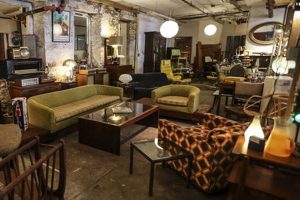
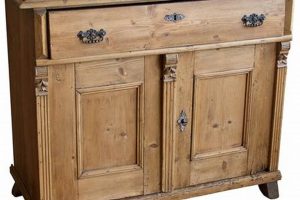
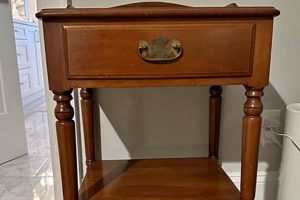
Objects crafted during the mid-20th century, specifically the 1950s, and possessing characteristics of that era’s design aesthetics, are considered prized pieces. These items often feature materials like chrome, formica, and molded plywood, reflecting the optimistic and forward-thinking spirit of the post-war period. Examples include kidney-shaped coffee tables, atomic-patterned lamps, and brightly upholstered armchairs.
These sought-after furnishings offer a tangible connection to a pivotal time in design history. Their enduring appeal stems from a combination of factors: the innovative use of materials, the emphasis on functionality paired with stylish forms, and the nostalgic evocation of a perceived golden age. Acquiring such pieces allows one to introduce distinctive character and historical depth to an interior space. The items often represent an environmentally conscious choice, promoting reuse and repurposing over the consumption of newly manufactured goods.
The subsequent sections will delve into specific design elements prevalent in this period, explore prominent designers and manufacturers, and provide guidance on identifying, restoring, and incorporating these unique and desirable objects into contemporary living spaces. The focus will be on understanding the nuances and values associated with these design items.
Acquiring and Maintaining Mid-Century Modern Furnishings
The following guidance aims to assist in the acquisition and preservation of design pieces from the 1950s. Considerations for authentication, restoration, and responsible ownership are outlined.
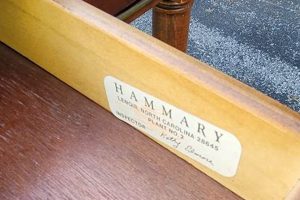
Tip 1: Authentication Requires Scrutiny. Verify the authenticity of a piece by examining manufacturer’s marks, construction techniques, and material composition. Consult reputable sources and experts when necessary. Reproductions, while sometimes visually similar, lack the inherent value and historical significance of genuine articles.
Tip 2: Preservation Prioritizes Gentle Cleaning. Employ non-abrasive cleaning agents and soft cloths to maintain the integrity of original surfaces. Avoid harsh chemicals or excessive moisture, which can damage finishes and upholstery. Regular dusting prevents the build-up of grime and protects against deterioration.
Tip 3: Upholstery Demands Specialized Care. When reupholstering, select fabrics that are historically accurate or sympathetic to the original design. Employ skilled craftspeople familiar with mid-century upholstery techniques to ensure proper fit and finish. Consider preserving original fabric when possible, even if damaged, for historical reference.
Tip 4: Restoration Should Be Minimal and Reversible. Prioritize repair over replacement. Employ restoration methods that are reversible, allowing for future alterations if necessary. Maintain detailed records of all restoration work, including materials used and techniques employed.
Tip 5: Consider Provenance and Historical Context. Research the history of a piece, including its designer, manufacturer, and original owner (if known). Provenance adds significant value and enhances the appreciation of design’s significance. Document any known history and preserve related materials, such as original receipts or catalogs.
Tip 6: Avoid Over-Restoration. Strive to preserve the character of age. A piece that is too heavily restored may lose its authenticity and value. Small imperfections and signs of wear are often desirable, reflecting the item’s history and uniqueness.
Tip 7: Responsible Sourcing is Crucial. Acquire pieces from reputable dealers, auction houses, or private collectors. Be wary of overly cheap pieces, as they may be reproductions or of poor quality. Conduct thorough research and inspect items carefully before purchase.
These guidelines emphasize the importance of informed acquisition and responsible stewardship. By adhering to these principles, one can ensure the long-term preservation and appreciation of design from the mid-20th century.
The following section will explore specific examples of exemplary design and offer insights into integrating it into contemporary living spaces.
1. Atomic Age Aesthetics and 1950s Design

The influence of the Atomic Age profoundly shaped design sensibilities of the 1950s. The anxieties and fascinations surrounding nuclear technology and space exploration manifested in distinct aesthetic characteristics across various forms of design. This influence, though subtle, permeates the visual language of design, resulting in pieces that reflected optimism alongside an undercurrent of technological apprehension.
- Starburst Motifs
The starburst motif, a common element, symbolizes the radiant energy of atomic reactions. This pattern appears in clocks, lamps, and fabric designs. It signifies the era’s fascination with the power of the atom, often presented in a stylized and optimistic manner. The starburst is a signature of items made during this time and is highly prized today.
- Asymmetrical Forms
Departing from traditional symmetry, furniture adopted asymmetrical lines and forms, mirroring the irregular shapes associated with atomic structures and cosmic phenomena. Coffee tables, chairs, and even shelving units exhibited these unconventional designs, contributing to a sense of dynamism and modernity. It was a design departure that continues to influence modern designs.
- Teardrop and Pod Shapes
Inspired by aircraft design and the burgeoning space race, teardrop and pod shapes became prevalent in furniture and accessories. These streamlined forms evoked a sense of speed, efficiency, and futuristic aspiration. Lamps, vases, and even chair backs frequently incorporated these shapes.
- Palette of Colors
The color palettes employed during this period often juxtaposed vibrant hues with more muted tones. Bold reds, yellows, and turquoise were combined with greys, browns, and blacks to create visually striking contrasts, reflecting the era’s blend of optimism and underlying anxieties. These color schemes have been recreated today to invoke mid-century feelings.
These elements collectively define the Atomic Age aesthetic and are readily identifiable in design from the 1950s. Their presence transforms functional pieces into tangible representations of a pivotal moment in history, one marked by technological advancements and societal transformations. These design characteristics are a key part of recognizing and appreciating these design elements and integrating them into today’s homes.
2. Formica and Chrome

The pairing of Formica and chrome stands as a defining characteristic, embodying the materials and manufacturing processes employed during the mid-20th century. Their prevalence reflects technological advancements and evolving consumer preferences. These materials were integral to the aesthetic and functional attributes of items produced during this period.
- Formica’s Rise as a Surface Material
Formica, a laminate composed of resin and paper, offered a durable, hygienic, and affordable alternative to traditional wood surfaces. Its resistance to heat, stains, and scratches made it ideal for kitchen countertops, tables, and other surfaces subject to heavy use. A wide array of colors and patterns further enhanced its appeal, allowing for customization and aesthetic experimentation. This adaptability solidified its place in the domestic landscape.
- Chrome’s Decorative and Structural Role
Chrome, a lustrous metal finish applied to steel, offered both decorative and structural benefits. It provided a sleek, modern aesthetic and corrosion resistance, making it suitable for furniture legs, frames, and decorative accents. The reflective quality of chrome enhanced the visual appeal and contributed to the overall sense of optimism and technological advancement associated with the era.
- Synergy of Formica and Chrome
The combination of Formica and chrome created a synergistic effect. The contrasting textures and visual properties of these materials complemented each other, resulting in visually appealing and functionally robust furniture. The sleek, modern aesthetic of chrome enhanced the practicality and affordability of Formica, making design accessible to a broader range of consumers.
- Enduring Legacy
The use of Formica and chrome in design remains a potent symbol of the mid-20th century. The materials’ durability has ensured that many pieces survive to the present day, continuing to embody the aesthetic and cultural values of their time. Their enduring presence contributes to the ongoing interest in design from the 1950s and its continued relevance in contemporary interiors.
The widespread adoption of Formica and chrome was pivotal in shaping the distinctive style, enabling designers to explore new forms and functionalities. Their integration resulted in durable, stylish, and affordable furnishings that continue to be appreciated for their design qualities and historical significance.
3. Boomerang Shapes

The boomerang shape, a distinctive curved form reminiscent of the Australian aboriginal weapon, emerged as a prominent motif, permeating various design elements and contributing significantly to the aesthetic vocabulary of the era. Its integration into pieces reflects a broader design trend towards curvilinear forms and geometric abstraction.
- Tables and Countertops
The boomerang shape found frequent application in table and countertop designs. Kidney-shaped tables, a popular variant, provided ample surface area while introducing a dynamic, asymmetrical element into living spaces. These designs often featured Formica surfaces and chrome legs, further embodying the material palette and stylistic trends of the period.
- Decorative Accents
Beyond furniture, the boomerang shape appeared in decorative accessories such as wall art, lamps, and ashtrays. These smaller elements served to reinforce the design aesthetic and create a cohesive visual language throughout the interior. The shape’s inherently dynamic quality added a sense of movement and visual interest to otherwise static objects.
- Textile Patterns
Textile designs also incorporated the boomerang shape, often in repeating patterns or abstract compositions. Curtains, upholstery, and rugs featured stylized boomerang motifs, further contributing to the integration of the shape into domestic interiors. The use of color and scale in these patterns amplified the visual impact and reinforced the overall design scheme.
- Architectural Details
In some instances, the boomerang shape even influenced architectural details. While less common, examples exist of curved walls, built-in shelving units, and other architectural elements incorporating the shape. These applications demonstrate the extent to which the boomerang shape permeated design thinking during the mid-century period.
The prevalence of the boomerang shape, whether expressed in furniture, accessories, textiles, or architectural details, serves as a visual marker of the era. Its integration reflects a design sensibility that embraced dynamism, asymmetry, and geometric abstraction. The shapes continued recognition and appreciation contribute to the enduring appeal and historical significance of pieces from the 1950s.
4. Optimistic Design
The aesthetic landscape of design from the 1950s, often characterized as optimistic, represents a distinct departure from the austerity of preceding decades. This sentiment is intrinsically linked to the post-World War II era, reflecting a renewed sense of hope, technological advancement, and burgeoning consumerism. This paradigm is vividly expressed within furnishings produced during this period.
- Embracing New Materials and Technologies
The widespread adoption of materials such as Formica, chrome, and molded plywood exemplifies the era’s eagerness to embrace innovation. These materials, often mass-produced and affordable, symbolized progress and accessibility. Furnishings incorporating these elements conveyed a sense of modernity and efficiency, resonating with the aspirations of a growing middle class.
- Bold Colors and Playful Forms
The use of vibrant colors, including turquoise, pink, yellow, and red, reflects a departure from the muted tones of earlier eras. Coupled with playful forms, such as boomerang shapes and kidney-shaped tabletops, these design choices evoked a sense of joy and exuberance. Such characteristics were particularly evident in domestic settings, transforming homes into spaces of comfort and visual stimulation.
- Space-Age Influences
The burgeoning space race and the dawn of the Atomic Age exerted a profound influence on aesthetic sensibilities. Starburst motifs, geometric abstractions inspired by atomic structures, and streamlined forms reminiscent of rockets permeated patterns. Such elements instilled a sense of forward-thinking and technological optimism into everyday items.
- Emphasis on Functionality and Convenience
Alongside aesthetic considerations, design from this period prioritized functionality and convenience. Streamlined designs, easy-to-clean surfaces, and modular furniture systems reflected a desire for efficient and comfortable living. These practical attributes aligned with the optimistic vision of a future where technology simplified daily life.
The confluence of these factors innovative materials, vibrant colors, space-age influences, and functional design collectively embodies the optimistic design prevalent in furnishings. These pieces serve as tangible representations of a transformative era, characterized by a shared belief in progress, prosperity, and the boundless potential of the future. The enduring appeal of these pieces underscores their ability to evoke a sense of nostalgia for this bygone era.
5. Durable construction

The enduring appeal of objects from the 1950s is inextricably linked to the robust construction methods and material selection employed during that period. This emphasis on durability ensured the longevity of items, contributing to their survival and subsequent valuation as “vintage 50s furniture.” The following details the salient aspects of structural integrity present in these pieces.
- Solid Wood Framing
A hallmark of quality pieces involved the utilization of solid wood frames, typically constructed from hardwoods such as maple, birch, or oak. These frames provided a stable and resilient foundation, capable of withstanding decades of use. Mortise and tenon joints, dovetail joints, and other time-tested woodworking techniques further enhanced the structural integrity of these frames. Examples include sofas, chairs, and dressers with frames built to withstand daily stress, often outlasting more modern, mass-produced counterparts. This aspect of construction contributes significantly to the sustained value and usability.
- High-Quality Upholstery Materials
Furnishings frequently featured upholstery crafted from durable, natural fibers such as wool, cotton, and linen. These materials possessed inherent resistance to wear and tear, maintaining their appearance and structural integrity over extended periods. Tight weaves and robust stitching further reinforced the upholstery, preventing sagging, tearing, and other forms of deterioration. Examples include armchairs and sofas retaining their original upholstery after decades of use, showcasing the resilience of these materials. The cost to replace or repair these fabrics is low, and they are durable enough to last without any intervention.
- Resilient Hardware and Fittings
Metal hardware and fittings, such as hinges, drawer pulls, and leg supports, were typically constructed from durable metals such as steel or brass. These materials exhibited resistance to corrosion and deformation, ensuring the long-term functionality of these components. Screws, bolts, and other fasteners were chosen for their strength and reliability, preventing loosening or breakage. Examples include dressers and cabinets with drawers that continue to function smoothly after decades of use, attesting to the quality of the hardware. They were also chosen for their aesthetic features, with the materials used shining brilliantly.
- Sturdy Table and Chair Legs
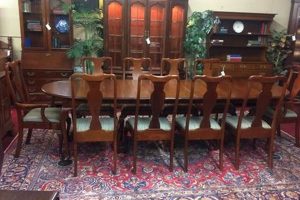
Table and chair legs were often constructed from solid wood or metal, designed to provide stable support and withstand significant weight. Tapered legs, a common design element, were typically reinforced with internal bracing or crossbars to enhance their structural integrity. Metal legs were often welded or bolted to the frame, creating a secure and long-lasting connection. Examples include dining tables and chairs that remain stable and wobble-free despite years of use, illustrating the effectiveness of these construction techniques. The design choices for chair and table legs are timeless, as seen in examples that exist today, and the durable construction adds to that.
These constructional attributes, when viewed collectively, highlight the commitment to quality and durability characteristic of design from the 1950s. The survival of numerous pieces attests to the efficacy of these methods and materials, reinforcing the desirability and value associated with “vintage 50s furniture.” The design and construction of the period were durable enough that they will continue to exist for a very long time.
Frequently Asked Questions
The following section addresses common inquiries regarding design, offering insights into authentication, care, and historical context. A thorough understanding of these aspects is essential for informed acquisition and responsible stewardship.
Question 1: How can a genuine object from the 1950s be distinguished from a reproduction?
Authenticity verification necessitates a comprehensive examination. Original pieces frequently exhibit manufacturer’s marks, specific construction techniques, and material compositions characteristic of the era. Consult reputable sources and expert appraisers to validate the item’s provenance. Reproductions, while visually similar, typically lack the inherent value and historical significance of authentic counterparts.
Question 2: What are the optimal methods for cleaning and preserving the surfaces?
Surface care requires gentle cleaning practices. Utilize non-abrasive cleaning agents and soft cloths to safeguard original finishes. Avoid harsh chemicals, excessive moisture, and prolonged exposure to direct sunlight, all of which can induce damage. Regular dusting mitigates the accumulation of grime, thereby preventing deterioration and maintaining the aesthetic appeal.
Question 3: When considering upholstery replacement, what factors should guide fabric selection?
Upholstery replacement should prioritize fabrics that align with the original design or are historically accurate. Engage skilled artisans familiar with mid-century upholstery techniques to ensure proper fit and finish. Preservation of the original fabric, even if damaged, is recommended for historical reference. Fabric choice significantly impacts the item’s aesthetic integrity and market value.
Question 4: What constitutes appropriate restoration practices for items from the 1950s?
Restoration efforts should prioritize repair over replacement whenever feasible. Employ restoration methodologies that are reversible, enabling future alterations if necessary. Maintain meticulous records detailing all restoration work, including materials employed and techniques implemented. Overtly restored pieces may diminish in authenticity and value.
Question 5: What role does provenance play in determining the value of an item?
Provenance, the documented history of ownership and origin, exerts a substantial influence on value. Research the designer, manufacturer, and prior owners to establish a comprehensive history. Preserve any documentation, such as receipts or catalogs, that corroborates the item’s past. Detailed provenance enhances appreciation and market desirability.
Question 6: How can examples be responsibly integrated into contemporary living spaces?
Integrating vintage 50s furniture into modern interiors requires careful consideration of scale, proportion, and style. Juxtapose vintage pieces with contemporary elements to create a balanced and visually compelling environment. Avoid overcrowding and ensure that the pieces complement the existing architectural features and dcor. Responsible integration elevates the space while respecting the objects’ historical context.
These answers underscore the importance of informed acquisition and diligent maintenance. Adherence to these guidelines ensures the preservation and appreciation of design from the mid-20th century.
The subsequent section will explore prominent designers and manufacturers associated with items, providing further insights into their significance.
Conclusion
This exploration of “vintage 50s furniture” has highlighted the key elements defining its enduring appeal. From Atomic Age aesthetics and the innovative use of Formica and chrome to the playful boomerang shapes and the underlying sense of optimism, these design choices reflect a specific moment in history. The commitment to durable construction further ensures that these pieces continue to resonate with contemporary audiences.
The sustained interest in design represents more than a mere trend; it signifies a deeper appreciation for craftsmanship, historical context, and enduring style. As custodians of these objects, it is incumbent upon collectors and enthusiasts to prioritize responsible acquisition, preservation, and integration into modern spaces, ensuring their continued relevance for future generations.