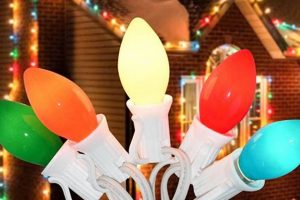
These decorative illuminations, often associated with mid-20th century holiday traditions, incorporate a small glass vial containing a liquid, typically methylene chloride or similar substance. When the bulb heats up, the liquid boils, creating the characteristic bubbling effect reminiscent of a miniature geyser within each individual light. This feature distinguishes them from standard, non-bubbling Christmas tree lights.
Their appeal stems from nostalgia and the unique visual dynamism they introduce to festive displays. These lights represent a particular era of design and manufacturing, offering a glimpse into past technological approaches to holiday ornamentation. The gentle bubbling action and warm glow contribute to a cozy and inviting atmosphere, distinct from the brighter, static lights commonly used today. Consequently, they are valued for their aesthetic qualities and historical significance.
Understanding the construction, safety considerations, and maintenance of these vintage items is essential for collectors and enthusiasts. Subsequent sections will delve into the various types, potential hazards, and proper care techniques necessary to preserve these pieces of holiday history.
Preserving Decorative Holiday Lighting
These incandescent novelties require particular attention to ensure continued functionality and safety. Adhering to the following recommendations can maximize lifespan and minimize risk.
Tip 1: Inspection is Paramount: Before each use, meticulously examine each bulb for cracks, leaks, or discoloration. Discard any damaged items immediately to prevent potential hazards.
Tip 2: Voltage Compatibility: Ensure the power source aligns with the voltage rating of the lights. Using an incompatible voltage can lead to overheating or failure.
Tip 3: Secure Placement: Securely attach the lights to the tree or display surface. Avoid placing undue stress on the wires or bulbs, which can lead to breakage or electrical shorts.
Tip 4: Limited Usage Duration: Refrain from prolonged operation. Overheating can occur with extended use, potentially damaging the bulbs or creating a fire hazard. Short, monitored periods of illumination are recommended.
Tip 5: Proper Storage: When not in use, store the lights in a cool, dry place away from direct sunlight or extreme temperatures. This will prevent degradation of the materials and extend their lifespan.
Tip 6: Consider a Timer: Implementing a timer can automate on/off cycles, reducing the risk of overheating and conserving energy.
Tip 7: Use with Caution: These are vintage electrical items. Modern safety standards may not apply. Exercise heightened vigilance when they are in operation.
By consistently implementing these preventative measures, users can mitigate risks and enjoy the aesthetic charm of these holiday decorations for years to come.
The subsequent sections will address common issues, troubleshooting techniques, and advanced preservation strategies to fully equip the user in maintaining this unique form of holiday decor.
1. Aesthetics

Aesthetics constitute a central component of the appeal inherent in vintage bubbling Christmas tree lights. Their aesthetic value transcends simple illumination, offering a unique blend of visual dynamism and nostalgic charm. The gentle, rhythmic bubbling action within each individual bulb creates a captivating display, distinct from the static glow of modern LED lights. This movement, combined with the warm, often pastel hues of the liquid within, generates a focal point of visual interest on a Christmas tree or other holiday display.
The design of the glass vials themselves further contributes to their aesthetic character. Often shaped like miniature candles, flames, or whimsical figures, these bulbs were crafted with attention to detail, reflecting the design sensibilities of their respective eras. Examples include teardrop-shaped vials with intricate etched patterns or bulbs shaped like Santa Claus or snowmen. This contrasts with the more utilitarian designs of contemporary lighting, where functionality often overshadows artistic expression. The aesthetic quality of these lights evokes a sense of warmth, history, and craftsmanship that resonates with collectors and those seeking a traditional holiday ambiance.
In essence, the aesthetic significance of vintage bubbling Christmas tree lights lies in their ability to elicit an emotional response and transport viewers to a simpler time. Their visual distinctiveness and inherent charm contribute significantly to their desirability as collector’s items and as a means of recreating the atmosphere of past holiday seasons. The continued appreciation for their unique aesthetic underlines their enduring legacy in the realm of holiday dcor.
2. Rarity

Rarity significantly influences the value and desirability of vintage bubbling Christmas tree lights. Scarcity, dictated by factors such as production volume, survival rates, and historical demand, contributes substantially to their collectibility and market price.
- Limited Production Runs
Many models were manufactured during specific periods, often utilizing materials and techniques no longer prevalent. Limited production runs mean fewer examples exist today, increasing their scarcity. Certain manufacturers or designs might have experienced shorter production cycles due to economic factors, technological advancements, or shifting consumer preferences, thus resulting in fewer available examples.
- Fragility and Attrition
Composed of glass and containing volatile liquids, these lights are susceptible to damage and leakage. Over time, many have been broken, discarded, or rendered inoperable. This natural attrition reduces the pool of surviving examples, making intact and functional sets increasingly rare. Environmental factors such as temperature fluctuations, humidity, and physical handling further contribute to their degradation.
- Specific Design or Color Variations
Certain color variations, shapes, or decorative elements were produced in smaller quantities than standard models. These variations command a higher premium among collectors due to their relative scarcity. Examples include lights with unique painted designs, unusual glass shapes, or rare liquid colors. The more distinctive the design, the more sought after it becomes.
- Historical Context and Documentation
Lights associated with specific historical events, manufacturers with unique stories, or those possessing documented provenance are considered more valuable due to their rarity. Documentation, such as original packaging, receipts, or manufacturer catalogs, can further substantiate their authenticity and increase their desirability. Lights linked to significant cultural moments or figures also benefit from increased collector interest.
The confluence of these factors underscores the significance of rarity in determining the value and collectibility of vintage bubbling Christmas tree lights. The interplay of limited production, material fragility, unique designs, and historical significance culminates in a market where scarcity directly translates to increased demand and elevated prices.
3. Liquid Composition

The operational mechanism of vintage bubbling Christmas tree lights is intrinsically linked to the composition of the liquid contained within each bulb. The liquids properties dictate the bubbling effect that defines this particular type of holiday ornamentation, influencing both its aesthetic appeal and potential safety concerns.
- Methylene Chloride Characteristics
Methylene chloride (dichloromethane) was commonly used in these lights due to its relatively low boiling point (around 104F or 40C). This allows the liquid to vaporize and create bubbles at temperatures achievable by the heat generated from the incandescent bulb. However, methylene chloride is also a volatile organic compound (VOC) with known health hazards, including potential carcinogenic effects and respiratory irritation upon prolonged or concentrated exposure. Consequently, the presence of this substance is a primary safety consideration.
- Alternative Liquid Use
While methylene chloride was prevalent, alternative liquids were sometimes employed, although less frequently. These might include other halogenated hydrocarbons or proprietary mixtures formulated to achieve similar bubbling effects. Identifying the specific liquid composition is crucial for assessing potential hazards and determining appropriate handling and disposal procedures. The type of liquid influences the intensity and frequency of the bubbling, affecting the overall visual effect of the lights.
- Degradation and Discoloration
Over time, the liquid within these bulbs can degrade due to factors such as exposure to light, heat, and air. This degradation can result in discoloration, cloudiness, or the formation of solid precipitates within the liquid. These changes not only detract from the aesthetic appeal but also indicate potential chemical instability and increased risk of leakage. Discoloration might also signify the presence of contaminants that alter the liquid’s boiling point and bubbling characteristics.
- Leakage and Environmental Hazards
Cracks or fractures in the glass vial can lead to leakage of the internal liquid, posing both health and environmental hazards. Methylene chloride, in particular, can evaporate into the air, contributing to indoor air pollution. Proper disposal of damaged bulbs is essential to prevent environmental contamination. Leaking bulbs should be handled with appropriate protective gear, such as gloves and eye protection, to minimize exposure.
In conclusion, the liquid composition is a defining characteristic of these vintage holiday lights, directly influencing their function, aesthetic properties, and safety considerations. Understanding the chemical nature of the liquid, potential degradation processes, and leakage hazards is paramount for collectors, enthusiasts, and anyone handling these potentially hazardous artifacts.
4. Glass Integrity
The structural soundness of the glass envelope in vintage bubbling Christmas tree lights is paramount to their functionality and safety. The glass serves as the primary containment vessel for the volatile liquid, typically methylene chloride, essential for creating the characteristic bubbling effect. Any compromise in the glass integrity, such as cracks, chips, or hairline fractures, directly undermines the functionality of the light and poses significant risks. A breach in the glass allows the liquid to escape, rendering the light inoperable and releasing potentially harmful vapors into the environment. For instance, a seemingly minor hairline crack, undetectable to the naked eye, can gradually propagate under the stress of thermal cycling, eventually leading to a complete fracture and subsequent leakage. This highlights the direct causal relationship between glass integrity and the operational status and safety profile of these vintage decorations.
The importance of glass integrity extends beyond preventing leakage; it also affects the thermal performance of the bulb. Intact glass ensures proper heat transfer from the filament to the liquid, facilitating the boiling process necessary for the bubbling action. Damaged glass can disrupt this heat transfer, leading to reduced bubbling intensity or complete cessation of the effect. Furthermore, the glass acts as a barrier, protecting the filament from external elements that could accelerate its degradation. Collectors and users must therefore meticulously inspect each bulb for any signs of damage prior to use. For example, gently tapping the bulb and listening for a clear ringing sound can help identify the presence of otherwise imperceptible cracks, as a damaged bulb will often produce a dull or muffled sound. Such proactive measures are crucial in preserving these vintage items and preventing potential hazards. Preserving the glass integrity can be obtained via careful storage practices. Wrapping each bulb individually minimizes the risk of contact with other bulbs or surfaces that could cause scratches or cracks.
Ultimately, the relationship between glass integrity and the overall condition of vintage bubbling Christmas tree lights is undeniable. Maintaining the structural integrity of the glass is not merely an aesthetic consideration; it is fundamental to ensuring safe operation, preserving functionality, and preventing environmental hazards. By prioritizing careful inspection, handling, and storage, individuals can significantly extend the lifespan of these unique pieces of holiday history. Any suspected damage to the glass should be treated with utmost caution, and compromised bulbs should be disposed of responsibly, adhering to local regulations for hazardous waste disposal. The preservation of glass integrity, therefore, stands as a cornerstone in the stewardship of these vintage artifacts.
5. Electrical Safety

Electrical safety is a primary concern when dealing with vintage bubbling Christmas tree lights, given their age, construction, and the potential for degradation of electrical components. Unlike modern lights manufactured with current safety standards, these older lights often lack essential safety features such as polarized plugs, fuse protection, and properly insulated wiring. Consequently, they present a heightened risk of electrical shock, fire, and related hazards. For instance, frayed or cracked insulation on the wiring can expose live conductors, creating a direct shock hazard. Similarly, the absence of a fuse means that a short circuit can lead to overheating and potentially ignite nearby combustible materials, such as dry Christmas tree needles. The inherent risks associated with these lights necessitate a meticulous assessment of their electrical condition before each use. Visual inspection should encompass a thorough examination of the wiring, sockets, and plugs for any signs of damage, deterioration, or improper modifications.
Beyond the physical condition of the lights themselves, the electrical environment in which they are used also plays a crucial role in ensuring safety. Overloading electrical circuits by connecting too many strings of lights or plugging them into extension cords that are not rated for the amperage can lead to overheating and potential fires. It is imperative to adhere to the manufacturer’s recommendations regarding the maximum number of lights that can be safely connected in series. Furthermore, the age of household wiring can also contribute to electrical hazards. Older homes may have outdated wiring systems that are not equipped to handle the demands of modern electrical devices, including vintage lights. In such cases, it is advisable to consult with a qualified electrician to ensure that the electrical system is adequate and up to code. Regular inspection and maintenance of household electrical systems are essential to prevent electrical hazards and ensure the safe operation of vintage electrical devices.
In conclusion, electrical safety is an indispensable component of responsible ownership and use of vintage bubbling Christmas tree lights. The absence of modern safety features, coupled with the potential for degradation of electrical components, necessitates a heightened awareness of potential hazards and the implementation of stringent safety precautions. Thorough inspection, adherence to manufacturer’s recommendations, and ensuring a safe electrical environment are crucial steps in mitigating the risks associated with these vintage decorations. While their nostalgic charm is undeniable, prioritizing electrical safety is paramount to preventing accidents and ensuring a safe and enjoyable holiday season.
6. Operational Temperature
The operational temperature of vintage bubbling Christmas tree lights is a critical factor governing both their functionality and longevity. The intended effect the bubbling action is directly dependent on achieving a specific temperature range within the glass vial. This temperature is sufficient to cause the liquid inside, typically methylene chloride, to vaporize and create bubbles, but not so high as to cause the bulb to overheat and potentially fail. The incandescent bulb, acting as the heat source, must reach a temperature that efficiently transfers heat to the liquid. Lower-than-expected operational temperatures might result in sluggish or nonexistent bubbling, while excessively high temperatures pose a risk of premature bulb burnout, liquid degradation, or even glass fracture. Real-life examples demonstrate this delicate balance. A bulb operating in a poorly ventilated space may overheat, leading to a shortened lifespan, while one exposed to excessive drafts might struggle to reach the required temperature for optimal bubbling. Understanding this relationship is practically significant for users seeking to maintain the lights and prevent damage.
Furthermore, variations in operational temperature can arise due to fluctuations in the line voltage or the inherent characteristics of individual bulbs. A slightly lower voltage supply might reduce the heat output of the bulb, diminishing the bubbling effect, while manufacturing inconsistencies could lead to some bulbs running hotter than others. These temperature variations can also accelerate the degradation of the liquid within the bulb, leading to discoloration or reduced bubbling performance over time. Addressing these issues may involve using voltage regulators to ensure a consistent power supply or strategically positioning the lights to minimize exposure to drafts or excessive heat sources. The choice of replacement bulbs is also crucial, as using bulbs with different wattage ratings can significantly alter the operational temperature and potentially damage the lights.
In summary, operational temperature is inextricably linked to the performance and lifespan of vintage bubbling Christmas tree lights. Maintaining the correct temperature range is essential for achieving the desired bubbling effect and preventing premature failure. Challenges associated with temperature regulation include voltage fluctuations, environmental factors, and the inherent variability of vintage components. A practical understanding of these aspects enables users to troubleshoot issues, implement preventative measures, and preserve these unique holiday decorations for extended enjoyment.
7. Historical Significance

The historical significance of vintage bubbling Christmas tree lights extends beyond their function as mere holiday decorations. They represent a tangible link to a specific era of technological innovation, cultural values, and aesthetic preferences, embodying the spirit of mid-20th century holiday traditions.
- Technological Innovation
These lights exemplify an early application of incandescent technology combined with a novel mechanical effect. Their design and manufacture showcase a specific period in electrical engineering and glassblowing techniques. The use of methylene chloride as a bubbling agent reflects available chemical technologies and prevailing safety standards of the time. These lights serve as artifacts of a particular technological trajectory.
- Cultural Reflection
The popularity of these lights mirrored post-World War II optimism and a burgeoning consumer culture. Their widespread adoption in American households signifies a shift towards more elaborate and decorative holiday displays. Advertisements and promotional materials from the era reveal societal values surrounding family, home, and celebration. They are a cultural artifact that reflects the spirit of the season.
- Design Aesthetics
The design of vintage bubbling lights reflects mid-century modern aesthetics, characterized by streamlined shapes, pastel colors, and whimsical motifs. The glass vials were often shaped like miniature candles, flames, or other festive symbols. These design elements capture the stylistic preferences of the period and offer insights into the visual culture of the time. These lights are symbols of the modern era.
- Nostalgic Appeal
For many, vintage bubbling Christmas tree lights evoke a sense of nostalgia, recalling childhood memories and family traditions. Their unique visual effect and warm glow create a sense of comfort and familiarity, connecting individuals to past holiday experiences. The enduring appeal of these lights underscores their capacity to evoke strong emotional connections and preserve a sense of continuity across generations.
The historical significance of vintage bubbling Christmas tree lights is interwoven with technological advancement, cultural shifts, design aesthetics, and emotional connections. They are not only decorative items but also cultural artifacts that offer a glimpse into the past, providing insights into the values, preferences, and technological capabilities of a bygone era. Their continued appeal lies in their ability to evoke a sense of nostalgia and connect individuals to cherished holiday memories.
Frequently Asked Questions About Vintage Bubbling Christmas Tree Lights
The following section addresses common inquiries regarding the safe handling, maintenance, and historical aspects of these vintage decorative items.
Question 1: Are vintage bubbling Christmas tree lights inherently dangerous?
These lights pose potential hazards due to their age and construction. Degradation of wiring, the presence of potentially hazardous liquids like methylene chloride, and the absence of modern safety features necessitate careful inspection and cautious operation.
Question 2: How can the presence of methylene chloride be confirmed?
Definitive identification requires laboratory analysis. However, a pungent, sweet odor emanating from a leaking bulb suggests the presence of halogenated hydrocarbons, including methylene chloride.
Question 3: What is the proper disposal method for damaged vintage bubbling Christmas tree lights?
Due to the potential presence of hazardous materials, these lights should be disposed of as hazardous waste according to local regulations. Contacting local waste management authorities is recommended for specific guidance.
Question 4: Can the liquid within these lights be refilled?
Refilling is strongly discouraged. The liquids used are often difficult to obtain, potentially hazardous, and require specialized handling. Improper refilling can create a significant safety risk.
Question 5: How often should vintage bubbling Christmas tree lights be inspected?
A thorough inspection should be conducted before each use. Wiring, sockets, bulbs, and liquid levels should be carefully examined for any signs of damage or degradation.
Question 6: Are there alternatives to using original vintage bubbling Christmas tree lights?
Modern reproductions that mimic the aesthetic of vintage lights using safer materials and updated electrical components are available. These offer a safer alternative while preserving the desired nostalgic appearance.
In summary, responsible ownership of vintage bubbling Christmas tree lights requires diligence, caution, and an understanding of their potential hazards. Prioritizing safety and proper handling is essential for preserving these unique historical artifacts.
The following section transitions into detailed troubleshooting techniques for common issues encountered with these lights.
Concluding Remarks
This exploration of “vintage bubbling christmas tree lights” has underscored the multifaceted nature of these historical artifacts. From their unique operational mechanics to their inherent safety considerations and cultural significance, these lights demand a nuanced understanding. Key aspects include material composition, electrical integrity, and responsible handling practices, all essential for preserving their historical value while mitigating potential risks.
The continued existence of “vintage bubbling christmas tree lights” presents a compelling intersection of nostalgia and caution. Their preservation requires a commitment to informed stewardship, ensuring that their legacy is maintained responsibly for future generations. The careful balance between appreciation and safety remains paramount in navigating the enduring appeal of these vintage holiday decorations.