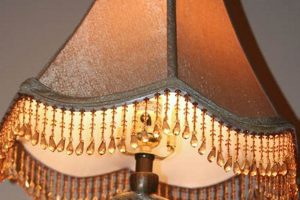
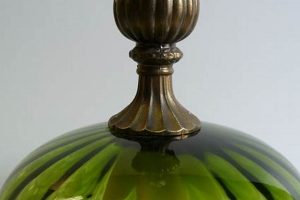
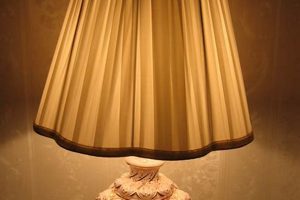
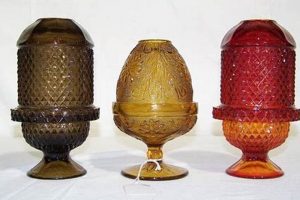
Illuminating fixtures crafted from glass imbued with a distinctive red hue, achieved through the addition of gold salts during the manufacturing process, represent a specific category of collectible lighting. These objects, often dating from the late 19th and early 20th centuries, are prized for their delicate coloration and intricate designs. A typical example might feature a ruffled shade perched atop an ornate brass base, emitting a warm, rosy glow.
The appeal of these fixtures lies in their aesthetic quality and historical significance. They offer a glimpse into past eras, reflecting the design sensibilities and technological capabilities of their time. Their presence in a room can elevate the space, adding a touch of elegance and sophistication. Furthermore, they often represent a tangible connection to the past, serving as reminders of previous owners and the stories their homes contained.
The following sections will explore the various styles and manufacturing techniques associated with these lighting pieces, as well as providing guidance on identifying authentic examples and maintaining their condition for future generations.
Acquiring and caring for antique red glass lighting requires careful consideration. These pieces represent significant investments and deserve appropriate handling to preserve their value and beauty.
Tip 1: Authenticate with Expertise. Prior to purchase, seek assessment from a qualified appraiser specializing in antique lighting. Expertise aids in verifying the age, maker, and originality of the piece.
Tip 2: Examine for Damage. Thoroughly inspect the glass for cracks, chips, or repairs. Even minor imperfections can diminish the value and structural integrity of these fixtures.
Tip 3: Assess the Metal Components. The metal framework, often brass or other alloys, should be examined for corrosion, dents, or signs of replacement. Original hardware enhances value.
Tip 4: Verify Electrical Wiring. If intending to use the fixture, have the wiring inspected and updated by a qualified electrician. Original wiring is often unsafe by modern standards.
Tip 5: Handle with Care. Due to the fragility of the glass, handle these fixtures with utmost care during transport and installation. Use padded containers and avoid applying excessive pressure.
Tip 6: Dust Regularly and Gently. Clean the glass with a soft, dry cloth to remove dust. Avoid abrasive cleaners that can scratch or damage the surface.
Tip 7: Control Light Exposure. Prolonged exposure to direct sunlight can fade the color of the glass. Position the fixture in a location with diffused or indirect light.
By following these guidelines, enthusiasts can ensure the responsible acquisition and preservation of these delicate and valuable pieces. Proper care safeguards their legacy for future generations.
The subsequent section will offer insights into restoring these fixtures to their original splendor, emphasizing conservation techniques over aggressive restoration methods.
1. Color Saturation

Color saturation, in the context of cranberry glass lighting fixtures, refers to the intensity and purity of the red hue. This characteristic is paramount in determining the value and desirability of a given piece. The depth of the red color is directly influenced by the amount of gold chloride introduced during the glassmaking process. Higher concentrations of gold yield richer, more intense shades, while insufficient amounts result in a paler, less vibrant color. For instance, a lamp exhibiting a deep, consistent ruby red throughout its glass components is generally considered more valuable than one with a diluted, pinkish tint. The practical significance of understanding color saturation lies in the ability to distinguish between authentic, high-quality examples and inferior imitations or later reproductions.
Several factors can affect the perceived saturation of color in these fixtures. Age, exposure to ultraviolet light, and improper cleaning methods can all contribute to fading or discoloration. An example is a cranberry glass lamp that was initially produced in the late 19th century, displaying a rich and saturated color when it was new, may exhibit a less intense hue after years of exposure to sunlight. Further, the thickness of the glass can play a role; thicker sections of glass tend to exhibit a deeper color saturation compared to thinner sections of identical composition. Therefore, a comprehensive assessment of color saturation requires considering these potentially confounding variables.
In conclusion, color saturation stands as a crucial indicator of quality and authenticity when evaluating vintage cranberry glass lighting fixtures. It directly correlates with the concentration of gold employed during manufacturing and significantly impacts the visual appeal and market value of the piece. While factors like age and environmental exposure can influence perceived saturation, a careful examination of this characteristic, combined with an understanding of glassmaking techniques, offers valuable insights for collectors and enthusiasts alike.
2. Glassblowing Techniques
The creation of vintage cranberry glass lamps is inextricably linked to the specific glassblowing techniques employed during their manufacture. The distinct color, achieved through the addition of gold chloride to the molten glass, necessitates precise control over temperature and timing throughout the blowing process. Varying temperatures can affect the distribution of gold within the glass matrix, resulting in uneven coloration or undesirable hues. The specific blowing techniques, such as the use of molds to create patterned shades or the free-blowing of organic shapes, directly influence the final form and aesthetic characteristics of the lighting fixture. For example, a complex, multi-layered shade likely involved multiple heating and blowing stages, requiring significant skill and experience on the part of the glassblower.
Specific techniques, such as overlay glassblowing, where a layer of cranberry glass is fused over a clear or opalescent glass base, further exemplify the connection. This technique allowed for the creation of intricate designs, such as floral patterns or geometric motifs, which are characteristic of many antique examples. Furthermore, the use of specialized tools, such as pontils (iron rods used to hold the glass during manipulation), left distinctive marks on the finished product, often visible on the base of the lamp shade. These marks, while seemingly insignificant, offer valuable clues regarding the manufacturing process and can aid in authenticating the piece. Understanding the nuances of these techniques, therefore, is essential for collectors and historians seeking to appreciate and evaluate these objects.
In summary, the glassblowing techniques employed in the creation of vintage cranberry glass lamps directly determined their color, form, and decorative elements. The mastery of these techniques, coupled with the specific chemical composition of the glass, is what distinguishes these objects from later reproductions. Appreciating the intricate relationship between technique and final product allows for a more nuanced understanding and appreciation of these valuable historical artifacts.
3. Metalwork artistry
Metalwork artistry constitutes an integral component of vintage cranberry glass lighting fixtures, functioning as more than mere support; it provides structural integrity, aesthetic enhancement, and a crucial element for dating and authentication.
- Structural Support and Design Integration
Metal frameworks, commonly crafted from brass, bronze, or iron, provide the essential structural support for the delicate glass shades. The design of the metalwork frequently complements the glass, with motifs mirroring floral patterns or Art Nouveau themes. This seamless integration of metal and glass elevates the lamp’s aesthetic appeal, demonstrating a deliberate artistic vision.
- Base and Stem Ornamentation
The lamp base and stem often exhibit intricate metalwork, featuring cast or etched details. These embellishments might include floral garlands, scrolling patterns, or figural representations. The quality and complexity of the metalwork serve as indicators of the lamp’s overall craftsmanship and value. Examples include bases with multiple tiers or elaborate filigree designs.
- Electrical Component Integration
Metal components are integral to the safe and functional integration of electrical wiring within the lighting fixture. Brass sockets and metal conduits shield the wiring, preventing potential hazards. The type and style of these metal components provide clues to the lamp’s age and original electrical configuration. Modernization of wiring requires careful attention to preserve the historical integrity of the metalwork.
- Authentication and Dating Aid
The style, materials, and manufacturing techniques employed in the metalwork can aid in authenticating and dating vintage cranberry glass lighting. Specific brass alloys or casting methods prevalent during certain periods offer valuable insights. For example, the presence of specific maker’s marks on the metal components allows for definitive attribution and dating.
In essence, metalwork artistry in these lighting fixtures is not merely functional; it is an artistic expression that complements and enhances the delicate glasswork. By carefully examining the metal components, collectors and enthusiasts can gain valuable insights into the lamp’s origin, craftsmanship, and historical significance. These insights are crucial to appreciate the antique lighting in their true and lasting value.
4. Electrical Components

Electrical components, while often overlooked, are critical to the functionality and safety of vintage cranberry glass lamps. Their presence signifies the transition of these objects from mere decorative items to functional light sources, and their condition provides valuable clues about the lamp’s history and potential need for restoration.
- Original Wiring and Insulation
The original wiring in these lamps typically consists of cloth-covered wires, which, over time, become brittle and prone to cracking. The insulation deteriorates, posing a significant fire hazard. An example would be a lamp from the 1920s with its original wiring still intact; while seemingly untouched, the wiring is likely unsafe for modern use and requires professional replacement.
- Sockets and Switches
Sockets and switches represent key elements for controlling illumination. Early sockets frequently utilized porcelain or Bakelite materials, which, while durable, can exhibit wear or damage over decades of use. Switches, often simple toggle or rotary mechanisms, can become corroded or mechanically faulty. A broken or faulty switch on such lighting can render it unusable and potentially dangerous.
- Plugs and Connectors
The plugs connecting vintage cranberry glass lamps to power outlets often reflect the electrical standards of their era. Older plugs may lack grounding features or possess outdated designs that do not conform to modern safety regulations. Using these older plugs with modern electrical systems poses a safety risk, and replacing them with grounded plugs is often necessary for safe operation.
- Lamp Holders and Fixtures
These internal metal fixtures hold the bulb and provide an electrical connection, varying based on the lamp’s age and design. Corrosion can accumulate on these pieces, interfering with the electrical current. Consider an antique lamp with a corroded fixture; cleaning or replacing the fixture is required to ensure proper and safe bulb illumination, impacting the lamp’s functionality.
The condition and authenticity of these electrical components significantly influence the value and usability of vintage cranberry glass lamps. Restoration efforts must carefully balance the preservation of original elements with the need for safe and reliable operation. Careful examination and, if necessary, professional rewiring are essential steps in appreciating and utilizing these historic lighting fixtures safely.
5. Manufacturer marks

Manufacturer marks on vintage cranberry glass lamps serve as critical indicators of origin, authenticity, and value. These marks, often subtle or discreet, provide direct links to the companies or artisans responsible for their creation. The presence or absence of a recognized mark significantly influences a collector’s ability to ascertain the age, quality, and historical context of a given piece. Without such identification, provenance becomes speculative, and the lamp’s potential value diminishes substantially. For instance, a cranberry glass lamp bearing the mark of Fenton Art Glass is immediately recognized as a product of that specific company, allowing researchers to consult Fenton’s production records and catalogs to verify its design, production period, and original market value. Conversely, a similar lamp lacking any identifiable mark presents a challenge in terms of attribution, making its appraisal more subjective and potentially reducing its collectibility.
Beyond simple identification, manufacturer marks can also reveal insights into the lamp’s construction and intended market. The presence of a paper label, for instance, suggests that the lamp was likely produced for a mass market, as paper labels were often a more economical alternative to permanently etched or molded marks. In contrast, more elaborate marks, such as deeply etched signatures or intricate molded logos, often indicate higher-quality production aimed at a more discerning clientele. Furthermore, the mark’s location and style can provide clues about the manufacturing process and the era in which the lamp was created. Early electric lamps, for example, may bear marks integrated into the metal components, while later examples may feature marks directly on the glass itself. Recognizing these subtle variations in mark placement and design can assist in distinguishing between authentic pieces and later reproductions or imitations.
In conclusion, manufacturer marks are an indispensable tool for collectors, appraisers, and historians seeking to understand and appreciate vintage cranberry glass lamps. These markings offer a direct connection to the lamp’s origins, providing verifiable evidence of its maker, age, and intended market. While the absence of a mark does not necessarily invalidate a lamp’s value, its presence significantly enhances its provenance, authenticity, and overall desirability. The careful study and recognition of these marks are therefore essential for anyone seeking to navigate the complexities of the vintage cranberry glass market and preserve the historical legacy of these illuminating artifacts.
6. Shade construction

Shade construction plays a pivotal role in determining both the aesthetic appeal and functional performance of vintage cranberry glass lamps. The specific methods employed in crafting the shade directly influence the diffusion of light, the overall visual impact, and, consequently, the desirability of the lamp within the collector’s market. For example, a shade constructed using multiple layers of glass, with varying degrees of opacity, will produce a softer, more diffused light than a single-layer shade. This characteristic is particularly important for cranberry glass, as the inherent color of the glass can result in a somewhat dim or muted illumination if not properly managed through shade design. The specific techniques, such as crimping, ruffling, or the application of enamel decorations, further contribute to the unique character of each shade, reflecting the artistic sensibilities of the manufacturer and the era in which it was created. The structural integrity of the shade is also influenced by its construction; a poorly constructed shade is more susceptible to damage and may detract from the overall value of the lamp.
The relationship between shade construction and illumination can be understood through the principles of optics. A shade with a wider aperture at the bottom will allow for greater downward projection of light, making it suitable for reading or task lighting. Conversely, a shade with a more closed or inward-curving shape will direct the light upwards, creating a softer, more ambient glow. The internal surface of the shade also plays a critical role; a reflective interior surface will maximize light output, while a matte or textured surface will diffuse the light, reducing glare. Understanding these principles allows collectors and restorers to appreciate the intended function of the shade and to ensure that any repairs or replacements maintain the original lighting characteristics. Furthermore, specific construction techniques, such as the use of heat-resistant adhesives or metal reinforcing rings, are essential for ensuring the longevity and stability of the shade.
In summary, shade construction is an integral aspect of vintage cranberry glass lamps, influencing both their aesthetic appeal and functional performance. The techniques used in creating the shade directly impact the diffusion of light, the overall visual impact, and the structural integrity of the lamp. By understanding the principles of shade construction, collectors and restorers can better appreciate the design intent of these historical artifacts and ensure their preservation for future generations. The intricate interplay between glass color, shade form, and lighting quality makes the study of shade construction a crucial element in the appreciation of these illuminated relics.
7. Rarity evaluation
The appraisal of scarcity in vintage cranberry glass lamps represents a complex process, directly influencing valuation and collectibility. Numerous factors contribute to rarity, including production volume, the duration of manufacturing, design complexity, and condition preservation. Low production numbers for specific patterns or color variations elevate a lamp’s rarity. For example, a lamp featuring a unique cranberry hue achieved through a volatile and difficult glassmaking process would inherently be rarer than a standard production model. Short production runs, often due to design flaws or economic considerations, similarly augment scarcity. An illustrative case involves a particular lamp design produced only for a single year during the Great Depression, its scarcity resulting from the economic constraints that curtailed its manufacturing.
Design intricacies and artistry play a pivotal role in rarity evaluation. Lamps incorporating elaborate hand-blown glasswork, intricate metal filigree, or unique decorative elements command higher premiums due to the limited number produced. The level of craftsmanship significantly restricts the quantity of these artisanal lamps, further adding to their scarcity. Condition is paramount: a lamp in pristine, original condition vastly outperforms a damaged or heavily restored piece, with original condition often representing the rarest state a vintage item can achieve. For example, a cranberry glass lamp retaining its original wiring, shade, and hardware, free from cracks or chips, would be deemed exceptionally rare due to the challenges in preserving such delicate items over extended periods. These items represent historical preservation.
Conclusively, the careful assessment of production volume, design complexity, and condition constitutes the core of rarity evaluation for these illuminated antiques. Understanding the relationship of these elements provides collectors and enthusiasts the information to make responsible acquisitions and to understand these beautiful lighting features. It serves as the cornerstone for informed decision-making within the vintage cranberry glass lamp market, facilitating the identification and preservation of truly exceptional and scarce artifacts.
Frequently Asked Questions
This section addresses common inquiries regarding antique red glass lighting, providing concise and authoritative answers.
Question 1: What distinguishes genuine lighting from reproductions?
Authenticity determination involves careful examination of several factors, including glass quality, manufacturing techniques, and the presence of manufacturer’s marks. Reproduction pieces frequently exhibit inconsistencies in color saturation, lack the refined craftsmanship of older examples, and may utilize modern electrical components.
Question 2: How does exposure to light impact the color of the glass?
Prolonged exposure to ultraviolet radiation can cause the glass to fade over time. Placement away from direct sunlight, or the use of UV-filtering window treatments, is recommended to mitigate color degradation.
Question 3: What cleaning methods are appropriate for vintage pieces?
Gentle dusting with a soft, dry cloth is the preferred cleaning method. Abrasive cleaners and harsh chemicals should be avoided, as they can damage the glass surface. For stubborn dirt, a mild soap solution can be used sparingly, followed by thorough rinsing and drying.
Question 4: Is it safe to use lighting with original electrical wiring?
Original wiring is frequently outdated and poses a potential fire hazard. Professional rewiring with modern components is strongly recommended prior to using the fixture.
Question 5: How can the value of such items be determined?
Valuation is based on several factors, including rarity, condition, maker, and design. Consultation with a qualified antique appraiser is advisable for accurate assessment.
Question 6: What are the key considerations for preserving the glass?
Preventive measures include avoiding extreme temperature fluctuations, handling the glass with care to prevent chipping or cracking, and storing items in a stable environment when not in use.
These FAQs provide essential information for those interested in acquiring or caring for these unique antique fixtures.
The next segment will delve into case studies of notable vintage cranberry glass lamps, illustrating key concepts discussed throughout this document.
Conclusion
This exposition has sought to illuminate the multifaceted characteristics of vintage cranberry glass lamps, encompassing their historical context, manufacturing techniques, aesthetic qualities, and preservation requirements. The distinctive red hue, achieved through the inclusion of gold salts, coupled with the artistry of glassblowing and metalwork, establishes their status as valuable artifacts reflecting specific periods in design history. The evaluation of authenticity, rarity, and condition are essential components in responsible acquisition and stewardship of these delicate objects.
The continued appreciation and diligent care of vintage cranberry glass lamps ensures their survival as tangible links to the past, offering future generations a glimpse into the artistry and craftsmanship of previous eras. Further research and careful preservation efforts are vital to safeguard the legacy and value of these historic illuminating fixtures, and to avoid the loss of history.