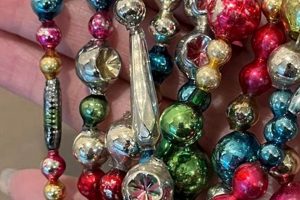
These delicate collectibles, often crafted from hand-blown or molded glass, represent a bygone era of artistry and craftsmanship. Characterized by intricate details and a wide array of forms from animals and flowers to human figures these items offer a tangible connection to past aesthetics and design trends. An example includes a Murano glass clown figurine, showcasing vibrant colors and a playful design, originating from the mid-20th century.
The significance of these objects extends beyond mere decoration. They provide insights into the manufacturing techniques prevalent during their production, reflecting the social and economic conditions of the time. Furthermore, they serve as valuable artifacts for collectors and historians, preserving cultural heritage and offering a glimpse into the artistic sensibilities of previous generations. Their appeal lies in their beauty, their historical value, and their potential as investment pieces.
Understanding the characteristics that define authenticity and assessing their condition is paramount for collectors. The subsequent sections will delve into the diverse styles, identifying marks, and preservation methods associated with these cherished items.
Acquiring and Preserving Delicate Glass Art
Navigating the world of collecting requires discernment and a commitment to preservation. The following guidance aims to assist enthusiasts in making informed decisions and ensuring the longevity of these treasured items.
Tip 1: Authenticate with Precision: Thoroughly examine potential acquisitions for manufacturer’s marks or signatures. Utilize reference materials and reputable guides to verify the piece’s origin and authenticity. A suspected Fenton piece, for example, should bear the company’s logo, often found on the base.
Tip 2: Assess Condition Meticulously: Scrutinize the piece for any signs of damage, including chips, cracks, or repairs. Minor imperfections may be acceptable depending on the piece’s age and rarity, but significant damage can substantially impact value and structural integrity. Use a magnifying glass to reveal any hidden damage.
Tip 3: Research Market Value Prudently: Before making a purchase, conduct comprehensive research to determine the fair market value. Consult auction records, dealer inventories, and online marketplaces to gauge pricing trends and avoid overpaying. Consider the rarity, condition, and provenance of the piece when evaluating its worth.
Tip 4: Handle with Utmost Care: These fragile objects require delicate handling. Always support the entire piece when lifting or moving it. Avoid grasping the piece by fragile appendages or decorative elements. Use gloves to prevent the transfer of oils and fingerprints, which can damage the surface over time.
Tip 5: Employ Safe Storage Practices: Store items in a stable, climate-controlled environment away from direct sunlight and extreme temperature fluctuations. Individual padding will avoid any friction. Consider the implementation of archival materials in the storage area.
Tip 6: Clean Gently and Infrequently: Avoid harsh chemicals or abrasive cleaners. Use a soft, lint-free cloth dampened with distilled water to gently remove dust or grime. Avoid prolonged soaking or submerging the piece in water. Never use ultrasonic cleaners on delicate items.
Tip 7: Document Your Collection Thoroughly: Maintain a detailed inventory of your collection, including photographs, descriptions, and provenance information. This documentation is essential for insurance purposes and can facilitate future appraisals or sales.
Implementing these strategies fosters a collection that withstands the test of time. The long-term value comes from care and patience.
Armed with the preceding insights, the following article segments will explore the market trends impacting the sector.
1. Craftsmanship

Craftsmanship, in the context of these collectibles, represents the defining characteristic that elevates an object from mere utility to a work of art. It embodies the skill, technique, and artistic vision invested in the creation process, significantly influencing value and desirability.
- Technique Mastery
The techniques employed in the creation process, whether hand-blowing, molding, or lampworking, significantly impact the quality and aesthetic of the final piece. Skilled artisans demonstrate mastery over these techniques, resulting in intricate details, precise forms, and flawless finishes. Examples include the complex millefiori patterns in Venetian glass or the delicate flameworked details in Victorian-era figurines.
- Artistic Vision and Design
Beyond technical skill, craftsmanship encompasses the artistic vision and design sensibility of the creator. This involves the conception of original forms, the harmonious integration of colors and textures, and the overall aesthetic appeal of the piece. Figurines created by renowned glass artists, such as Ren Lalique or Frederick Carder, exemplify the fusion of technical expertise and artistic expression.
- Attention to Detail
Meticulous attention to detail is a hallmark of superior craftsmanship. This includes the precise execution of fine details, the careful application of decorative elements, and the overall refinement of the form. Figurines that exhibit exceptional attention to detail, such as the intricate plumage of a glass bird or the delicate folds of a draped figure, are highly valued by collectors.
- Materials Quality and Handling
The quality of the glass itself and its handling during the manufacturing process contribute significantly to the final product. Skilled artisans select high-quality materials and employ techniques that minimize imperfections and maximize the brilliance and clarity of the glass. Examples include the use of lead crystal for its refractive properties or the careful annealing process to prevent cracking or shattering.
The intersection of technique mastery, artistic vision, meticulous detailing, and material selection coalesce to define the essence of craftsmanship. Assessing craftsmanship of these figurines means a thorough inspection of those facets.
2. Historical Significance
The historical significance of these collectibles lies in their capacity to reflect prevailing cultural tastes, technological advancements, and socioeconomic conditions of specific eras. Examination of these artifacts provides insight into the stylistic preferences, manufacturing processes, and societal values prevalent during their production.
- Art Nouveau Influence
The Art Nouveau era (circa 1890-1910) witnessed the creation of pieces characterized by flowing lines, organic motifs, and a celebration of nature. Figurines from this period often feature floral designs, stylized animals, and the incorporation of iridescent glass. The presence of these elements serves as a tangible representation of the Art Nouveau aesthetic and its impact on decorative arts.
- Art Deco Style
In contrast, the Art Deco period (1920s-1930s) saw a shift toward geometric forms, streamlined designs, and the use of bold colors. Figurines from this era often exhibit angular shapes, stylized representations of modern life, and the incorporation of new materials such as Bakelite. These pieces reflect the Art Deco movement’s embrace of industrial progress and its influence on decorative objects.
- Mid-Century Modern Aesthetics
The mid-20th century (1940s-1960s) brought forth a focus on functional design, simplicity, and the exploration of new materials and techniques. Figurines from this period often feature abstract forms, minimalist aesthetics, and the use of vibrant colors. These pieces reflect the mid-century modern design philosophy of blending functionality with artistic expression.
- Commemorative and Souvenir Pieces
Many such figurines served as commemorative items or souvenirs, marking significant events or representing specific locations. These pieces offer valuable insights into the historical context in which they were produced, providing visual records of past events and cultural landmarks. Examples include figurines depicting scenes from world’s fairs or commemorating royal events.
Through the lens of stylistic evolution, manufacturing techniques, and cultural representations, these figurines serve as historical documents, providing valuable information about past eras. Recognizing these historical underpinnings enhances their value as collectibles and artifacts.
3. Rarity Assessment

The evaluation of scarcity forms a cornerstone in determining the value and desirability of these collectibles. The presence of unique characteristics, limited production runs, and historical circumstances significantly impacts the rarity assessment process, subsequently influencing market demand and pricing.
- Limited Production Runs
Figurines produced in limited quantities due to specific events, short production periods, or deliberate artistic choices command higher prices. The smaller the number of pieces manufactured, the greater the perceived rarity and, consequently, the higher the potential value. Examples include items created for specific exhibitions or commemorative events with documented production limits. Documented evidence is crucial for validation.
- Unique Design Attributes
Variations in color, size, or decorative elements that deviate from standard production models contribute to the object’s uniqueness and rarity. Identifying these anomalies requires meticulous examination and comparison with known examples. Such variations can arise from experimental production runs or accidental deviations during the manufacturing process, resulting in one-of-a-kind pieces. These differences must be provable through comparison and authentication.
- Documented Provenance
A well-documented history of ownership and origin enhances the perceived value and desirability of a piece. Traceable lineage to a prominent collector, historical event, or renowned manufacturer adds an element of exclusivity and historical significance, further increasing its rarity. Accurate records are key for authenticating claims and enhancing the piece’s market appeal.
- Condition Relative to Age
The preservation state of a figurine, considering its age and fragility, significantly influences its rarity. Pieces in pristine condition, free from chips, cracks, or repairs, are rarer than those exhibiting damage or wear. This factor particularly affects items crafted from delicate materials or those susceptible to environmental damage, therefore, items well-preserved represent an anomaly.
The interplay of limited production, unique design attributes, documented provenance, and preservation significantly impacts the rarity evaluation of these collectibles. These factors must be methodically assessed to determine accurately the market valuation and desirability of such items.
4. Material Composition

Material composition is a critical factor in the assessment of these collectibles, influencing not only their aesthetic qualities but also their durability, value, and authenticity. Understanding the types of glass used, the additives incorporated, and the manufacturing techniques employed provides valuable insights into a piece’s origin, age, and potential worth.
- Lead Crystal Content
The presence and proportion of lead oxide (PbO) significantly impacts the optical properties of glass. Higher lead content increases refractive index, resulting in greater brilliance and sparkle. Figurines crafted from lead crystal, particularly those produced in the 20th century, are often prized for their superior light transmission and visual appeal. Analyzing the lead content through specific gravity testing can aid in determining the quality and origin of a piece.
- Colorants and Additives
Various metallic oxides and other additives are employed to impart color and unique visual effects to glass. Cobalt oxide produces blue hues, manganese dioxide yields purple tones, and gold chloride creates ruby-red shades. The use of specific colorants, often associated with particular eras or manufacturers, can assist in dating and identifying a figurine. Iridescent finishes, achieved through the application of metallic salts, are also common and can influence a piece’s value depending on the quality and rarity of the effect.
- Glass Manufacturing Techniques
The method of glass production, whether hand-blown, molded, or pressed, affects the material’s density, clarity, and surface texture. Hand-blown figurines often exhibit slight variations and imperfections that add to their unique character, while molded pieces tend to have greater uniformity. Recognizing the distinct characteristics associated with each manufacturing technique is essential for accurate identification and appraisal.
- Presence of Impurities and Defects
The presence of impurities, such as air bubbles or inclusions, and defects, such as stress cracks or surface flaws, can impact the structural integrity and visual appeal. While minor imperfections may be acceptable in older, hand-crafted pieces, significant defects can diminish a figurine’s value and desirability. Evaluating the overall condition of the material, considering its age and fragility, is crucial for assessing its worth.
In conclusion, the careful analysis of material composition, encompassing lead content, colorants, manufacturing techniques, and the presence of imperfections, is paramount for collectors and enthusiasts seeking to understand and appreciate these collectibles. These factors not only influence their aesthetic qualities but also serve as valuable indicators of their origin, age, and overall value within the collector’s market.
5. Design Aesthetics

Design aesthetics significantly influence the value, collectibility, and historical importance of these figurines. These aesthetic elements dictate visual appeal and reflect the artistic movements and cultural sensibilities of the periods in which they were created. A figurine’s design, encompassing form, color palette, and decorative motifs, is a primary factor in its initial appeal to collectors and enthusiasts. The stylistic choices made by the artisan or manufacturer directly reflect the prevailing artistic trends of the era, establishing a visual link to historical and cultural contexts. For example, a figurine displaying the flowing lines and organic forms characteristic of the Art Nouveau style serves as a tangible representation of that artistic movement. Its aesthetic qualities become intertwined with its historical value.
Understanding design aesthetics enables collectors to identify and appreciate the nuances that distinguish different styles and periods. Recognition of characteristic features, such as the geometric patterns of Art Deco or the minimalist forms of Mid-Century Modern, facilitates accurate attribution and valuation. This knowledge also informs preservation efforts, ensuring that cleaning and restoration techniques are appropriate for the specific materials and design features of each figurine. Furthermore, awareness of design principles promotes informed collecting strategies, enabling individuals to focus on specific styles, manufacturers, or thematic representations that align with their personal preferences and collecting goals. Appreciating the visual vocabulary enables collectors to discern quality and authenticity.
Design aesthetics are inseparable from the historical and cultural significance of these objects. The careful analysis of aesthetic elements reveals insight into artistic movements, technological advancements, and social values, enriching appreciation and informing collecting practices. Challenges exist in interpreting design influences definitively, requiring interdisciplinary knowledge and access to historical resources. However, a deep understanding of design aesthetics enhances our ability to connect with the past through these artifacts, preserving their beauty and cultural relevance for future generations.
6. Collector Market

The collector market serves as the dynamic arena where the value, desirability, and preservation of these collectibles are determined. This market encompasses various participants, including individual collectors, dealers, auction houses, and museums, each contributing to the overall ecosystem that sustains interest in and appreciation for these delicate objects.
- Demand Drivers and Trends
The dynamics of supply and demand significantly influence the market value of these figurines. Factors such as rarity, historical significance, artistic merit, and condition contribute to the desirability of specific pieces. Shifts in collector preferences, economic conditions, and the emergence of new collecting niches can create fluctuations in market trends. For example, renewed interest in Art Deco figurines may lead to increased demand and higher prices for pieces from that era. Analyzing auction results, dealer inventories, and online marketplaces provides insights into current market trends and demand drivers.
- Valuation and Pricing Mechanisms
Establishing accurate valuations is essential for both buyers and sellers in the collector market. Various methods are employed to determine the fair market value of these collectibles, including appraisal services, auction records, comparable sales data, and expert opinions. Factors such as condition, authenticity, provenance, and rarity are considered when assessing the value of a figurine. Pricing mechanisms vary depending on the venue, with auctions often relying on competitive bidding, while dealers typically set fixed prices based on their expertise and market knowledge.
- Distribution Channels and Networks
The collector market relies on diverse distribution channels to connect buyers and sellers. These channels include brick-and-mortar antique shops, specialized glass galleries, online marketplaces, auction houses, and collector clubs. Each channel offers unique advantages and disadvantages in terms of accessibility, selection, pricing, and authentication. Online platforms have expanded the reach of the market, allowing collectors worldwide to participate in the buying and selling of these figurines. However, the reliance on digital images and descriptions necessitates careful scrutiny to ensure authenticity and condition.
- Preservation and Conservation Practices
The long-term preservation of these figurines is a shared responsibility among collectors, dealers, and institutions. Proper handling, storage, cleaning, and restoration techniques are essential for maintaining the condition and value of these delicate objects. Conservation professionals play a crucial role in repairing damaged pieces and preventing further deterioration. Collectors often invest in specialized display cases, archival materials, and insurance policies to protect their collections. Preservation efforts contribute to the overall sustainability of the collector market by ensuring that these objects remain accessible and appreciated for generations to come.
The collector market, with its intricate network of demand drivers, valuation methods, distribution channels, and preservation practices, serves as the lifeblood of these collectibles. Understanding the dynamics of this market is crucial for collectors, dealers, and enthusiasts seeking to navigate the buying, selling, and preservation of these delicate works of art.
Frequently Asked Questions
The following questions address common inquiries and misconceptions regarding collecting, identifying, and preserving these objects. These answers aim to provide clear and factual guidance to collectors and enthusiasts.
Question 1: How does one differentiate between genuine vintage glass figurines and modern reproductions?
Authenticating such items requires meticulous examination. Assess the glass quality, scrutinizing for imperfections indicative of older manufacturing processes. Examine the design for elements specific to the historical period. Research the manufacturer’s marks and compare them to established references. Consult with experts to validate the piece’s authenticity.
Question 2: What are the primary factors that influence the valuation of such figurines?
Valuation hinges upon several key factors. Rarity significantly impacts the price, with limited-edition or unique pieces commanding higher values. Condition is paramount; damage, even minor, reduces value. Provenance, or the documented history of ownership, adds to the piece’s desirability. Market demand and the reputation of the manufacturer also play crucial roles.
Question 3: What are the best practices for cleaning and preserving these collectibles without causing damage?
Preservation necessitates gentle methods. Avoid harsh chemicals or abrasive cleaners. Employ a soft, lint-free cloth dampened with distilled water to remove dust. Handle items with care, wearing gloves to prevent the transfer of oils. Store figurines in a stable environment, away from direct sunlight and temperature fluctuations.
Question 4: Are there specific manufacturers or designers whose figurines are particularly sought after by collectors?
Certain manufacturers and designers hold significant appeal within the collector market. Lalique figurines from the Art Deco era command high prices due to their intricate designs and historical significance. Steuben pieces, known for their exceptional clarity and craftsmanship, are also highly coveted. Murano glass figurines, particularly those from renowned Venetian workshops, attract considerable interest.
Question 5: How does one establish the provenance of these figurines, and why is it important?
Establishing provenance requires meticulous research. Seek original sales receipts, certificates of authenticity, or historical records documenting the piece’s ownership. Consult with auction houses and archival institutions to trace its history. Provenance enhances value by confirming authenticity, establishing historical context, and adding to the piece’s desirability.
Question 6: What are the common pitfalls to avoid when buying or selling these collectibles?
Buyers must exercise caution to avoid purchasing reproductions or misrepresented pieces. Thorough research, expert consultation, and careful examination are essential. Sellers should accurately describe the item’s condition and provenance, providing detailed documentation to support their claims. Transparency and ethical practices are crucial for maintaining trust within the collector market.
Understanding these considerations is vital for informed participation in the collecting of these collectibles. Diligence and research are essential for successful and rewarding ownership.
The upcoming section will delve into the legal and ethical aspects of collecting.
Conclusion
This exploration of vintage glass figurines has illuminated the multifaceted aspects of their appeal and significance. From understanding their composition and craftsmanship to navigating the complexities of the collector market, a comprehensive view of these collectibles has been presented. Factors of historical context, rarity assessment, and preservation techniques have been underscored as critical elements in appreciating their enduring value.
Continued engagement with these delicate artifacts requires a commitment to informed acquisition and responsible stewardship. Maintaining the integrity of these cultural objects ensures their availability for future generations. Sustained research and ethical collecting practices will safeguard these items for continued cultural and artistic study.