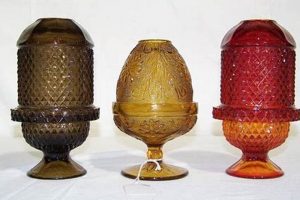
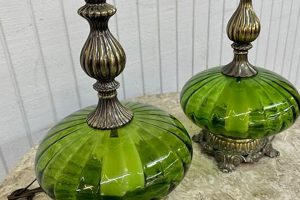
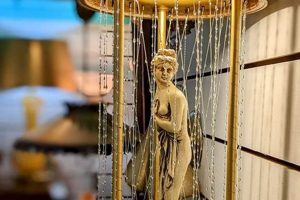
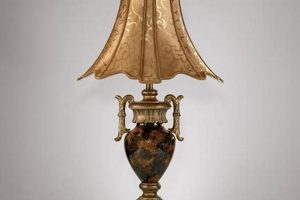
These antique lighting components, often crafted from glass or other translucent materials, served as protective covers for light sources while simultaneously diffusing and shaping illumination. Examples include decorative shades from the Art Deco period, intricately patterned Victorian-era fixtures, and simple, functional shades from mid-century modern designs.
Their significance extends beyond mere functionality; they represent distinct periods of design and manufacturing, offering insight into past aesthetics and technologies. The preservation of these items allows for the restoration of period-appropriate lighting, maintaining the historical integrity of buildings and furnishings. Moreover, they add a unique character and charm to modern spaces, providing an alternative to contemporary lighting solutions.
The following sections will delve into the identification, valuation, restoration, and display of these historically significant and aesthetically pleasing lighting accessories.
Essential Considerations for Acquiring and Maintaining Antique Lighting Fixtures
The acquisition and preservation of antique lighting fixtures requires careful consideration to ensure both their authenticity and longevity. The following guidelines are provided to assist individuals in navigating the complexities of this specialized field.
Tip 1: Verify Authenticity. Thoroughly research the manufacturer’s marks, production dates, and material composition of a potential purchase. Consult reputable guides and expert appraisers to avoid reproductions or misrepresented items.
Tip 2: Assess Structural Integrity. Carefully examine the item for cracks, chips, or structural weaknesses in the glass or mounting hardware. Minor imperfections may be acceptable, but significant damage can compromise safety and value.
Tip 3: Evaluate Electrical Components. Antique electrical wiring is often deteriorated and poses a fire hazard. It is imperative to have all wiring inspected and replaced by a qualified electrician before use.
Tip 4: Consider Compatibility. Ensure that the item is compatible with the intended setting and electrical system. Voltage, wattage, and mounting requirements should be carefully considered to prevent damage or malfunction.
Tip 5: Proper Cleaning Protocols. Utilize appropriate cleaning methods and materials to avoid damaging delicate surfaces. Abrasive cleaners or harsh chemicals can permanently mar the finish of antique glass.
Tip 6: Secure and Proper Display. Display antique lighting fixtures in a secure location, away from direct sunlight, excessive moisture, and potential impact hazards. Stable mounting hardware is essential to prevent accidental falls.
Tip 7: Document Provenance. Maintain detailed records of purchase, restoration, and provenance. This documentation enhances the item’s value and provides important historical context.
Adherence to these guidelines will help ensure the responsible acquisition, preservation, and enjoyment of these valuable historical artifacts.
The subsequent sections will explore the diverse styles and historical periods associated with antique lighting, providing a more in-depth understanding of this fascinating subject.
1. Material Composition

The material from which a vintage lighting fixture is constructed directly influences its aesthetic qualities, light diffusion properties, durability, and, consequently, its value and historical significance.
- Glass Types
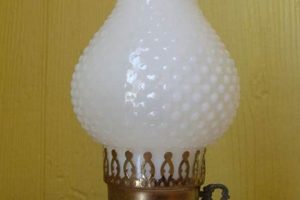
Different glass formulations, such as lead crystal, milk glass, or colored glass, were employed for distinct visual effects. Lead crystal, known for its clarity and brilliance, was often used in high-end fixtures. Milk glass, an opaque white glass, provided soft, diffused light and was popular in the late 19th and early 20th centuries. Colored glass, achieved through the addition of metallic oxides, added vibrancy and character to designs. The selection of glass type reflects the design aesthetics of a particular era and the intended function of the lighting.
- Manufacturing Techniques
The methods used to shape and treat the glass impact its texture, clarity, and overall appearance. Hand-blown glass, characterized by subtle imperfections and unique characteristics, signifies a higher level of craftsmanship. Pressed glass, produced using molds, allowed for mass production and intricate detailing. Etched or frosted glass surfaces were created through acid treatments or sandblasting, enhancing light diffusion and adding decorative elements. These manufacturing techniques provide clues to the item’s origin and age.
- Durability and Preservation
The material composition directly influences the long-term durability and preservation requirements. Certain glass types, such as lead crystal, are more susceptible to damage from improper handling or cleaning. Exposure to ultraviolet light can cause discoloration or degradation in some materials. Understanding the specific characteristics of the glass is essential for implementing appropriate cleaning and storage protocols to ensure its longevity.
- Impact on Valuation
Rarity, condition, and provenance, factors are related to the glass’s original composition, all affect an object’s monetary worth. Pieces made of rare or specialized glass command higher prices. Items in pristine condition, exhibiting minimal signs of wear or damage, are more desirable to collectors. Clear documentation of its history and origins further enhances its value and authenticity.
The interplay between the materials utilized and the crafting methods employed shapes the distinctive character of vintage lighting fixtures. By understanding these nuances, collectors and enthusiasts can more effectively appreciate and preserve these historical objects.
2. Era of Origin

The era of origin profoundly influences the design, materials, and functionality of antique lighting fixtures. Each historical period contributed distinct aesthetic sensibilities and technological advancements, leaving an indelible mark. Examining a lighting fixtures design motifs, construction techniques, and materials provides crucial insights into its approximate age and cultural context. For example, a lighting component featuring geometric patterns and streamlined forms likely originates from the Art Deco period, while one adorned with elaborate floral motifs and handcrafted details suggests a Victorian-era provenance. Understanding the era is paramount to correctly identifying the item and appreciating its significance.
Further, the historical context impacts valuation and restoration. A fixture from a period of significant artistic innovation or limited production may command a higher price. Restoring a lighting fixture to its original condition necessitates understanding the materials and techniques employed during its period of manufacture. Employing modern materials or inappropriate restoration methods can compromise the object’s authenticity and diminish its value. Knowledge of the era allows for informed decisions regarding conservation and preservation, ensuring the item retains its historical integrity.
In summary, determining the era of origin is not merely an academic exercise; it is fundamental to appreciating, valuing, and preserving antique lighting fixtures. The era provides a lens through which to understand the design, manufacturing processes, and historical context, enabling informed stewardship of these tangible remnants of the past. Recognizing the era’s influence mitigates the risk of misidentification and inappropriate restoration, safeguarding the artifact’s cultural and economic value.
3. Decorative Style

Decorative style constitutes a critical element in the identification, valuation, and appreciation of vintage lighting fixtures. The stylistic characteristics reflect the aesthetic preferences and design trends prevalent during the fixture’s period of manufacture, offering valuable insights into its origin and cultural context.
- Art Deco Geometry
Art Deco, flourishing in the 1920s and 1930s, emphasized geometric forms, streamlined shapes, and luxurious materials. Lighting fixtures from this era often feature stepped designs, angular motifs, and stylized representations of natural elements. Materials such as chrome, Bakelite, and geometric glass are common. An Art Deco lighting component adds a touch of glamour and sophistication to modern spaces, embodying the elegance of the Jazz Age.
- Victorian Ornamentation
Victorian designs, spanning the mid to late 19th century, favored intricate ornamentation, elaborate detailing, and a romanticized aesthetic. Fixtures from this period are often adorned with floral motifs, scrolling patterns, and figural representations. Materials such as brass, etched glass, and colored glass were frequently employed. Lighting fixtures can add historical interest and visual richness to interiors, showcasing the craftsmanship of the Victorian era.
- Mid-Century Modern Simplicity
Mid-Century Modern, popular from the 1940s to the 1960s, embraced simplicity, functionality, and clean lines. Lighting fixtures from this era typically feature minimalist designs, organic shapes, and a focus on natural materials. Materials such as wood, metal, and frosted glass were commonly used. A Mid-Century Modern lighting fixture lends a sense of understated elegance and timeless appeal to contemporary settings, reflecting the design principles of modernism.
- Art Nouveau Naturalism
Art Nouveau, prominent from the late 19th century to the early 20th century, drew inspiration from natural forms, emphasizing flowing lines, organic shapes, and botanical motifs. Lighting fixtures from this period often feature representations of flowers, leaves, and insects. Materials such as glass, bronze, and enamel were frequently used. These lighting fixtures evoke a sense of whimsy and artistic expression, capturing the essence of nature-inspired design.
The decorative style provides a key to unlocking the historical significance and artistic value. The aesthetic qualities offer a tangible connection to the past, enriching our understanding and appreciation of lighting design history.
4. Light Diffusion
The primary function of these components, beyond mere protection of the light source, resides in their capacity to modify and distribute illumination. Light diffusion, the process by which light is scattered and softened, is critically dependent on the material composition, surface texture, and shape of the shade. Opaque materials, such as milk glass, yield a broad, even distribution of light, minimizing harsh shadows and glare. Conversely, transparent or lightly frosted glass allows for greater light transmission while still reducing the intensity of the direct beam. The specific requirements of a given space or application dictate the most suitable level of diffusion. For example, reading lamps typically benefit from a focused, direct light, whereas ambient lighting often requires a more diffused and generalized illumination.
The design and manufacturing of the item were influenced by the prevailing technologies and aesthetic preferences of the period. Early electric lighting often utilized clear or lightly frosted glass to maximize output, reflecting the limitations of early bulb technology. As lighting technology advanced, manufacturers explored a wider range of glass formulations and surface treatments to achieve more nuanced and controlled light diffusion. Examples include the use of colored glass to create atmospheric effects, and the development of specialized coatings to reduce glare and improve color rendering. The selection and manipulation of these properties was a key factor in defining the functionality and aesthetic appeal.
Understanding the principles of light diffusion, as they relate to historical lighting accessories, is essential for both restoration and contemporary application. Replacing with an incorrect type can significantly alter the character of a vintage fixture and compromise its intended functionality. Furthermore, knowledge of these properties enables the informed selection of vintage components for modern lighting schemes, ensuring both aesthetic compatibility and optimal illumination performance. Therefore, careful consideration of diffusion characteristics is vital for preserving the authenticity and maximizing the utility of vintage lighting solutions.
5. Fixture Compatibility
The concept of fixture compatibility is paramount when dealing with vintage lighting accessories. Compatibility, in this context, refers to the degree to which a specific component integrates seamlessly with the intended lighting fixture, both mechanically and electrically. A lack of compatibility can lead to aesthetic incongruity, functional impairment, or, in severe cases, safety hazards. For instance, attempting to install a shade designed for a screw-in fitter onto a fixture with a bayonet mount would be a clear mechanical incompatibility. Similarly, using a shade constructed from a material unsuited to the heat output of the bulb could result in cracking or discoloration. The pursuit of authentic restoration or the creative repurposing of these components mandates meticulous attention to dimensional accuracy, mounting mechanisms, and material properties.
Beyond purely mechanical considerations, electrical compatibility is crucial. Vintage fixtures often utilized wiring systems and socket types that differ significantly from modern standards. The use of an incompatible component could overload the electrical circuit, posing a fire risk. Furthermore, the shade material must be chosen to withstand the heat generated by the light source; improper selection can lead to premature degradation or even combustion. Consider the example of attempting to use a delicate, fabric-covered shade with a high-wattage incandescent bulb; the excessive heat could damage the fabric, creating a potential fire hazard. Therefore, a thorough assessment of electrical specifications and material properties is essential before attempting any installation.
In conclusion, the successful integration of vintage lighting components hinges upon a comprehensive understanding of fixture compatibility. Addressing these concerns ensures not only the preservation of the item’s aesthetic integrity but also the safety and functionality of the overall lighting system. The careful consideration of mechanical and electrical parameters mitigates the risk of damage, fire, or electrical shock, allowing for the safe and enjoyable appreciation of these historical artifacts. Prioritizing this understanding ensures responsible restoration and sustainable use of these unique items.
6. Condition Assessment
Condition assessment plays a pivotal role in the evaluation of vintage lighting accessories. The physical state directly impacts its value, authenticity, and safe operational potential. Pre-existing flaws, like cracks, chips, or discoloration, stemming from age, environmental factors, or improper handling, diminish both aesthetic appeal and structural integrity. For instance, a milk glass shade exhibiting extensive yellowing due to prolonged exposure to ultraviolet light presents a significantly reduced market value compared to a well-preserved example. Careful inspection identifies existing damage, thus informing decisions about restoration, conservation, or potential usage. It allows the collector to judge if the damage will affect the function of the object
Moreover, accurate condition assessment influences restoration strategies. Minor imperfections may be deemed acceptable, preserving the artifact’s historical character, while significant structural damage necessitates professional intervention. Attempting to repair a cracked glass shade without the proper expertise can cause further damage, irreversibly diminishing its value. Understanding the nature and extent of any damage allows for the selection of appropriate restoration techniques and materials, ensuring the preservation of the piece’s authenticity and longevity. For example, the use of an inappropriate adhesive on a leaded glass shade could compromise the structural integrity of the lead and damage the surrounding glass.
In conclusion, condition assessment is an indispensable step in the acquisition, preservation, and utilization. A thorough evaluation provides insights into the item’s history, informs appropriate restoration strategies, and determines its market value. Recognizing and documenting existing damage safeguards both the artifact and the investment, enabling informed decisions regarding its future care and use, while understanding the effect of any damage in the fixture’s overall purpose as lighting component.
7. Valuation Factors
The monetary worth of antique lighting shades is subject to a complex interplay of variables collectively termed “Valuation Factors.” These factors, acting independently and in concert, dictate the market price of a particular item, reflecting its rarity, condition, historical significance, and aesthetic appeal. Rarity, influenced by production volume and survival rate, exerts a considerable influence. A shade produced in limited quantities or one with a low survival rate commands a higher premium than a more common design. The “Pansy” shade crafted by Tiffany Studios serves as an example; due to its intricate craftsmanship and relatively low production numbers, it typically attains significantly higher values than simpler, mass-produced shades from the same era. Conversely, mass produced shades would be valued as a general material in today market
Condition, assessed by evaluating the presence of cracks, chips, discoloration, and repairs, directly impacts value. A pristine example commands a significantly higher price than one exhibiting extensive damage. Restorations, while potentially enhancing the item’s visual appeal, can paradoxically diminish its value if not executed in a historically sensitive manner. Furthermore, the shade’s historical provenance and association with a renowned designer or manufacturer can substantially increase its worth. The documented ownership of a shade by a prominent historical figure or its inclusion in a significant collection enhances its desirability among collectors. Additionally, current market trends and collector preferences exert a dynamic influence on valuation. A shade that aligns with contemporary design tastes or is actively sought after by collectors will command a higher price.
The assessment of these items necessitates a comprehensive understanding of these diverse valuation factors. Accurate appraisal demands a keen eye for detail, a thorough knowledge of historical context, and an awareness of current market dynamics. In the end, proper appraisal of the price may assist a person when trading or disposing vintage lamp globes.
Frequently Asked Questions
The following section addresses common inquiries and misconceptions surrounding these components of lighting fixtures, offering concise and authoritative answers based on established knowledge.
Question 1: How can one accurately determine the age of a vintage lamp globe?
The age can be approximated by examining manufacturing marks, design characteristics, and material composition. Researching historical lighting catalogs and consulting with antique appraisers can provide further insight.
Question 2: What are the primary differences between hand-blown and machine-made lamp globes?
Hand-blown examples often exhibit subtle imperfections and variations in thickness, while machine-made examples typically display greater uniformity and precision. Examining the presence of mold lines can aid in differentiation.
Question 3: What cleaning methods are suitable for vintage lamp globes?
Gentle cleaning with mild soap and water is generally recommended. Abrasive cleaners and harsh chemicals should be avoided, as they can damage delicate surfaces. Always test cleaning solutions on an inconspicuous area first.
Question 4: How should damaged vintage lamp globes be repaired or restored?
Restoration should be undertaken by experienced professionals specializing in antique glass repair. Improper repair attempts can further damage the item and diminish its value.
Question 5: What are the key factors influencing the value of vintage lamp globes?
Rarity, condition, historical provenance, and aesthetic appeal are the primary determinants of value. Demand within the collector market also plays a significant role.
Question 6: Are reproduction lamp globes readily available, and how can they be distinguished from originals?
Yes, reproductions are common. Examining manufacturing marks, material quality, and design details can help differentiate them. Consulting with experts is advisable when authenticity is critical.
In summary, identifying, preserving, and valuing lighting fixtures requires careful attention to detail, historical knowledge, and expert consultation.
The subsequent section explores resources available for further research and education on the subject of antique lighting.
Conclusion
This exploration has illuminated key aspects pertaining to vintage lamp globes, from their material composition and era of origin to their decorative styles, light diffusion properties, fixture compatibility, condition assessment, and valuation factors. Comprehending these elements enables informed decisions regarding acquisition, restoration, and appreciation.
The ongoing preservation of vintage lamp globes secures a tangible connection to lighting design history and offers an avenue for maintaining historical accuracy in interior design. The insights provided serve as a resource for collectors, restorers, and anyone seeking to integrate these pieces of the past into the present, ensuring their continued relevance and value.