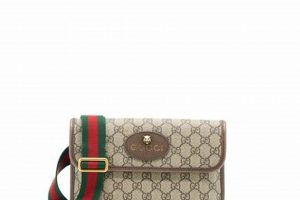
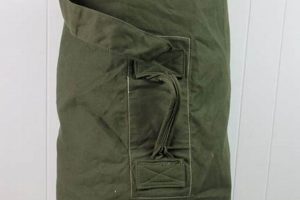
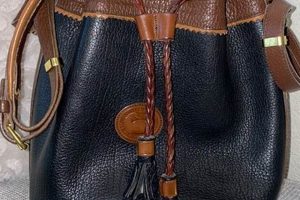
These pre-owned carriers, crafted by the renowned French fashion house, were designed to protect and transport clothing in style. They represent a tangible piece of the brand’s heritage, embodying both functionality and luxury. These items, often featuring the iconic monogram canvas or signature leather detailing, offer a glimpse into the evolution of travel accessories and the enduring appeal of classic design.
The significance of owning such a piece lies in its unique combination of rarity, craftsmanship, and historical value. These items were originally purchased as functional luggage, but time transforms them into collectible artifacts. Moreover, these vintage pieces represent a commitment to sustainable practices, offering an alternative to purchasing new items and reducing environmental impact. Their enduring construction and timeless design ensure continued utility and aesthetic appeal for generations.
The subsequent sections will delve into the characteristics that define these sought-after items, focusing on aspects like identifying authentic examples, assessing their condition, and understanding their potential value in the current market. Information on proper care and storage will also be provided to ensure the longevity of these treasured possessions.
Essential Considerations for Acquiring Pre-Owned Louis Vuitton Garment Carriers
Acquiring a pre-owned Louis Vuitton garment carrier requires careful assessment to ensure authenticity, condition, and value. The following guidelines provide a framework for making informed decisions.
Tip 1: Verify Authenticity Markers: Scrutinize the item for consistent stitching, symmetrical monogram placement, and correct font usage on heat stamps. Familiarize yourself with the brand’s date code system to determine production year and location. Compare the item to known authentic examples.
Tip 2: Assess Material Condition: Evaluate the canvas, leather trim, hardware, and lining for wear and tear. Examine for cracks, stains, or damage that might compromise structural integrity. Note any repairs or alterations that have been made.
Tip 3: Inspect Hardware Details: Authentic pieces feature high-quality brass hardware with precise engravings and a consistent finish. Verify the functionality of zippers, clasps, and buckles. Replace non-original or damaged hardware to maintain authenticity and functionality.
Tip 4: Evaluate Interior Condition: Carefully inspect the interior lining for stains, tears, or odors. Mold or mildew indicates improper storage and may be difficult to remedy. Consider professional cleaning or restoration for heavily soiled interiors.
Tip 5: Research Market Value: Investigate recent sales of comparable items to establish a fair market price. Consider factors such as condition, rarity, and provenance when assessing value. Consult with reputable appraisers or vintage dealers for expert opinions.
Tip 6: Consider Storage History: Understanding how the item was stored impacts its current condition. Items stored in climate-controlled environments tend to fare better than those exposed to temperature fluctuations or humidity.
Tip 7: Review Seller Reputation: Purchase from reputable sources with established track records for selling authentic pre-owned luxury goods. Review seller feedback and authentication policies before committing to a purchase. Request additional photos and documentation if necessary.
Adhering to these guidelines will aid in securing an authentic item that represents a worthwhile investment. Diligence in these areas mitigates the risk of acquiring a counterfeit or misrepresented piece.
The subsequent sections will examine the maintenance and preservation of these valued acquisitions.
1. Authenticity Markers

The verification of authenticity is paramount when considering the acquisition of pre-owned carriers from the esteemed French fashion house. A thorough examination of authenticity markers is essential to mitigate the risk of acquiring counterfeit items. Discrepancies in these indicators can significantly impact the value and collectibility of these vintage accessories.
- Date Codes
Date codes, typically alphanumeric, denote the production period and location. These codes evolved over time; understanding the chronological progression of these codes is crucial. Inconsistencies in the format, font, or placement of the date code raise red flags, suggesting potential inauthenticity. For example, a date code inconsistent with the bag’s purported era indicates a likely fabrication.
- Monogram Alignment
The alignment and symmetry of the monogram pattern are indicative of genuine craftsmanship. The iconic symbols must be consistently positioned, particularly across seams and closures. Misalignment or asymmetry often denote lower-quality materials and manufacturing processes characteristic of counterfeit items. The absence of mirrored symmetry on symmetrical parts suggests a non-authentic origin.
- Stitching Quality
Genuine carriers exhibit uniform and robust stitching. Stitch density, thread color, and the overall neatness of the seams are critical indicators. Uneven or broken stitches, loose threads, or variations in stitch length point to substandard manufacturing practices and are indicative of potential inauthenticity. Authentic items showcase meticulous attention to detail in every stitch.
- Hardware Markings
Hardware components, such as zippers, clasps, and buckles, bear distinct markings, including brand logos and country-of-origin stamps. These markings must be crisp, clear, and consistent with the brand’s established standards. Blurred or poorly defined markings, variations in font or logo design, or the absence of expected stamps suggest the item is not genuine. Examining the details on hardware helps to expose deviations from established practices.
These authenticity markers provide a multi-faceted approach to validating these items. Diligent scrutiny of date codes, monogram alignment, stitching quality, and hardware markings is critical for collectors and enthusiasts seeking to acquire authentic pieces. Mastery of these verification techniques safeguards against potential deception and ensures the acquisition of a genuine artifact from this luxury brand.
2. Canvas Condition

The condition of the canvas is a primary determinant of value and desirability in pre-owned carriers from the French fashion house. The iconic monogram or Damier canvas, a hallmark of the brand, is susceptible to various forms of degradation over time. Assessing the canvas condition is crucial for evaluating authenticity, structural integrity, and overall aesthetic appeal.
- Cracking and Crazing
Prolonged exposure to environmental factors, such as humidity and temperature fluctuations, can lead to cracking and crazing of the coated canvas. These surface imperfections diminish the visual appeal and compromise the protective qualities of the material. Extensive cracking can indicate improper storage or excessive wear, reducing the garment bag’s value and longevity. The presence of widespread cracking often signals an advanced stage of deterioration, affecting structural stability.
- Staining and Discoloration
Canvas is vulnerable to staining from various sources, including ink, water, and other liquids. Discoloration can occur due to prolonged exposure to sunlight or contact with certain materials. Severe staining can be challenging to remove and may permanently alter the canvas appearance. The presence of noticeable stains significantly impacts the garment bag’s aesthetic appeal and resale value, requiring careful consideration during evaluation.
- Tears and Abrasions
Physical damage, such as tears and abrasions, compromises the canvas integrity and functionality. Tears can occur along seams or in areas subjected to stress. Abrasions can result from friction against other surfaces. These types of damage reduce the garment bag’s protective capacity and detract from its overall aesthetic. Repairing tears and abrasions may be possible, but it is crucial to assess the quality and durability of any repairs.
- Monogram Fading
Over time, the printed monogram or Damier pattern on the canvas may exhibit fading, particularly in areas exposed to frequent handling or sunlight. Fading diminishes the visual clarity of the iconic design, affecting the garment bag’s overall appeal. The degree of fading can vary depending on the age, usage patterns, and storage conditions. Significant fading diminishes the garment bag’s value and collectibility, impacting its desirability among enthusiasts.
These factors underscore the significance of thoroughly evaluating the canvas condition. Careful inspection for cracking, staining, tears, and monogram fading provides critical insights into the pre-owned carrier’s overall health and value. A comprehensive understanding of these elements enables informed decisions when acquiring a vintage piece, ensuring satisfaction and preserving the item’s long-term value.
3. Hardware Integrity

Hardware integrity is a critical factor in evaluating the condition and authenticity of vintage garment bags from the esteemed French fashion house. The quality and condition of the hardware componentsincluding zippers, clasps, buckles, and rivetsdirectly impact the functionality, aesthetic appeal, and overall value of these sought-after accessories. Deterioration or replacement of original hardware can significantly diminish the bag’s historical accuracy and collectibility.
- Zippers and Closures
Functional zippers and closures are essential for securing the contents of the garment bag and maintaining its intended purpose. Original zippers, often branded with the fashion house’s logo or a distinctive pull design, must operate smoothly and securely. Broken or missing zipper teeth, damaged pulls, or malfunctioning closures compromise the bag’s utility and detract from its aesthetic value. Replacements, particularly those of inferior quality or incorrect style, can detract from the bag’s authenticity.
- Buckles and Clasps
Buckles and clasps, typically made of brass or other durable metals, serve to fasten straps and secure compartments. These components should exhibit minimal wear, corrosion, or breakage. The presence of green verdigris (copper oxidation) on brass hardware indicates exposure to moisture and improper storage, which can weaken the metal structure. Missing or damaged buckles and clasps compromise the bag’s functionality and aesthetic integrity. Original hardware often bears subtle markings or engravings that are difficult to replicate, making them valuable indicators of authenticity.
- Rivets and Reinforcements
Rivets provide structural reinforcement at stress points, such as handle attachments and strap connections. Loose, missing, or corroded rivets weaken the bag’s construction and can lead to further damage. Original rivets are typically made of high-quality metal and feature a specific design that aligns with the brand’s aesthetic. The presence of non-original rivets or signs of amateur repairs can detract from the bag’s value and authenticity.
- Branding and Engravings
Authentic hardware often bears subtle branding elements, such as engraved logos, country-of-origin stamps, or serial numbers. These markings must be crisp, clear, and consistent with the brand’s established standards. Blurred, incomplete, or inconsistent markings suggest the item is not genuine. Furthermore, the absence of expected branding elements, particularly on key hardware components, raises concerns about authenticity.
The overall integrity of the hardware components is a crucial factor in assessing the value and authenticity of vintage garment bags. Diligent examination of zippers, buckles, rivets, and branding elements provides valuable insights into the bag’s condition, originality, and potential investment value. Preserving the original hardware and addressing any functional issues with appropriate repairs maintains the bag’s historical accuracy and aesthetic appeal.
4. Interior Cleanliness

The state of the interior is a critical factor in assessing the overall condition and value of vintage garment bags from the celebrated French fashion house. Beyond mere aesthetics, the cleanliness of the interior directly impacts the item’s hygiene, preservation, and collectibility. Contamination and neglect within can lead to irreversible damage and devaluation.
- Odor Contamination
The presence of lingering odors, such as those from perfumes, smoke, or mold, significantly diminishes the desirability of these vintage pieces. Absorbed odors are often difficult to remove completely, requiring professional intervention that may still yield incomplete results. Such contamination suggests improper storage conditions and can deter potential buyers, impacting the item’s market value. The long-term presence of odors may also indicate underlying issues like mildew, further complicating restoration efforts.
- Stain Assessment
Stains resulting from spills, leaks, or the storage of soiled items can permanently mar the interior lining. Ink stains, cosmetic residue, or food-related spills require specialized cleaning techniques to minimize damage. The severity and nature of the staining influence the feasibility of restoration. Heavy or widespread staining diminishes the aesthetic appeal and may compromise the integrity of the lining material. The presence of extensive stains indicates neglect and lowers the item’s perceived value.
- Lining Integrity
The condition of the interior lining directly reflects the overall care and preservation of the garment bag. Tears, abrasions, or disintegration of the lining material compromise its protective function and detract from the item’s aesthetic value. The presence of loose threads or deteriorating seams indicates wear and tear, necessitating professional repair. Maintaining the lining’s integrity ensures the longevity of the garment bag and preserves its historical value. Neglect of the lining can lead to irreversible damage, diminishing its collectibility.
- Debris Accumulation
The accumulation of dust, dirt, and miscellaneous debris within the interior indicates a lack of regular maintenance. These particles can abrade the lining material over time, contributing to wear and tear. Debris also provides a breeding ground for mold and mildew, particularly in humid environments. Thorough cleaning is essential to remove accumulated debris and prevent further damage. Neglecting debris accumulation compromises the interior’s hygiene and diminishes the garment bag’s overall appeal.
These factors collectively underscore the importance of interior cleanliness in maintaining the value and longevity of these vintage accessories. Addressing odor contamination, assessing stain damage, preserving lining integrity, and preventing debris accumulation are essential steps in ensuring the item’s continued appeal and historical significance. Proactive maintenance and careful storage contribute to preserving the interior in a pristine state, safeguarding its value for future generations.
5. Storage History

The manner in which a pre-owned garment bag from the French fashion house was stored significantly impacts its present condition and, consequently, its value. Prolonged exposure to direct sunlight can cause fading of the canvas and discoloration of leather trim. Similarly, storage in humid environments promotes the growth of mold and mildew, which can damage the interior lining and impart a persistent, unpleasant odor. Conversely, garment bags kept in climate-controlled environments, away from direct light and humidity, tend to retain their original aesthetic and structural integrity, thereby commanding higher valuations in the resale market. For example, a monogram canvas garment bag stored in an attic for decades may exhibit significant fading and mildew damage, whereas an identical bag kept in a collector’s climate-controlled closet is likely to present in far superior condition.
Understanding the storage history allows potential buyers to assess the extent of potential damage and the feasibility of restoration. A garment bag with a known history of careful storage reduces the risk of hidden issues, such as dry rot or unseen mold growth, which can significantly detract from its long-term value. Conversely, a lack of information about storage conditions necessitates a more rigorous inspection process, including close examination of seams, linings, and hardware for signs of deterioration. This understanding informs pricing negotiations and influences the decision to invest in professional restoration services. Knowledge of storage history also guides the owner in selecting appropriate preservation techniques, such as using breathable storage bags and employing desiccant packets to control moisture levels.
In summary, the storage history is an indispensable factor in evaluating pre-owned garment bags from this brand. It directly correlates with the item’s condition, authenticity, and market value. While complete storage records are often unavailable, even anecdotal information regarding past storage environments can provide valuable insights. Rigorous assessment, combined with informed preservation strategies, enables both buyers and owners to mitigate potential risks and maximize the long-term value of these vintage pieces. The challenge remains in accurately assessing storage conditions when documented history is lacking, necessitating expertise in identifying signs of environmental damage.
6. Market Valuation

The market valuation of pre-owned garment bags from the French fashion house is a complex process influenced by various tangible and intangible factors. Understanding these elements is crucial for buyers, sellers, and collectors seeking to navigate the vintage luxury market effectively.
- Condition Assessment
The physical condition of the garment bag is a primary determinant of its market value. Factors such as the integrity of the canvas, the presence of staining or tears, and the functionality of hardware components directly impact the item’s desirability. A garment bag in pristine condition, free from significant defects, will command a higher price than a comparable piece exhibiting signs of wear and tear. For example, a vintage monogram garment bag with minimal scuffing and fully functional zippers may fetch several hundred dollars more than a similar bag with noticeable canvas damage.
- Rarity and Scarcity
Rarity significantly influences the market valuation. Limited edition releases, discontinued models, and garment bags produced with unique materials often command premium prices due to their scarcity. Collectors actively seek out rare examples, driving up demand and, consequently, market value. For instance, a garment bag from a limited collaboration with a renowned artist may be valued at several times the price of a standard production model from the same era.
- Authenticity Verification
Verified authenticity is paramount in establishing market value. Potential buyers must be confident that the garment bag is a genuine product of the French fashion house. Authentication services and expert appraisals play a vital role in confirming authenticity and providing documentation that supports the item’s provenance. Counterfeit items have negligible market value and can result in significant financial losses. Therefore, a confirmed authentication dramatically increases the perceived and actual value of a garment bag.
- Market Trends and Demand
Prevailing market trends and collector demand influence market valuation. Fluctuations in the popularity of vintage luxury goods and shifts in consumer preferences can impact prices. Economic conditions and seasonal trends may also affect demand. Monitoring auction results, online marketplaces, and dealer inventories provides insights into current market trends. Garment bags aligned with current fashion trends or exhibiting characteristics highly sought after by collectors will generally command higher prices.
These interconnected factors collectively determine the market valuation of pre-owned garment bags. A comprehensive understanding of condition, rarity, authenticity, and market trends empowers buyers and sellers to make informed decisions and navigate the complexities of the vintage luxury market. The interplay of these elements shapes the dynamic pricing landscape and influences the overall desirability of these iconic accessories.
7. Rarity/Collectibility

The appeal of these vintage carriers extends beyond mere functionality; it resides significantly in their rarity and collectibility. Certain models, due to limited production runs, unique materials, or historical significance, acquire heightened value among enthusiasts.
- Limited Edition Releases
Garment bags produced in limited quantities, often as part of collaborations or special collections, possess inherent rarity. These releases typically feature unique designs, materials, or embellishments not found in standard production models. Their limited availability elevates their collectibility, as enthusiasts seek to acquire pieces that represent a specific moment in the brand’s history. An example would be a garment bag created in collaboration with a renowned artist, where the design incorporates the artist’s signature style and is available only for a short period.
- Discontinued Models
Garment bag models that are no longer in production gradually become more difficult to obtain, increasing their rarity. Over time, as existing examples wear out or are lost, the remaining pieces become more valuable to collectors. A discontinued model may represent a specific design era or technological innovation that is no longer reflected in current production. Collectors often seek these discontinued models to complete their collections or to own a piece of the brand’s past that is no longer accessible through retail channels.
- Material Variations and Prototypes
Garment bags crafted from atypical materials, or those that represent prototype designs never commercially released, hold considerable appeal for collectors. These pieces provide insight into the design process and represent unique expressions of the brand’s creativity. A garment bag utilizing a rare leather or an experimental canvas treatment demonstrates a deviation from standard production and enhances its collectibility. Such variations showcase the brand’s willingness to explore innovative materials and techniques, appealing to collectors interested in the company’s artistic evolution.
- Bespoke and Custom Pieces
Garment bags produced as bespoke or custom orders for specific clients are inherently rare due to their unique specifications. These pieces often incorporate personalized details, monograms, or specific material preferences not available in standard models. Their individualized nature increases their collectibility, particularly if the original owner was a notable figure or celebrity. The historical significance and personalized aspects of these bespoke pieces elevate their value beyond that of mass-produced items, making them highly sought after by collectors.
These facets underscore how rarity and collectibility contribute significantly to the enduring appeal and valuation of vintage garment bags. The limited availability, unique characteristics, and historical significance of certain models transform them from functional items into coveted collectibles, representing a tangible connection to the brand’s legacy.
Frequently Asked Questions
This section addresses common inquiries concerning these pre-owned luxury items. Information provided aims to clarify aspects of authenticity, condition, care, and valuation.
Question 1: How can the authenticity of a vintage garment bag be definitively established?
Authentication involves scrutiny of several factors. These include date codes, monogram alignment, stitching quality, and hardware markings. Comparison with known authentic examples and professional authentication services provide further verification.
Question 2: What are the primary indicators of canvas degradation in pre-owned garment bags?
Common signs of canvas degradation include cracking, crazing, staining, discoloration, and fading of the monogram pattern. Physical assessment of these factors helps determine the item’s condition and potential for restoration.
Question 3: What steps should be taken to mitigate mold and mildew growth in vintage garment bags?
Preventive measures include storing the garment bag in a climate-controlled environment with low humidity. The use of desiccant packets can further reduce moisture levels. Regular inspection and cleaning are essential.
Question 4: How does hardware replacement impact the valuation of a vintage garment bag?
Replacement of original hardware, particularly with non-authentic components, typically diminishes the item’s value. Maintaining original hardware, or sourcing authentic replacements, preserves historical accuracy and collectibility.
Question 5: What are the recommended methods for cleaning the interior lining of a vintage garment bag?
Gentle cleaning with a soft cloth and mild detergent is recommended for surface stains. Professional cleaning services offer specialized techniques for removing stubborn stains and odors without damaging the lining material.
Question 6: How do market trends influence the valuation of vintage garment bags?
Market trends, including collector demand and fashion preferences, significantly impact valuation. Monitoring auction results, online marketplaces, and dealer inventories provides insights into current market conditions and potential price fluctuations.
Careful assessment and authentication processes remain paramount when acquiring or valuing vintage items. Consulting experts and referencing reputable resources ensures informed decision-making.
The subsequent section provides guidance on the proper maintenance and long-term preservation of these treasured possessions.
Vintage Louis Vuitton Garment Bags
This exploration has illuminated the critical aspects defining vintage Louis Vuitton garment bags. From authenticity markers and condition assessments to storage history and market valuation, a nuanced understanding is paramount. The interplay of rarity, material integrity, and historical context dictates an item’s enduring appeal and financial significance.
The custodianship of these artifacts demands diligence. Whether a seasoned collector or a new enthusiast, the responsible acquisition and preservation of these items safeguards a tangible piece of design history. Careful attention to detail ensures that these iconic carriers continue to embody the legacy of luxury and craftsmanship for generations to come.