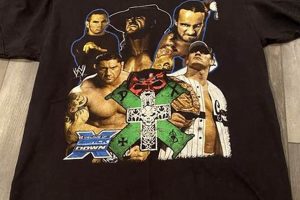
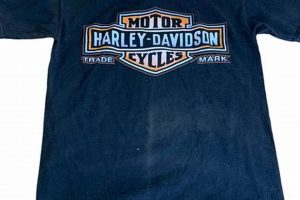
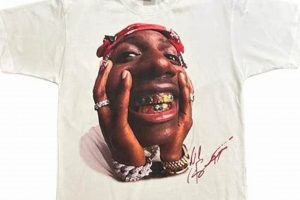
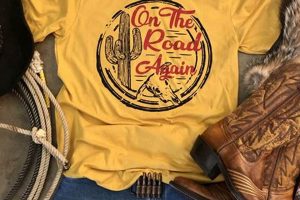
Apparel featuring graphics and designs associated with skateboarding culture from past eras represents a distinct category of clothing. These items often reflect the styles, brands, and artistic expressions prevalent during specific periods in the sport’s history, such as the 1970s, 1980s, and 1990s. Examples include screen-printed tees bearing the logos of now-defunct skateboard companies or designs featuring iconic skateboarders of the time.
The appeal of such garments lies in their connection to a significant cultural movement and their embodiment of a particular aesthetic. They serve as tangible artifacts of skateboarding’s evolution, providing insights into its trends and subcultural values. Collectors and enthusiasts value these items for their rarity, historical significance, and ability to evoke nostalgia.
The following sections will delve deeper into the identifying characteristics, collecting considerations, and cultural impact surrounding apparel from skateboarding’s past.
Acquiring Skateboarding-Related Apparel from Previous Decades
Navigating the market for apparel that represents skateboarding’s past requires careful assessment. Authentication and condition are paramount.
Tip 1: Examine Graphic Integrity. Original screen prints display a level of detail and texture difficult to replicate accurately. Inspect for inconsistencies, pixelation, or bleeding, which may indicate a reproduction.
Tip 2: Verify Tag Authenticity. Original tags provide crucial information regarding manufacturer, fabric content, and era of production. Research common tag styles used by prominent skateboarding brands during specific periods.
Tip 3: Assess Fabric Quality. The type and weight of the fabric can offer clues about the garment’s age and authenticity. Vintage shirts often utilized specific cotton blends or knit structures that differ from modern materials.
Tip 4: Evaluate Seam Construction. Pay attention to the stitching methods used in the garment’s construction. Single-stitch seams, common in older shirts, are less frequently employed in contemporary apparel production.
Tip 5: Scrutinize Print Registration. Multi-color screen prints from the past may exhibit slight imperfections in registration, where the individual colors are not perfectly aligned. These minor flaws can be indicative of authentic vintage production methods.
Tip 6: Research Brand History. Familiarity with the history of prominent skateboarding brands, including their logo variations and design trends, is essential for identifying genuine articles.
Tip 7: Consult Expert Opinions. Seek guidance from knowledgeable collectors or appraisers specializing in vintage apparel for accurate authentication and valuation.
Implementing these measures provides a greater chance of securing authentic items and avoiding misrepresented merchandise.
The article will now proceed to explore related aspects of collecting apparel from skateboarding history.
1. Authenticity
The authenticity of apparel bearing skateboarding-related designs from previous decades is paramount in determining its intrinsic and market value. This authenticity stems from the garment’s original production during a specific historical period and its verifiable connection to the skateboarding subculture of that era. Inauthentic items, such as reproductions or modern interpretations of vintage designs, lack this inherent historical connection, diminishing their appeal to collectors and enthusiasts. For example, a screen-printed t-shirt claiming to be from the 1980s but manufactured with modern materials and printing techniques possesses no authentic historical value, regardless of the accuracy of the design.
Verification of authenticity typically involves a multi-faceted approach. Examination of the garment’s construction, including stitching and fabric composition, can provide clues to its age and origin. Comparison with known examples of authentic vintage apparel from the same era is crucial. Specifically, the presence of single-stitch seams, common in older garments but less frequently used in modern apparel production, can serve as an indicator of potential authenticity. Furthermore, scrutiny of the manufacturer’s tag is essential. Vintage tags often feature specific fonts, logos, and manufacturing information that can be cross-referenced with historical records to confirm legitimacy. Discrepancies in these details raise concerns about the garment’s provenance.
In summary, the authentication process for apparel connected to skateboarding’s past requires meticulous attention to detail and a thorough understanding of historical production methods and materials. The presence of verifiable historical characteristics is critical for establishing authenticity and determining the garment’s true value within the collecting community. Failure to adequately assess authenticity can lead to misrepresentation and financial loss. The significance of authenticity underscores the need for careful examination and expert consultation when acquiring items of this nature.
2. Graphics

Graphics constitute a defining element of apparel related to skateboarding’s history. These visual representations serve as a primary means of identifying the era, brand, and subcultural associations of a particular garment.
- Brand Logos
Logos of now-defunct or historically significant skateboard companies are frequently featured on such apparel. These logos, often stylized to reflect the aesthetic trends of their respective eras, serve as immediate identifiers. Examples include the Powell Peralta “Skull and Sword” or the Vision Street Wear logo, each instantly recognizable to enthusiasts and indicative of a specific period in skateboarding’s evolution. These logos are primary marks of the brands they represent.
- Skater Imagery
Images of professional skateboarders, either photographs or stylized illustrations, are common graphic elements. These images often depict skaters performing signature tricks or endorsing specific products. The presence of a particular skater’s image can increase the value and desirability of a garment, particularly if the skater is a highly influential figure. For example, a shirt featuring an image of Tony Hawk during his prime is a prime representation.
- Artistic Styles
The artistic styles employed in the graphics reflect prevailing design trends of the period. This can range from the bold, cartoonish graphics of the 1980s to the more grunge-influenced aesthetics of the 1990s. These stylistic choices provide insight into the broader cultural influences shaping skateboarding at the time. The visual language of the era permeates the designs, adding a layer of cultural context.
- Slogans and Catchphrases
Slogans and catchphrases associated with skateboarding culture are frequently incorporated into graphic designs. These slogans often convey a sense of rebellion, individuality, or humor, reflecting the countercultural ethos of skateboarding. The integration of these phrases enhances the garment’s authenticity and its appeal to those familiar with the skateboarding subculture.
The diverse range of graphic elements present on apparel related to skateboarding’s past offers a valuable window into the sport’s history and cultural impact. The specific combination of logos, skater imagery, artistic styles, and slogans contributes to the unique identity and collectability of each garment.
3. Fabric

The textile composition of skateboarding-related garments from previous decades serves as a critical indicator of age, authenticity, and durability. Fabric choice directly influenced the comfort, functionality, and aesthetic of these items, reflecting both prevailing manufacturing practices and the specific needs of skateboarders. The selection of materials, therefore, holds significant implications for collectors and historians seeking to understand the evolution of skateboarding apparel. For instance, heavier-weight cotton blends were common in the 1980s, offering greater abrasion resistance during skateboarding activities. The specific weave and finish of these fabrics also contributed to the overall visual appearance, often characterized by a more substantial, textured feel compared to contemporary lightweight synthetics.
Furthermore, the degradation of fabric over time provides valuable insights into the garment’s history and usage. Fading, staining, and wear patterns can indicate the conditions under which the apparel was worn and stored. Analyzing the type and extent of these imperfections can assist in verifying the garment’s age and authenticity, distinguishing it from modern reproductions that may lack the same level of natural aging. Moreover, the specific dyes and printing techniques employed on fabrics from different eras can offer additional clues about their provenance. For example, certain dyes used in older screen-printing processes may exhibit unique chemical properties or color variations that are not found in modern equivalents. Knowledge of these details is essential for accurately assessing the historical significance and value of skateboard shirts.
In conclusion, the study of textile composition and condition is indispensable for evaluating skateboarding-related apparel from previous decades. Understanding the relationship between fabric type, manufacturing techniques, and the effects of time provides a more complete picture of the garment’s history and authenticity. This knowledge empowers collectors and enthusiasts to make informed decisions, ensuring the preservation and appreciation of these tangible artifacts of skateboarding culture. Recognizing the materiality of these garments ultimately enhances the understanding of skateboarding’s cultural development.
4. Condition

The physical state of garments related to skateboarding’s past wields significant influence over their desirability and valuation. This element encompasses diverse factors, from the presence of wear and tear to the preservation of original features.
- Fabric Integrity
The structural soundness of the material directly affects value. Tears, holes, and excessive thinning degrade the garment’s integrity. For instance, a shirt with significant rips or fraying will be less desirable than one with minimal damage. The presence of original fabric ensures authenticity.
- Print Quality
The vibrancy and clarity of screen-printed graphics are essential considerations. Fading, cracking, or peeling of the design diminishes the aesthetic appeal and historical accuracy. A well-preserved graphic enhances the shirt’s value. A sharp, unblemished graphic increases market worth.
- Staining and Discoloration
The presence of stains or discoloration impacts the overall presentation. Stains from sweat, dirt, or other substances detract from the garment’s desirability. Uniform fading due to age can be acceptable, but uneven discoloration is generally undesirable. Discoloration affects collector appeal.
- Alterations and Modifications
Any alterations or modifications from the original design can significantly reduce value. This includes resizing, the addition of patches, or changes to the neckline. Original, unaltered garments are generally preferred by collectors. Alterations depreciate value.
These factors collectively determine the condition of skateboarding-related apparel from previous decades. Each aspect contributes to the overall appeal and market value, underscoring the importance of careful evaluation and preservation. Therefore, these condition elements are fundamental valuation metrics.
5. Era
The historical period during which a skateboard shirt was produced exerts a considerable influence on its aesthetic, cultural significance, and collectability. Understanding the distinct design trends, brand affiliations, and subcultural values associated with each era is essential for accurately assessing and appreciating apparel from skateboarding’s past. Each era contributes distinct characteristics.
- 1970s: The Dawn of Skateboarding Apparel
The 1970s marked the emergence of skateboarding as a defined subculture, and early apparel reflected this nascent identity. Shirts from this era often feature simple designs, such as screen-printed logos of pioneering skateboard manufacturers and skate shops. Color palettes tended to be earth-toned or muted, reflecting the broader aesthetic trends of the decade. For example, a t-shirt bearing the logo of a long-defunct California skate shop from 1978 would be highly sought after for its historical significance. This era establishes a foundational style.
- 1980s: The Rise of Bold Graphics and Brand Identity
The 1980s witnessed a surge in skateboarding’s popularity, accompanied by the proliferation of increasingly elaborate and colorful graphic designs. Bold typography, cartoonish imagery, and neon color schemes became hallmarks of the era. Prominent skateboard brands, such as Powell Peralta and Vision Street Wear, established strong brand identities through their distinctive apparel designs. A vintage Powell Peralta “Bones Brigade” t-shirt from the mid-1980s exemplifies this era’s flamboyant aesthetic and cultural impact. This decade is noted for vibrant designs.
- 1990s: Grunge, Streetwear, and Subcultural Fragmentation
The 1990s witnessed a diversification of skateboarding styles and subcultures, reflected in the emergence of more understated and streetwear-influenced apparel designs. Grunge aesthetics, including distressed textures, faded colors, and band-inspired graphics, gained prominence. Smaller, independent skateboard brands began to challenge the dominance of established companies. A plain black t-shirt featuring a minimalist logo of a 1990s independent skate brand is representative. Subcultures influence style choices.
- 2000s: The Blurring of Lines
The early 2000s saw a fusion of previous styles, with elements of 1980s boldness juxtaposed with the understated aesthetic of the 1990s. Screen printing techniques allowed for more complex designs, often incorporating photographic imagery. Skateboarding began to merge with other subcultures, resulting in apparel that blurred the lines between streetwear, music, and art. Collaboration pieces became prevalent, and logos sometimes became more streamlined and corporate. Apparel began to reflect the cross-pollination of cultures.
In summary, the historical period profoundly influences the design, cultural significance, and collectability of skateboard shirts. The distinct aesthetic trends, brand affiliations, and subcultural values associated with each era provide a valuable framework for understanding and appreciating these tangible artifacts of skateboarding’s past. These shirts act as markers of past cultures.
6. Rarity
The scarcity of skateboard shirts from previous decades is a primary driver of their desirability and value within collecting circles. Several factors contribute to this rarity, including limited production runs, the ephemerality of fashion trends, and the attrition caused by wear, damage, or disposal over time. A shirt produced in a small quantity for a specific event or promotion, or one featuring a design that was only available for a limited time, inherently possesses a higher degree of rarity than a mass-produced item. This scarcity directly translates to increased demand among collectors seeking to acquire unique and historically significant pieces. For example, a promotional shirt given away at a skateboarding competition in the 1980s, with only a few hundred ever made, will invariably command a premium compared to a readily available retail shirt from the same era.
The preservation of these shirts further impacts their rarity. Garments that have been well-maintained and protected from the elements are far less common than those that have suffered from wear, staining, or fading. The condition of a shirt, combined with its original production quantity, determines its overall rarity and collectability. A shirt in pristine condition from a limited production run represents a highly sought-after item, potentially fetching significant sums at auction or private sale. Conversely, a heavily worn or damaged shirt, even if originally rare, will be less desirable to collectors. Furthermore, the cultural cachet associated with certain brands or skaters can elevate the rarity of specific shirts. For example, a shirt featuring a design by a renowned skateboard artist or bearing the signature of a legendary skater will be more valuable due to its connection to these influential figures.
In summary, the rarity of skateboard shirts from the past is a complex interplay of limited production, historical context, preservation, and cultural significance. Recognizing the factors that contribute to a shirt’s scarcity is crucial for collectors seeking to acquire valuable and authentic pieces. Understanding these dynamics allows for informed purchasing decisions and a greater appreciation of the historical and cultural importance of these garments within the skateboarding subculture. Navigating this space requires deep historical understanding of particular brands and the culture surrounding them.
Frequently Asked Questions About Apparel from Skateboarding’s Past
The following addresses common inquiries regarding the acquisition, authentication, and preservation of garments associated with skateboarding culture’s history.
Question 1: How can one differentiate between a genuine “vintage skateboard shirt” and a modern reproduction?
Authentication involves scrutinizing several features. Examine the fabric composition, stitching techniques (e.g., single-stitch seams), and manufacturer’s tag for characteristics consistent with the era of production. Compare the graphic design to known examples from the period, paying attention to printing methods and color palettes. Modern reproductions often lack the subtle imperfections and wear patterns found in authentic items.
Question 2: What factors contribute to the value of such apparel?
Value is determined by a combination of factors, including rarity, condition, historical significance, and brand recognition. A shirt from a limited production run featuring a design by a well-known skateboard artist or bearing the logo of a historically important skateboard company will generally command a higher price. Pristine condition further enhances value.
Question 3: Where are reputable sources for acquiring authentic examples?
Reputable sources include established vintage clothing stores specializing in sportswear or streetwear, online marketplaces with a strong emphasis on verification and authentication, and auction houses that deal in historical collectibles. It is crucial to research the seller’s reputation and review their return policies before making a purchase.
Question 4: What are the key considerations when storing and preserving this type of apparel?
Proper storage is essential for preserving the condition and value of these items. Store the shirts in a cool, dry environment away from direct sunlight, which can cause fading. Consider using acid-free storage materials to prevent discoloration or degradation of the fabric. Avoid hanging delicate shirts, as this can stretch or distort the material. Flat storage is generally preferred.
Question 5: How does the presence of wear and tear affect valuation?
Wear and tear can significantly impact valuation, depending on the extent and nature of the damage. Minor fading or subtle wear patterns may be acceptable, particularly if they contribute to the garment’s vintage character. However, significant tears, stains, or alterations will generally reduce the value. The impact of wear and tear is often subjective and depends on the preferences of individual collectors.
Question 6: Are shirts featuring specific skateboarders more valuable than others?
Shirts featuring prominent or influential skateboarders from the past tend to be more desirable and valuable than those without such imagery. The skater’s fame, historical significance, and the association of the shirt with a particular event or era can all contribute to its increased value.
In summary, navigating the market for apparel from skateboarding’s past requires careful consideration of authenticity, condition, and historical context. Thorough research and due diligence are essential for making informed purchasing decisions and preserving these artifacts of skateboarding culture.
The following section provides guidance on caring for such apparel.
Conclusion
The preceding examination of apparel reflecting skateboarding’s history has explored key facets relevant to enthusiasts and collectors. This included authentication methods, condition assessment, the influence of historical eras, and factors contributing to rarity. Understanding these elements provides a framework for evaluating and appreciating these tangible artifacts of a significant subculture.
Continued research and documentation are essential for preserving the legacy of skateboarding apparel. Recognizing the cultural and historical value of these garments ensures their continued relevance and accessibility for future generations, safeguarding a vital aspect of skateboarding’s heritage. This will encourage further explorations and a deeper understanding of these artifacts.