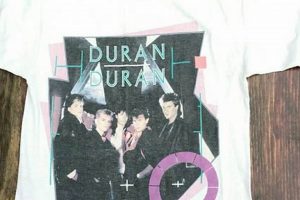
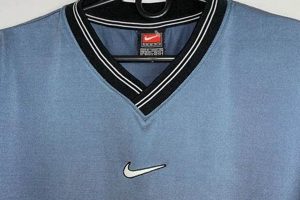
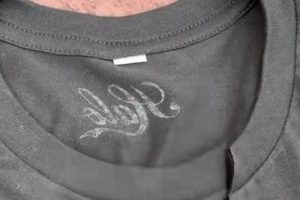
The market offers garments, typically cotton-based, manufactured in previous eras and currently available for purchase. These items distinguish themselves from modern apparel through unique characteristics in design, fabric, and printing techniques reflective of their respective production periods. For instance, a pre-1980s concert tee featuring single-stitch construction and a specific band’s tour dates falls within this category.
Acquiring these articles provides access to historical artifacts of popular culture and fashion trends. This acquisition frequently represents an investment, as the desirability and scarcity of certain designs increase their value over time. Moreover, procuring them contributes to sustainable practices by extending the lifespan of existing goods, reducing the demand for new textile production and minimizing environmental impact.
The subsequent sections will delve into factors that contribute to the valuation of these items, strategies for identifying authentic pieces, and reputable venues for acquisition. A comprehensive guide to caring for delicate, aged fabrics will also be provided, ensuring the longevity and preservation of these unique historical artifacts.
Valuable Insights for Purchasing Authentic Garments
The following provides guidance to ensure informed decision-making when engaging with the market. Careful consideration of these factors minimizes the risk of acquiring misrepresented or overvalued items.
Tip 1: Examine Construction Details: Pre-1990s examples frequently exhibit single-stitch construction, characterized by a single line of stitching at the hem and sleeves. Modern reproductions rarely replicate this detail accurately.
Tip 2: Assess Fabric Composition: Older examples typically utilize 100% cotton fabrics, often exhibiting a softer, more worn texture than contemporary blends. Fabric blends should be examined for consistency with the claimed era of production.
Tip 3: Scrutinize Graphic Quality: Screen printing techniques employed in earlier eras differ from modern digital printing. Imperfections, slight fading, and a tactile feel to the print are often indicative of authenticity.
Tip 4: Investigate Licensing and Copyright Information: Legitimate items frequently display copyright or licensing marks related to the artist, band, or brand featured on the garment. Absence of such marks warrants further investigation.
Tip 5: Evaluate the Garment’s Condition: While minor wear is expected, excessive damage, alterations, or repairs can significantly impact value. Assess the overall condition relative to the item’s age and rarity.
Tip 6: Compare Against Known Examples: Consult reputable online resources, archives, and collectors to compare potential purchases against documented examples of genuine articles. Discrepancies should be viewed with caution.
Tip 7: Consider the Source’s Reputation: Purchase from established dealers, reputable auction houses, or individuals with a verifiable history of selling authentic vintage merchandise. Avoid anonymous or unverified sources.
Diligent application of these considerations will significantly enhance the probability of acquiring genuine and valuable artifacts of fashion history.
The next section will explore best practices for preserving and maintaining these valuable acquisitions, ensuring their continued enjoyment and potential appreciation in value.
1. Authenticity Verification

The connection between authenticity verification and the acquisition of apparel manufactured in previous decades is paramount. Authenticity serves as the cornerstone of value within this market, differentiating legitimate historical artifacts from modern reproductions or misrepresented items. The effects of inadequate verification manifest in financial loss, acquisition of inferior goods, and the potential perpetuation of fraudulent practices. For example, purchasing a purported 1970s band shirt that is, in reality, a recent print diminishes its inherent value and historical significance. Therefore, establishing the verifiable age and origin of these garments is crucial.
The importance of this verification process extends beyond monetary considerations. It encompasses the preservation of cultural heritage embedded within these garments. Each garment represents a tangible connection to a specific era, its trends, and the societal values of that time. Consider the evolution of garment sizing; changes in these measurements offer an insight into shifting societal norms and body image perceptions. Proper assessment of fabrication techniques and printing methods offer further contextual reference to the cultural landscape of the era. The ability to discern authenticity safeguards these historical narratives, ensuring their accurate representation and continued accessibility.
In summation, the rigorous practice of verifying the authenticity of apparel offered for purchase is indispensable. It protects buyers from financial risks and, more importantly, preserves cultural heritage. Challenges persist in the face of increasingly sophisticated counterfeit methods. Continuous education, collaboration with experienced collectors, and utilization of advanced analytical techniques remain vital in ensuring the integrity of the market.
2. Fabric Composition

The assessment of fabric composition stands as a critical element in authenticating and valuing articles of apparel manufactured in prior decades. The materials used, their production methods, and inherent properties serve as indicators of age, manufacturing origin, and overall quality.
- Fiber Content as an Indicator of Age
Early garments predominantly utilized 100% natural fibers, such as cotton, often characterized by a softer hand feel and less uniform weave compared to modern textiles. The introduction of synthetic fibers like polyester and rayon in later decades offers a timeline for dating apparel. The presence or absence of these synthetics, in conjunction with fiber blend ratios, provides insight into the garment’s era of production. For example, a garment labeled as “vintage” containing a significant percentage of polyester is unlikely to predate the 1960s.
- Weave and Knit Structures
Historical manufacturing practices often resulted in distinct weave and knit patterns. Ring-spun cotton, common in higher-quality early examples, possesses a finer, smoother texture than open-end spun cotton used in mass production. Knit structures such as single-knit jersey or waffle knits were prevalent in certain eras. Identifying these specific constructions contributes to authentication and assessment of quality. A garment with a distinctively tight, fine weave may indicate superior craftsmanship and a higher value.
- Dyeing and Printing Techniques
The methods employed to dye and print fabric evolved significantly over time. Early dyeing processes often utilized natural dyes, resulting in subtle color variations and fading patterns distinct from modern synthetic dyes. Screen printing techniques also varied, with early prints often exhibiting a thicker ink deposit and a more tactile feel. The presence of specific fading patterns, ink types, or printing imperfections characteristic of a certain era can support authenticity claims.
- Fabric Weight and Drape
The weight and drape of the fabric are also indicative factors. Older garments were typically constructed from heavier-weight cotton, resulting in a more substantial feel. The drape, or how the fabric falls and hangs, also differs between natural and synthetic fibers, and between different weave structures. A heavy cotton garment with a natural drape is more likely to be an original piece.
The nuanced examination of fiber content, weave structures, dyeing processes, and fabric weight collectively contributes to a comprehensive understanding of its origins and qualities. Integrating fabric analysis with other authentication factors, such as construction details and graphic characteristics, ensures a more accurate appraisal and valuation in the vintage apparel market.
3. Print Quality
The condition and characteristics of the graphic imagery on an item for sale directly correlate to its value, authenticity, and overall desirability. The printing methods used in past decades differed significantly from contemporary digital printing processes, leaving distinct marks that serve as indicators of age and originality. Examples include the use of plastisol inks, which, over time, tend to crack and fade, developing a characteristic patina unique to older garments. Conversely, modern direct-to-garment printing techniques produce a smooth, even print lacking the textured feel associated with vintage screen printing. Imperfections, such as misregistrations or slight blurring, often dismissed in modern printing, can validate a garment’s vintage status, indicating the limitations of older equipment and manual processes. Therefore, assessment of the print quality serves as a significant factor in determining the garment’s genuine nature and potential value.
The significance of print quality extends beyond mere authentication; it also reflects the cultural context and artistic styles prevalent during the garment’s era of production. The types of graphics, the use of color palettes, and the subject matter depicted on the shirt provide insights into the music, art, and social movements of the time. A concert tee featuring a band logo rendered in a specific artistic style, coupled with the tour dates printed in a particular font, can place the garment within a specific timeframe. Furthermore, licensed merchandise often displays copyright marks or manufacturer’s logos, which can be cross-referenced to verify authenticity. The absence of such markings, while not always indicative of inauthenticity, warrants further scrutiny. Practical application of this knowledge allows collectors to distinguish between genuine vintage items and reproductions or unauthorized merchandise, protecting them from fraudulent purchases.
In conclusion, print quality represents a crucial factor in the valuation and authentication of these garments for sale. The nuances of vintage printing techniques, stylistic elements, and licensing marks provide valuable insights into a garment’s history and origins. Although modern counterfeiting techniques continue to advance, awareness of these distinguishing characteristics enables informed decision-making and safeguards the integrity of the vintage apparel market. Continuous learning and consultation with experienced collectors remain essential to navigate this complex and ever-evolving landscape.
4. Licensing Marks
Licensing marks, specifically copyright and trademark notices, represent a significant facet in assessing the authenticity and value of these items. Their presence, absence, or characteristics provide crucial information regarding the garment’s origins and legitimacy.
- Copyright Notices
Copyright notices, typically featuring the symbol followed by the year of creation and the copyright holder’s name, indicate legal ownership of the design. The presence of a copyright notice suggests the garment was produced with the explicit permission of the copyright holder. A copyright date that predates the purported manufacturing date raises immediate suspicion. In some instances, the specific phrasing of the copyright notice itself can provide clues to the era of production. For instance, older notices may use slightly different language or abbreviations compared to contemporary standards.
- Trademark Symbols and Logos
Trademark symbols, such as or , denote registered brand names or logos. Licensed apparel frequently displays these marks to identify the authorized manufacturer or distributor. The specific design of the logo and the typeface used in the trademark notice can be cross-referenced against historical records to verify the garment’s age. Counterfeit apparel often features inaccurate or poorly rendered trademark symbols, serving as a red flag for potential buyers. The presence of a registered trademark suggests a greater level of quality control and legal oversight in the garment’s production.
- Manufacturer’s Labels and Tags
Licensed apparel typically features manufacturer’s labels and tags bearing the brand name, fabric content, and care instructions. These labels often include a unique code or identification number that can be traced back to the original manufacturer. The style and design of the label itself can provide clues about the garment’s age and origin. For example, older labels may be made of woven fabric, while more recent labels are often printed on synthetic materials. The presence of a legitimate manufacturer’s label adds credibility to the garment’s authenticity claim.
- Exclusivity and Limited Edition Marks
Some licensed garments are produced in limited quantities or sold exclusively through specific retailers. These garments often feature special markings or labels indicating their exclusivity. The presence of such a mark can significantly increase the garment’s value among collectors. However, it also makes the garment a target for counterfeiters. Therefore, it is crucial to verify the authenticity of any claims of exclusivity by consulting reputable sources and comparing the garment against known examples.
The careful examination of copyright notices, trademark symbols, manufacturer’s labels, and exclusivity markings provides valuable insights into the authenticity and value of vintage garments. By cross-referencing these markings against historical records and comparing them to known examples, buyers can significantly reduce the risk of acquiring misrepresented or counterfeit merchandise. The presence of appropriate licensing marks contributes to increased confidence in the garment’s legitimacy and potential investment value.
5. Condition Assessment
The evaluation of condition stands as a pivotal factor in determining the market value and desirability of apparel from prior eras. This assessment transcends a simple appraisal of visible flaws, encompassing a comprehensive evaluation of the garment’s structural integrity, fabric quality, and overall state of preservation.
- Fabric Integrity and Wear
The degree of fabric wear, including thinning, fading, and the presence of holes or tears, directly impacts value. Minor wear consistent with age may be acceptable, even desirable, contributing to a “worn-in” aesthetic. However, significant degradation compromising the garment’s structure diminishes its appeal and market price. Examples include excessive fading in graphic prints rendering the image illegible, or large tears requiring extensive and potentially devaluing repairs. The assessment considers the type of fabric; delicate materials like rayon are more susceptible to damage than durable cotton, influencing acceptable wear levels.
- Print Quality and Degradation
The condition of printed graphics, including cracking, peeling, and color loss, is a critical consideration. Minor cracking in plastisol prints is often expected in older garments and can contribute to a desired vintage aesthetic. However, significant print degradation obscuring the image or rendering it unrecognizable negatively affects value. The type of printing technique used influences degradation patterns; screen-printed graphics tend to exhibit different wear characteristics compared to heat-transferred prints. The presence of significant staining or discoloration impacting the graphic also detracts from its appeal.
- Stains and Discoloration
The presence of stains and discoloration significantly impacts the desirability and value of vintage garments. Stains from sweat, food, or other sources detract from the garment’s aesthetic appeal and may indicate improper storage or care. Discoloration, such as yellowing due to age or sun exposure, can also diminish the garment’s value. The severity and location of the stains are important considerations; stains located in prominent areas or those that are deeply ingrained are more detrimental. The potential for stain removal is also assessed, as aggressive cleaning methods can damage delicate fabrics or prints.
- Alterations and Repairs
Alterations and repairs can both positively and negatively impact the value of vintage articles. Professional repairs that restore the garment’s original structure and appearance without significantly altering its design may enhance its value. However, poorly executed repairs or alterations that deviate from the garment’s original form can detract from its appeal. Examples include replacing original buttons with modern substitutes, modifying the garment’s size or shape, or using non-original fabric to patch holes. Disclosure of any alterations or repairs is essential to maintaining transparency and trust in the transaction.
Integrating the evaluation of these diverse aspectsfabric integrity, print quality, staining, and alterationsprovides a detailed and nuanced assessment of condition. This comprehensive approach allows for accurate pricing, informed purchasing decisions, and appropriate care strategies, ensuring the longevity and continued enjoyment of these unique historical artifacts.
6. Source Reputation
Source reputation represents a cornerstone in the vintage apparel market, particularly concerning the acquisition of shirts manufactured in previous decades. The reliability and credibility of the seller significantly influence the perceived value, authenticity, and overall risk associated with each transaction. A strong source reputation mitigates the potential for fraud, misrepresentation, and the acquisition of counterfeit goods.
- Transparency and Disclosure
Reputable sources provide complete and accurate descriptions of each garment, including details regarding fabric composition, construction techniques, flaws, and alterations. They readily answer questions and supply additional photographs or information upon request. This transparency builds trust and allows potential buyers to make informed decisions. For example, a reputable dealer would clearly disclose any repairs or modifications made to a garment, acknowledging their impact on value.
- Authentication Expertise and Provenance
Established sources possess a deep understanding of vintage apparel, including dating techniques, manufacturing processes, and identifying markers of authenticity. They may offer provenance documentation, such as purchase receipts or historical records, to support the garment’s origin. A dealer specializing in concert tees, for instance, would possess in-depth knowledge of band logos, tour dates, and licensing agreements, enabling them to accurately assess authenticity.
- Return Policies and Guarantees
Reliable sources typically offer clear and fair return policies, allowing buyers to return garments that do not meet expectations or are found to be misrepresented. They may also provide guarantees of authenticity, offering refunds or replacements in cases of verifiable fraud. A reputable auction house specializing in vintage clothing would have established procedures for resolving disputes and ensuring customer satisfaction.
- Community Standing and Reviews
A source’s reputation within the vintage apparel community, including online reviews, forum discussions, and recommendations from established collectors, serves as a valuable indicator of their trustworthiness. Positive feedback and testimonials from satisfied customers build confidence in the source’s integrity. Conversely, negative reviews or reports of fraudulent activity should raise caution and prompt further investigation.
The influence of source reputation on these market dynamics cannot be overstated. Engaging with established and reputable sources significantly reduces the risks associated with acquiring apparel from previous eras. Furthermore, a strong source reputation fosters trust and confidence, contributing to a more transparent and sustainable ecosystem for both buyers and sellers.
Frequently Asked Questions
The following addresses commonly raised inquiries concerning the purchase of apparel manufactured in previous decades. The information presented aims to clarify ambiguities and provide a basis for informed decision-making.
Question 1: How is the age of a garment definitively determined?
While no single method guarantees absolute accuracy, a combination of factors provides a reasonable estimate. These factors include construction techniques (e.g., single-stitch vs. double-stitch seams), fabric composition (e.g., the presence or absence of synthetic fibers), graphic design styles, manufacturer’s labels, and copyright dates.
Question 2: What constitutes a “valuable” specimen within this market?
Value is determined by a confluence of factors. Rarity, condition, historical significance (e.g., association with a significant event or artist), and demand all contribute to its monetary worth. Specimens featuring limited-edition designs or originating from influential cultural moments command higher prices.
Question 3: What are the inherent risks involved in purchasing from online marketplaces?
Online marketplaces pose risks related to authenticity verification and condition misrepresentation. Counterfeit items are prevalent, and photographs may not accurately depict the garment’s true state. Purchasing from reputable sources with established return policies mitigates these risks.
Question 4: How should potential buyers approach pricing discrepancies across different vendors?
Pricing discrepancies reflect variations in sourcing costs, overhead expenses, and perceived value. Buyers should conduct thorough research, comparing prices across multiple vendors while considering the garment’s condition, authenticity, and the seller’s reputation.
Question 5: Is professional cleaning recommended for garments of significant age?
Professional cleaning, employing techniques suitable for delicate fabrics, is advisable. Standard laundering methods may damage fragile materials or cause color fading. Seek specialists experienced in preserving vintage textiles.
Question 6: Does the presence of minor imperfections necessarily diminish its overall value?
Minor imperfections, such as slight fading or minor repairs, are often considered acceptable and may even contribute to the garment’s vintage aesthetic. However, significant damage compromising the garment’s structure or obscuring its design negatively impacts value.
The market demands diligent assessment of various factors, including authenticity, condition, and source credibility, to ensure informed purchasing decisions. Further exploration of preservation techniques will be addressed in the subsequent section.
The following will provide best practices for long-term care and preservation of the pieces.
Vintage T Shirts for Sale
The preceding discussion has illuminated key facets within the domain of garments manufactured in prior eras. Authentication protocols, fabric assessment, print quality evaluation, and source reputation verification collectively contribute to informed decision-making. Successful navigation of this market necessitates diligence and a commitment to verifiable information.
The ongoing preservation of these items extends beyond mere acquisition, representing a tangible connection to past eras. As consumer awareness grows, sustained scrutiny and responsible stewardship will ensure the continued accessibility and appreciation of artifacts of fashion history. The future of the market relies on the informed participation of both buyers and sellers, fostering an environment of transparency and ethical practice.