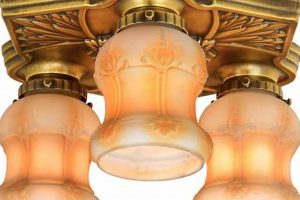
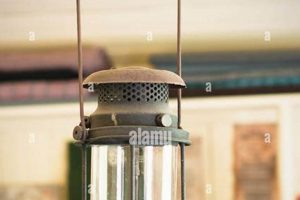
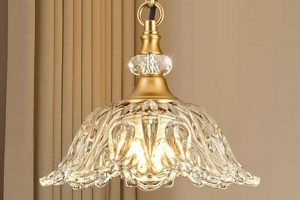
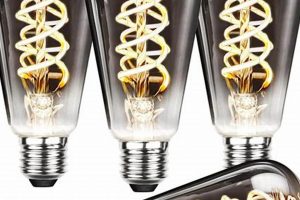
Illumination systems on older recreational vehicles, typically manufactured prior to the widespread adoption of modern LED technology, are identifiable by their distinct designs, materials, and functionality. These systems often employ incandescent bulbs and feature housings constructed from metal, glass, or early plastics. Their aesthetic appeal lies in their contribution to the overall classic look of restored travel units.
The significance of these lighting components extends beyond mere illumination. They represent a tangible link to the past, embodying the design sensibilities and manufacturing techniques of their respective eras. Preserving or accurately replicating such components is crucial for maintaining the authenticity and historical integrity of restored units. Their unique characteristics contribute significantly to the collectible value and nostalgic charm of classic recreational vehicles.
An examination of the various types of these systems, their maintenance requirements, available restoration options, and methods for safely integrating them with modern electrical systems is warranted. Furthermore, a discussion of the legal requirements pertaining to lighting standards on older vehicles is essential for ensuring road safety and compliance.
Essential Considerations for Vintage Trailer Lights
Effective management of illumination systems on classic recreational vehicles requires specialized knowledge and careful execution. The following points provide guidance for owners and restorers seeking to maintain or upgrade these systems while preserving their authenticity.
Tip 1: Authenticity Assessment: Prioritize the determination of originality. Consult historical records, manufacturer catalogs, and expert opinions to verify the correct type and style of illumination components for a particular vehicle model and year.
Tip 2: Careful Disassembly: When disassembling original lighting fixtures, document each step with photographs. Use penetrating oil to loosen corroded fasteners, and exercise extreme caution when handling fragile glass lenses or reflectors.
Tip 3: Component Inspection: Thoroughly inspect all components for damage, including cracks, corrosion, and wiring degradation. Replace or repair damaged parts, sourcing original or reproduction components that match the original specifications.
Tip 4: Wiring Integrity: Replace deteriorated wiring with appropriately rated wire. Maintain correct wiring gauge and color coding to ensure electrical safety and prevent short circuits. Consider upgrading to a modern wiring harness while preserving the original appearance of the fixtures.
Tip 5: Bulb Selection: When replacing incandescent bulbs, choose replacements that closely match the original specifications in terms of voltage, wattage, and beam pattern. Consider LED conversions for increased efficiency and longevity, but ensure that the chosen LEDs maintain a similar aesthetic to the original bulbs.
Tip 6: Lens and Reflector Restoration: Clean lenses and reflectors with appropriate cleaning agents that will not damage the materials. Consider professional restoration services for severely damaged lenses or reflectors to restore their original reflectivity and clarity.
Tip 7: Sealing and Weatherproofing: Properly seal all lighting fixtures to prevent moisture intrusion, which can lead to corrosion and electrical problems. Use appropriate gaskets and sealants that are compatible with the materials used in the fixtures.
Tip 8: Regulatory Compliance: Ensure that all lighting systems comply with applicable federal, state, and local regulations. This includes proper installation of required marker lights, turn signals, and brake lights. Consult with a qualified technician to verify compliance with current safety standards.
These considerations ensure the preservation of the aesthetic integrity of classic recreational vehicles while prioritizing safety and functionality. Meticulous attention to detail throughout the restoration process is paramount.
The subsequent discussion addresses specific challenges related to integrating modern technology with these systems.
1. Authenticity and Originality

The assessment of authenticity and originality constitutes a fundamental step in the preservation, restoration, or modification of illumination systems on classic recreational vehicles. Accurate identification of components and configurations from the period of manufacture is essential for maintaining historical integrity and maximizing the value of the vehicle.
- Identification of Original Components
Establishing the precise make, model, and year of manufacture is paramount for determining the factory-installed illumination components. This involves consulting manufacturer documentation, historical records, and expert resources to confirm the specific types of lenses, housings, bulbs, and wiring used in the original configuration. Discrepancies between the existing components and the verified original specifications indicate potential replacements or modifications made over time.
- Material Analysis
Originality extends beyond the shape and design of lighting components to encompass the materials used in their construction. Period-correct materials such as specific grades of steel, glass formulations, and plastic compositions contribute significantly to the overall authenticity of the restoration. Analyzing the materials used in existing components can reveal whether they are consistent with the original manufacturing practices. Modern replacements utilizing different materials may detract from the historical accuracy of the vehicle.
- Functionality and Design Consistency
Original illumination systems are characterized by specific functionality and design features that reflect the technological capabilities of the period. Examining the wiring schematics, bulb types, and lighting patterns can provide insights into the intended functionality and design philosophy. Retrofitting modern lighting technologies may compromise the design consistency and diminish the historical value of the vehicle, unless done with careful consideration for maintaining the original appearance and functionality.
- Preservation of Patina and Age-Related Wear
In certain restoration approaches, the preservation of patina and age-related wear on original lighting components is considered desirable, as it reflects the history and usage of the vehicle. Replacing original components with brand-new reproductions may erase this historical context. Decisions regarding the restoration or replacement of lighting components should consider the desired balance between functionality, aesthetics, and the preservation of historical authenticity.
The careful consideration of these facets is crucial for achieving a restoration or modification that respects the historical significance of the classic recreational vehicle while ensuring safe and reliable illumination. A thorough understanding of authenticity and originality is essential for making informed decisions throughout the process.
2. Electrical System Compatibility

Integrating illumination systems of a bygone era with contemporary electrical infrastructure presents a unique set of challenges. Ensuring compatibility between classic components and modern power sources is crucial for safe and reliable operation. Discrepancies in voltage, wiring configurations, and grounding protocols can lead to malfunctions, electrical fires, or irreparable damage to the original components.
- Voltage Matching
Older recreational vehicles frequently utilized 6-volt electrical systems, while modern vehicles predominantly employ 12-volt systems. Direct connection of a 6-volt illumination system to a 12-volt power source will result in overvoltage, leading to bulb burnout and potential damage to the wiring. Voltage converters or appropriate replacement bulbs are necessary to ensure compatibility and prevent system failure. For example, a classic travel trailer using 6V incandescent bulbs needs a step-down converter when connected to a modern 12V vehicle electrical system.
- Wiring and Grounding Protocols
Wiring configurations and grounding methods have evolved significantly over time. Older systems may employ simpler wiring schemes and rely on chassis grounding, whereas modern systems utilize more complex wiring harnesses and dedicated grounding wires. Adapting the wiring to ensure proper polarity and grounding is essential for preventing short circuits and ensuring safe operation. Incorrect wiring can lead to erratic lighting behavior, blown fuses, or even electrical shock. A common issue is adapting a two-wire system (power and ground through the chassis) to a modern three-wire system (dedicated ground wire).
- Load Considerations
The electrical load imposed by the illumination system must be carefully considered. Incandescent bulbs draw significantly more current than modern LED replacements. Overloading the circuit can lead to overheating and potential fire hazards. Assessing the amp draw of the illumination system and ensuring that the wiring and circuit breakers are appropriately rated is crucial for safety. For instance, replacing multiple incandescent bulbs with LEDs reduces the overall load on the system and minimizes the risk of overloading the circuit.
- Fuse Protection
Proper fuse protection is essential for safeguarding the electrical system from overcurrents and short circuits. The fuse rating must be appropriate for the circuit and the components it protects. Replacing original fuses with higher-rated fuses can bypass the protective mechanism and increase the risk of fire. Regularly inspecting fuses and replacing them with the correct type and rating is a critical maintenance task. A blown fuse can indicate an underlying problem in the electrical system that needs to be addressed.
The intricacies of integrating classic illumination components with contemporary electrical systems demand meticulous attention to detail and a thorough understanding of electrical principles. The implementation of appropriate voltage converters, wiring adaptations, load management strategies, and fuse protection measures is crucial for ensuring the safety, reliability, and longevity of the illumination system on a classic recreational vehicle. Failure to address these compatibility issues can have severe consequences, jeopardizing the vehicle and its occupants.
3. Restoration Techniques
The restoration of illumination systems on classic recreational vehicles necessitates specialized techniques to address the deterioration and obsolescence of original components. These techniques aim to preserve the aesthetic and functional integrity of the lighting systems while ensuring compliance with contemporary safety standards.
- Housing Refurbishment
Metal housings often exhibit corrosion, rust, and paint degradation. Restoration involves abrasive blasting to remove corrosion, followed by priming and painting with durable, period-correct finishes. Plastic housings may require cleaning, polishing, and repair of cracks or chips using appropriate adhesives and fillers. Example: Removing rust from a steel marker lamp housing, applying a zinc-rich primer, and topcoating with enamel paint replicating the original color and sheen. The implications include improved aesthetics, corrosion resistance, and preservation of the original appearance.
- Lens and Reflector Restoration
Lenses may suffer from discoloration, cracking, or hazing, while reflectors lose reflectivity due to oxidation or delamination. Restoration techniques include polishing with specialized compounds to restore clarity and reflectivity. Severely damaged lenses may necessitate replacement with reproduction parts that match the original dimensions, color, and optical properties. Reflectors can be re-silvered or replaced with modern reflectors that maintain the original light distribution pattern. Example: Polishing a faded taillight lens with a plastic-specific polish to improve light transmission. The implications include enhanced visibility, safety, and adherence to original design specifications.
- Wiring and Socket Replacement
Original wiring often deteriorates due to age, exposure to the elements, and insulation breakdown. Sockets may corrode or become brittle, leading to poor electrical contact. Restoration involves replacing deteriorated wiring with appropriately gauged, insulated wire that matches the original color coding. Sockets are replaced with modern replacements that are compatible with the original bulb types. Example: Replacing cracked and frayed wiring with new, high-temperature insulated wire and installing new bulb sockets. The implications include improved electrical safety, reliability, and prevention of short circuits.
- Bulb Selection and Conversion
Original incandescent bulbs may be difficult to source or inefficient compared to modern LED alternatives. Restoration may involve sourcing original bulbs for authenticity or converting to LED bulbs that maintain a similar appearance and light output while reducing power consumption. Care must be taken to ensure that LED conversions do not alter the original light distribution pattern or create compatibility issues with the existing electrical system. Example: Replacing incandescent marker bulbs with LED equivalents that emit a similar warm white light while drawing significantly less current. The implications include improved energy efficiency, longer bulb life, and reduced strain on the vehicle’s electrical system.
These restoration techniques collectively contribute to the preservation of the aesthetic and functional integrity of illumination systems on classic recreational vehicles. The selection of appropriate techniques depends on the condition of the original components, the desired level of authenticity, and the need for improved safety and reliability.
4. Safety Standards Compliance

Adherence to established safety standards is paramount when dealing with classic recreational vehicle illumination systems. These standards dictate the minimum requirements for visibility, functionality, and electrical safety to ensure safe operation on public roadways. Failure to comply with these regulations can result in legal penalties and significantly increase the risk of accidents.
- Minimum Illumination Requirements
Regulations mandate specific minimum levels of light output for taillights, brake lights, turn signals, and marker lights. These requirements vary based on vehicle size, type, and year of manufacture. Original lighting systems may not meet current illumination standards due to outdated technology or deterioration over time. For instance, dim or faded taillights can significantly reduce visibility, especially during nighttime or adverse weather conditions. Upgrading to brighter, compliant lighting is often necessary to meet these minimum standards and improve safety. Failure to do so poses a significant risk of rear-end collisions.
- Visibility Angle and Placement Requirements
Lighting regulations specify the minimum angles of visibility and the required placement of lights on the vehicle. These requirements are designed to ensure that the vehicle is visible from all critical angles. Incorrectly positioned or obstructed lights can compromise visibility and increase the risk of accidents. Consider marker lights, which have defined height and placement criteria to enable identification of the vehicle’s size. Deviation from these criteria could obscure the trailer’s dimensions, leading to potential collisions.
- Electrical System Integrity Requirements
Electrical safety standards dictate the requirements for wiring, grounding, and circuit protection to prevent electrical shock and fire hazards. Original wiring may be deteriorated or improperly installed, posing a significant safety risk. Compliance involves ensuring that all wiring is properly insulated, grounded, and protected by appropriately sized fuses or circuit breakers. Non-compliance can result in electrical fires, equipment failure, and potential injury to occupants. Modern wiring practices, such as the use of grounded circuits, improve safety.
- DOT and SAE Certifications
Many lighting components are required to meet specific performance standards established by the Department of Transportation (DOT) and the Society of Automotive Engineers (SAE). These certifications indicate that the components have been tested and meet minimum safety requirements. Using non-certified or substandard lighting components can compromise safety and may violate legal regulations. For example, taillights lacking a DOT certification may not meet minimum brightness or durability standards. Only use DOT-approved replacement lights for legality.
The complexities associated with reconciling classic recreational vehicle aesthetics with contemporary safety standards require careful consideration and expertise. Restoration or modification projects involving illumination systems must prioritize compliance with all applicable regulations to ensure safe and legal operation. Consultation with qualified technicians or inspectors is often necessary to verify compliance and mitigate potential safety risks. Ignoring safety standards leads to dire consequences.
5. Aesthetic Preservation

The preservation of aesthetic characteristics is a critical component in the restoration and maintenance of illumination systems on classic recreational vehicles. These systems are not merely functional components; they constitute a significant element of the vehicle’s overall visual appeal and historical character. Neglecting aesthetic considerations during restoration can detract from the value and authenticity of the vehicle, diminishing its appeal to collectors and enthusiasts. For instance, the replacement of original glass lenses with modern plastic alternatives, even if functionally equivalent, can significantly alter the perceived value of a vintage trailer. A practical example includes using a modern LED light that, while functionally superior, appears significantly different in color temperature and intensity compared to the original incandescent bulb, thus disrupting the vehicle’s period-accurate aesthetic.
Maintaining the original aesthetic involves meticulous attention to detail, including sourcing period-correct materials, replicating original finishes, and preserving the patina of aged components where appropriate. The choice of replacement parts must prioritize aesthetic fidelity alongside functional performance. For example, when replacing corroded metal housings, sourcing reproductions that match the original gauge and finish of the metal is essential. Similarly, matching the color temperature and beam pattern of replacement bulbs to the original specifications is crucial for maintaining the intended visual effect. Consider also the preservation of original wiring where feasible, as the fabric insulation and color coding contribute to the overall aesthetic authenticity.
The challenge in aesthetic preservation lies in balancing the desire for historical accuracy with the need for improved safety and reliability. Modern lighting technologies offer significant advantages in terms of energy efficiency and lifespan, but integrating them seamlessly into a classic lighting system requires careful consideration. Aesthetic compromise is a common risk. By prioritizing visual consistency and employing thoughtful restoration techniques, one can effectively preserve the aesthetic integrity of these systems while enhancing their functionality. Ultimately, the goal is to maintain the visual character of the vehicle while ensuring its safe and reliable operation for years to come.
Frequently Asked Questions
This section addresses common inquiries regarding the maintenance, restoration, and upgrading of illumination systems on vintage recreational vehicles. The information provided aims to clarify essential aspects of these systems to facilitate informed decision-making.
Question 1: What constitutes a “vintage trailer light” and how does it differ from modern lighting systems?
The term “vintage trailer light” generally refers to illumination systems found on recreational vehicles manufactured before widespread adoption of modern LED technology. These systems typically employ incandescent bulbs, use heavier gauge wiring, and feature housings constructed from materials such as metal, glass, or early plastics. Their design and functionality reflect the technological capabilities of the period.
Question 2: Why is maintaining the originality of illumination components important?
Maintaining originality preserves the historical accuracy and aesthetic appeal of the vehicle. Original components represent the design sensibilities and manufacturing techniques of their respective eras. Retention of these elements significantly contributes to the collectible value and nostalgic charm of classic recreational vehicles.
Question 3: What are the primary challenges in integrating “vintage trailer lights” with modern electrical systems?
The primary challenges include voltage mismatches, differing wiring configurations, and potential overloading of circuits. Older systems frequently operate on 6 volts, while modern systems operate on 12 volts. Adapting wiring and ensuring proper grounding are crucial for preventing electrical fires and component damage.
Question 4: How can safety be ensured when restoring or upgrading “vintage trailer lights?”
Safety is ensured through adherence to applicable federal, state, and local regulations. This includes verifying the proper installation of required marker lights, turn signals, and brake lights. Replacing deteriorated wiring, using appropriately rated fuses, and consulting with qualified technicians are essential safety measures.
Question 5: Are LED conversions appropriate for “vintage trailer lights,” and what considerations should be taken into account?
LED conversions can improve energy efficiency and bulb longevity, but care must be taken to maintain the original aesthetic appearance. Selecting LEDs that closely match the original bulb color temperature and beam pattern is crucial. Compatibility with the existing electrical system must also be verified.
Question 6: Where can original or reproduction “vintage trailer lights” be sourced?
Original components may be sourced from salvage yards, antique stores, or online marketplaces specializing in vintage automotive parts. Reproduction components are available from specialty retailers and manufacturers catering to the classic recreational vehicle restoration market. Verifying the authenticity and quality of reproduction components is essential.
The successful preservation, restoration, or upgrading of illumination systems on classic recreational vehicles requires careful attention to detail, a thorough understanding of electrical principles, and a commitment to maintaining both functionality and historical accuracy.
The subsequent section explores practical tips for troubleshooting common issues encountered with these systems.
Vintage Trailer Lights
This exposition has illuminated the multifaceted considerations surrounding illumination systems within classic recreational vehicles. From authentication and electrical compatibility to restoration techniques, safety compliance, and aesthetic preservation, the complexities inherent in managing these lighting systems demand meticulous attention. The enduring value of these systems lies in their contribution to the historical character and collectible appeal of restored units.
Proper stewardship necessitates a commitment to both functionality and historical fidelity. Continued exploration of emerging technologies and evolving regulations will further inform best practices for maintaining these integral components, ensuring that classic recreational vehicles continue to illuminate the road for generations to come. Understanding of, and adherence to, the principles outlined herein constitutes a prerequisite for responsible management.