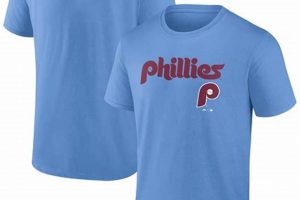
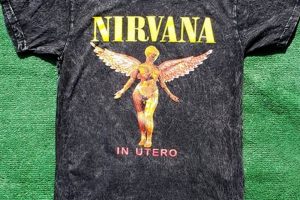
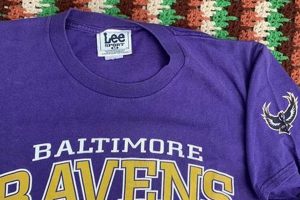
The referenced item is a garment, typically made of cotton or a cotton blend, displaying imagery related to the rock band Van Halen and dating from a previous era, usually the band’s period of greatest popularity. Such apparel often features album artwork, tour dates, or band member portraits. An example would be a screen-printed tee promoting the 1984 album, worn and faded from years of use.
Possession of these articles of clothing offers benefits beyond mere utility. The garment acts as a tangible connection to a specific moment in music history and culture. It represents fandom, nostalgia, and a shared experience among individuals who appreciated the band during its prominence. Furthermore, these items, due to their age and scarcity, can accrue significant monetary value within collector communities.
This type of collectible opens avenues for discussion regarding authenticity, condition assessment, market valuation, and the broader implications of music memorabilia in the vintage clothing market. Subsequent sections will delve into these aspects, providing guidance on identification, preservation, and potential investment strategies related to such items.
Guidance on Authenticating Collectible Band Apparel
The following guidelines offer assistance in verifying the legitimacy of vintage band-related garments. Diligence in applying these measures is essential to avoid acquiring reproductions or misrepresented items.
Tip 1: Examine the Fabric and Construction: Genuine articles from the 1970s and 1980s typically utilize single-stitch construction on the sleeves and hem. Modern reproductions frequently employ double-stitch techniques. Inspect the fabric weight and texture; older shirts often feature thinner, softer cotton than contemporary mass-produced garments.
Tip 2: Analyze the Tag: Authentic vintage tags feature specific brand names and manufacturing details common to the era. Research the common tag styles of the purported era of manufacture. Discrepancies in the tag style, font, or wording are indicators of potential inauthenticity.
Tip 3: Scrutinize the Print Quality: Screen-printed images from earlier periods often exhibit a slight cracking or fading due to age and wear. Sharp, flawless prints are often characteristic of newer reproductions. Examine the ink for signs of distress that are consistent with the garment’s alleged age.
Tip 4: Assess the Graphic Design: Compare the design to known authentic examples, such as those found in concert programs, album art, or reputable vintage archives. Deviations in font, color, or image proportions can signify a counterfeit.
Tip 5: Consider the Garment’s Odor: While not definitive, a musty or aged scent can be indicative of a genuine vintage item. Conversely, a strong chemical odor might suggest recent printing or manufacturing.
Tip 6: Seek Expert Appraisal: For high-value pieces, consider consulting with a reputable vintage clothing dealer or appraiser. Their expertise can provide a more definitive assessment of authenticity and value.
Tip 7: Inspect for Wear and Tear: Authenticity is often corroborated by age-appropriate signs of use, such as minor stains, small holes, or fading. Mint condition items from the 1970s or 1980s are comparatively rare, necessitating heightened scrutiny.
Applying these authentication techniques significantly reduces the risk of acquiring inauthentic memorabilia. Verifying authenticity is vital to protecting investments and maintaining the integrity of collectible vintage garments.
The following sections will explore the care and preservation of these items, extending their lifespan and maintaining their collectible value.
1. Rarity

The principle of scarcity exerts a significant influence on the valuation and desirability of vintage band apparel. The availability of a specific item is a primary determinant of its market worth, with limited quantities commanding higher premiums among collectors.
- Limited Print Runs for Specific Tours or Events
Concert merchandise produced in limited quantities for specific tour dates or promotional events contributes to the item’s scarcity. For instance, a shirt exclusively sold at a single concert venue during the 1984 tour, or a promotional item distributed to radio stations, becomes inherently rarer than mass-produced merchandise sold widely. This limited availability elevates the item’s collectibility.
- Discontinued Designs or Licensing Agreements
Changes in design aesthetics, discontinued licensing agreements, or alterations in band branding can contribute to the rarity of specific designs. If a particular graphic or logo was only used for a brief period due to copyright issues or artistic shifts, garments featuring that design become more scarce over time. The short production window creates a limited supply.
- Size Availability and Condition Over Time
Certain sizes, particularly larger sizes, may have been produced in smaller quantities initially, leading to their scarcity. Furthermore, the attrition rate due to wear, damage, or disposal reduces the number of surviving garments in wearable condition. A large-size shirt in excellent condition is inherently rarer due to the combined effects of limited original production and the passage of time.
- Geographic Exclusivity of Distribution
Merchandise sold exclusively in specific geographic regions, such as Japan or Europe, contributes to the item’s rarity in other markets. A design only available at concerts in Japan would be scarcer and thus more desirable to collectors in North America. This geographic limitation restricts availability and increases collectibility.
These factors, individually and collectively, determine the perceived and actual rarity of garments. This rarity directly impacts the valuation within collector communities, establishing a premium for items deemed scarce due to limited production, design changes, wear attrition, or geographic distribution restrictions. Ultimately, the convergence of these elements dictates an individual item’s desirability and corresponding market price.
2. Authenticity

Verification of genuineness is paramount when evaluating the worth of vintage band-related apparel. Confidence in the item’s provenance directly correlates with its collectible value and protects buyers from fraudulent acquisitions.
- Tag Identification
Garment tags serve as crucial indicators of authenticity. Examining manufacturer marks, fabric content, and country of origin provides insight into the garment’s production era. Discrepancies between the tag characteristics and the purported age of the item raise concerns regarding legitimacy. For example, a tag indicating a modern fabric blend on a shirt claimed to be from the 1970s is a clear indicator of inauthenticity.
- Construction Techniques
Vintage garments often exhibit distinct construction methods compared to contemporary apparel. Single-stitch seams, common in older shirts, contrast with the double-stitch construction prevalent in modern manufacturing. Observing seam construction can reveal inconsistencies with the item’s claimed age. Absence of single-stitching on a supposedly vintage shirt warrants further scrutiny.
- Print Quality and Design Accuracy
Screen-printing techniques and design aesthetics evolve over time. Examining the print quality, ink type, and graphic details offers insights into the item’s authenticity. Inaccuracies in the band logo, font styles, or image resolution compared to known authentic examples signal potential counterfeiting. A graphic featuring an incorrect logo design for the purported era raises doubts.
- Fabric Characteristics
The composition and texture of the fabric provide further clues regarding authenticity. Vintage shirts typically feature specific cotton blends or materials characteristic of their era. Assessing the fabric’s weight, feel, and aging patterns can reveal inconsistencies. A shirt made from a modern synthetic blend, represented as vintage cotton, indicates a lack of authenticity.
These facets collectively contribute to the assessment of authenticity for vintage band-related garments. Rigorous evaluation using these criteria minimizes the risk of acquiring misrepresented items, ensuring that collectors and enthusiasts can confidently invest in genuine pieces of music history.
3. Condition
The physical state directly and significantly influences the value of such garments. Degradation, wear, and damage, inherent to the passage of time and usage, impact collectibility. A garment in pristine condition, retaining its original color and structure, commands a premium compared to one exhibiting fading, holes, or stains. For instance, a tee from the 1984 tour, unworn and carefully stored, achieves a substantially higher market price than the same shirt heavily worn with a damaged print.
Effective assessment involves examining various aspects: fabric integrity, print vibrancy, and the presence of any structural defects. Minor imperfections, such as slight cracking in the screen print, are often considered acceptable and can even contribute to the garment’s vintage aesthetic. However, significant damage, including large tears, extensive staining, or severely faded graphics, detracts from its value and desirability. Consider a shirt with a flawlessly preserved print but noticeable moth holes; while the graphic might be appealing, the structural damage diminishes its worth. Conversely, a garment exhibiting mild fading throughout, yet retaining an intact print and sound construction, might still hold significant appeal.
Consequently, careful preservation and appropriate storage methods are crucial for maintaining the condition of these collectibles. Avoiding direct sunlight, minimizing washing, and employing proper storage techniques mitigate potential damage and preserve the garment’s integrity over time. Understanding the nuances of condition grading enables collectors to accurately assess value, make informed purchasing decisions, and protect their investments. Ultimately, the garment’s state embodies its history, influencing both its perceived and monetary worth within the vintage market.
4. Graphics

Graphics constitute a fundamental element influencing the desirability and valuation of vintage band shirts. Visual designs printed on these garments encapsulate specific eras, album releases, and tour events, serving as a primary identifier and a direct link to the band’s history. The quality, design, and condition of these graphics contribute significantly to the item’s collectibility. For example, a shirt featuring the iconic “Frankenstein” guitar design from the Van Halen I album directly connects the garment to a pivotal moment in the band’s career, increasing its value among enthusiasts.
The visual representation is not merely decorative; it often reflects the band’s evolving image and artistic expression. A shirt emblazoned with tour dates and locations provides a tangible record of past performances, transforming the garment into a historical artifact. Design variations, such as promotional artwork differing from the official album cover, add to the garment’s uniqueness and appeal. The preservation of these graphics is paramount; a clear, intact image enhances the shirt’s desirability. Conversely, severe cracking, fading, or image distortion diminish its worth and historical impact. Consequently, the study and appreciation of such imagery are integral to understanding the cultural and monetary significance of vintage band apparel.
In conclusion, the visual elements are critical determinants of value and authenticity. Their condition, accuracy, and design relevance are crucial factors in evaluating vintage band memorabilia. Understanding these connections helps collectors make informed purchasing decisions, appreciate the historical context, and preserve these iconic pieces of music history for future generations. The graphic, therefore, transcends mere decoration; it is a visual chronicle of the band’s legacy.
5. Tag Details
Garment tags provide essential information for assessing the authenticity, age, and origin of vintage band shirts. These details are crucial in determining the item’s value and historical relevance.
- Manufacturer Identification
Tags often display the brand name of the clothing manufacturer. Researching these manufacturers provides insight into the shirt’s production era and origin. For example, a tag bearing the “Screen Stars” label suggests a production date during the 1980s, while the presence of a “Brockum” tag typically indicates the late 1980s or early 1990s. Discrepancies between the tag and the purported era of the shirt raise concerns about its authenticity.
- Fabric Content
Tags typically specify the fabric composition, such as 100% cotton, a cotton blend, or polyester. The prevalence of specific fabrics varied across different eras. A shirt labeled as 100% preshrunk cotton aligns with common materials used in vintage apparel manufacturing. A tag listing a modern synthetic blend on a shirt claimed to be from the 1970s is a red flag.
- Care Instructions
Laundry and care instructions printed on the tag can provide clues about the garment’s age. Instructions recommending cold water washing and low-heat drying are typical of modern apparel. Earlier tags may include instructions more suited to the fabrics and dyes of the time. The presence of archaic laundry symbols can suggest an older garment.
- Country of Origin
The tag indicates where the garment was manufactured. Shifts in apparel manufacturing patterns occurred over time. For example, a “Made in USA” label aligns with production practices common in the 1970s and 1980s, while “Made in Mexico” or “Made in China” labels are more frequently associated with more recent production. This aspect of the tag provides geographical context.
In conclusion, a thorough examination of tag details is indispensable for evaluating vintage band shirts. These details, in conjunction with other factors such as design and construction, assist in establishing authenticity and determining the historical significance of these collectibles. The tag serves as a vital clue in understanding the origins and value of the garment.
6. Era Identification
Determining the precise period of origin is critical in assessing vintage band apparel. This identification directly influences the item’s value and authenticity. For garments associated with Van Halen, this process necessitates aligning specific design elements, tag characteristics, and construction methods with known periods of the band’s activity. For instance, a shirt featuring the band’s logo in its early, pre-1980s iteration, coupled with a specific tag style common to that era, strongly indicates a garment produced during that time. Accurate period identification is not merely an academic exercise; it directly affects the item’s worth within the collector market.
The correlation between the band’s touring schedule, album release dates, and the design motifs employed on related merchandise provides valuable context. Shirts featuring specific tour dates corroborate their origin within those years. If a shirt promotes the “1984” album and bears a tag style consistent with the mid-1980s, its authenticity is reinforced. Conversely, a design incorporating elements from later albums but presented on a garment purporting to be from the band’s early years would raise significant concerns regarding its origin. Knowledge of the band’s stylistic evolution is vital to discerning authentic vintage pieces from reproductions.
In summary, accurate era identification stands as an indispensable component in authenticating and valuing garments linked to the band. It demands a comprehensive understanding of the band’s history, visual identity across time, and manufacturing practices prevalent during specific periods. The process requires diligence and informed expertise. However, the results confirm authenticity, justify value, and contribute to the integrity of the vintage market. The challenges inherent in authenticating such items underscore the need for thorough research and an informed understanding of the band’s history and associated merchandise trends.
Frequently Asked Questions
The following questions address common inquiries regarding the identification, valuation, and care of garments associated with the band Van Halen.
Question 1: What are the primary indicators of an authentic vintage Van Halen shirt?
Key indicators include single-stitch construction, era-appropriate tag styles, screen-printed graphics (as opposed to modern digital prints), and fabric composition consistent with manufacturing practices of the time period. The presence of all elements increases the likelihood of authenticity.
Question 2: How does the condition affect the value?
Condition significantly impacts value. Garments in excellent condition, exhibiting minimal wear, fading, or damage, command substantially higher prices than those with significant flaws. The rarity and demand influence the price of the vintage van halen shirt.
Question 3: What role does the graphic play in valuation?
The graphic design is critical. Shirts featuring iconic album art, rare tour imagery, or unique promotional designs are generally more desirable and valuable. High-quality, intact graphics enhance the item’s collectibility.
Question 4: What is the significance of the tag?
The garment tag provides crucial information about the manufacturer, fabric content, and country of origin. This tag should be consistent with the characteristics of clothing manufactured during the band’s era of peak popularity. Details must align with period clothing-making standards.
Question 5: How can potential buyers avoid purchasing counterfeit shirts?
Careful examination of all details is essential. Comparing potential purchases to known authentic examples, consulting with experienced collectors, and purchasing from reputable dealers minimize the risk of acquiring a counterfeit. Due diligence is vital.
Question 6: What are the recommended storage practices to preserve a vintage Van Halen shirt?
Proper storage involves avoiding direct sunlight, storing the garment flat or folded (rather than hanging), using acid-free tissue paper for padding, and maintaining a stable temperature and humidity. Such measures preserve the garments condition over the long term.
In summary, careful examination and informed assessment of various factors determine the value of band-related garments. Authenticity, condition, design, and careful preservation are crucial.
The following section will explore the preservation and long-term care of these collectible items.
Conclusion
The preceding analysis explored critical facets related to band-themed apparel. It established parameters for authentication, assessed factors influencing valueincluding rarity, condition, and graphic designand provided guidance on preservation. A thorough understanding of construction techniques, tag details, and the historical context further ensures accurate valuation of these items.
The enduring appeal of collectible band memorabilia extends beyond mere nostalgia. It represents a tangible connection to a specific cultural and musical epoch. Responsible stewardship of these items, through informed acquisition and careful preservation, ensures that future generations may appreciate this connection. Understanding the worth of vintage van halen shirt is not only about money; it’s also about preserving music history.