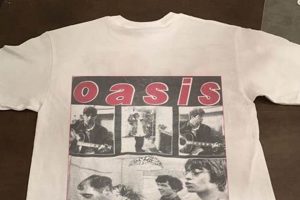
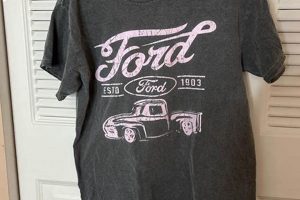
Apparel originally designed for athletic activities from a prior era, often characterized by specific fabrics, cuts, and detailing typical of their time of production, constitutes a distinct category. Examples include baseball jerseys from the 1950s, tennis polos from the 1970s, and running singlets from the 1980s.
The significance of these garments extends beyond mere clothing; they offer a tangible connection to sporting history and cultural trends. Collecting and wearing these items provides insight into past athletic achievements, fashion evolution, and manufacturing techniques. Furthermore, acquiring such pieces can support sustainable practices through the reuse and appreciation of well-made, enduring goods.
The following discussion will delve into the various styles, materials, and care considerations associated with these collectible and wearable items, offering guidance for enthusiasts and collectors alike.
Successfully engaging with the market for apparel requires a discerning eye and informed approach. The following tips provide guidance for both novice and experienced collectors.
Tip 1: Authenticate with Precision: Prioritize verifying authenticity. Examine labels, stitching, and fabric composition. Cross-reference these details with established resources and historical records to confirm the item’s era and origin.
Tip 2: Assess Condition Critically: Evaluate the garment’s condition carefully. Minor imperfections consistent with age may be acceptable, but significant damage, such as large tears or irreversible stains, can detract from its value and wearability.
Tip 3: Understand Fabric Properties: Recognize different fabrics used in production across decades. Cotton, rayon, and synthetics each possess unique characteristics influencing care and longevity. Implement appropriate cleaning and storage methods.
Tip 4: Evaluate Sizing Discrepancies: Be aware that sizing standards have evolved. Measure vintage items carefully and compare them to contemporary sizing charts to ensure a proper fit. Pay attention to shoulder width, chest circumference, and overall length.
Tip 5: Research Historical Context: Investigate the item’s historical context. Understanding the sport, team, or event associated with the garment can enhance its significance and value. Consult archival photos, catalogs, and historical accounts.
Tip 6: Store Appropriately: Employ suitable storage techniques to preserve quality. Use acid-free paper for wrapping, and store shirts in a cool, dry environment away from direct sunlight to prevent fading and degradation.
Tip 7: Seek Expert Appraisal When Necessary: For high-value or particularly rare pieces, consider obtaining a professional appraisal. A qualified expert can provide an objective assessment of authenticity, condition, and market value.
Careful application of these guidelines ensures informed acquisitions, proper care, and maximized appreciation of collectible sport garments.
The subsequent sections will address specific styles and materials commonly encountered in collections, enabling a more focused approach to identification and preservation.
1. Fabric

The fabric employed in the manufacture of sport apparel from previous eras serves as a primary indicator of its age, intended use, and level of technology available at the time. The type of fiber, weave, and finish significantly impact the garment’s durability, comfort, and aesthetic appeal. For instance, early 20th-century baseball jerseys were commonly constructed from wool flannel, a durable but heavy material chosen for its ability to withstand rigorous use on the field. The weight and texture of this fabric are markedly different from the lightweight, breathable polyester meshes that became prevalent in basketball and soccer uniforms during the 1970s and 1980s. Recognizing these differences enables accurate dating and authentication of apparel.
The shift in fabric choices also reflects advancements in textile manufacturing and a growing understanding of athletic performance requirements. The introduction of synthetic fibers like nylon and polyester allowed for the creation of lighter, more moisture-wicking garments, enhancing player comfort and potentially improving performance in hot or humid conditions. Examining the fabric composition can also reveal information about the garment’s care requirements. Wool flannel, for example, demands specialized cleaning methods to prevent shrinkage and damage, whereas polyester is generally more resilient and easier to maintain. The practical implication is that collectors and enthusiasts must adapt their cleaning and storage techniques according to the specific fabric properties to ensure the longevity of these items.
Ultimately, the relationship between fabric and collectible sport shirts is one of cause and effect. The materials selected at the time of manufacture dictate not only the garment’s physical characteristics but also its historical value and preservation needs. Understanding the fabric’s properties is essential for identifying authentic pieces, preserving their integrity, and appreciating their role in the evolution of athletic apparel. Ignoring fabric details can lead to misidentification, improper care, and ultimately, the degradation of historically significant items.
2. Era
The historical period during which a sport shirt was produced significantly influences its design, materials, and overall aesthetic. Identifying the era of origin is paramount to understanding the garment’s historical context, authenticity, and potential value.
- Design Aesthetics and Silhouettes
Each era boasts distinct design characteristics. For example, the 1950s might feature looser, boxier cuts and simpler graphic designs, while the 1970s could showcase tighter fits, bolder colors, and more elaborate logos. These stylistic elements are often indicative of prevailing fashion trends and cultural influences. Recognizing these era-specific design cues is essential for identifying and dating apparel accurately.
- Material Composition and Technology
The types of fabrics used in these garments reflect the technological advancements of their time. Early examples might utilize natural fibers such as wool or cotton, while later pieces may incorporate synthetic materials like polyester or nylon. The presence or absence of certain fabric types can serve as a definitive marker of its production era. Moreover, the weaving techniques and finishing processes used on these fabrics evolved, leaving behind a distinctive manufacturing signature.
- Manufacturing Techniques and Labor Practices
Production methods varied considerably across different periods. Garments produced before the advent of widespread automation often exhibit unique construction details such as hand-stitched seams or intricate embroidery. These labor-intensive techniques contrast sharply with the mass-produced items of later eras. Examining the construction quality and detailing provides valuable insights into the manufacturing practices of the garment’s time.
- Cultural and Sporting Significance
These garments serve as tangible artifacts of sporting history and cultural trends. A shirt worn by a specific athlete during a particular event or a design reflecting a significant cultural movement gains added significance. Understanding the historical context surrounding its production, ownership, and use enhances its value. Sporting achievements, social events, and popular cultural icons often influence shirt designs, making them cultural markers.
The interaction of these components dictates the worth and uniqueness of collectible garments. Understanding era-specific design choices, materials used, manufacturing approaches, and cultural links allows collectors and enthusiasts to thoroughly assess and respect these pieces of history. Failure to consider era characteristics risks misclassification and undervaluation of significant historical items.
3. Graphics

Visual elements featured on athletic apparel from previous eras serve as crucial identifiers of team affiliation, brand recognition, and prevailing aesthetic sensibilities. These graphics, encompassing logos, lettering, and illustrations, often reflect the design trends and technological capabilities of their respective periods. The method of application, whether through screen printing, embroidery, or heat transfer, provides insight into the manufacturing practices and material science of the time. Examples include the felt lettering and sewn-on patches of mid-20th-century baseball jerseys, the bold screen-printed logos of 1970s basketball singlets, and the heat-transferred graphics prevalent on 1980s running apparel. The integrity and condition of the graphic elements directly influence the item’s collectibility and market value. Faded or damaged graphics can diminish a garment’s appeal, while pristine graphics enhance its historical and aesthetic significance.
Understanding the specific graphic styles associated with different eras enables accurate authentication and dating. For instance, the use of specific fonts, color palettes, or logo designs can be traced to particular teams, events, or manufacturers. Knowledge of these details allows collectors and historians to differentiate between authentic pieces and reproductions. Moreover, the graphic elements can provide valuable information about the garment’s intended use and cultural context. A shirt featuring a specific team logo or event emblem might indicate its association with a particular season, championship, or social movement. This historical information adds depth to the item’s story and enhances its significance as a tangible artifact of sporting and cultural history.
Ultimately, the study of graphics on vintage sport apparel is indispensable for appreciating the evolution of athletic design, branding, and manufacturing. These visual elements offer a direct connection to the past, providing insights into the teams, athletes, and cultural forces that shaped the sporting landscape. Collectors and enthusiasts who possess a keen understanding of graphic styles and techniques are better equipped to identify, authenticate, and preserve these historically significant items. The challenge lies in acquiring the specialized knowledge required to distinguish between authentic graphics and later reproductions, ensuring the accuracy and integrity of collections and historical records.
4. Team Affiliation
Designation of team membership through garment design serves as a foundational element for appreciating collectible athletic apparel. Identifying the specific team associated with an item enhances its historical value and informs its cultural relevance.
- Logos and Insignia
Team logos and insignia are primary identifiers, facilitating immediate recognition. Examples include the interlocking NY of the New York Yankees or the stylized bear of the Chicago Bears. These emblems, often trademarked and consistently applied, signify official team endorsement. The design evolution of such logos across decades can be tracked, providing clues to the age and authenticity of a shirt.
- Color Schemes and Patterns
Established color schemes function as visual shorthand for team identification. The combination of green and white for the Boston Celtics or the blue and orange of the New York Mets are readily associated with those franchises. These color palettes, sometimes paired with distinctive patterns like pinstripes or argyle, contribute to a shirt’s recognizability and historical accuracy.
- Player Numbers and Names
Inclusion of player numbers or names directly links a shirt to a specific athlete, enhancing its value and historical significance. A jersey bearing the number 23 associated with Michael Jordan or the name Ruth emblazoned on a vintage baseball uniform commands increased collector interest. Careful verification of these details, including font style and application method, is crucial for authentication.
- League Patches and Commemorative Emblems
Patches indicating league affiliation or commemorating specific events offer additional contextual information. Examples include the MLB logo patch on a baseball sleeve or a Super Bowl patch on a football jersey. These emblems, often applied for a limited time, provide definitive markers of a particular season or historical milestone.
These facets of team designation combine to determine a shirt’s value and historical meaning. Scrutinizing logos, color schemes, player identifiers, and commemorative patches enables accurate authentication and fosters a deeper appreciation for the garment’s connection to sporting history. The absence or misrepresentation of these details can indicate a reproduction or a lack of verifiable association, underscoring the importance of detailed examination and historical research.
5. Construction
The method of garment construction in vintage athletic apparel offers critical insights into manufacturing practices, material quality, and the era of production. The techniques used to assemble these garmentsfrom stitching types to seam finishesreveal details that inform authenticity, durability, and historical significance.
- Seam Types and Stitching
The types of seams employed, such as flatlock, serged, or felled seams, denote the level of craftsmanship and technological capabilities available at the time of manufacture. Early examples often exhibit simpler seams and hand-finished details, while later pieces may showcase more complex, machine-executed stitching. Analyzing stitch density, thread composition, and seam construction aids in authenticating the garment and assessing its quality.
- Hardware and Fastenings
Buttons, zippers, snaps, and other hardware components provide additional clues about the garment’s age and origin. The materials used in these fastenings, such as metal, plastic, or mother-of-pearl, correspond to specific periods and manufacturing techniques. The style, brand, and condition of hardware elements can contribute to the overall assessment of authenticity and historical accuracy.
- Reinforcements and Detailing
Areas subject to stress, such as shoulders, elbows, and pockets, often feature reinforcement techniques like bar tacking, double stitching, or added layers of fabric. These reinforcements enhance the garment’s durability and reflect the manufacturer’s attention to quality. Examining these details reveals valuable information about the intended use and lifespan of the apparel.
- Labeling and Branding
The style, placement, and content of labels provide critical information about the manufacturer, size, and fabric composition. Label designs evolved over time, reflecting changes in branding strategies and regulatory requirements. Analyzing the font, logo, and wording on labels aids in dating the garment and verifying its authenticity. The presence of union labels or care instructions offers further insight into the manufacturing environment and consumer expectations of the era.
These construction elements, when examined collectively, offer a comprehensive understanding of a shirt’s creation and historical context. Collectors and enthusiasts who possess a discerning eye for these details are better equipped to assess authenticity, appreciate craftsmanship, and preserve athletic apparel as tangible artifacts of the past.
6. Condition
The physical state of an athletic shirt from a prior era exerts a profound influence on its collectibility, wearability, and historical value. The presence of flaws, such as stains, tears, fading, or alterations, directly affects the garment’s desirability and its ability to accurately represent its time of origin. For instance, a 1950s baseball jersey exhibiting significant discoloration and multiple repairs diminishes in value compared to an example in near-mint condition. The degree to which a shirt retains its original form and features dictates its usefulness as a resource for historical study and its appeal to collectors seeking authentic representations of sporting history.
Practical considerations regarding condition extend to preservation efforts. Garments in poor condition require specialized cleaning and restoration techniques to prevent further degradation. Conversely, well-preserved items demand careful handling and storage to maintain their integrity. Understanding the specific materials and construction methods employed in each era is essential for implementing appropriate care strategies. For example, attempting to clean a delicate wool flannel jersey from the 1930s using modern detergents could result in irreversible damage, whereas a polyester shirt from the 1970s might withstand standard laundering procedures. Evaluating the condition of a shirt and tailoring its care accordingly is critical for ensuring its long-term survival. Moreover, detailed documentation of the garment’s condition prior to any cleaning or repair attempts serves as a valuable record for future researchers and conservators.
In conclusion, condition functions as a primary determinant of the worth and usability of vintage athletic shirts. Assessing the state of a garment involves a thorough examination of its flaws and strengths, informing decisions about acquisition, preservation, and historical interpretation. While imperfections consistent with age may be acceptable, significant damage can compromise the shirt’s historical value and its ability to serve as a reliable representation of the past. The challenge lies in striking a balance between preserving the garment’s original character and implementing appropriate measures to ensure its long-term stability, contributing to a broader understanding and appreciation of sporting history.
Frequently Asked Questions
The following questions address common inquiries regarding the identification, acquisition, and preservation of athletic garments from prior eras.
Question 1: What constitutes an authentic vintage sport shirt?
Authenticity is determined by verifying the garment’s materials, construction, labeling, and design against historical records and manufacturing standards of the purported era. Discrepancies in these elements may indicate a reproduction or a later-era product.
Question 2: How does one assess the condition of vintage sport shirts?
Condition assessment involves a comprehensive evaluation of the fabric integrity, seam strength, graphic quality, and the presence of any damage, such as stains, tears, or fading. Garments with minimal flaws generally command higher value.
Question 3: What factors influence the value of a collectible athletic garment?
Value determinants include the shirt’s authenticity, condition, rarity, historical significance, team affiliation, and the presence of any provenance, such as documented ownership by a notable athlete.
Question 4: How should sport shirts from previous eras be properly stored?
Proper storage entails using acid-free materials for wrapping, maintaining a stable temperature and humidity level, avoiding direct sunlight exposure, and employing appropriate hanging or folding techniques to prevent stress on the fabric.
Question 5: What cleaning methods are appropriate for delicate athletic shirts?
Cleaning protocols should be tailored to the specific fabric composition and construction of the garment. Gentle hand washing with pH-neutral detergents or professional dry cleaning services specializing in textile conservation are recommended for delicate items.
Question 6: How can one differentiate between a reproduction and a genuine shirt?
Distinguishing between reproductions and authentic pieces requires meticulous examination of the garment’s details, including the font styles, stitching patterns, fabric types, and labeling characteristics, comparing them to established historical benchmarks.
Accurate identification, careful handling, and appropriate preservation techniques are essential for maintaining the value and historical integrity of collectible athletic apparel.
The subsequent section will delve into the role of these garments within the broader context of sports history and popular culture.
Conclusion
The preceding exploration has examined athletic apparel from bygone eras, focusing on aspects of authenticity, condition, historical context, and preservation techniques. Understanding fabric composition, era-specific design elements, graphic representation, team affiliation, construction methods, and condition assessment are essential for appreciating the significance of these items.
Continued research and diligent preservation efforts are vital for safeguarding these tangible links to sports history. Further study will refine methodologies for authentication and conservation, ensuring future generations can appreciate the cultural and historical value embodied within these garments.