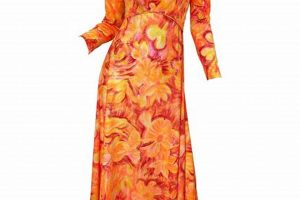
Apparel from a specific designer’s past collections, particularly those created by Nicole Miller, constitutes a unique segment of the fashion market. These garments, dating back several years, possess a distinct aesthetic reflecting design trends and sensibilities prevalent during their initial production period. An example would be a silk dress featuring bold, graphic prints characteristic of Miller’s designs from the late 1980s or early 1990s.
Acquiring such garments provides access to enduring style, potentially offering higher-quality craftsmanship and distinctive designs not readily available in contemporary collections. These pieces represent a tangible link to a particular era in fashion history, contributing to a more sustainable approach to consumption by extending the lifespan of existing clothing. Their availability allows individuals to curate a personal style that deviates from current trends and expresses individuality.
The following sections will delve into the factors influencing the value of these items, methods for authenticating them, and practical considerations for their care and preservation.
Tips for Acquiring Vintage Nicole Miller Apparel
The acquisition of apparel from Nicole Miller’s past collections requires a discerning approach. Verification of authenticity, assessment of condition, and understanding of historical context are crucial for a successful purchase.
Tip 1: Verify Authenticity. Examine labels and tags carefully. Genuine articles feature specific Nicole Miller trademarks, including woven labels and often, fabric content/care tags. Compare these details with known examples from the same era.
Tip 2: Assess Condition Thoroughly. Examine the garment for signs of wear, including stains, tears, or fading. Pay particular attention to areas prone to damage, such as seams, closures, and delicate fabrics like silk. Request detailed photographs from the seller if purchasing online.
Tip 3: Understand Fabric Content. Nicole Miller utilized a variety of fabrics throughout her career. Understanding the common materials used during specific periods can assist in authentication and inform appropriate care methods. For example, early pieces frequently featured silk crepe de chine.
Tip 4: Research Historical Context. Familiarize yourself with Nicole Miller’s design aesthetic across different decades. This knowledge allows for identification of genuine pieces and helps assess fair market value. Online archives and vintage fashion resources can be invaluable.
Tip 5: Consider Alterations. Vintage sizes often differ from contemporary sizing. Factor in the potential cost of alterations when evaluating a purchase. A well-fitting garment will ultimately enhance its value and wearability.
Tip 6: Inquire About Storage. The manner in which a garment was stored significantly impacts its condition. Ask the seller about storage practices, particularly regarding protection from light, moisture, and pests.
Acquiring authentic and well-maintained examples of this apparel requires diligence and informed decision-making. Careful consideration of these factors ensures a worthwhile investment and lasting enjoyment.
The following sections will address the proper care and preservation techniques for vintage garments, further enhancing their longevity and value.
1. Era's Design Aesthetic

The design aesthetic characteristic of a specific era significantly influences the desirability and value of vintage Nicole Miller apparel. These garments serve as tangible representations of prevailing fashion trends and cultural influences during their production period.
- Print Motifs and Color Palettes
Each decade showcases distinct print motifs and color palettes. The late 1980s and early 1990s, for example, often featured bold, graphic prints, and vibrant color combinations. Later periods might exhibit more subdued tones and abstract designs. These stylistic elements are key identifiers of a garment’s era.
- Silhouette and Construction Techniques
Silhouettes evolved alongside broader fashion trends. The shift from structured tailoring in the 1980s to more fluid and relaxed forms in subsequent years is evident in dress designs. Construction techniques, such as the use of specific seam finishes or fabric draping methods, further reflect the prevailing aesthetic of a given time.
- Fabric Choices and Textural Elements
The selection of fabrics mirrors technological advancements and shifts in consumer preferences. Early pieces often utilized silk crepe de chine and rayon blends, while later designs might incorporate newer synthetic materials. The incorporation of embellishments, such as beads or embroidery, also varied across different eras, contributing to their unique visual character.
- Cultural Influences and Artistic Movements
Nicole Miller’s designs frequently reflected contemporary cultural influences and artistic movements. Inspiration drawn from art, music, and social trends can be observed in print designs, silhouettes, and overall aesthetic. Identifying these influences helps contextualize the garment within its historical period.
Understanding the interplay between era-specific design aesthetics and the attributes of these garments is vital for collectors and enthusiasts alike. Recognizing the nuances of each period ensures accurate authentication and informed appreciation of the garment’s historical and artistic value.
2. Fabric and Construction

The materials and manufacturing techniques employed in a vintage Nicole Miller garment are critical determinants of its authenticity, durability, and overall value. These aspects offer insights into the garment’s origin and the era in which it was produced.
- Fabric Composition and Sourcing
The type of fabric used, such as silk crepe de chine, rayon blends, or newer synthetics, varies across different production periods. Identifying the fiber content is crucial for verifying authenticity and determining appropriate care methods. Early pieces often featured high-quality, natural fibers sourced from specific regions. The presence of such materials can indicate a genuine article from a particular era.
- Seam Construction and Finishing Techniques
The methods used to construct seams, including the type of stitching and seam finishing, reflect the manufacturing standards and technologies available at the time of production. Examining these details can help differentiate between authentic vintage pieces and modern reproductions. Features such as hand-finished seams or specialized stitching patterns are indicative of older, high-quality garments.
- Hardware and Embellishments
Details such as zippers, buttons, and embellishments (e.g., beads, sequins) provide further clues about the garment’s origin. The materials and styles of these components often correlate with specific eras. For instance, a dress from the 1980s might feature a metal zipper with a distinct pull tab, while a later piece might utilize a plastic zipper. The quality and application of embellishments also reflect the garment’s overall construction and value.
- Lining and Interfacing Materials
The choice of lining and interfacing materials influences the garment’s drape, structure, and comfort. Vintage garments often utilized specific types of linings, such as silk or rayon, to enhance the overall quality and feel. Examining these hidden components provides valuable insights into the garment’s construction and authenticity. The presence of carefully selected linings is a hallmark of well-made vintage pieces.
In conclusion, a thorough analysis of the fabrics used and the construction techniques employed is essential for evaluating and appreciating vintage Nicole Miller apparel. These elements, when considered in conjunction with design aesthetics and other factors, contribute to a comprehensive understanding of the garment’s history and value.
3. Authenticity Verification Points

Verifying the authenticity of vintage Nicole Miller apparel is a crucial step in assessing its value and historical significance. Several distinct points of examination provide evidence of a garment’s genuine nature, distinguishing it from reproductions or imitations.
- Label Examination
The presence and characteristics of the brand label are primary indicators of authenticity. Vintage Nicole Miller labels feature specific font styles, logo designs, and placement patterns that evolved over time. Discrepancies in these details, such as incorrect font usage or misaligned stitching, may suggest a counterfeit garment. Authentic labels are consistently and securely attached, often with a specific stitch pattern unique to the brand.
- Fabric and Construction Analysis
The types of fabrics used and the methods of construction employed reflect the production standards of the era. Authentic vintage garments utilize materials and techniques consistent with the brand’s practices during the garment’s purported period. For instance, the presence of a fabric blend not available during that time or inconsistent seam finishing suggests potential inauthenticity. A careful examination of the inner construction, including linings and interfacing, can reveal further evidence.
- Print and Design Detail Assessment
Nicole Miller’s designs are characterized by distinctive print motifs, color palettes, and design details. Examination of these elements can reveal inconsistencies or inaccuracies that indicate a reproduction. Authentic prints exhibit sharp, well-defined lines and color saturation consistent with the original designs. Design elements such as button styles, zipper types, and decorative embellishments should align with the brand’s historical practices.
- Historical Context and Provenance Research
Understanding the historical context of a garment and tracing its provenance can provide valuable insights into its authenticity. Researching the specific collection or season to which a garment purportedly belongs can reveal corroborating details or inconsistencies. Examining documentation, such as original purchase receipts or photographs, can further support the garment’s authenticity. Garments with a well-documented history are generally considered more valuable and likely to be genuine.
These authenticity verification points, when considered collectively, offer a comprehensive approach to assessing vintage Nicole Miller apparel. A meticulous examination of labels, fabrics, construction, design details, and historical context is essential for ensuring the legitimacy and value of these garments.
4. Condition Assessment Factors
The evaluation of condition is paramount when assessing the value and desirability of vintage Nicole Miller apparel. Given their age and potential for prior use, these garments require careful inspection to determine their current state and projected longevity. A thorough assessment considers various factors that impact both aesthetic appeal and structural integrity.
- Fabric Integrity and Damage
Examination of the fabric is crucial, with attention paid to signs of wear, discoloration, or damage. Fading, staining, tears, snags, and weakened fibers significantly detract from a garment’s value. Sunlight exposure, improper storage, and the inherent fragility of certain fabrics (e.g., silk crepe de chine) contribute to degradation. The presence of moth holes or other pest damage necessitates careful evaluation and potential remediation.
- Seam and Construction Stability
The integrity of seams and overall construction is vital for ensuring the garment’s structural soundness. Weakened or broken seams, particularly in stress points such as armholes or closures, compromise wearability. Stretched or distorted fabric along seams indicates potential stress and prior wear. Missing buttons, damaged zippers, or faulty closures necessitate repair or replacement, impacting the garment’s overall value.
- Alterations and Modifications
Prior alterations significantly influence a garment’s value and collectibility. While professional alterations may enhance fit, they can also detract from the garment’s original design. Visible or poorly executed alterations diminish desirability. Significant modifications, such as shortening the hemline or changing the neckline, fundamentally alter the garment’s character and reduce its historical significance.
- Stains and Discoloration
The presence of stains or discoloration impacts the aesthetic appeal and perceived value of a vintage item. Stains from spills, cosmetics, or age can be difficult to remove without damaging delicate fabrics. Discoloration due to sunlight exposure or improper storage detracts from the garment’s original appearance. The extent and nature of staining or discoloration must be carefully assessed, as remediation may not be feasible or cost-effective.
These condition assessment factors, collectively, provide a framework for evaluating vintage Nicole Miller garments. Careful consideration of fabric integrity, seam stability, alterations, and stains informs an accurate appraisal of the garment’s current state and potential value. The overall condition significantly influences its desirability among collectors and wearers alike.
5. Market Value Dynamics

The market value of vintage Nicole Miller apparel is subject to fluctuations influenced by a complex interplay of factors. Understanding these dynamics is crucial for collectors, sellers, and enthusiasts seeking to navigate this segment of the fashion market effectively.
- Rarity and Scarcity
The scarcity of specific designs, particularly those from early collections or limited editions, significantly impacts market value. Garments produced in small quantities or featuring unique, highly sought-after prints command higher prices. Factors such as the garment’s age and condition further contribute to its perceived rarity. For example, a silk dress from the late 1980s in pristine condition with a recognizable print is likely to be more valuable than a later-era design produced in larger quantities.
- Trend Cycles and Fashion Influences
Current fashion trends and the resurgence of past styles influence the demand for specific vintage pieces. A renewed interest in 1990s fashion, for instance, may elevate the value of Nicole Miller garments from that era. Celebrity endorsements and media exposure also contribute to trend cycles, driving up demand for particular designs. These influences are often unpredictable, leading to fluctuations in market values.
- Condition and Authenticity
The condition of a vintage garment and the certainty of its authenticity are primary determinants of its market value. Garments in excellent condition, free from significant damage or alterations, command higher prices. Authentication through label verification, fabric analysis, and historical research enhances perceived value. Buyers are willing to pay a premium for pieces with documented provenance and assured authenticity.
- Economic Factors and Consumer Sentiment
Broader economic conditions and consumer sentiment influence the overall market for vintage fashion. During periods of economic prosperity, discretionary spending on luxury goods, including vintage apparel, tends to increase. Conversely, economic downturns may lead to a decline in demand and lower market values. Consumer confidence and interest in sustainable fashion also play a role in shaping the market.
In conclusion, the market value of vintage Nicole Miller apparel is a dynamic entity shaped by rarity, trend cycles, condition, authenticity, and economic factors. A comprehensive understanding of these forces enables informed decision-making in this ever-evolving segment of the fashion market.
Frequently Asked Questions
The following section addresses common inquiries regarding the identification, valuation, and care of vintage Nicole Miller garments. Accurate information is crucial for collectors, sellers, and individuals seeking to appreciate these items.
Question 1: How can a vintage Nicole Miller dress be authenticated?
Authenticity verification involves a multi-faceted approach. The label should be meticulously examined for correct font, logo placement, and stitching patterns consistent with the brand’s historical practices. Fabric composition, construction techniques, and design details should align with the garment’s purported era. Historical research and provenance documentation further support authentication.
Question 2: What factors contribute to the value of a vintage Nicole Miller dress?
Value is influenced by a combination of factors. Rarity, determined by production quantities and design uniqueness, plays a significant role. Condition, including fabric integrity and absence of damage or alterations, is paramount. Authentication, assuring the garment’s genuine nature, enhances perceived value. Market trends and fashion influences also impact demand and pricing.
Question 3: What are common signs of damage to consider when assessing a vintage Nicole Miller dress?
Common signs of damage include fabric fading, staining, tears, and weakened fibers. Seam instability, with broken or stretched stitching, compromises structural integrity. Alterations, particularly those poorly executed or significantly modifying the original design, detract from value. Missing buttons, damaged zippers, and faulty closures necessitate repair or replacement.
Question 4: How should a vintage Nicole Miller dress be properly stored?
Proper storage is essential for preserving vintage garments. The dress should be stored in a cool, dry, and dark environment to prevent fading and fabric degradation. Acid-free tissue paper should be used to pad folds and prevent creasing. Garments should be hung on padded hangers to maintain their shape. Mothballs or cedar chips can deter pests, but should be used with caution to avoid direct contact with the fabric.
Question 5: Can stains be safely removed from a vintage Nicole Miller dress?
Stain removal from vintage fabrics requires extreme caution. Professional cleaning by a specialist experienced in handling delicate materials is recommended. Avoid harsh chemicals or aggressive cleaning methods, which can cause irreversible damage. Spot testing in an inconspicuous area is advisable before attempting any stain removal.
Question 6: Where can a vintage Nicole Miller dress be purchased?
Vintage Nicole Miller dresses are available through various channels. Reputable vintage clothing stores, online marketplaces specializing in vintage fashion, and auction houses are common sources. Thoroughly research sellers and examine garment details carefully before making a purchase to ensure authenticity and assess condition accurately.
In summary, acquiring and maintaining a vintage Nicole Miller dress requires informed decision-making and diligent care. Attention to authenticity, condition, and proper storage ensures the garment’s long-term preservation and value.
The following sections will address case studies of significant vintage Nicole Miller pieces, providing real-world examples and insights.
Conclusion
This exploration has detailed the multifaceted aspects of a vintage Nicole Miller dress, encompassing authentication methods, condition assessment, market value dynamics, and care protocols. The garment’s inherent design characteristics, construction techniques, and historical context collectively determine its significance within the fashion landscape. Careful consideration of these elements is crucial for informed acquisition and preservation.
The enduring appeal of these garments lies in their ability to encapsulate a specific era, reflecting both artistic and cultural influences. Continued research and diligent care will ensure that these pieces remain valuable artifacts, contributing to a broader understanding of fashion history. Further investigation into specific collections and design periods is encouraged, fostering a deeper appreciation for the designer’s contributions.