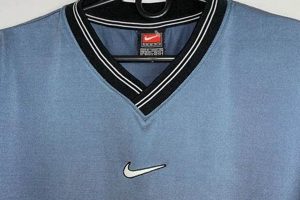
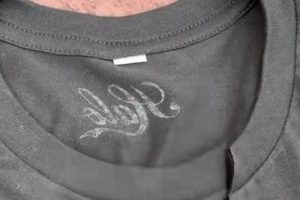
Apparel featuring the iconic heavy metal band Metallica, produced and sold during earlier periods, constitutes a distinct category within the broader market for band merchandise. These items often exhibit characteristics indicative of their age, such as fading, cracking of the print, and alterations in fabric texture. A garment displaying the band’s logo or album artwork from the 1980s, showing clear signs of wear consistent with that era, serves as a representative example.
The desirability of these items stems from several factors. Rarity, driven by limited production runs and the passage of time, significantly influences value. Collectors and enthusiasts often seek out specific designs or tour-related prints. Furthermore, these articles of clothing provide a tangible connection to a specific period in the band’s history and music culture. They represent a piece of music history, evoking nostalgia and signifying the wearer’s affiliation with a particular subculture.
The subsequent sections will delve into the key attributes used to identify genuine articles, explore factors impacting their value, and provide guidance on care and preservation to maintain their condition and worth.
Tips for Assessing Authentic Metallica T-Shirt Vintage
The authentication and preservation of vintage band merchandise require careful attention to detail. This section provides key guidelines to assist in evaluating the genuineness and maintaining the condition of these garments.
Tip 1: Examine the Fabric. Original shirts from the 1980s and early 1990s were often constructed from single-stitch cotton. This refers to the sewing technique used on the hem and sleeves. Identifying a single-stitch construction is a strong indicator of older manufacture.
Tip 2: Scrutinize the Print Quality. Screen-printing techniques of earlier eras differ from modern methods. Observe the texture and detail of the printed graphic. Fading and cracking are common in authentic vintage items, but the overall image should still exhibit clear definition.
Tip 3: Analyze the Tag and Label. The presence of a vintage tag, often featuring specific brand names prevalent during the period of manufacture (e.g., Brockum, Giant), can corroborate authenticity. Research tag styles and logos associated with different eras to verify their appropriate application.
Tip 4: Investigate Copyright Information. Metallica merchandise typically includes copyright dates. Compare the copyright date to the album release date or tour dates depicted on the shirt. Discrepancies may suggest a reproduction.
Tip 5: Evaluate the Garment’s Condition. While some wear and tear are expected, excessive damage or alterations may detract from value. Assess the structural integrity of the seams, collar, and overall fabric. Significant repairs can impact collectibility.
Tip 6: Research the Design. Familiarize yourself with known Metallica shirt designs from various eras. Consult online archives, collector communities, and reputable vintage merchandise sellers to compare your item with authenticated examples. Rare or sought-after designs command higher value.
Tip 7: Consult with Experts. For high-value or particularly rare items, seeking the opinion of a vintage clothing expert or memorabilia appraiser is recommended. Their specialized knowledge can provide invaluable insights into authenticity and market value.
These guidelines emphasize the importance of meticulous inspection and historical awareness in the appraisal of collectable band apparel. Employing these tips will aid in making informed decisions regarding acquisition, preservation, and valuation.
The following sections will discuss how to care for and preserve such vintage pieces.
1. Fabric Composition

The fabric composition of vintage Metallica apparel serves as a critical indicator of its age, authenticity, and overall value. The materials used in these garments reflect the manufacturing standards and prevalent textile technologies of their respective eras.
- Cotton Quality and Weave
Early examples of Metallica shirts were frequently manufactured using 100% cotton. The specific weave and grade of cotton varied, affecting the shirt’s durability, texture, and how it aged over time. A coarser, more open weave is often observed in older shirts compared to the smoother, tighter weaves of more recent reproductions. Variations in cotton quality can indicate the shirt’s production era, aligning with historical textile manufacturing practices. For example, heavier weight cotton was common in the 1980s.
- Single-Stitch Construction
A significant characteristic of many authentic vintage Metallica shirts is the single-stitch construction. This refers to the use of a single line of stitching at the hem and sleeve edges. This method was common in garment manufacturing until the early 1990s. The presence of single-stitch construction is a strong indicator of a shirt’s age, distinguishing it from later double-stitched garments. However, it is not foolproof as single stitching could be replicated.
- Blend Variations
While 100% cotton was prevalent, some vintage Metallica shirts incorporated fabric blends, such as cotton-polyester combinations. These blends were intended to enhance durability and reduce shrinkage. The specific ratio of cotton to polyester can provide additional clues about the shirt’s origin, as certain blends were more common during particular periods. For instance, a higher polyester content might indicate a shirt from the late 1970s or early 1980s.
- Fading and Degradation Patterns
The way in which the fabric has aged, including the pattern of fading and any signs of degradation, offers insights into its composition and authenticity. Natural cotton fibers tend to fade and wear differently than synthetic blends. The type of dye used and the environmental conditions to which the shirt was exposed contribute to unique aging characteristics. Examining the consistency and nature of the fading can help distinguish between genuine vintage wear and artificial distressing applied to modern reproductions.
These facets of fabric composition collectively contribute to the overall assessment of vintage Metallica shirts. By carefully examining the materials used, construction techniques, and aging patterns, enthusiasts and collectors can gain a more comprehensive understanding of a garment’s authenticity and historical context. Analysis of the fabric is essential to accurately assessing and valuing these collectible items.
2. Print Quality
Print quality is a paramount factor in assessing the authenticity and value of vintage Metallica apparel. The techniques, inks, and application methods used in earlier decades differ substantially from modern practices, leaving distinct characteristics that can either confirm or refute a garment’s age.
- Screen Printing Techniques and Layering
Vintage Metallica shirts were predominantly screen-printed, a process involving the application of ink through a mesh stencil. Early screen-printing often resulted in thicker ink layers and less precise registration compared to contemporary methods. Examination under magnification may reveal slight misalignments or imperfections in color separation, which are common in older prints. These subtle flaws, rather than detracting from value, often serve as indicators of authenticity.
- Ink Types and Durability
The types of inks used in vintage prints varied from plastisol to water-based formulations. Plastisol inks, known for their durability and vibrant colors, were frequently employed. However, over time, plastisol prints tend to crack or exhibit a degree of wear, creating a characteristic distressed appearance. The nature and pattern of cracking can provide insights into the shirt’s age and usage history. Conversely, water-based inks tend to fade more gradually, imparting a softer, more subtle vintage aesthetic.
- Color Vibrancy and Fading Patterns
Original prints typically display a level of color vibrancy consistent with their age and exposure to environmental factors. Gradual fading is expected, particularly in areas subject to direct sunlight or frequent washing. The pattern of fading can be telling, with more pronounced fading on the shoulders and upper back. In contrast, artificially distressed reproductions often exhibit uniform fading or unnatural color distortions that lack the authenticity of genuine vintage wear.
- Graphic Detail and Resolution
The level of detail and resolution achieved in vintage prints often differs from modern reproductions. Due to limitations in printing technology, fine lines and intricate details may appear less sharp or defined in older prints. Examining the edges of graphic elements and text can reveal subtle imperfections that are characteristic of vintage screen-printing. This contrasts with the crisp, highly detailed graphics produced by contemporary digital printing methods.
Analyzing the print quality of these vintage Metallica shirts provides essential clues about their origin and authenticity. Variations in screen-printing techniques, ink types, color vibrancy, and graphic detail all contribute to a complex picture of a garment’s history and value. A discerning assessment of these elements is crucial for collectors and enthusiasts seeking to differentiate genuine vintage items from modern reproductions.
3. Tag Identification

The identification tag sewn into a vintage Metallica shirt is a crucial artifact for authentication and valuation. These tags provide information about the manufacturer, fabric composition, and sometimes, the year of production. A mismatch between the tag and the shirt’s design, copyright date, or construction techniques immediately raises suspicion regarding its authenticity. For example, a shirt featuring a design from 1988 but bearing a tag from a manufacturer known to have started operations in the 1990s indicates a likely reproduction. Tag identification, therefore, serves as a primary checkpoint in determining whether a purported vintage item is genuine.
The practical significance of tag identification extends beyond mere authentication. Specific tag brands, such as “Brockum,” “Giant,” or “Screen Stars,” were prevalent during certain periods and associated with officially licensed merchandise. Recognizing these brands and their respective eras allows collectors to narrow down the shirt’s potential production window. Moreover, subtle variations in tag design, font, and placement can further refine the estimation of its age. Collectors often maintain extensive databases of tag styles and logos to facilitate this process. The absence of a tag, while not definitively proving a shirt is not vintage, reduces its value and makes authentication significantly more challenging, as key identifying information is missing.
In summary, tag identification is an indispensable component of assessing a vintage Metallica shirt. It functions as a vital clue in establishing authenticity, dating the garment, and determining its market value. While tag information should be considered in conjunction with other factors, such as print quality and fabric composition, its accurate interpretation forms a cornerstone of responsible collecting and valuation practices. The challenges lie in counterfeiters attempting to replicate vintage tags; therefore, familiarity with the nuances of genuine tags is essential. A deeper understanding of this connection contributes to preserving the band’s historical legacy.
4. Copyright Dates

Copyright dates imprinted on vintage Metallica shirts serve as crucial elements in establishing authenticity and historical context. These dates, typically appearing near the band’s logo, album artwork, or tour information, provide a verifiable timeline aligning with the band’s activities and officially licensed merchandise production.
- Verification of Licensing Agreements
Copyright dates often indicate the validity of licensing agreements between Metallica and merchandise manufacturers. A correctly placed copyright date assures that the design was legally authorized for production during that period. Any absence of a copyright notice or a date preceding the band’s official formation or relevant album release immediately suggests an unauthorized or counterfeit product. Checking against known licensing histories, available through music industry archives and collector communities, can further validate authenticity.
- Chronological Alignment with Album Releases and Tours
The copyright date should correlate with the specific album release or tour featured on the shirt. For example, a shirt promoting the “Master of Puppets” album should ideally bear a copyright date around 1986, the year of the album’s release. Discrepancies, such as a later date on a shirt featuring artwork from an earlier album, could indicate a reproduction or a later reprint. Cross-referencing dates with official Metallica discographies and tour schedules confirms the shirt’s historical accuracy.
- Identification of Bootlegs and Unauthorized Reproductions
The presence of incorrect or missing copyright dates is a common characteristic of bootleg Metallica shirts. Counterfeiters frequently neglect to include accurate copyright information or use dates that do not align with the band’s timeline. Examining the font, placement, and overall appearance of the copyright notice can further reveal inconsistencies indicative of a reproduction. Detailed comparisons with known authentic examples are essential for detecting these subtle differences.
- Dating Garments with Obscured or Faded Dates
In cases where the copyright date is partially obscured or faded due to wear, forensic analysis of the remaining digits and surrounding design elements can sometimes allow for its reconstruction. Even a partial date can provide valuable clues, narrowing down the potential production window and aiding in authentication. Advanced techniques, such as ultraviolet light examination, may reveal faded or altered copyright information that is not visible under normal lighting conditions.
In conclusion, copyright dates are indispensable indicators for verifying the authenticity and establishing the historical context of vintage Metallica shirts. Their presence, accuracy, and alignment with known band activities provide a critical foundation for collectors and enthusiasts seeking to distinguish genuine articles from unauthorized reproductions. Scrutiny of the copyright information, coupled with other authentication methods, enhances the assessment process and protects the integrity of collecting practices.
5. Condition Assessment
The evaluation of physical condition plays a pivotal role in determining the value and desirability of vintage Metallica shirts. The garment’s state directly influences its collectibility, affecting both its aesthetic appeal and its potential longevity. Factors such as fabric integrity, print quality degradation, and the presence of stains, tears, or alterations contribute to the overall assessment. A shirt exhibiting significant damage will generally command a lower value compared to an example in excellent condition, assuming all other factors such as rarity and design are equal. For instance, a rare tour shirt from 1986 might be highly sought after, but a version riddled with holes and heavily faded would be considerably less valuable than one in near-mint condition.
The specific criteria used for condition assessment often mirror those employed in evaluating other forms of vintage collectibles. Terms like “Mint,” “Near Mint,” “Excellent,” “Good,” and “Poor” are frequently used to categorize the state of the shirt. However, the interpretation of these terms can be subjective and should be aligned with industry standards for vintage apparel. A degree of fading and minor cracking in the print may be acceptable, or even desirable, in a vintage piece, as these characteristics can attest to its authenticity and age. Major flaws, such as large tears, significant stains, or amateur repairs, typically detract considerably from the garment’s value. Professional restoration, if ethically performed and properly disclosed, can sometimes mitigate the impact of minor damage, but is a specialist field.
In conclusion, condition assessment is a critical step in appraising vintage Metallica shirts. This rigorous process determines a significant portion of the garment’s market value. Understanding the nuances of condition grading, the impact of specific flaws, and the potential for ethical restoration is essential for both collectors and sellers navigating this specialized market. Accurate and transparent condition reporting fosters trust and ensures fair transactions within the vintage Metallica memorabilia community.
6. Design Rarity

The scarcity of a particular design significantly influences the valuation and collectibility of vintage Metallica shirts. Designs produced in limited quantities, whether due to short production runs, exclusive distribution channels, or specific promotional purposes, command a higher premium within the collector’s market.
- Limited Edition Tour Merchandise
Shirts issued exclusively during specific tour legs or concerts often exhibit restricted availability. These designs typically feature unique tour dates or venue-specific graphics, distinguishing them from mass-produced merchandise. An example includes a shirt printed solely for a single show on the Damage, Inc. tour. The limited geographic distribution and finite timeframe of production contribute to their rarity, thus increasing their value among collectors.
- Promotional and Staff-Exclusive Designs
Apparel created for promotional purposes or distributed solely to band crew and staff represents another source of rare designs. These shirts may incorporate unique graphics, logos, or messaging not available to the general public. A shirt given only to the recording crew of “The Black Album,” for instance, would possess inherent scarcity due to its limited distribution. Their rarity is amplified by the fact that they are less likely to surface in the secondary market compared to commercially sold designs.
- Misprints and Production Errors
Unintentional variations resulting from misprints or production errors can inadvertently create rare and sought-after designs. These errors might include color variations, misaligned graphics, or printing flaws. While initially considered defective, these shirts gain notoriety and value among collectors who appreciate their unique deviations from the intended design. An example could be a shirt with a significant color bleed or an inverted graphic. The accidental nature and low survival rate of these errors contribute to their rarity.
- Designs Featuring Obscure or Short-Lived Artwork
Shirts displaying artwork, logos, or imagery that was quickly discontinued or used for a limited time become rare as they disappear from circulation. These designs may be associated with specific promotional campaigns, album covers that were later altered, or short-lived marketing strategies. An instance of this could be a shirt featuring an early version of the Metallica logo that was subsequently revised. The limited timeframe during which these designs were produced and distributed elevates their rarity.
The degree of rarity, determined by the confluence of production volume, distribution method, and historical context, plays a fundamental role in defining the desirability and economic value of vintage Metallica shirts. These factors must be evaluated meticulously to ascertain the true scarcity and significance of a particular design within the broader landscape of Metallica memorabilia.
Frequently Asked Questions
The following questions address common inquiries regarding the identification, valuation, and preservation of collectible apparel featuring the band Metallica. These answers are intended to provide clarity and guidance to collectors and enthusiasts.
Question 1: What are the primary indicators of an authentic Metallica T shirt vintage?
Key indicators include single-stitch construction, the presence of a vintage tag (e.g., Brockum, Giant), screen-printed graphics, and a copyright date aligning with the album or tour depicted. Discrepancies among these elements suggest a possible reproduction.
Question 2: How does fabric composition aid in determining the age of a garment?
Garments produced before the mid-1990s often feature 100% cotton construction or specific cotton-polyester blends. The type of weave and the presence of single-stitch seams are additional indicators of vintage manufacturing techniques.
Question 3: What effect does the condition of a vintage shirt have on its value?
The condition significantly influences value. Shirts in excellent or near-mint condition command higher prices. Significant flaws, such as large tears, stains, or amateur repairs, detract from the garment’s worth. Some fading and minor print cracking may be acceptable.
Question 4: How can copyright dates be used to verify authenticity?
Copyright dates should correlate with the album release or tour dates depicted on the shirt. A missing copyright date or a date that does not align with the band’s historical timeline raises concerns about authenticity.
Question 5: What is the significance of tag identification in the authentication process?
Vintage tags from brands like Brockum, Giant, or Screen Stars are strong indicators of authenticity. These tags were prevalent during specific periods, and their presence can help narrow down the shirt’s potential production window. The absence of a tag makes the authentication process considerably more challenging.
Question 6: How does design rarity affect the value of a Metallica T shirt vintage?
Rare designs, such as those produced for limited-edition tours, promotional events, or staff exclusives, command higher prices due to their scarcity. Misprints and production errors can also inadvertently create rare and sought-after variations.
Understanding these factors is crucial for making informed decisions regarding the acquisition, preservation, and valuation of vintage Metallica shirts. Collectors should exercise diligence and seek expert consultation when necessary.
The following section will provide guidance on caring for and preserving these items.
Conclusion
This exploration has underscored the multifaceted nature of apparel featuring the band Metallica from prior eras. Key aspects, including fabric composition, print characteristics, tag identification, copyright dates, condition assessment, and design rarity, collectively determine the authenticity, value, and historical significance of these items. A comprehensive understanding of these factors is essential for collectors, enthusiasts, and professionals operating within this specialized market.
The pursuit of authentic pieces necessitates meticulous examination and diligent research. Continued vigilance and informed decision-making will ensure the preservation of these tangible artifacts representing a significant aspect of music history and popular culture. The enduring appeal of Metallica ensures that items bearing their mark will remain sought after.