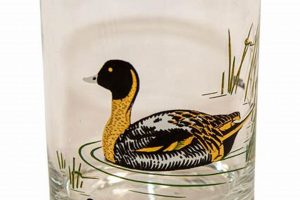
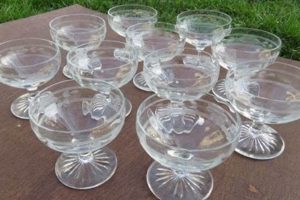
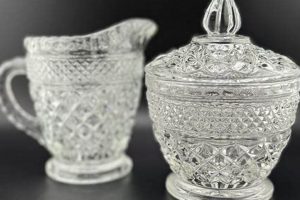
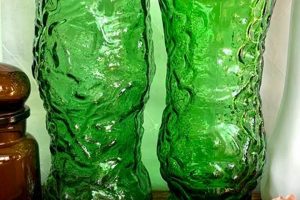
These receptacles, typically crafted from pressed or blown glass during the early to mid-20th century, were specifically designed for serving ice cream-based desserts. They often feature distinct shapes, such as footed bowls, tulip shapes, or pedestal designs, and may incorporate intricate patterns or vibrant colors. The aesthetic of these items reflects the design sensibilities of their respective eras, ranging from Art Deco geometric patterns to the flowing lines of the Art Nouveau period.
Their value extends beyond mere functionality, representing tangible links to past eras of design and culinary traditions. They evoke nostalgia for simpler times and offer a unique visual appeal absent in modern, mass-produced alternatives. The durability of glass ensures longevity, allowing these pieces to be appreciated for generations. Furthermore, collecting them can provide insight into the history of glassmaking and evolving trends in tableware.
The following sections will delve into various aspects of acquiring, identifying, and caring for these collectible items. Specific details regarding prevalent styles, manufacturers, potential value determinants, and appropriate cleaning methods will be discussed.
Acquisition and Preservation Strategies
The following guidelines are intended to assist individuals in the responsible acquisition and preservation of this type of glassware. Adherence to these suggestions can help ensure the longevity and value of these items.
Tip 1: Examine Condition Meticulously: Before purchase, thoroughly inspect each piece for chips, cracks, or signs of excessive wear. Even minor imperfections can significantly impact value, especially for rare or highly sought-after patterns.
Tip 2: Research Markings and Manufacturers: Familiarize oneself with common maker’s marks and identifying characteristics. Knowledge of specific manufacturers, such as Cambridge Glass or Fenton, aids in authenticating pieces and understanding their historical context.
Tip 3: Understand Pattern Variations: Be aware that certain patterns were produced in multiple colors or with slight design variations. Identifying these differences is crucial for accurate valuation and completing specific collections.
Tip 4: Investigate Price Comparatively: Compare prices across multiple sources, including antique stores, online marketplaces, and auctions. This ensures one pays a fair market value based on condition, rarity, and demand.
Tip 5: Implement Gentle Cleaning Practices: Avoid abrasive cleaners or scouring pads, as these can scratch or damage the delicate glass surface. Use warm water and mild soap, drying immediately with a soft cloth to prevent water spots.
Tip 6: Employ Safe Storage Techniques: Store in a secure location, ideally wrapped in acid-free tissue paper or padded dividers. This minimizes the risk of breakage or chipping due to accidental impact.
Tip 7: Document Provenance When Possible: If available, retain any documentation regarding the item’s history, such as original sales receipts or family heirlooms. This adds to its collectibility and potential resale value.
Careful consideration of these points promotes informed decision-making when acquiring and maintaining this glassware. Attention to detail can preserve their beauty and historical significance for future enjoyment.
The subsequent section will address the stylistic trends that have shaped the design and production, further enhancing understanding of this collectible category.
1. Material Composition

The material composition of these receptacles significantly impacts their aesthetic qualities, durability, and overall value. Variations in glass formulation, production techniques, and the presence of additives contribute to the unique characteristics of individual pieces.
- Lead Content and Brilliance
The inclusion of lead oxide in the glass mixture increases its refractive index, resulting in a higher level of brilliance and sparkle. Lead crystal glassware, characterized by its clarity and light-reflecting properties, was a common choice for finer, more decorative examples. The presence of lead, however, necessitates careful handling and limits its suitability for certain uses.
- Soda-Lime Glass and Affordability
Soda-lime glass, a more economical alternative to lead crystal, was frequently employed in the mass production of simpler designs. While lacking the brilliance of lead crystal, soda-lime glass provided adequate durability and allowed for a wider range of colors and patterns to be incorporated. This type of glass is generally more resistant to thermal shock than lead crystal.
- Depression Glass and Additives
During the Depression era, cost-cutting measures led to the use of various additives, such as manganese or uranium, to impart color to the glass. These additives, while aesthetically pleasing, can affect the long-term stability of the glass and may present certain health concerns. The distinctive colors of Depression glass are a direct result of these material choices.
- Colored Glass and Metallic Oxides
The introduction of metallic oxides into the glass mixture is responsible for the vast array of colors observed. Cobalt oxide produces blue hues, while iron oxide yields green shades. The concentration of these oxides, along with the specific firing conditions, influences the intensity and depth of the color. These vibrant colors contribute significantly to the visual appeal and collectibility of certain patterns.
The selection of specific glass formulations and additives was often dictated by economic considerations, design trends, and technological limitations. Understanding the material composition provides valuable insight into the manufacturing processes, historical context, and potential vulnerabilities of these dessert serving pieces.
2. Design Aesthetics

Design aesthetics play a critical role in the appeal and valuation of vintage glass sundae dishes. The visual characteristics of these items, influenced by prevailing artistic movements and technological capabilities of their era, directly affect their collectibility. Styles range from the geometric precision of Art Deco, characterized by clean lines and symmetrical patterns, to the flowing, organic forms of Art Nouveau, often incorporating floral and natural motifs. For example, a sundae dish showcasing the stepped patterns and bold colors typical of the Art Deco period is more likely to be sought after by collectors familiar with this design language. Conversely, a piece reflecting the delicate floral engravings and curvilinear shapes of Art Nouveau will appeal to a different collector base. Thus, design aesthetic is not merely decorative; it is an intrinsic factor influencing the objects desirability and perceived value.
The practical significance of understanding design aesthetics lies in the ability to accurately identify and categorize different styles. This knowledge enables informed purchasing decisions and assists in determining the authenticity and provenance of a particular dish. Furthermore, familiarity with these styles enhances appreciation for the craftsmanship and artistic vision that shaped these items. Consider the impact of the Great Depression on glass design. The economic constraints of the era led to the production of “Depression glass,” often characterized by simpler designs and the use of colored glass to add visual interest. Recognizing these stylistic traits helps differentiate these pieces from earlier, more elaborate designs and understand their historical context. The ability to discern subtle differences in design aesthetics ensures appropriate handling and storage, minimizing the risk of damage or loss of value.
In summary, design aesthetics are integral to understanding and appreciating vintage glass sundae dishes. This aspect informs valuation, authenticity, and historical context. Recognizing design stylesArt Deco, Art Nouveau, or Depression-erais essential for informed acquisition and preservation. Challenges may arise in distinguishing between similar styles or identifying reproductions, emphasizing the need for continuous learning and research. Ultimately, comprehending design aesthetics enriches the collector’s experience and ensures these items are valued for their artistic merit and historical significance.
3. Manufacturing Origin

The origin of manufacture exerts a significant influence on the characteristics, value, and collectibility of these vintage glass serving pieces. Identifying the manufacturer provides insights into production techniques, design styles, and the historical context surrounding the item’s creation, thereby informing its valuation and preservation.
- Geographic Location and Raw Materials
The location of glass factories often dictated access to specific raw materials, influencing the composition and coloration of the glass. For instance, factories located near sources of silica sand might have produced glassware with distinct clarity or texture. European manufacturers, particularly those in Bohemia (present-day Czech Republic), were renowned for their skilled glassmakers and access to high-quality raw materials, resulting in items with intricate designs and exceptional craftsmanship. Conversely, American manufacturers may have utilized different materials or techniques, resulting in variations in color or durability.
- Company Specialization and Design Styles
Certain manufacturers specialized in particular design styles or production techniques, creating distinct brand identities. Companies like Fenton Art Glass were known for their iridescent Carnival glass, while Cambridge Glass was recognized for its elegant and refined designs. Identifying the manufacturer allows collectors to associate a particular item with a specific aesthetic or quality standard. This knowledge is crucial in determining the authenticity and value of the piece. Moreover, variations within a manufacturer’s product line, such as limited-edition patterns or experimental color combinations, contribute to the item’s rarity and collectibility.
- Production Techniques and Innovations
Different manufacturers employed varying production techniques, impacting the quality and design complexity of their glassware. Pressed glass, a technique involving the use of molds to mass-produce glassware, allowed for the creation of intricate patterns at a lower cost. Blown glass, a more labor-intensive process, resulted in thinner, more delicate pieces with greater design flexibility. The choice of production technique often reflects the manufacturer’s target market and the intended use of the glassware. Recognizing the production technique employed can aid in authenticating the item and assessing its historical significance. For example, hand-blown glass sundae dishes from the early 20th century are typically valued higher than pressed glass examples from the mid-20th century due to the skill and artistry involved in their creation.
In summary, the manufacturing origin constitutes a critical factor in the evaluation of these vintage glass serving pieces. It dictates material composition, design aesthetics, and production techniques, ultimately shaping the item’s value and collectibility. Recognizing the manufacturer facilitates informed decision-making in acquisition, authentication, and preservation efforts, ensuring that these historical artifacts are appreciated for their unique characteristics and cultural significance.
4. Historical Period

The historical period during which these glassware items were produced significantly influenced their design, materials, manufacturing techniques, and ultimately, their aesthetic and monetary value. Understanding the historical context provides critical insights into the social, economic, and technological factors that shaped their creation.
- Victorian Era (Late 19th Century)
Glassware from this period often exhibits elaborate ornamentation, reflecting the prevailing aesthetic of excess and opulence. Techniques such as intricate etching, hand-painting, and the use of pressed glass to mimic cut crystal were common. Dishes from this era often feature elaborate floral patterns, cameos, or depictions of historical scenes. Their value is enhanced by their age, craftsmanship, and the relative scarcity of well-preserved examples.
- Art Deco (1920s-1930s)
This era favored geometric shapes, bold colors, and streamlined designs. Sundae dishes from this period often feature angular forms, stepped patterns, and the use of colored glass such as jadeite or cobalt blue. Manufacturers like Hazel Atlas and Federal Glass produced pieces in this style. The value is influenced by the rarity of the color and pattern combinations.
- Depression Era (1930s)
Economic hardship led to the mass production of affordable glassware, often in pastel colors like pink, green, and amber. Known as “Depression glass,” these pieces were often given away as promotional items. While not inherently valuable, certain patterns or colors can command higher prices due to their relative scarcity or collectibility. The primary appeal of Depression glass lies in its nostalgic connection to a challenging period in history.
- Mid-Century Modern (1950s-1960s)
Glassware from this period showcases clean lines, simple shapes, and a focus on functionality. Bold colors and abstract patterns were also common. Manufacturers like Anchor Hocking produced pieces with a distinctly modern aesthetic. The value is influenced by the condition of the piece and the desirability of the specific design.
In conclusion, the historical period is a defining characteristic that dictates the appearance, materials, and manufacturing methods of these glassware items. Recognizing the historical context enhances appreciation for the craftsmanship, design, and cultural significance of these collectible artifacts.
5. Preservation Status

The physical condition directly influences the value and historical significance of vintage glass sundae dishes. Items in pristine condition, free from chips, cracks, staining, or significant wear, command higher prices and provide a more accurate representation of the original craftsmanship. Damage diminishes not only the aesthetic appeal but also the item’s structural integrity, potentially leading to further deterioration. For instance, a Cambridge Glass sundae dish with its original luster and intact foot will be more valuable than an identical piece with a chipped rim or cloudy glass. The existence of these flaws serves as a direct cause of diminished value and reduced historical accuracy.
Proper preservation techniques are crucial for maintaining the value and prolonging the lifespan of these items. Incorrect cleaning methods, such as using abrasive detergents or placing them in dishwashers, can cause irreversible damage to the delicate glass surface, resulting in scratches or cloudiness. Similarly, improper storage can lead to chips or breaks. Museums often employ specialized storage and handling procedures to safeguard their glass collections, illustrating the importance of careful preservation. For example, wrapping each piece in acid-free tissue paper and storing it in a climate-controlled environment minimizes the risk of damage from environmental factors and handling errors. Furthermore, gentle cleaning with mild soap and water, followed by immediate drying, prevents water spots and mineral buildup.
In summary, preservation status is a paramount consideration when evaluating vintage glass sundae dishes. Pristine condition enhances value and provides a more accurate reflection of the original design. Diligent preservation practices, including proper cleaning and storage, are essential for safeguarding these items and ensuring their longevity. While challenges may arise in restoring damaged pieces, prioritizing preventative measures is the most effective strategy for maintaining their historical and aesthetic value.
Frequently Asked Questions Regarding Vintage Glass Sundae Dishes
The following questions and answers address common inquiries concerning the identification, valuation, and care of vintage glass sundae dishes. The information presented aims to provide clarity and guidance for collectors and enthusiasts.
Question 1: How can the age of a glass sundae dish be determined?
The age of a dish can be estimated by examining its design style, manufacturing marks, and production techniques. Researching prevalent patterns and manufacturers associated with specific historical periods offers further clarification.
Question 2: What factors influence the monetary value of vintage glass sundae dishes?
Monetary value is determined by a combination of factors, including rarity, condition, manufacturer, pattern, color, and historical significance. Dishes in pristine condition, produced by renowned manufacturers, and exhibiting rare patterns command higher prices.
Question 3: What are the recommended cleaning methods for vintage glass sundae dishes?
Gentle handwashing with mild soap and warm water is recommended. Abrasive cleaners and dishwashers are to be avoided as they can scratch or damage the glass surface. Immediate drying with a soft cloth prevents water spots.
Question 4: How can the authenticity of a vintage glass sundae dish be verified?
Authenticity verification involves comparing the dish to known examples of the purported manufacturer and pattern. Examining the glass quality, manufacturing marks, and overall design can reveal inconsistencies indicative of reproductions.
Question 5: What are the optimal storage conditions for vintage glass sundae dishes?
The optimal storage environment involves a cool, dry location away from direct sunlight. Individual wrapping in acid-free tissue paper or padded dividers prevents scratching and chipping.
Question 6: Are there any inherent risks associated with using these vintage glass items for serving food?
While many vintage glass items are safe for food use, caution should be exercised. Dishes containing lead or those with chipped or cracked surfaces pose potential health hazards and are best reserved for display purposes only.
Understanding these key points can significantly enhance the appreciation and preservation of these items.
The subsequent section will provide a glossary of terms commonly associated with vintage glass sundae dishes.
Conclusion
The preceding discussion has comprehensively explored various facets of vintage glass sundae dishes. These items represent more than mere tableware; they embody tangible links to past eras, reflecting stylistic preferences, manufacturing innovations, and socioeconomic conditions. Factors such as material composition, design aesthetics, manufacturing origin, historical period, and preservation status collectively determine their value and significance. Understanding these elements is crucial for informed acquisition, authentication, and preservation efforts.
Continued research and diligent care are essential to safeguarding these artifacts for future generations. Recognizing the historical and artistic merit inherent in these vintage glass sundae dishes promotes a deeper appreciation for their enduring legacy. Further investigation into specific manufacturers, patterns, and historical contexts will undoubtedly enhance understanding and foster a greater appreciation for these relics.