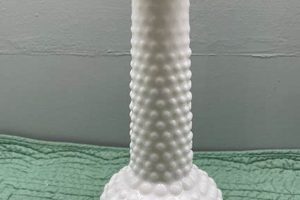
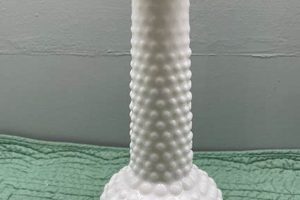
Opaque or translucent glassware characterized by its milky white appearance, such items were popular from the late 19th century through much of the 20th century. These pieces, specifically designed for holding beverages, exhibit a variety of styles, from simple cylindrical forms to those adorned with intricate molded patterns. These drinking vessels represent a distinct category within collectible glassware.
Their appeal stems from a combination of aesthetic qualities and historical significance. They evoke a sense of nostalgia, representing a bygone era of domesticity. Moreover, their durability and affordability contributed to their widespread use, making them commonplace in households. The production techniques and decorative motifs reflect prevailing artistic trends, offering valuable insights into material culture.
Considerations include factors influencing value, identifying genuine articles, and best practices for care and preservation. Further examination explores the manufacturing processes, regional variations, and popular designs. These aspects provide a deeper understanding of this unique form of glassware.
Care and Identification
The following guidelines provide essential information for maintaining and authenticating these collectible items.
Tip 1: Inspect for Maker’s Marks: Examine the base for embossed or incised marks, often indicating the manufacturer. These marks can aid in determining the origin and age of the glass piece. Example: A “Fenton” mark identifies a product from the Fenton Art Glass Company.
Tip 2: Assess the Color: Authentic examples typically exhibit a soft, milky white hue. Yellowing or discoloration may indicate damage from sunlight or age. Uneven coloration can point to inconsistencies in the manufacturing process.
Tip 3: Examine the Mold Lines: Check for faint lines where the mold pieces joined during production. Distinct, pronounced lines might suggest a more recent or mass-produced item. Smooth, almost imperceptible lines are often indicative of older, higher-quality craftsmanship.
Tip 4: Note the Weight and Feel: These glassware are generally substantial and possess a smooth, cool texture. A lightweight or rough surface could be a sign of a replica or lower-quality product.
Tip 5: Clean Gently: Wash with lukewarm water and a mild, non-abrasive soap. Avoid harsh chemicals or abrasive scrubbers, as they can damage the delicate surface and diminish the luster. A soft cloth is recommended for drying.
Tip 6: Store Properly: Keep them away from direct sunlight, which can cause yellowing. Store in a cool, dry place to prevent moisture damage. Individual padding or dividers can prevent scratching during storage.
Tip 7: Research Patterns and Designs: Familiarize yourself with common patterns and designs to better identify and date pieces. Resources such as antique guides and online databases can provide valuable information on specific makers and styles. Example: “Grape and Cable” is a well-known pattern.
Adherence to these practices ensures the longevity and preservation of these valued pieces, securing their intrinsic value.
The subsequent sections will delve into more specific aspects, expanding upon the themes outlined.
1. Manufacturing Techniques

Production methodologies exert a considerable influence on the characteristics, value, and collectibility of such glassware. The techniques employed directly determined the aesthetic qualities, durability, and overall presentation. Early production relied heavily on hand-blown methods, often resulting in subtle variations and unique imperfections that are now considered desirable. As technology advanced, press molding became prevalent, allowing for mass production and greater uniformity in design. The specific composition of the glass batch also significantly affected the final product’s color, opacity, and susceptibility to damage. For example, manufacturers who utilized specific additives to enhance the whiteness or strength often created products that are now highly sought after by collectors.
The transition from hand-blown to press-molded production, exemplified by companies like Fenton and Westmoreland, reflects a shift in consumer demand and manufacturing capabilities. Identifying these manufacturing methods is crucial for accurately dating and appraising pieces. Hand-blown items typically exhibit a pontil mark on the base, where the glass was attached to the blowpipe, while press-molded pieces often show distinct mold lines. The level of detail and sharpness of the design also provide clues about the production process. Intricate patterns and sharp edges are more easily achieved through press molding, but the hand-blown method may create a product with subtle artistic touches. Understanding these details allows for more informed purchasing decisions and proper handling of these delicate artifacts.
The manufacturing techniques employed are integral to the history and value assessment of these collectables. Recognizing the nuances between different production methods allows enthusiasts to appreciate the craftsmanship involved and make informed decisions about acquiring, preserving, and displaying these pieces. Knowledge of these techniques ensures proper cleaning, storage, and handling. This promotes preservation, maintaining not only its physical integrity but also historical context.
2. Pattern Identification

Pattern identification is a critical component in the assessment and valuation of vintage milk glass mugs. The molded designs that adorn these items reflect specific periods, manufacturers, and artistic movements. Distinct patterns can serve as identifiers, allowing collectors to trace the origin and age of a particular piece. The “Grape and Cable” design, for instance, is closely associated with Westmoreland Glass Company, providing a tangible link between the object and its creator. Correctly identifying these patterns affects valuation and can inform preservation efforts. The more intricate, or rarer, the pattern, the higher the collectible value typically assigned.
The process of pattern identification extends beyond merely recognizing a particular design. It involves understanding the nuances of the pattern’s execution, the variations that occurred over time, and the manufacturers that produced it. Reference guides and online databases provide resources for comparison, though experience and careful observation remain essential skills. The presence of specific motifs, such as floral arrangements, geometric shapes, or figural representations, can provide clues to its historical context. A specific pattern may be directly related to historical context. A design featuring patriotic emblems, for example, may suggest the object was produced during a period of national celebration or conflict.
Accurate pattern identification is crucial for informed decision-making within the collecting community. It enables collectors to assess authenticity, determine rarity, and establish a fair market value. Furthermore, this knowledge guides proper handling and care, preventing damage from inappropriate cleaning methods or storage conditions. While challenges such as faded details or incomplete markings exist, mastering pattern recognition enhances appreciation and fosters responsible stewardship of these historic artifacts. This focus on pattern identification directly informs conservation efforts, allowing collectors and historians alike to preserve the cultural heritage embodied within these items.
3. Rarity Assessment

Rarity assessment significantly influences the valuation and collectibility of antique milk glass mugs. The relative scarcity of a particular design, color variation, or manufacturer mark directly correlates with its desirability among collectors. The less common an item is, the higher its perceived value and the greater the demand. Limited production runs, experimental color trials, or pieces produced by smaller, less-known manufacturers all contribute to increased rarity. The assessment process involves comprehensive research, careful examination, and comparison to established market data to determine its relative scarcity. The lack of specific examples or historical records can render such assessments challenging.
The practical implications of rarity assessment are evident in auction results and private sales. A mug bearing a unique decorative transfer, or a piece produced during a short-lived manufacturing period, may command significantly higher prices compared to more commonly available items. Collectors utilize rarity as a primary criterion in their acquisition strategies, seeking pieces that represent a unique addition to their collections. Rarity assessments require due diligence in identifying any reproductions or altered pieces that could falsely inflate perceived value. A thorough evaluation includes assessing factors such as the presence of correct manufacturer marks, the integrity of the design, and the overall condition of the glass.
The effective assessment of rarity combines expertise in glassmaking history, access to detailed reference materials, and an understanding of market dynamics. Though these mugs are inherently subject to fluctuations in popularity and collector preferences, accurate evaluation of rarity provides a robust framework for informed acquisition and preservation strategies. Accurately evaluating the rarity leads to better conservation decisions. Recognizing scarcity supports long-term stewardship of these artifacts, guaranteeing their accessibility to future generations.
4. Condition Evaluation

Condition evaluation represents a critical factor in determining the value and collectibility of vintage milk glass mugs. The assessment of physical state directly impacts desirability and potential restoration efforts.
- Chip and Crack Assessment
The presence of chips and cracks significantly detracts from the value. Even minor imperfections on the rim or base can reduce desirability. Cracks, in particular, pose structural integrity concerns and are challenging to repair inconspicuously. For instance, a visible crack running along the body will drastically depreciate its worth.
- Surface Wear and Scratches
Surface wear, including scratches and abrasions, accumulates over time due to use and handling. While light surface scratches may be considered normal wear for older items, extensive scratching can dull the finish and obscure the molded details. The depth and extent of surface damage influence the overall appeal and, consequently, the value.
- Color Fading and Staining
Exposure to sunlight and certain substances can cause discoloration or staining. Milk glass may exhibit yellowing over time, diminishing its original bright white hue. Stains from liquids or other materials can penetrate the porous surface, leaving permanent marks. Uniform color is always preferred for valuation.
- Paint and Gilding Integrity
Many vintage mugs feature painted or gilded accents. The condition of these embellishments is crucial. Faded, chipped, or missing paint/gilding significantly reduces value. Original, intact paint or gilding enhances the item’s aesthetic appeal and authenticity, affecting valuation significantly.
Each facet directly influences the value and desirability of these items. Collectors must be well-versed in these factors to make informed decisions regarding acquisitions, sales, and restoration considerations. Proper evaluation promotes responsible preservation and accurate valuation within the vintage milk glass mug market.
5. Historical Context

The historical context surrounding vintage milk glass mugs provides essential insight into their production, distribution, and cultural significance. These items, popular from the late 19th century through the mid-20th century, reflect prevailing aesthetic tastes and industrial capabilities of their respective eras. Economic conditions, technological advancements in glass manufacturing, and social trends directly influenced their design, availability, and use. The rise of mass production techniques made these items accessible to a broader segment of the population. For example, the Victorian era fostered ornate designs, while simpler, more utilitarian styles gained prominence during the mid-20th century. The presence of specific designs, like those commemorating historical events or figures, provides valuable clues about the period of manufacture and the cultural values prevalent at the time.
Understanding historical context aids in identifying authentic pieces and distinguishing them from reproductions. Knowledge of manufacturing processes, popular designs, and manufacturer marks associated with specific periods enables collectors to assess the age and origin of items accurately. Examining advertising materials and historical catalogs can provide insights into how these items were marketed and used in the past, adding depth to their appreciation. Further examples include commemorative mugs produced for World’s Fairs or specific anniversaries, which reflect specific cultural values or historical events. Historical documentation provides a more accurate appreciation and authentication. Careful examination can also reveal the items’ purpose and usage by prior owners.
In conclusion, a thorough grasp of the historical context is indispensable for collectors and enthusiasts of vintage milk glass mugs. It provides a framework for understanding their significance as cultural artifacts and informs responsible collecting and preservation practices. By recognizing the historical forces that shaped their production and distribution, the inherent value of these items can be properly assessed. Recognizing the item’s place in history supports the value of these artifacts for future generations.
6. Market Trends
Market trends significantly influence the value and desirability of vintage milk glass mugs. Fluctuations in collector interest, economic conditions, and the availability of specific pieces dictate prevailing market dynamics. Comprehending these trends is essential for collectors and investors seeking to navigate the market effectively.
- Nostalgia and Sentimental Value
Nostalgia plays a crucial role in driving demand. As demographics age, interest in items associated with childhood memories or historical periods increases. For instance, mugs featuring popular cartoon characters from the mid-20th century often experience surges in value due to their sentimental appeal. This nostalgic drive creates a variable demand influenced by generational trends.
- Online Marketplaces and Accessibility
The rise of online marketplaces has democratized access to collectibles. Platforms like eBay and Etsy facilitate global trade, connecting buyers and sellers across geographical boundaries. This accessibility has expanded the potential market for these glassware, increasing competition and potentially driving up prices for rare or highly sought-after items. Increased discoverability influences both value and turnover.
- Design and Aesthetic Preferences
Shifting design preferences impact the popularity of specific patterns and styles. Trends in interior decor, such as the resurgence of mid-century modern aesthetics, can elevate demand for particular items that align with these stylistic choices. Mugs with minimalist designs or those featuring geometric patterns may experience renewed interest as a result of current design trends. Aesthetic alignment with current trends can strongly influence demand.
- Economic Factors and Investment Potential
Economic conditions exert a direct influence on the market. During periods of economic prosperity, collectors are more likely to invest in discretionary items such as vintage glassware. Conversely, economic downturns can lead to decreased demand and potential price declines. Some collectors view these items as alternative investments, diversifying their portfolios with tangible assets that may appreciate in value over time. The economic stability, or lack thereof, has strong consequences for this market.
Understanding the interplay of these market trends is crucial for making informed decisions regarding the acquisition, sale, and preservation of vintage milk glass mugs. Monitoring these dynamics allows collectors to strategically manage their collections, capitalizing on emerging opportunities while mitigating potential risks.
7. Storage Practices

The longevity and preservation of these delicate collectibles are intrinsically linked to appropriate storage practices. Inadequate storage can result in irreparable damage, diminishing both aesthetic appeal and monetary value. Direct sunlight exposure causes yellowing or fading of the original white hue, while fluctuations in temperature and humidity promote cracking and crazing. Physical damage, such as chips and fractures, commonly arises from improper handling and inadequate padding during storage. Effective storage minimizes environmental risks, safeguards against physical trauma, and ensures the structural integrity is maintained. Careful management is a prerequisite for preserving these objects for future generations.
Proper storage necessitates the use of appropriate materials and techniques. Acid-free tissue paper or specialized padding is recommended for cushioning individual pieces, preventing surface scratches and impact damage. Storage in climate-controlled environments, away from direct sunlight and sources of excessive humidity, mitigates the risk of discoloration and structural degradation. Displaying these items in enclosed cabinets or curio cases offers protection from dust and accidental breakage, while simultaneously allowing for visual appreciation. The implementation of inventory management systems, including labeling and photographic documentation, aids in tracking and accessing individual pieces without unnecessary handling. A proactive approach to storage guarantees the ongoing protection of these fragile objects.
In summary, meticulous attention to storage practices is paramount for preserving both the intrinsic and extrinsic worth of vintage milk glass mugs. Neglecting these precautions can lead to irreversible deterioration, negating any potential investment or historical significance. By adhering to established guidelines for handling, environmental control, and protective measures, collectors and enthusiasts ensure the sustained preservation of these artifacts. The practical understanding of optimal storage techniques translates directly into the safeguarding of cultural heritage and the retention of value for years to come.
Frequently Asked Questions
The following addresses common inquiries regarding vintage milk glass mugs, offering clarity on key aspects of collecting, authentication, and care.
Question 1: What are the primary indicators of authenticity in vintage milk glass mugs?
Authenticity can be gauged by examining manufacturer marks, assessing the color consistency, and evaluating the quality of the glass. Researching known patterns and designs associated with specific manufacturers is also advisable.
Question 2: How does one properly clean these items without causing damage?
Gentle cleaning with lukewarm water and mild, non-abrasive soap is recommended. Harsh chemicals and abrasive scrubbers should be avoided to prevent surface damage. A soft cloth should be used for drying.
Question 3: What storage conditions are ideal for preserving the integrity of the glass?
Optimal storage involves keeping these items away from direct sunlight, excessive humidity, and extreme temperature fluctuations. Individual padding or dividers can prevent scratching during storage.
Question 4: How does condition impact the valuation of these collectibles?
Condition significantly influences valuation. Items with chips, cracks, or extensive surface wear are generally less valuable than those in excellent condition. The presence of original paint or gilding enhances value.
Question 5: What are some common patterns found in vintage milk glass mugs?
Common patterns include “Grape and Cable,” “Lattice Edge,” and various floral motifs. Familiarity with these patterns aids in identifying and dating specific pieces.
Question 6: How can one determine the approximate age of a vintage milk glass mug?
The age can be estimated by researching manufacturer marks, identifying patterns associated with specific historical periods, and examining the style of the design. Consulting reference guides and online databases can provide additional information.
These FAQs provide essential information for responsible collecting and preservation. Awareness promotes appropriate handling and maintenance.
The next section expands on resources for further exploration.
Conclusion
The preceding discourse has explored the multifaceted aspects of vintage milk glass mugs, encompassing manufacturing processes, pattern identification, rarity assessment, condition evaluation, historical context, market trends, and storage practices. These components influence valuation, collectibility, and long-term preservation. A comprehension of these elements enables informed decision-making for collectors and enthusiasts.
Continued research and diligent application of the outlined principles will ensure the enduring appreciation and safeguarding of these historical artifacts. The preservation of these objects not only honors their legacy but also enriches understanding of cultural heritage, making future exploration an imperative.