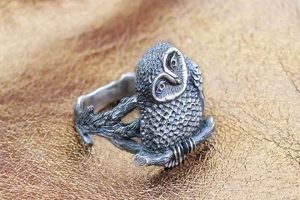
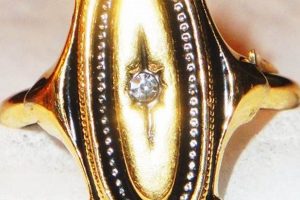
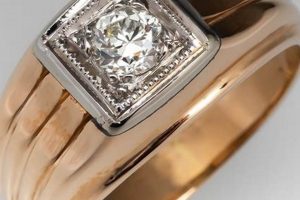
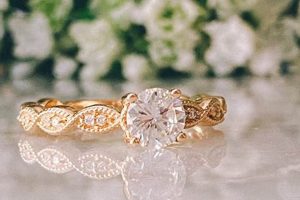
These particular adornments represent a fusion of enduring commitment and historical design. They feature corundum gemstones, celebrated for their intense red hue, set within ring mountings crafted in styles characteristic of past eras, such as Art Deco, Edwardian, or Victorian periods. These pieces often showcase intricate metalwork and may include smaller diamonds or other accent stones to enhance the central gem’s brilliance.
The significance of these jewelry pieces stems from several factors. They offer a tangible connection to the past, embodying the craftsmanship and aesthetics of bygone times. The vibrant color of the central gemstone symbolizes passion, love, and courage, making it a fitting emblem for a marriage. Furthermore, selecting an item of this nature contributes to sustainable practices by repurposing existing materials and minimizing the demand for newly mined gems and metals.
The following sections will delve into specific aspects of these items, including factors to consider when evaluating authenticity, common design motifs found in different periods, and tips for caring for and preserving their beauty for generations to come. This will provide a thorough understanding for those interested in acquiring or appreciating these unique treasures.
Essential Considerations
The following guidelines are designed to aid in the informed selection and preservation of antique rings featuring rubies intended for matrimonial use.
Tip 1: Authenticity Verification: Prioritize authentication by a qualified gemologist. Examination should include assessing the age and origin of both the ruby and the ring setting to confirm the item’s declared period.
Tip 2: Ruby Quality Assessment: Scrutinize the gemstone for color saturation, clarity, and cut. Natural rubies typically exhibit inclusions; however, excessive flaws can diminish value. Understand the implications of any enhancements, such as heat treatment, which are common but must be disclosed.
Tip 3: Setting Integrity Examination: Inspect the metalwork for signs of wear, damage, or previous repairs. Ensure that all stones are securely set and that the setting is appropriate for the era it represents.
Tip 4: Style and Era Correlation: Familiarize oneself with the characteristic design elements of different periods (e.g., filigree work in Edwardian settings, geometric patterns in Art Deco). This knowledge facilitates accurate identification and helps avoid misrepresentation.
Tip 5: Documentation and Provenance: Request any available documentation, such as appraisal reports, certificates of authenticity, or historical records, to establish provenance and value. A documented history enhances the item’s collectibility.
Tip 6: Ethical Sourcing Considerations: Inquire about the origin of the gemstone and the sourcing practices of the seller. Choosing ethically sourced gems supports responsible mining and trade practices.
Tip 7: Long-Term Preservation: Employ proper storage techniques to protect the item from damage. Keep it in a separate pouch or box to prevent scratching and avoid exposure to harsh chemicals or extreme temperatures.
These considerations facilitate the acquisition of a genuine and well-preserved piece of jewelry suitable for marking a significant milestone. Careful evaluation and responsible care will ensure its enduring beauty and value.
The subsequent section provides insights into maintaining the beauty of jewelry of this kind.
1. Authenticity
The authenticity of these rings is paramount to its inherent value, historical significance, and representation of enduring commitment. Verifying the age and origin of both the ruby and the setting is crucial. For instance, a ring purported to be from the Art Deco period should exhibit design characteristics consistent with that era, such as geometric patterns and the use of platinum or white gold. The presence of synthetic rubies or a setting clearly manufactured using modern techniques would immediately cast doubt on the item’s claimed vintage and, consequently, its overall worth.
The consequences of neglecting this verification can be substantial. Without proper authentication, a buyer risks overpaying for a reproduction or a piece assembled from disparate elements of varying ages. This not only affects the monetary value but also compromises the ring’s symbolic meaning. A genuine antique represents a tangible link to the past, embodying the craftsmanship and aesthetic sensibilities of a specific time. A fraudulent or misrepresented piece lacks this historical connection and diminishes the significance of its use as a symbol of lifelong commitment. Examining hallmarks, consulting expert gemologists, and obtaining appraisals are essential steps in establishing authenticity.
In summary, ensuring the authenticity of these rings is not merely a matter of financial prudence but also a preservation of history and integrity. Accurate identification safeguards against misrepresentation and ensures that the piece truly embodies the enduring values it is intended to represent. The verification process, while potentially complex, is a fundamental aspect of appreciating and cherishing these unique tokens of love and commitment.
2. Ruby Quality
The value and allure of vintage matrimony bands featuring rubies are inextricably linked to the quality of the central gemstone. The attributes of color, clarity, cut, and carat weight directly influence the aesthetic appeal and intrinsic worth of these historical adornments. A ruby exhibiting a deeply saturated, pigeon’s blood red hue, coupled with exceptional clarity and a well-executed cut to maximize brilliance, significantly elevates the ring’s desirability and price within the market. Conversely, a ruby displaying a pale or brownish tint, marred by prominent inclusions, or poorly cut, will detract from the piece’s overall value, regardless of the vintage setting. The selection of a high-quality ruby is, therefore, a primary determinant of the item’s long-term investment potential and its ability to serve as a compelling symbol of enduring love. The Mogok region of Burma is historically renowned for producing rubies of exceptional color and clarity, specimens of which, when found in antique settings, command premium prices.
The practical application of this understanding is multifaceted. Prospective buyers must possess a working knowledge of ruby grading to discern genuine quality from superficial attributes. This necessitates careful examination of the gem under magnification to assess inclusions and color zoning. It also involves understanding the impact of various cutting styles on the stone’s brilliance and fire. Furthermore, appreciating the significance of heat treatment a common practice to enhance color and clarity is essential for making informed decisions. While heat treatment is generally accepted, undisclosed or excessive treatment can negatively affect value. For instance, a ring featuring a large, unheated Burmese ruby with exceptional color saturation would be considerably more valuable than an equivalent ring with a heat-treated ruby from a less esteemed origin.
In summary, the quality of the ruby is an indispensable component of a valuable antique wedding ring. Rigorous assessment based on established gemological principles is critical for informed purchasing. Challenges arise from subjective interpretations of color and clarity and the potential for fraudulent representations of gemstone origin or treatments. Despite these hurdles, a thorough understanding of ruby quality empowers buyers to acquire authentic, high-caliber pieces that represent both a sound investment and a cherished heirloom, effectively linking the romantic symbolism of marriage with the timeless beauty and value of a well-chosen gemstone.
3. Setting Integrity
The structural soundness of the mounting is a critical determinant of a vintage ruby wedding ring’s overall value and longevity. The setting, often crafted from precious metals such as gold or platinum, is responsible for securing the ruby and any accent stones, protecting them from loss or damage. Compromised integrity, resulting from wear, corrosion, or previous inexpert repairs, can lead to the loosening or detachment of gemstones, significantly diminishing the ring’s aesthetic appeal and market value. For example, a ring from the Art Deco era with intricate filigree work may exhibit weakened joints or broken wires due to decades of wear. If these structural weaknesses are not addressed, the rubies or diamonds within the filigree could become dislodged. Similarly, a bezel setting, designed to encircle and protect the ruby’s girdle, may become worn or distorted, exposing the gemstone to potential chipping or abrasion. The integrity of the setting, therefore, is not merely a cosmetic consideration but a fundamental aspect of safeguarding the ring’s components.
The impact of compromised structural integrity extends beyond the immediate risk of stone loss. A damaged or poorly maintained setting can affect the ruby’s appearance. For instance, a bent or distorted prong setting can alter the way light interacts with the ruby, diminishing its brilliance. Corrosion of the metal can also impact the gem’s perceived color. Furthermore, historical accuracy can be compromised if the setting has been altered or replaced with components that do not match the original style. For example, an Edwardian-era ring with a later, modern setting would detract from its historical value. Therefore, evaluating the setting includes assessing the condition of the metal, the security of the gemstone mounting, and the adherence of any repairs or alterations to the ring’s original design. A thorough inspection by a qualified jeweler is crucial to identify subtle signs of damage or wear that may not be immediately apparent.
In summary, setting integrity is a paramount consideration when evaluating a vintage ruby wedding ring. It protects the precious gemstones, preserves the ring’s aesthetic appeal, and maintains its historical accuracy. Challenges arise from the difficulty of detecting subtle structural weaknesses and the potential for irreversible damage from inexpert repairs. However, by prioritizing a thorough inspection of the setting and seeking expert advice, buyers can ensure that the ring not only retains its beauty and value but also endures as a lasting symbol of commitment, securely preserving its precious stones for generations to come.
4. Era Style
The stylistic characteristics of bygone eras exert a profound influence on the design and value of antique rings containing rubies intended for nuptial purposes. Recognizing these period-specific traits is essential for authentication, appreciation, and informed acquisition.
- Victorian Era (1837-1901)
Rings from this period often showcase elaborate designs, incorporating floral motifs, scrollwork, and intricate metalwork. Rubies may be surrounded by diamonds or other gemstones in cluster or halo settings. Sentimental symbolism, such as hidden meanings conveyed through gemstone combinations, is characteristic. For example, a ring featuring a ruby encircled by pearls might represent a combination of passion and purity.
- Edwardian Era (1901-1910)
Edwardian styles are distinguished by their delicate and feminine aesthetic. Platinum was frequently used, allowing for intricate openwork and the incorporation of delicate milgrain detailing. Rubies were often set in combination with diamonds in lace-like patterns, reflecting the era’s emphasis on elegance and refinement. The use of platinum allowed for lighter and more airy designs than previously possible.
- Art Deco Era (1920s-1930s)
This era embraced geometric shapes, bold colors, and a sense of modernity. Rings often feature rubies set in angular, symmetrical designs, incorporating elements such as baguette-cut diamonds and contrasting enamel accents. Platinum and white gold were popular choices. The influence of Egyptian and Asian art is also evident in some Art Deco designs.
- Retro Era (1940s-1950s)
The Retro era, influenced by wartime austerity and post-war optimism, saw a return to larger, bolder designs. Yellow and rose gold were commonly used. Rubies were often set in combination with large, colorful gemstones, such as aquamarines and citrines. Rings from this period often have a sculptural or three-dimensional quality. The designs reflected a sense of glamour and escapism.
The recurring theme throughout these eras is the reflection of societal values and aesthetic preferences in jewelry design. Analyzing period-specific stylistic elements provides insight into the historical context and craftsmanship of jewelry. For instance, the shift from the ornate designs of the Victorian era to the streamlined forms of the Art Deco period mirrored the changing attitudes towards tradition and modernity. Careful examination of these elements enables both collectors and wearers to fully appreciate the artistry and historical significance of these unique pieces.
5. Documentation

The presence of verifiable documents exerts a direct influence on the perceived value and market desirability of vintage ruby wedding rings. Documentation, encompassing appraisal reports, certificates of authenticity, historical sales receipts, and provenance records, serves as tangible evidence of the ring’s age, composition, and origin. Its absence introduces uncertainty regarding the item’s genuineness, potentially leading to a reduction in its appraised worth and a decline in buyer confidence. For instance, a ring represented as an Art Deco piece with a Burmese ruby, lacking certification from a reputable gemological laboratory confirming the ruby’s origin and authenticity, may be regarded with skepticism by discerning collectors, even if the design characteristics appear consistent with the era. The documented history of a piece can often substantially increase its value.
The practical application of securing appropriate documentation extends beyond mere authentication. Appraisal reports, generated by qualified gemologists, provide a detailed assessment of the ring’s characteristics, including the ruby’s color, clarity, cut, and carat weight, as well as the metal composition and craftsmanship of the setting. This information is crucial for insurance purposes, allowing owners to obtain adequate coverage against loss or damage. Furthermore, documentation can be instrumental in establishing provenance, tracing the ring’s ownership history. Knowing the previous owners or the circumstances surrounding the ring’s creation can add a compelling narrative, enhancing its appeal to collectors. This narrative might involve notable families, significant historical events, or even well-known jewelry designers, enriching the piece’s cultural and historical significance. Documentation serves as a historical record of the rings’ value, both emotional and tangible.
In summary, while the aesthetic appeal and intrinsic materials contribute to the value of vintage ruby wedding rings, documentation provides the crucial foundation of verifiable information. Its presence mitigates risks associated with authenticity and allows for accurate assessment of worth, thereby enhancing buyer confidence. Challenges arise from the potential for fraudulent or incomplete records. Despite this, a thorough understanding of documentation’s importance allows individuals to approach acquisition armed with information, optimizing chances of securing a historically significant item, and securing its value for decades to come.
6. Ethical Origin

The ethical origin of gemstones within antique nuptial rings is a complex issue, particularly when considering the historical context of their creation. While a ring’s vintage status inherently places its sourcing outside of current ethical standards, the implications of purchasing such an item from certain sources warrants consideration. The act of acquiring a ruby from a conflict zone or a seller engaged in illicit trade, even if the ring itself is antique, can inadvertently perpetuate unethical practices within the gemstone industry. The demand created by such purchases can stimulate further unethical mining or trading of newly extracted gems, indirectly supporting practices that exploit workers and damage environments. Therefore, examining the provenance of the ring and the sourcing practices of the seller is paramount, even when dealing with seemingly “historical” pieces. A ring originating from a collection with a documented history free of association with known human rights violations or environmental damage presents a more ethical purchase than one with questionable origins. For instance, a vintage ring from a reputable auction house with a fully transparent history offers a more ethically sound choice than one purchased from an untraceable source.
Determining the absolute ethical purity of a vintage gemstone is often impossible due to limited historical records and the lack of traceability in past mining practices. However, consumers can make informed decisions by focusing on the seller’s commitment to ethical sourcing in their current operations. A seller who actively supports responsible mining initiatives, engages in fair trade practices, and provides transparency regarding the origin of their gemstones, even for newly mined stones, demonstrates a broader ethical awareness that extends to their dealings in vintage jewelry. Buyers can also prioritize rings featuring rubies that have been recut or repurposed from existing jewelry, thereby minimizing the demand for newly mined stones. For instance, selecting a ring with a ruby salvaged from a broken brooch promotes sustainability and reduces the environmental impact associated with new gem extraction. Understanding that transparency and responsible practices are an ongoing process and require constant due diligence is key to making ethically conscious decisions.
In summary, while the ethical origin of vintage ruby wedding rings presents unique challenges, awareness of the potential for indirect support of unethical practices is crucial. By prioritizing transparency, supporting sellers committed to responsible sourcing, and considering rings with repurposed gemstones, consumers can mitigate the risk of contributing to harm. The ethical considerations, therefore, are ongoing and dynamic, requiring continual engagement and informed decision-making, thereby ensuring that the acquisition of a vintage piece aligns with values of social and environmental responsibility. The choice to acquire a vintage ring becomes not only a celebration of enduring love but also a conscious choice to support ethical practices within the jewelry industry, even when dealing with pieces from the past.
7. Preservation
The long-term value and significance of such rings are intrinsically linked to meticulous preservation efforts. These efforts address the physical and historical integrity of the piece, ensuring it remains a tangible connection to the past for future generations. Deterioration due to environmental factors, improper handling, or neglect can diminish the ruby’s brilliance, weaken the setting, and ultimately compromise the ring’s historical value. A well-preserved ring, on the other hand, retains its aesthetic appeal, structural stability, and documentary significance. For example, a vintage ring stored improperly, exposed to sunlight and humidity, may exhibit a faded ruby and tarnished metal. Conversely, a ring meticulously cared for, stored in a dark, dry environment, and cleaned regularly by a professional jeweler, will maintain its original luster and structural integrity. The effect of diligent preservation is the safeguarding of an objects original intent.
Preservation practices encompass several key elements. Proper storage is paramount; rings should be kept in individual, padded boxes or pouches to prevent scratching and protect them from dust and humidity. Regular cleaning by a qualified jeweler is essential to remove accumulated dirt and grime without damaging the gemstones or metal. Furthermore, avoiding exposure to harsh chemicals, such as household cleaners or perfumes, is crucial to prevent corrosion or discoloration. Repair work, when necessary, should be undertaken by experienced jewelers specializing in antique restoration, ensuring that any repairs are sympathetic to the ring’s original design and materials. The decision to restore or leave a piece ‘as is’ is a delicate balance between arresting deterioration and the desire to maintain the integrity of an aged piece. The practical application involves establishing a routine of regular maintenance and seeking professional advice when concerns arise. Failing to do so risks irreversible damage and loss of value.
In summary, the preservation of vintage ruby wedding rings is an active responsibility that ensures not only their continued beauty and wearability but also their lasting historical and cultural value. The challenges stem from the unique properties of different materials and the potential for well-intentioned but misguided cleaning or repair attempts. However, through diligent care, informed decision-making, and reliance on qualified professionals, it is possible to safeguard these precious items for generations, preserving their story for the future. The understanding of careful preservation ensures a long life for wedding rings, retaining their appeal for years to come.
Frequently Asked Questions
The following questions and answers address common inquiries and misconceptions surrounding antique rings featuring rubies intended for matrimonial use. The information presented aims to provide clarity and facilitate informed decision-making.
Question 1: How can the authenticity of vintage rings of this kind be reliably verified?
Authentication requires a multifaceted approach. It begins with careful examination of the piece for hallmarks or maker’s marks, indicators of the ring’s origin and composition. The design motifs must align with the stylistic trends of the purported era, considering details such as metal type, gemstone cuts, and decorative elements. A professional appraisal by a qualified gemologist is essential to assess the ruby’s characteristics and confirm its age and origin. Documentation, if available, can provide valuable evidence of provenance.
Question 2: What factors contribute to the valuation of antique rings featuring rubies?
Valuation considers several key factors. The quality of the ruby, including its color, clarity, cut, and carat weight, is paramount. The condition and integrity of the setting, including the metal type, design intricacy, and any signs of wear or damage, contribute significantly. The ring’s historical significance, determined by its age, era, and any documented provenance, also impacts its value. Market demand for specific styles and gemstones further influences the appraisal.
Question 3: What are the common treatments applied to rubies, and how do they affect the value?
Heat treatment is a common practice used to enhance ruby color and clarity. While generally accepted, undisclosed or excessive heat treatment can negatively affect the value. Other treatments, such as fracture filling, involve injecting foreign substances into surface fissures to improve clarity; these treatments can significantly reduce the value and require full disclosure. The presence and extent of treatments must be disclosed by sellers and accurately assessed by appraisers.
Question 4: How should vintage nuptial bands featuring rubies be properly cleaned and maintained?
Cleaning should be performed by a qualified jeweler or with extreme care at home. Avoid abrasive cleaners or harsh chemicals, which can damage the ruby or the setting. A soft brush and mild soap solution can be used to gently remove surface dirt. Rings should be stored in a separate, padded box or pouch to prevent scratching and protect them from environmental factors such as humidity and sunlight.
Question 5: What are the ethical considerations associated with buying previously owned adornments of this type?
Ethical considerations primarily concern the origins of the gemstones and the sourcing practices of the seller. While tracing the precise history of antique gemstones can be difficult, buyers can prioritize sellers committed to ethical sourcing and transparent business practices. Rings featuring repurposed rubies or those with documented provenance free from association with unethical mining practices are preferable. Consideration of the sellers ethical practices should be considered.
Question 6: What are the common styles found in vintage rings with rubies?
Various styles correspond to different historical periods. Victorian rings often feature elaborate designs and floral motifs. Edwardian rings are characterized by delicate, feminine details and the use of platinum. Art Deco rings showcase geometric shapes and bold colors. Retro rings typically exhibit larger, bolder designs and the use of yellow and rose gold. Understanding these stylistic distinctions aids in accurate identification and appreciation.
In summary, a comprehensive understanding of authentication, valuation, treatments, maintenance, ethical considerations, and stylistic variations is essential for navigating the market for antique nuptial rings. Due diligence and informed decision-making are crucial for acquiring valuable and ethically sound pieces.
The subsequent article section explores the symbolism and significance that these vintage pieces hold.
Vintage Ruby Wedding Rings
The preceding examination has illuminated critical facets of vintage ruby wedding rings. These encompass authenticity verification, ruby quality assessment, structural integrity evaluation, stylistic period identification, the role of documentation, ethical sourcing considerations, and proper preservation techniques. A synthesis of these elements provides a framework for informed acquisition and responsible stewardship of these historically significant items. Such pieces represent a tangible link to past eras and a symbolic commitment to enduring love, demanding careful consideration and diligent care.
Prospective buyers and current owners should utilize the knowledge herein to make well-informed decisions. This encompasses seeking expert advice, scrutinizing potential acquisitions, and implementing appropriate preservation strategies. By doing so, these treasured relics can continue to represent symbols of commitment and lasting beauty for generations to come. The perpetuation of these practices ensures the preservation of both aesthetic and historical value.