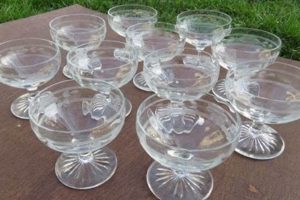
Uranium glass, produced primarily from the 1880s to the 1940s, exhibits a distinctive yellow-green hue under normal lighting and glows bright green under ultraviolet light. This effect is due to the addition of uranium oxide during the manufacturing process. Items made from this type of glass include tableware, decorative objects, and novelty items. A characteristic piece might be a footed compote or a set of dessert bowls, showcasing the subtle color and reactive properties of the material.
The appeal of these items stems from their unique aesthetic properties and historical significance. They represent a specific period in glassmaking history, often reflecting design trends and manufacturing techniques of the late 19th and early 20th centuries. Collectors value them for their rarity, beauty, and the distinct “glow” that differentiates them from other types of glassware. The presence of uranium, while minimal and generally considered safe, adds an element of intrigue and collectibility.
This information serves as a foundation for exploring various facets, including identification methods, safety considerations, collecting tips, and the historical evolution of this distinctive and sought-after category of glassware. The subsequent sections will delve into these areas in more detail.
Collecting Information
Acquiring pieces requires careful consideration. Awareness of the properties and nuances of these items is essential for building a valuable collection.
Tip 1: Utilize Ultraviolet Light for Verification: Employ a shortwave ultraviolet (UV) light to confirm the presence of uranium. Authentic pieces will exhibit a bright green glow under UV illumination. Exercise caution when using UV light and avoid direct exposure to the eyes.
Tip 2: Examine Color Consistency: Assess the uniformity of the yellow-green hue. Inconsistencies in color distribution may indicate reproductions or glass of different compositions.
Tip 3: Inspect for Mold Marks and Seams: Analyze the presence and quality of mold marks or seams. Older pieces often display less refined manufacturing characteristics compared to modern imitations.
Tip 4: Research Manufacturers’ Marks: Familiarize oneself with common manufacturers’ marks from the period. These marks can assist in identifying the origin and age of the item. Reference reputable guides and online resources.
Tip 5: Handle with Care: Uranium glass can be fragile. Employ gentle handling techniques and appropriate storage methods to prevent damage. Avoid abrasive cleaning agents that could scratch the surface.
Tip 6: Consider Provenance: Investigate the item’s history or origin. Provenance can add value and authenticity to a piece. Document any known information about its past ownership or use.
Tip 7: Consult Experts: Seek guidance from experienced collectors or appraisers to evaluate authenticity and value. Their expertise can prevent costly mistakes and enhance collection development.
These guidelines provide a foundation for informed acquisition. Careful observation and diligent research contribute to successful collecting endeavors.
The subsequent sections will address safety considerations and provide a broader historical perspective on this captivating area of glass collecting.
1. Color

The inherent hue is a primary characteristic, immediately recognizable and influential in determining its aesthetic appeal and value. Its coloration arises from the presence of uranium oxide within the glass matrix, a defining feature setting it apart from other glassware.
- Range of Hues
The coloration spans a spectrum, typically ranging from pale yellow to a more pronounced yellow-green. The intensity of the coloration depends on the concentration of uranium oxide used in the glass batch. Pieces with higher uranium content tend to exhibit a deeper, more vivid green, while those with lower concentrations appear more subtly yellow. Variations can also occur based on the specific chemical composition of other additives in the glass, as well as the firing process.
- Influence of Lighting
The perceived color is subject to ambient lighting conditions. Under natural daylight or incandescent lighting, the yellow or yellow-green hue is readily apparent. However, under fluorescent lighting, the color may appear somewhat muted. This effect underscores the importance of observing pieces under different lighting conditions to accurately assess their coloration.
- Distinguishing from Imitations
The specific yellow-green color is a key indicator of authenticity, though caution is warranted. Modern reproductions may attempt to mimic this color through the use of other coloring agents. However, these imitations often lack the subtle nuances and depth of color characteristic of genuine articles. Careful examination of the color, combined with other authentication methods (such as ultraviolet light testing), is crucial.
- Impact on Value and Collectibility
The intensity and clarity of the color significantly influence its desirability among collectors. Pieces with a particularly vibrant and uniform coloration, free from discoloration or cloudiness, generally command higher prices. The color, therefore, serves as a primary factor in assessing its overall value and collectibility in the market.
In summary, the color of vintage vaseline glass is a multifaceted characteristic, determined by uranium content, influenced by lighting, and essential for both authentication and valuation. This primary attribute contributes significantly to its unique appeal and desirability within the collecting community. The interplay of these factors highlights the importance of understanding color nuances in appreciating and assessing these items.
2. Glow

The characteristic green fluorescence emitted under ultraviolet (UV) light is a defining attribute, fundamentally linked to its identity. The presence of uranium oxide within the glass matrix is the causal factor for this phenomenon. When exposed to UV radiation, the uranium atoms absorb energy and subsequently release it as visible light, resulting in the distinctive green glow. This emission is not merely an aesthetic feature; it serves as a primary means of authentication.
The intensity of the glow is correlated with the concentration of uranium present in the glass. Brighter fluorescence generally indicates a higher uranium content. The glow differentiates it from other types of glassware, particularly those manufactured to resemble its characteristic yellow-green hue under normal lighting. For example, a piece of Depression glass, which may have a similar color, will not exhibit the same fluorescent response under UV light. The absence of this glow would suggest that the item is either a reproduction utilizing alternative colorants or simply a different type of glass altogether.
Consequently, the ability to recognize and interpret the glow is critical for collectors and enthusiasts. It provides a practical tool for verifying the authenticity. Furthermore, understanding the relationship between uranium content and glow intensity allows for a more nuanced appreciation of the historical manufacturing processes and the variations in uranium oxide usage across different periods and manufacturers. Without the glow, it would lose its defining characteristic and a significant portion of its collectible value. Understanding the glow links the characteristic of the glass with the uranium material which gives the glass its character.
3. Uranium
Uranium is the element intrinsically linked to the unique properties of the glassware. Its presence, in the form of uranium oxide, imparts both the characteristic color and the fluorescent glow that define these collectable pieces.
- Uranium Oxide as a Colorant
Uranium oxide functions as a colorant within the glass matrix. During the manufacturing process, the addition of uranium oxide results in a range of yellow and green hues. The concentration of uranium oxide directly influences the intensity of the color; higher concentrations typically yield a more vivid green, while lower concentrations produce a paler yellow. This deliberate use of uranium salts is what makes the appearance distinctive.
- Fluorescence Mechanism
The fluorescence, or glow, is a direct consequence of uranium’s atomic properties. When exposed to ultraviolet light, the uranium atoms absorb energy and subsequently re-emit this energy as visible light, producing a green glow. The intensity and duration of the glow depend on the specific isotopes of uranium present and their concentration within the glass. This reaction makes verification possible.
- Safety Considerations
The presence of uranium raises questions regarding safety. While uranium is radioactive, the quantities used in glassware production are typically small. The radiation emitted is primarily alpha and beta particles, which are not highly penetrating. However, handling these pieces regularly or storing them in close proximity for extended periods may result in minimal radiation exposure. It is important to assess safety considerations.
- Historical Context of Uranium Use
The utilization of uranium in glassmaking dates back to the 19th century, reaching its peak in the early 20th century. At the time, the risks associated with uranium were not fully understood, and its use was primarily driven by its coloring properties. Over time, awareness of radioactivity led to a decline in its use, although production continued in some regions. Thus, vintage examples reflect historical practices.
Therefore, uranium in glassware is central to understanding its identity, properties, and historical context. The distinct color, fluorescence, and safety considerations are all direct results of its presence. Evaluating uranium provides a complete assessment.
4. Era

The era in which it was manufactured profoundly influences the characteristics and value of vintage vaseline glass. Distinct periods witnessed varying production techniques, popular styles, and the availability of materials, all contributing to the diversity observed in these items.
- Late 19th Century (1880s-1900s) Opalescent Era
This period saw the initial widespread use of uranium in glass production. Pieces from this era often exhibit opalescent rims or accents, reflecting the popular aesthetic of the time. Examples include decorative bowls and vases featuring floral motifs and delicate detailing. The glass may contain higher concentrations of uranium, resulting in a stronger green glow under UV light. These early pieces are highly sought after due to their historical significance and craftsmanship.
- Early 20th Century (1900s-1920s) Art Nouveau and Art Deco Influence
The Art Nouveau and Art Deco movements significantly impacted glass design during this period. Pieces from this era frequently incorporate flowing lines, stylized floral patterns, and geometric shapes. Tableware, such as compotes and candy dishes, became increasingly popular. Glassmakers experimented with different forms and uranium concentrations, resulting in a wider variety of colors and intensities. Pieces reflecting these styles are prized for their artistic merit and representation of design trends.
- Depression Era (1930s) Mass Production and Economic Constraints
The Great Depression influenced glass production, leading to more streamlined designs and mass production techniques. Vaseline glass from this era is often simpler in form and less ornate than earlier examples. Manufacturers sought to reduce costs by using less uranium, resulting in pieces with a paler color and less intense glow. While not as highly valued as earlier pieces, Depression-era examples offer a glimpse into the economic realities of the time and remain collectible for their historical context.
- Mid-20th Century (1940s-1960s) Decline and Revival Attempts
The use of uranium in glass production declined significantly after World War II due to concerns about radioactivity and the availability of uranium. However, some manufacturers continued to produce limited quantities, often experimenting with new forms and techniques. There were attempts to revive its popularity. Examples from this period are relatively rare and represent a transitional phase in glassmaking history. These items showcase the end of era practices.
In summary, the era of manufacture is a critical factor in determining the characteristics, value, and historical significance of vintage vaseline glass. Each period reflects distinct design trends, manufacturing techniques, and economic conditions, contributing to the diversity and appeal of these collectible items. Understanding the nuances of each era enhances appreciation and informs collecting decisions.
5. Form

The form, or physical shape and design, profoundly influences the value and collectibility of vintage vaseline glass. The purpose for which a piece was intended, prevalent design aesthetics of its era, and manufacturing capabilities all contributed to the diverse forms that exist. The influence is multifaceted. Common forms include tableware such as bowls, plates, and serving dishes; decorative items like vases, figurines, and lamps; and utilitarian objects such as candleholders and apothecary jars. The complexity of the form, the presence of intricate details, and the overall aesthetic appeal directly impact its desirability among collectors. For instance, a complex Art Nouveau vase with flowing lines and detailed floral motifs commands a higher price than a simple, mass-produced Depression-era bowl, even if both are made of genuine material.
Furthermore, the form affects functionality and rarity. Certain forms, designed for specific purposes or produced in limited quantities, are more valuable due to their scarcity and historical significance. An example would be a vaseline glass apothecary jar with original label, representing a bygone era of pharmaceutical practices. The functionality of the item adds to its historical context and collectibility. The survival rate of certain forms also influences their value. Delicate or intricate forms are more prone to damage, making well-preserved examples rarer and more desirable. Collectors, therefore, consider the form not just as an aesthetic element but as an indicator of rarity, historical context, and potential value.
In conclusion, the form is an essential component when evaluating vintage vaseline glass. It reflects the design trends of its time, the manufacturing capabilities, and the intended use, all of which contribute to its unique characteristics and collectibility. Understanding the relationship between form, rarity, and historical context enables informed acquisition and a deeper appreciation for these distinctive pieces. Without due consideration, value may be misattributed. It serves as an essential element of evaluation.
6. Maker

The identity of the manufacturer significantly impacts the value, authenticity, and historical understanding of vintage vaseline glass. Certain glassmakers were renowned for their particular styles, production techniques, and the quality of their materials. Knowing the maker can provide crucial insights into the piece’s origin and potential worth.
- Identification and Authentication
The presence of a maker’s mark, such as a logo, stamp, or signature, provides a direct means of identifying the manufacturer. These marks, when properly researched and verified, serve as valuable tools for authentication. Notable makers include Fenton Art Glass Company, Mosser Glass, and Boyd Crystal Art Glass, each with distinct marks and production characteristics. The absence of a known mark does not necessarily indicate inauthenticity, as some pieces were unmarked, but it necessitates further investigation to determine the origin.
- Style and Design Characteristics
Different manufacturers often specialized in specific styles and designs. For example, Fenton was known for its opalescent glass and intricate floral patterns, while Mosser produced a wider range of colors and forms. Recognizing these distinct characteristics aids in attributing unmarked pieces to specific makers. These style distinctions reflect the artistic vision and manufacturing capabilities of each company during its respective period of operation.
- Quality and Craftsmanship
The reputation for quality and craftsmanship varies among manufacturers. Some glassmakers employed superior materials and techniques, resulting in pieces with exceptional clarity, durability, and detail. These qualities contribute to higher value and collectibility. Conversely, pieces from less reputable makers may exhibit imperfections or inconsistencies in color and form, impacting their desirability.
- Historical Significance and Rarity
The historical significance of a manufacturer contributes to the value of its pieces. Companies with long and storied histories, or those that played a significant role in the development of glassmaking techniques, are often more highly regarded by collectors. Furthermore, pieces produced in limited quantities or during specific periods are considered rarer and, consequently, more valuable. For instance, an early example of vaseline glass produced by a renowned maker during a limited production run would be considered a significant find.
The maker is, therefore, a pivotal factor in evaluating vintage vaseline glass. Understanding the maker’s mark, stylistic characteristics, reputation for quality, and historical significance provides a framework for authenticating, valuing, and appreciating these unique and collectible items. Ignoring the maker would lead to misattribution and potential misvaluation of pieces.
7. Rarity

Rarity is a principal determinant of value and desirability in vintage vaseline glass. The confluence of several factors, including limited production runs, low survival rates, and the historical context of manufacture, contributes to the scarcity of certain pieces. The less common an item is, the greater its appeal to collectors seeking to enhance their assemblages. The causal relationship is direct: diminished availability elevates the perceived and actual worth. For instance, specific patterns produced for only a brief period by a particular manufacturer, like a Northwood Grape and Cable bowl in a unique color combination, are significantly more valuable than more common patterns from the same era.
The effects of rarity are amplified by condition and provenance. A rare piece in pristine condition commands a premium due to the limited number of surviving examples in comparable state. Similarly, if the piece has a documented history or association with a notable individual or event, its value increases further. The practical significance of understanding the connection between rarity and value lies in informing acquisition decisions. Collectors who possess knowledge of production history, pattern availability, and maker’s marks are better equipped to identify genuinely rare pieces and avoid overpaying for common items misrepresented as scarce. For example, a collector aware of the relatively high production volume of certain Depression-era vaseline glass tableware would be less likely to invest heavily in those pieces, focusing instead on more elusive examples.
In conclusion, rarity functions as a critical valuation metric for vintage vaseline glass. Its influence stems from the interplay of production factors, historical context, and survival rates, all contributing to the scarcity of specific items. Recognizing and appreciating the impact of rarity is essential for making informed collecting decisions and understanding the broader market dynamics. The challenge lies in accurately assessing rarity, requiring thorough research and a comprehensive knowledge of the glassmaking industry during the relevant periods. Without this understanding, the true significance of rarity, and its effect on value, remains obscured.
Frequently Asked Questions About Vintage Vaseline Glass
The following addresses prevalent inquiries and clarifies common misconceptions regarding these vintage collectibles.
Question 1: Is vintage vaseline glass dangerous due to its uranium content?
The uranium content presents minimal health risk under typical usage conditions. The radiation emitted is primarily alpha and beta particles, which are not highly penetrating. However, extended close proximity storage is not advisable.
Question 2: How can one differentiate authentic from reproductions?
Authentic pieces exhibit a distinctive green glow under ultraviolet (UV) light due to uranium oxide. Color and manufacturing characteristics also provide clues. Examination of manufacturer’s marks, where present, is also recommended.
Question 3: What factors contribute to the value?
Rarity, condition, manufacturer, era, and form are all factors that affect value. Pieces from renowned makers or exhibiting unique designs generally command higher prices.
Question 4: How should vintage vaseline glass be cleaned and maintained?
Gentle hand washing with mild soap and water is recommended. Abrasive cleaners should be avoided to prevent scratching. Proper storage in a stable environment is crucial for preservation.
Question 5: Are there specific eras of production that are more valuable?
Generally, the late 19th and early 20th centuries are most valued due to more intricate designs and techniques. However, rarity of any particular period can influence value.
Question 6: Where can one acquire authentic examples?
Reputable antique dealers, auction houses, and specialized glass collecting societies are potential sources. Thorough research and authentication are paramount before acquisition.
In conclusion, understanding the nuances of composition, identification, and preservation ensures the responsible acquisition and enjoyment of these historic pieces.
The upcoming segment shifts to explore notable collections and institutions that highlight this distinctive area of glass artistry.
Conclusion
This examination of vintage vaseline glass has illuminated its defining characteristics, historical context, and value determinants. The presence of uranium, the influence of era and maker, the importance of form, and the impact of rarity all contribute to its enduring appeal. Understanding these aspects enables informed collecting and a deeper appreciation for its unique qualities.
The legacy continues to captivate collectors and enthusiasts. Further research and preservation efforts are essential to safeguard this historical art form for future generations. Its continued appreciation ensures that this distinctive area of glassmaking remains a valued part of our cultural heritage.